

Antique Porcelain Serving Dishes
Antique porcelain serving dishes bring hand-painted artistry and centuries of dining tradition directly to the table.
Antique Porcelain Serving Dishes
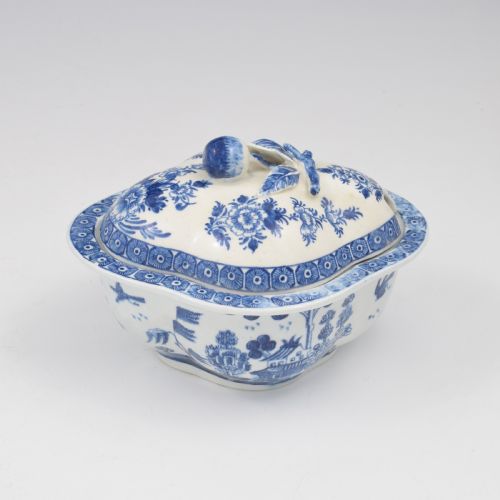
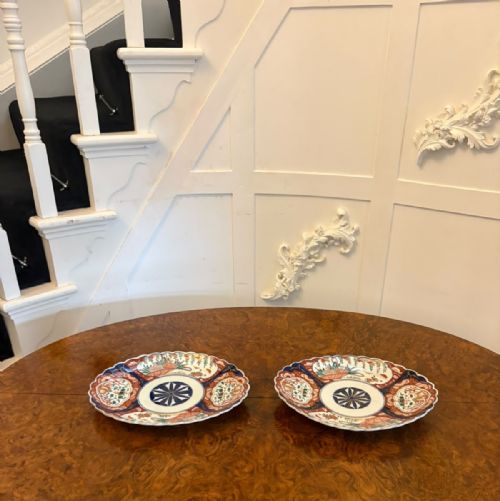
Antique porcelain serving dishes encompass a wide variety of practical and decorative tablewares, including platters, tureens, dessert dishes, and bowls designed for presenting food. When searching for antique porcelain serving dishes, buyers encounter examples ranging from eighteenth-century English factories to Japanese Imari wares and Chinese export pieces. The selection spans distinct periods such as the Georgian era, the nineteenth century, and the early twentieth century.
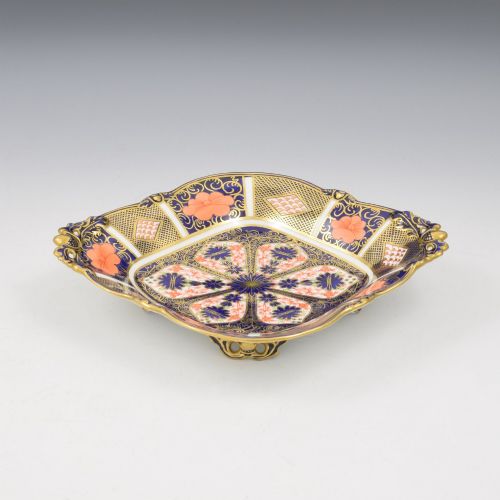
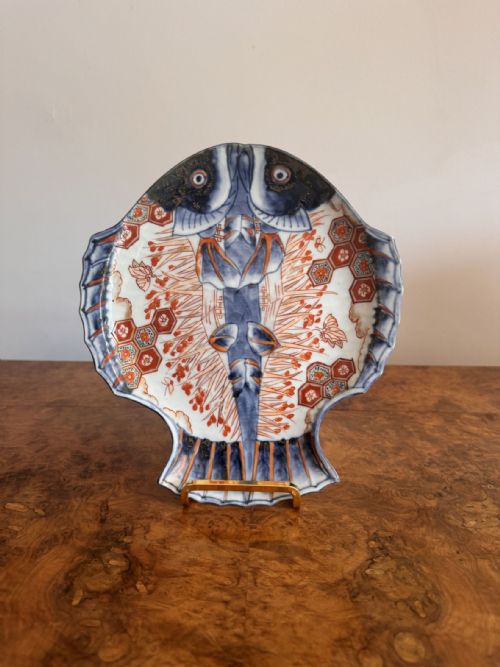
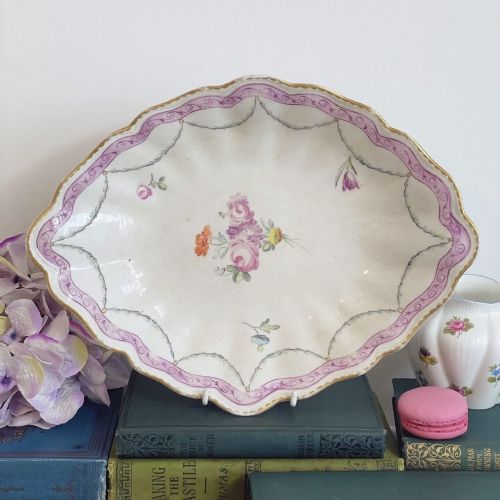
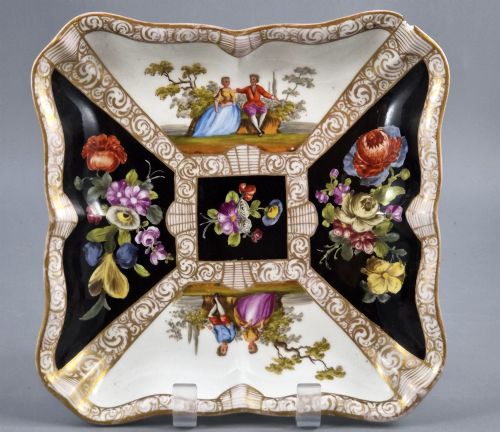
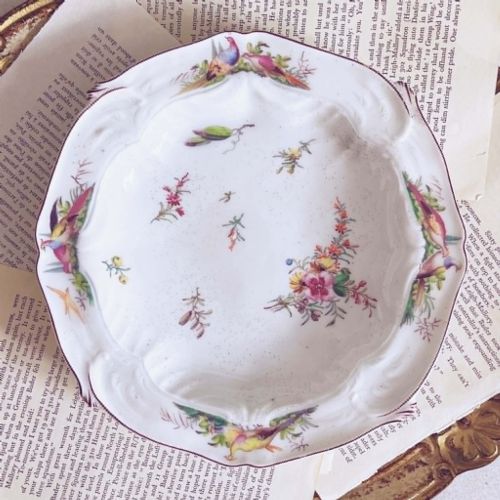
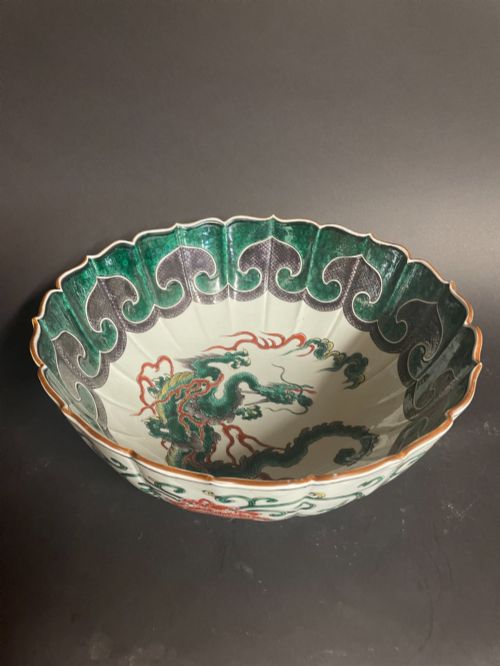
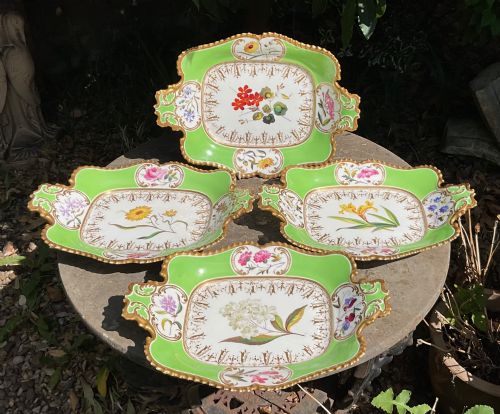
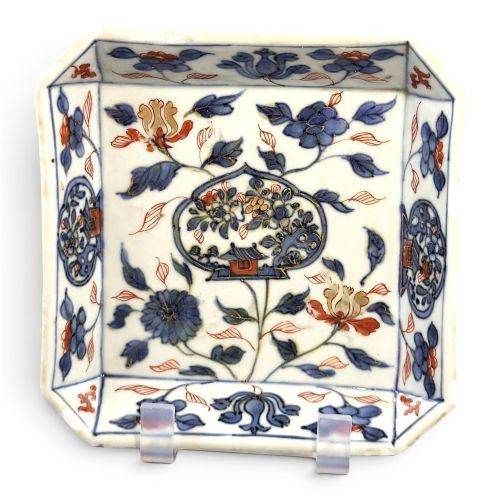
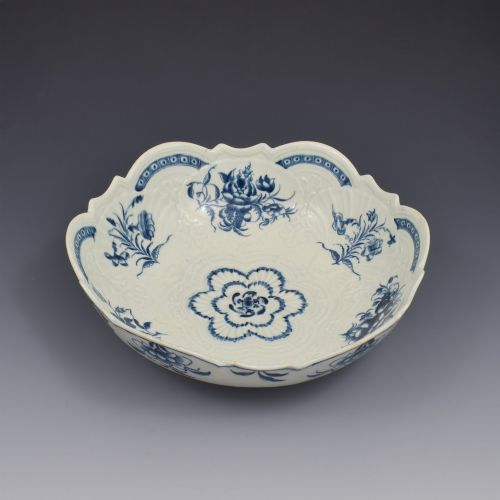
The forms on this page include oval plates, square lobed dishes, sauce tureens with covers, and scalloped bowls. Pieces reflect specific design movements like Rococo Revival alongside traditional Japanese Meiji period aesthetics. Most listings present table vessels intended originally for family dining or formal dessert courses.
How they were made
Potters utilised ceramic materials including soft-paste porcelain, hard-paste porcelain, and ironstone, shaping them into platters, tureens, and bowls. Artisans applied glazes and hand-painted polychrome or blue and white motifs directly onto the ceramic surface before firing.
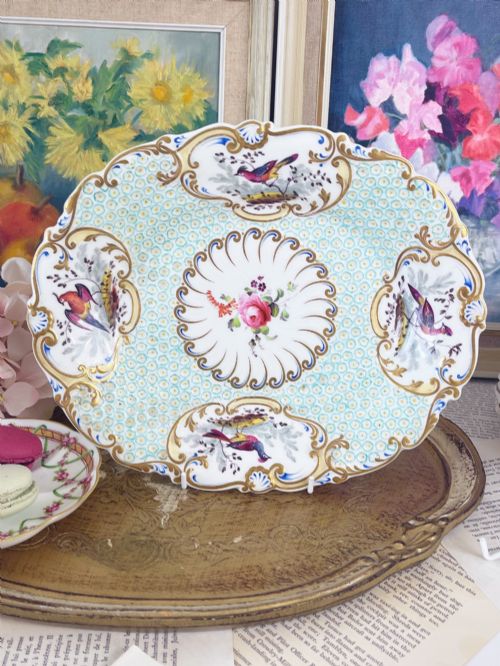
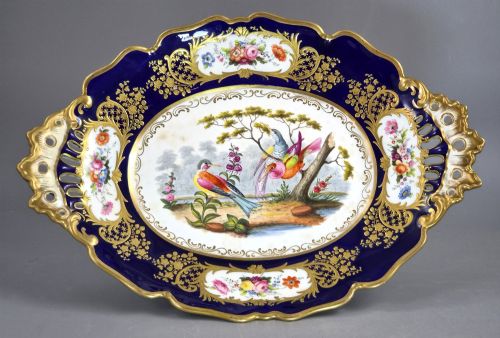
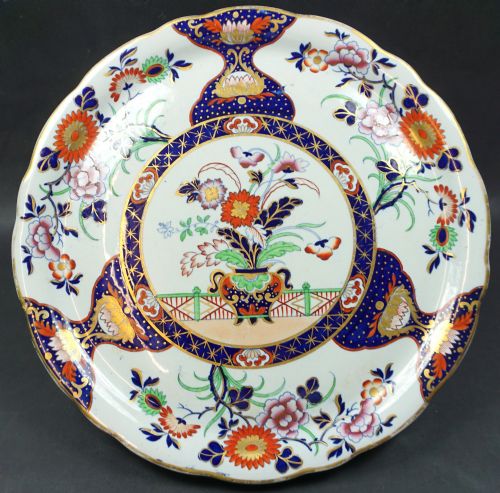
Many items incorporate gilding, gold leaf, and enamel work to accentuate painted birds, flowers, and landscapes. Detail work relies on careful brush techniques, visible in the hand-painted subjects recorded across the eighteenth and nineteenth-century inventory.
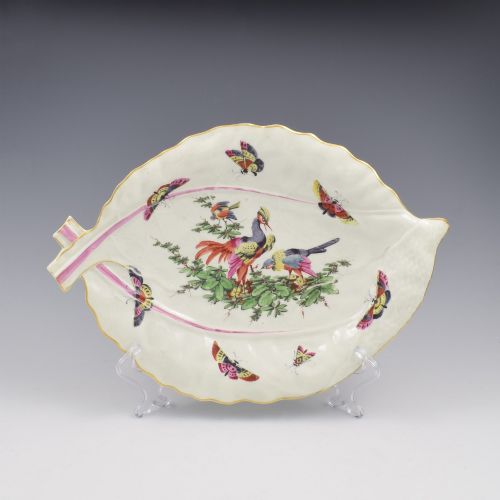
Several plates capture remarkably indignant-looking fancy birds painted by eighteenth-century artisans who clearly preferred attitude over ornithological accuracy.
What varies in quality
Quality in these ceramics rests on the precision of the hand-painted decoration, such as finely rendered fancy birds, botanical studies, or intricate Watteau scenes. The crispness of moulded details, including leaf shapes and pierced rims, distinguishes superior workshop output.
The application of glaze and gilding also indicates standard, with smooth, even finishes and well-preserved gold leaf showing greater refinement. Form complexity, seen in scalloped edges or quatrefoil profiles, further separates standard production from exceptional pieces.
Royal Crown Derby·H & R Daniel·Dr Wall Worcester·Coalport·Meissen·Chelsea·Chamberlains Worcester·Hicks & Meigh·Royal Doulton·Copeland & Garrett·Mason·Joseph Gaspard Robert·John Ridgway·Rockingham Pottery·Spode·Doulton Burslem
The Antique Porcelain Serving Dishes Glossary
- Soft-paste porcelain
- A ceramic composition made from white clay mixed with ground glass and other materials, fired at lower temperatures than hard-paste porcelain. This body type appears frequently in eighteenth-century English factory output.
- Imari
- A style of Japanese porcelain decorated in underglaze blue, iron red, and gold, named after the port of shipment. These colourful export wares found great favour in European interiors.
- Tureen
- A deep, covered bowl designed for serving soups, sauces, or vegetables at the table. Surviving examples often include matching stands or covers.
- Ironstone
- A heavy, durable type of ceramic developed in the nineteenth century to imitate porcelain. It offers robust utility while supporting enamelled and gilt decoration.
- Charger
- A large decorative plate or platter used historically for ceremonial service or as a base plate under smaller courses. They frequently display ambitious hand-painted pictorial designs.
Antique Porcelain Serving Dishes: Frequently Asked Questions
How do I use antique serving dishes today?
These pieces function well for presenting dry foods, fruits, or bread at a modern dining table. Many collectors prefer to display platters and bowls on sideboards or within cabinets to protect the hand-painted surfaces.
Careful hand washing preserves the delicate enamel and gold leaf on older surfaces. Modern dishwashers and microwaves should remain strictly avoided for all eighteenth and nineteenth-century ceramics.
How can I tell eighteenth-century porcelain apart?
Eighteenth-century pieces often display characteristic paste variations, underglaze blue markings, or specific hand-painted motifs associated with factories like Worcester, Derby, or Chelsea. Close inspection of the glaze reveals period-specific pooling and footring construction.
Comparing pattern styles against documented factory designs helps confirm attribution. Reference marks, while sometimes absent on early wares, provide vital clues when combined with body examination.
What is Japanese Imari porcelain?
Japanese Imari porcelain refers to wares produced in Arita and shipped through the port of Imari during the Edo and Meiji periods. They are instantly recognisable by their distinct palette of cobalt blue, iron red, and added gilding.
These designs heavily influenced European ceramic factories during the seventeenth and eighteenth centuries. Genuine examples display dense floral, bird, or architectural motifs across plates, bowls, and chargers.
What is the difference between porcelain and ironstone?
Porcelain is a vitrified ceramic material made from china clay and petuntse, fired at high temperatures until translucent and non-porous. It offers a refined, delicate surface suited to fine dining and intricate enamel painting.
Ironstone is a dense, opaque earthenware patent designed for durability in busy nineteenth-century households. It provides a heavier, sturdier alternative while accommodating vibrant transfer-printed or hand-painted decoration.