
Worcester Porcelain Dishes
Worcester porcelain dishes bring eighteenth-century handpainted elegance and nineteenth-century cabinet artistry straight to the table.
Worcester Porcelain Dishes
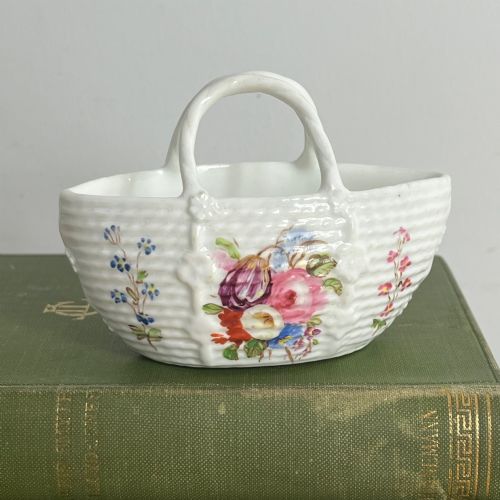
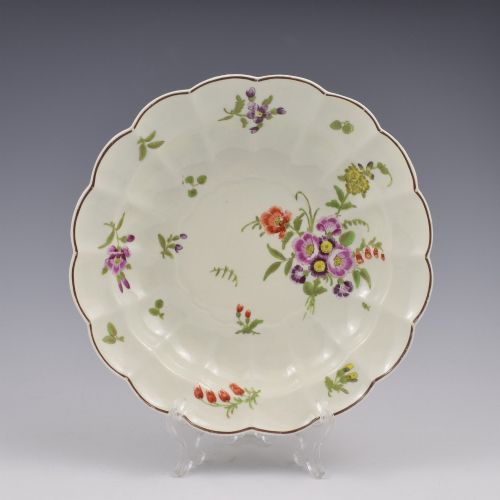
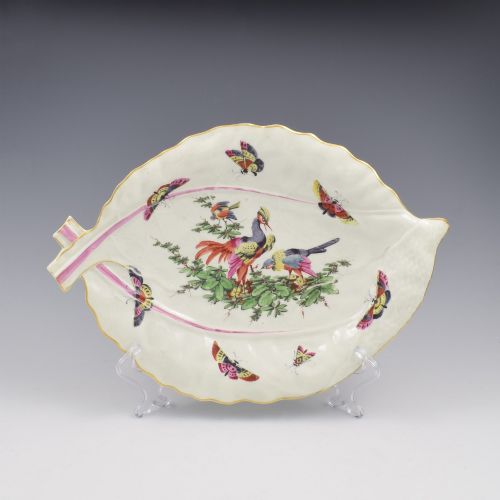
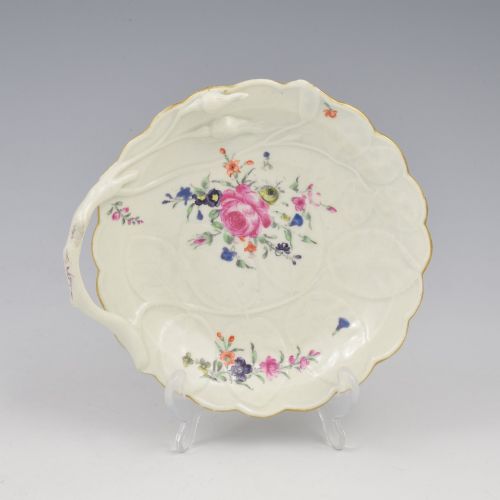
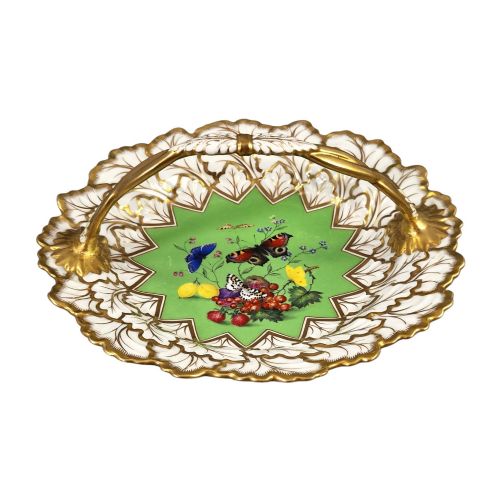
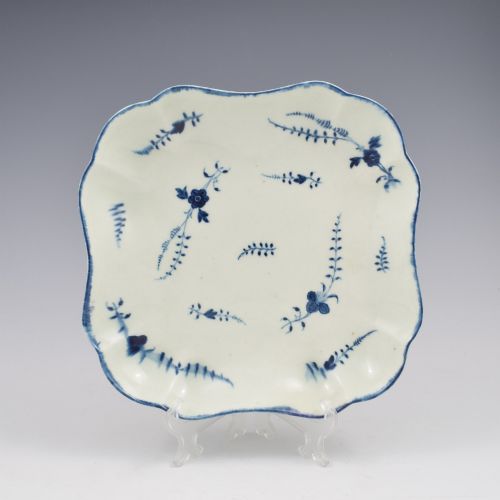
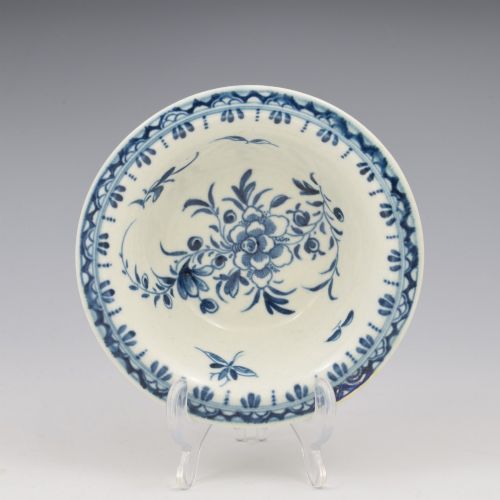
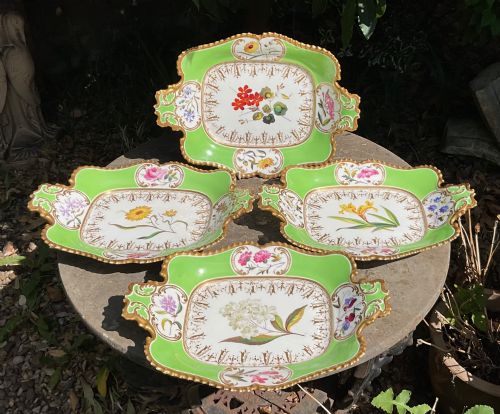
When searching for worcester porcelain dishes, collectors encounter an extensive range of forms spanning the eighteenth and nineteenth centuries, alongside later twentieth-century studio output. The most common examples met on this page include eighteenth-century Dr Wall period leaf dishes, sweetmeat stands, and dessert plates decorated with blue and white floral patterns or fancy birds.
The material evolution moves from early soft-paste porcelain and enamel to bone china and refined glazes by the twentieth century. Traditional English, Rococo Revival, and Art Deco aesthetics all find expression within these categories.
How they were made
Early Worcester pieces utilise soft-paste porcelain fired with rich underglaze blue painting, transfer printing, or polychrome enamel decoration. Artisans applied gold leaf, heavy gilding, and intricate handpainted motifs over translucent glazes.
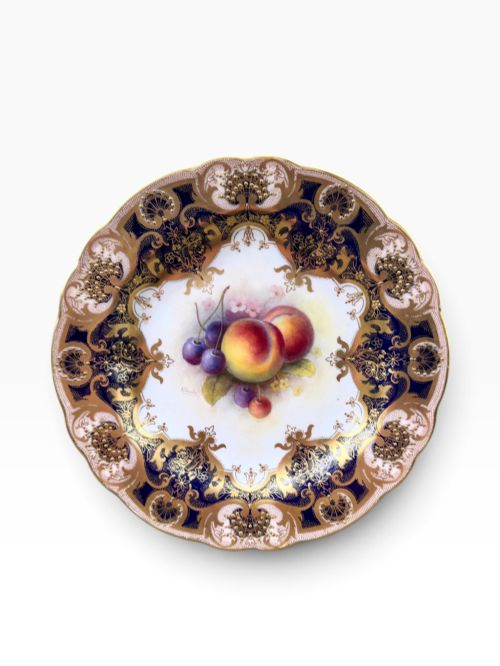
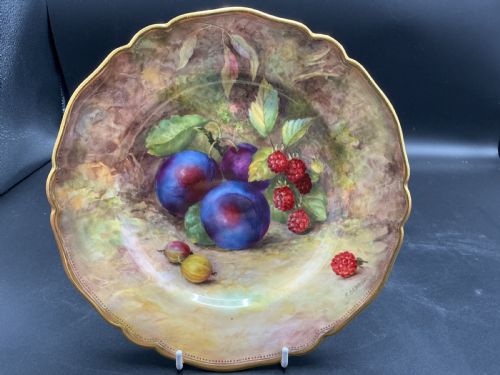
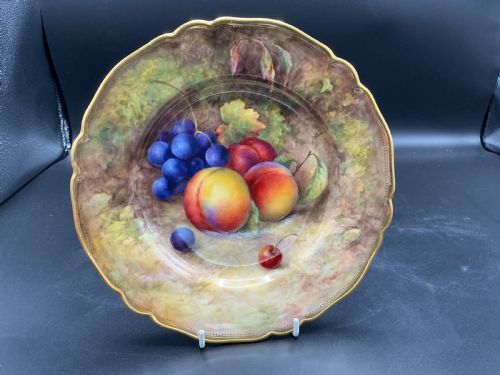
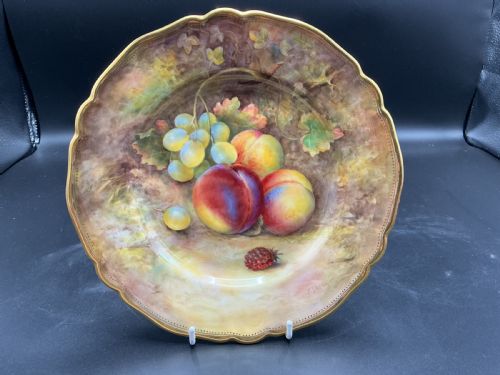
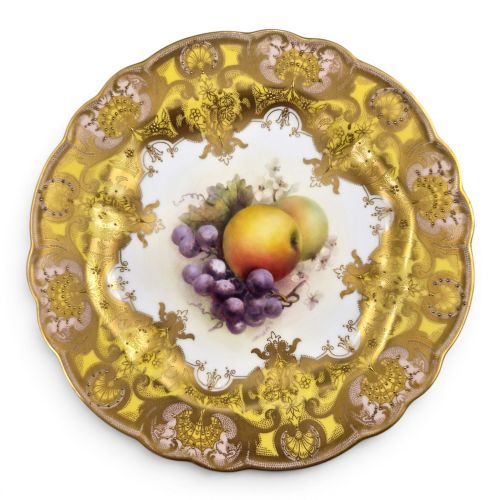
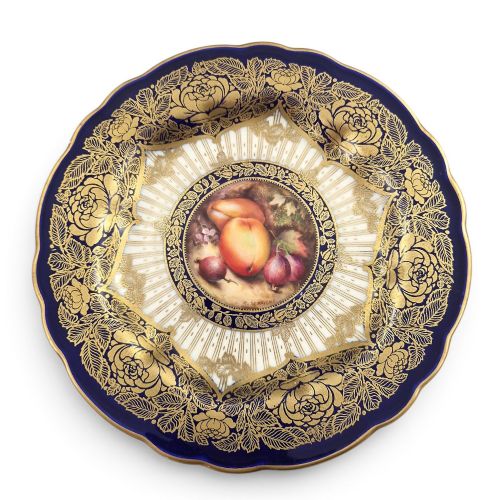
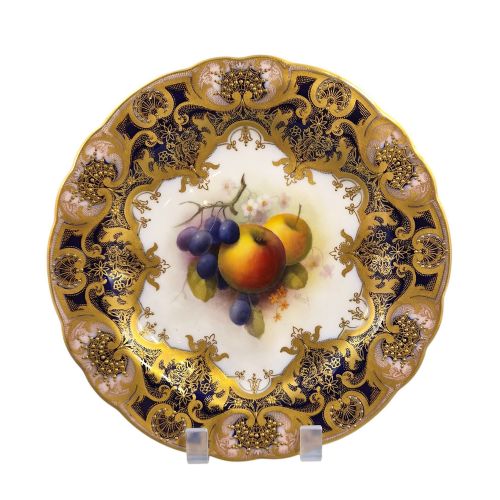
Later nineteenth and twentieth-century production shifted towards bone china and robust body compositions capable of supporting elaborate handpainted fruit studies by known artists. Firing techniques evolved to achieve the smooth, uniform blush ivory and scale grounds characteristic of the factory's output.
The listings span from eighteenth-century soft-paste porcelain to twentieth-century bone china cabinet plates.
What varies in quality
Quality in worcester porcelain dishes rests upon the precision and execution of the handpainting, particularly in complex bird, insect, and fruit subjects. Superior examples display crisp detail under the glaze and confident brushwork without muddy colours or misplaced borders.
The crispness of moulded forms, such as leaf veins on pickle dishes and openwork on chestnut baskets, dictates the grade of the piece. Ground colours like the iconic blue scale require an even, deep saturation that marks out the finest output from lesser factory variants.
Flight Barr and Barr·Royal Worcester·Chamberlains Worcester·Barr Flight and Barr·Doe and Rogers
The Worcester Porcelain Dishes Glossary
- Soft-paste porcelain
- An artificial ceramic body fired at lower temperatures than hard-paste porcelain, common in eighteenth-century English manufacture. It yields a warm, creamy translucency under the glaze.
- Dr Wall Period
- The initial phase of the Worcester porcelain factory, operating from 1751 under the direction of Dr John Davenport Wall. Pieces from this era are highly sought after by collectors.
- Cabinet plate
- A decorative display plate intended for exhibition in a cabinet rather than functional dining use. These often feature elaborate painted fruit or scenic reserves.
- Sweetmeat dish
- A small shallow dish or compartmented stand designed for serving sweetmeats, nuts, or confections at dessert. They frequently take naturalistic shell or leaf forms.
- Blue scale
- A rich underglaze blue patterned ground resembling fish scales, used as a backdrop for painted floral or bird panels. It requires exceptional control during the glazing process.
Worcester Porcelain Dishes: Frequently Asked Questions
How do I identify a Dr Wall period dish?
Dr Wall period pieces date from the eighteenth century and typically feature soft-paste bodies with early underglaze blue printing, handpainted florals, or moulded leaf shapes. Look closely at the glaze consistency and stylistic markers characteristic of the factory's earliest decades.
Many of these items carry workman marks rather than explicit factory signatures, requiring careful comparison of the paste and decorative style against known archive examples.
What is the difference between a cabinet plate and a dessert dish?
Cabinet plates are purely decorative items intended for display, often featuring elaborate handpainted scenes such as fruit studies by named artists. They generally remain pristine because they avoided active dining use.
Dessert dishes, conversely, were made as part of larger service sets for table dining. While equally decorative, their forms suit the serving of sweet courses, fruit, or confectionery.
Are painted fruit plates a later innovation?
Handpainted fruit plates become particularly prominent during the late Victorian, Edwardian, and mid-twentieth-century periods. Master painters specialised in realistic botanical studies framed by heavy gilding.
These pieces reflect a shift towards highly artistic cabinet displays distinct from the blue and white domestic wares of the eighteenth century.