

Georgian Ceramic Serving Dishes
Georgian ceramic serving dishes bring the refined table arrangements of the eighteenth and early nineteenth centuries directly to the modern dining room.
Georgian Ceramic Serving Dishes
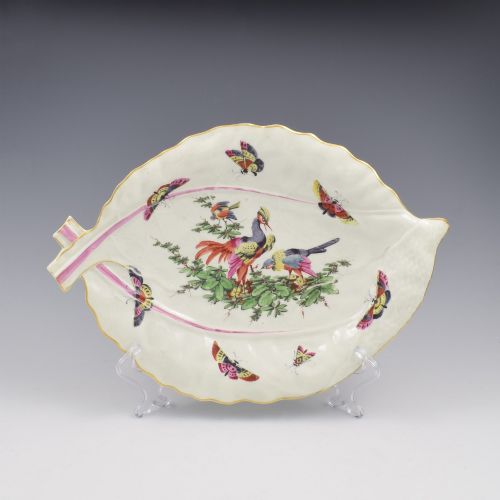
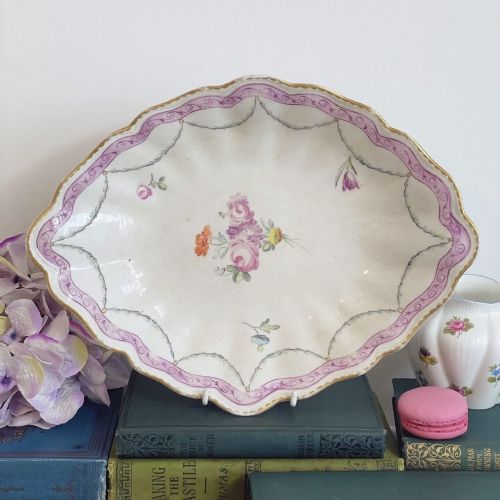
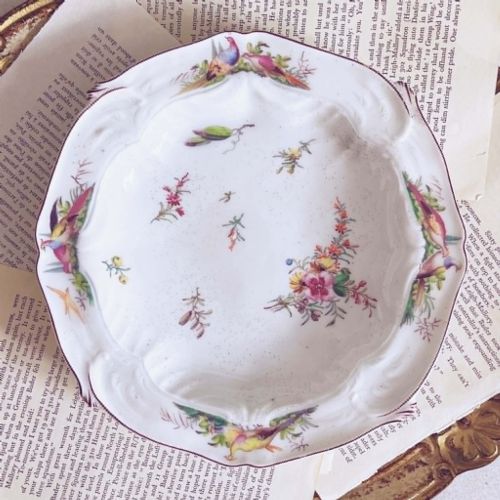
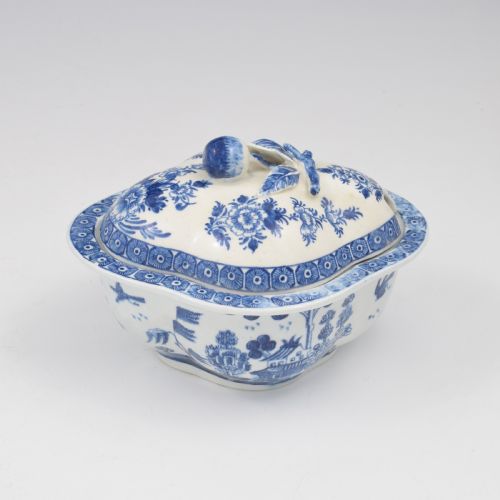
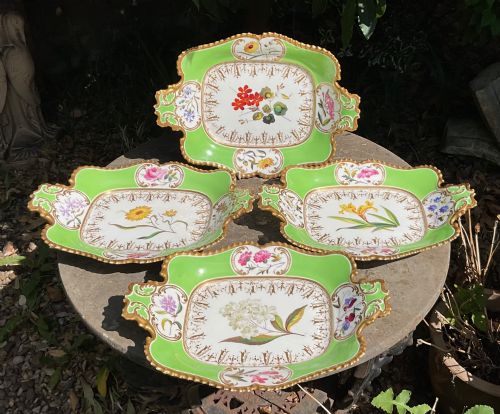
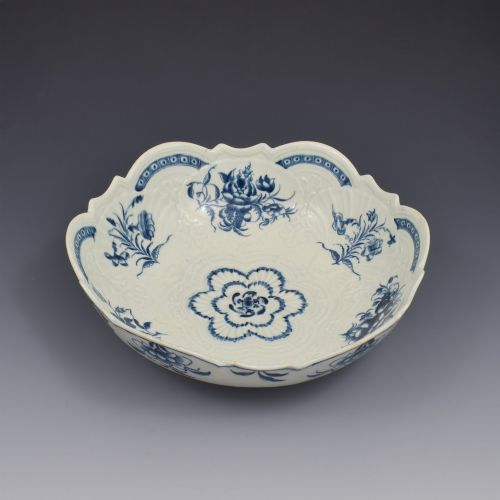
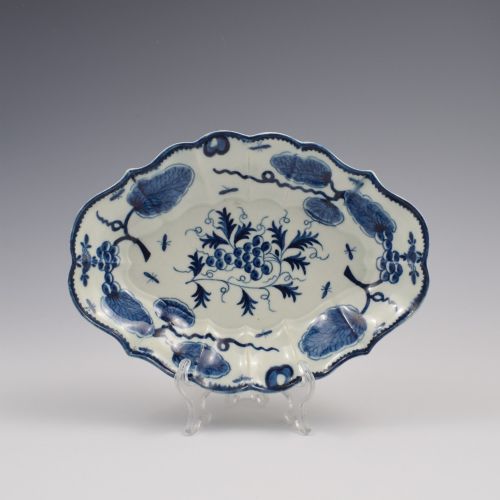
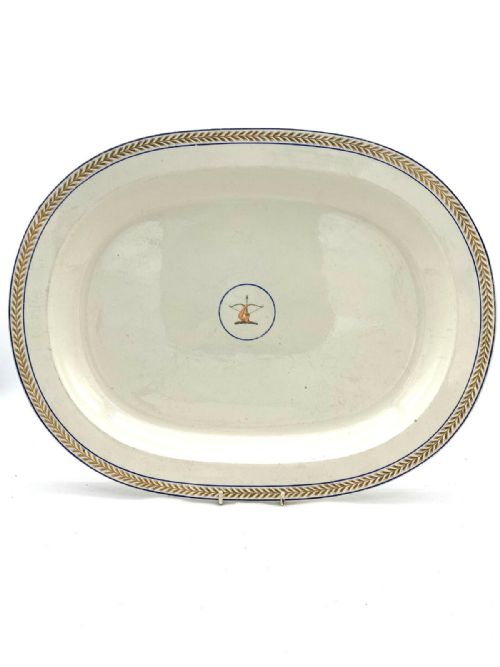
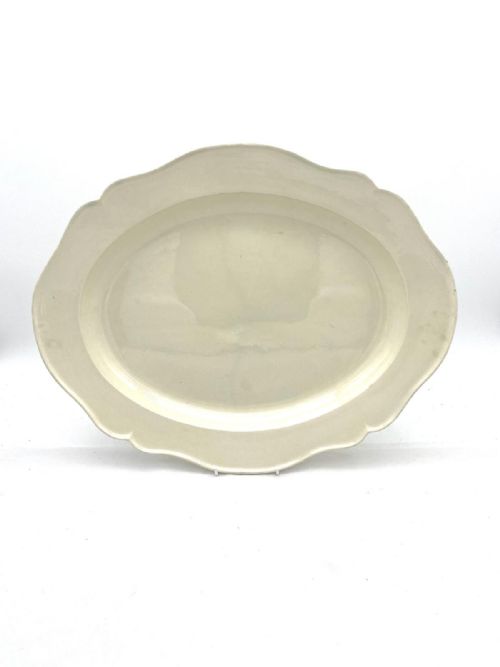
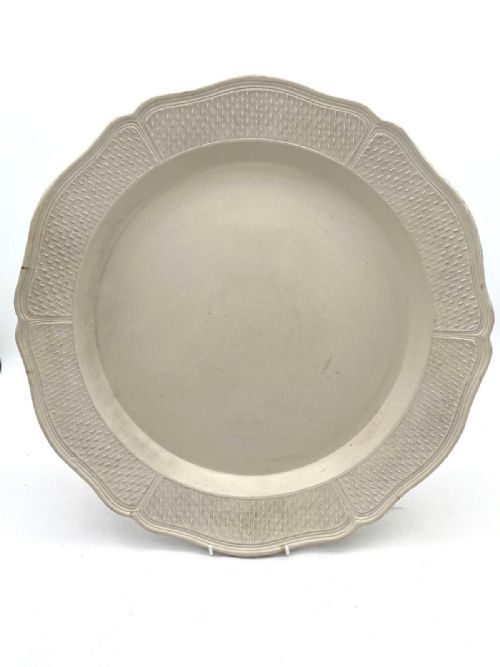
Georgian ceramic serving dishes encompass a wide variety of platters, tureens, chargers, and dessert services designed for formal and domestic dining during the Georgian and Regency periods. The forms range from large meat plates and vegetable tureens to delicate leaf-shaped dessert dishes and lobed comports.
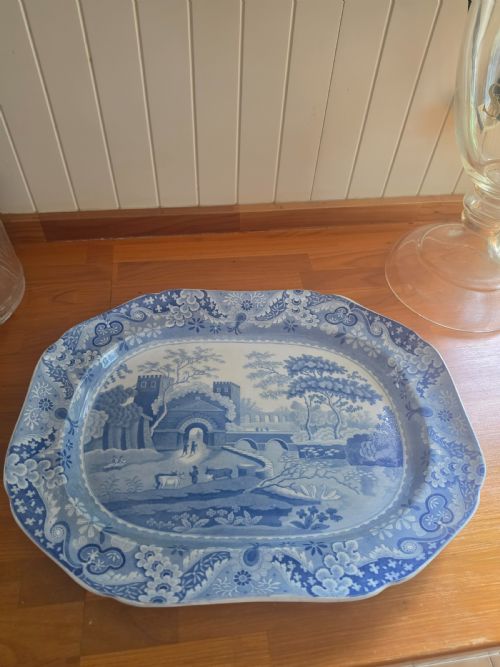
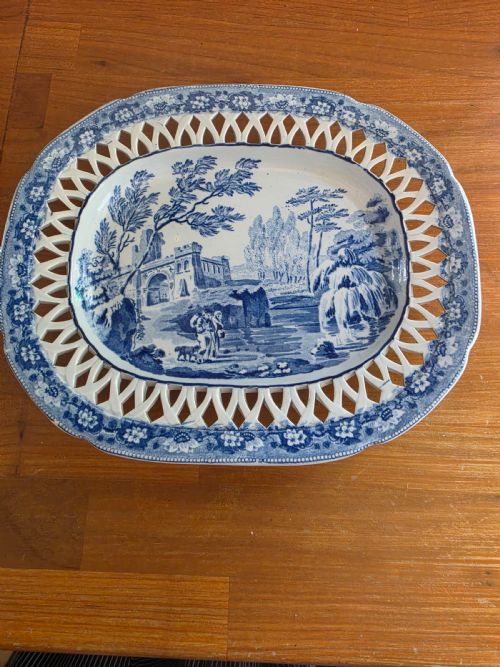
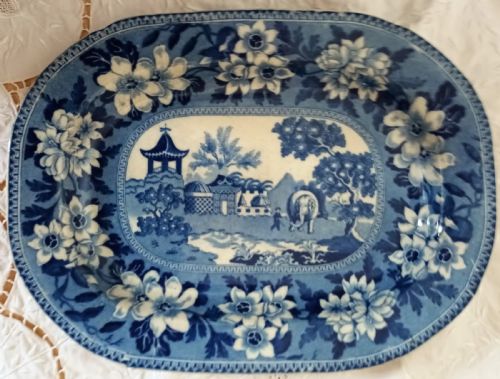
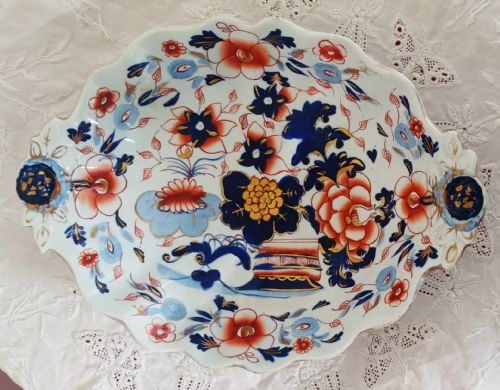
The pieces appearing here predominantly span the eighteenth and early nineteenth centuries, featuring works from prominent porcelain factories and earthenware potteries. Buyers will regularly encounter blue and white transfer-printed earthenware alongside hand-painted soft-paste porcelain from makers such as Worcester, Derby, and Spode.
These items were originally utilised for serving meat, vegetables, fish, and sweet courses at the dining table. Today, collectors seek them out both for display and for continuing their original function during formal meals.
How They Were Made
Potters of this era relied primarily on earthenware, creamware, ironstone, and soft-paste porcelain as the base materials for their serving vessels. Earthenware and creamware provided robust bodies for daily table use, while porcelain allowed for delicate, thinly potted forms and translucent qualities.
Decoration techniques combined hand-painting in polychrome or blue and white with copperplate transfer printing, which allowed complex pictorial scenes like the 'Elephant' or 'Castle' patterns to be applied efficiently. Glazing often involved lead-based formulas that produced a warm, creamy tone on creamware or a glossy finish over blue and white transfer prints.
Listings feature earthenware, soft-paste porcelain, ironstone, and pearlware across the eighteenth and nineteenth centuries.
What Varies in Quality
The distinction between standard commercial wares and exceptional pieces rests primarily on the crispness of the transfer print or the skill of the hand-painting. Superior examples exhibit vibrant, precisely applied polychrome enamels and well-defined transfer details without blurring or running in the glaze.
Body preparation and firing stability also determine a piece's standing, as finer porcelain or well-potted ironstone displays fewer kiln warps and glaze imperfections. The prestige of the manufactory, from First Period Worcester to regional earthenware potteries, further defines the historical and collector significance of each dish.
Dr Wall Worcester·Derby Porcelain·Chelsea·Spode·Davenport·Chamberlains Worcester·Hicks and Meigh·Wedgwood·John Rogers and Son·Mason's Ironstone·J and R Riley·J and R Clews·Rockingham Pottery·Flight Barr and Barr·Coalport·Bow Porcelain
The Georgian Ceramic Serving Dishes Glossary
- Creamware
- A refined earthenware developed in Staffordshire featuring a pale yellow or creamy lead glaze. It became the dominant domestic table ceramic of the late eighteenth century.
- Transfer printing
- A decoration technique where an engraved copper plate transfers a design onto paper, which is then stamped onto the ceramic body before glazing and firing. This method revolutionised the production of blue and white patterns.
- Soft-paste porcelain
- An artificial porcelain composition made from white clay and glass frit, fired at lower temperatures than hard-paste porcelain. It is characteristic of eighteenth-century English factories like Chelsea, Bow, and early Worcester.
- Charger
- A large decorative or serving plate used primarily in the seventeenth and eighteenth centuries. These substantial pieces often formed the base of a table setting or served large communal portions.
- Tureen
- A deep covered vessel designed for serving soups, sauces, or vegetables. Georgian examples often feature matching stands and intricate handles moulded in rococo or neoclassical styles.
Georgian Ceramic Serving Dishes: Frequently Asked Questions
What is a junket dish?
A junket dish is a specialised shallow bowl traditionally used for serving junket, a curdled milk dessert popular in the eighteenth century. These pieces often feature lobed or fluted rims and hand-painted floral motifs.
First Period Worcester and other porcelain factories produced them in various sizes to complement dessert services. Their distinctive shapes make them easily recognizable among other servingware.
How do I care for Georgian ceramics?
Georgian ceramics require gentle hand washing in warm water with mild detergent rather than machine washing. Avoiding sudden temperature changes protects the historic glaze from thermal shock and crazing.
Displaying them securely away from direct sunlight preserves hand-painted enamels and gold leaf details. Careful handling ensures these eighteenth and nineteenth-century pieces remain stable for daily use or collection.
What is ironstone china?
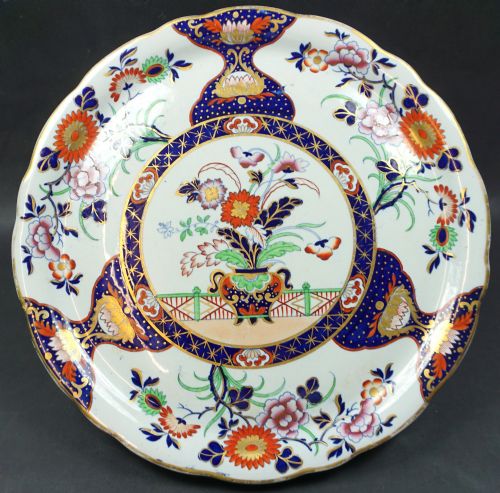
Ironstone china is a durable type of earthenware patented in the early nineteenth century to imitate Chinese porcelain. It combined natural rock with clay to produce a heavy, robust body suitable for large platters and tureens.
Factories like Mason's and Hicks & Meigh utilised ironstone for vibrant 'Japan' pattern and transfer-printed services. Its strength made it a popular choice for busy dining rooms during the Regency period.