


Regency Porcelain Serving Dish
These regency porcelain serving dish examples bring the refined elegance of the early nineteenth century straight to the dining table.
Regency Porcelain Serving Dish
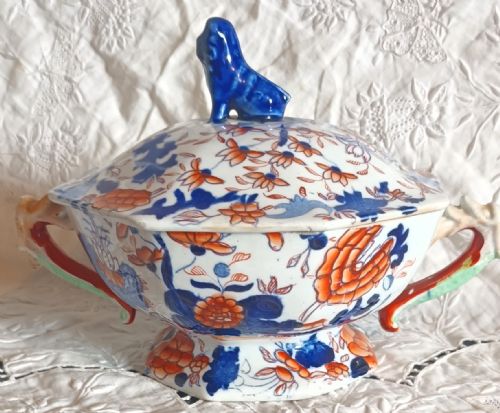
A regency porcelain serving dish encompasses a range of dining wares produced during the early nineteenth century, including oval plates, platters, dessert dishes, and covered tureens. These vessels served functional roles at formal dining tables for presenting courses, meats, and sauces.
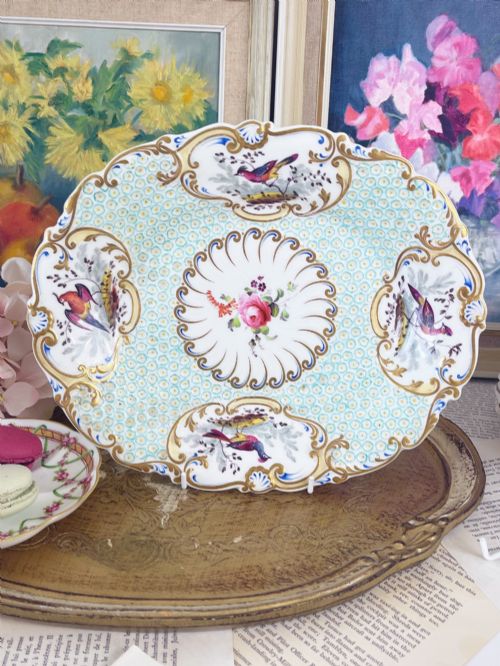
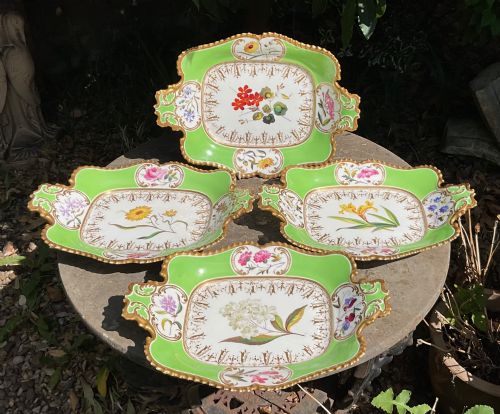
The pieces appearing on this page span the Regency, Georgian, and broader nineteenth-century periods, capturing the refined aesthetic of English ceramic production from around eighteen hundred to eighteen thirty. Common forms include twin-handled dishes, botanical serving vessels, and sizeable entrée dishes.
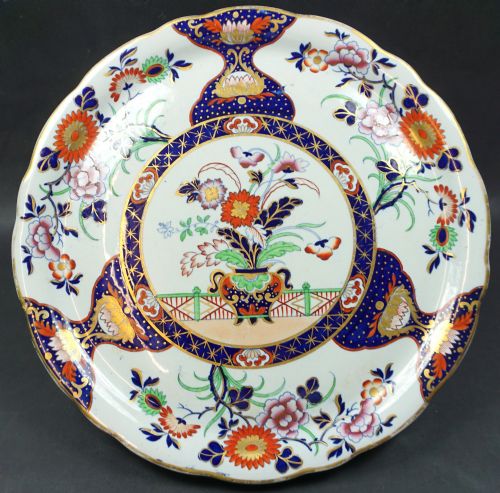
Makers from this era utilised fine ceramic bodies, ironstone, and felspar porcelain, often decorating them with handpainted motifs, enamel, gold leaf, and gilt accents. Buyers encounter both utilitarian serving shapes and elaborate dessert sets designed for display.
Standards of craftsmanship
Quality in a regency porcelain serving dish depends upon the precision of the ceramic body and the crispness of the moulded form, particularly in large dessert dishes and tureens. Superior examples exhibit balanced proportions and well-defined decorative relief without warping from the kiln.
The standard of handpainting significantly elevates a piece, distinguishing mass production from meticulous artisan work. Delicately rendered botanical subjects, fancy birds, and intact gilding or gold leaf indicate superior workshop output.
Several Regency dishes feature handpainted fancy birds peering intently across the glazed porcelain, seemingly supervising the dinner service.
H & R Daniel·Chamberlains Worcester·Hicks & Meigh·Mason's Ironstone·Spode·Flight Barr & Barr·Coalport·Ridgway·Bloor Derby
The Regency Porcelain Serving Dish Glossary
- Ironstone
- A dense, durable type of earthenware patented in the nineteenth century. It offered a resilient alternative to standard porcelain for heavy-use serving dishes and tureens.
- Felspar porcelain
- A specialised ceramic paste incorporating feldspar, utilised by factories like Spode to improve durability and whiteness. It provided a stable base for large serving plates.
- Enamel
- Vitreous coloured glass fused to the ceramic surface during firing. It created the vibrant hues found on handpainted botanical and Chinoiserie dishes.
- Gilt
- A thin layer of gold applied to ceramic surfaces for decorative accentuation. It frequently highlights the rims and handles of Regency serving ware.
- Tureen
- A deep covered vessel designed for serving soups, sauces, or vegetables at the table. These pieces often included matching stands or covers.
Regency Porcelain Serving Dish: Frequently Asked Questions
How were these dishes used originally?
These vessels functioned primarily during formal dining services to present meats, vegetables, desserts, and sauces at the table. Covered tureens kept contents warm, while open platters displayed courses for guests.
Wealthy households utilised matching sets for grand dinners, often displaying armorial crests or botanical patterns that reflected the host's status.
Can I use these for modern dining?
While these antique pieces remain structurally sound, modern dishwashers and microwaves will damage the delicate handpainted enamels and gold leaf. Gentle hand washing preserves the historic glaze.
Many collectors prefer to use them for special occasions or display them as decorative items rather than subjecting them to daily use.
How do I identify the manufacturing period?
Identifying the period involves examining factory marks stamped or painted on the underside, alongside stylistic cues like Regency neoclassical shapes or Chinoiserie motifs. Approximate dates often align with known factory operational years.
Consulting recorded patterns and historical markers helps narrow down the production decade between eighteen hundred and eighteen thirty.