




Green Floral Porcelain Dish
These green floral porcelain dish examples bring vibrant botanical painting and glaze to your table, offering centuries of decorative tradition.
Green Floral Porcelain Dish
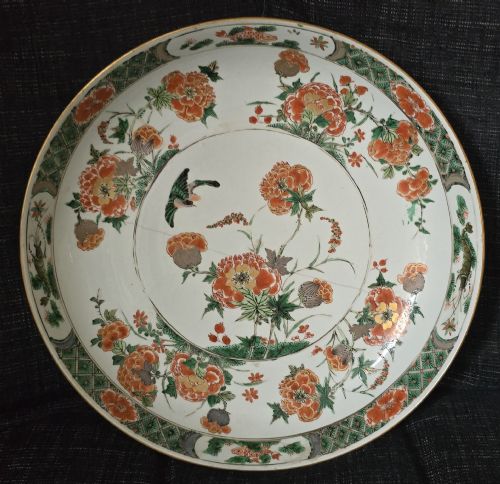
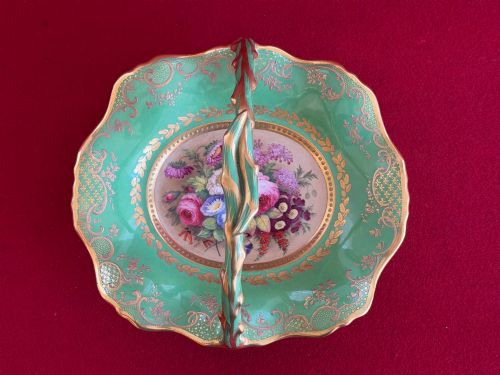
A green floral porcelain dish bridges functional tableware and decorative display, appearing in forms such as cabinet plates, dessert services, and trays. These pieces span periods from the eighteenth century through the early twentieth century, alongside earlier celadon wares.
You will frequently encounter Regency and Victorian English porcelain plates featuring painted botanical subjects, alongside Chinese export ceramics and celadon stoneware with moulded floral decoration. The assortment ranges from cabinet dishes meant for display to plates and bowls designed for formal dessert services.
Origins stretch across English factories like Worcester, Derby, and Coalport, as well as Chinese production centres dating back to the Song and Yuan dynasties. Each piece combines a porcelain or stoneware body with botanical painting or glaze work.
Materials and production methods
Makers utilised fine porcelain, bone china, and celadon glazed stoneware as the foundational body for these pieces, shaping them into plates, trays, and dishes. Skilled hands applied enamel colours and gold leaf accents to highlight botanical motifs.
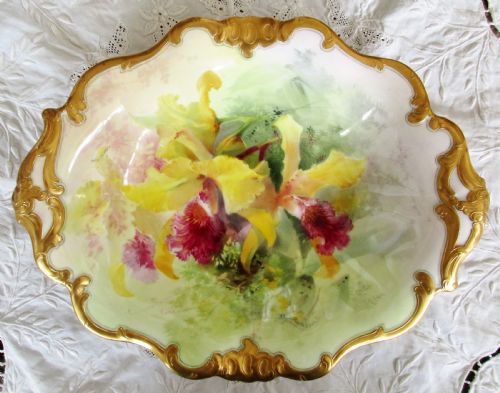
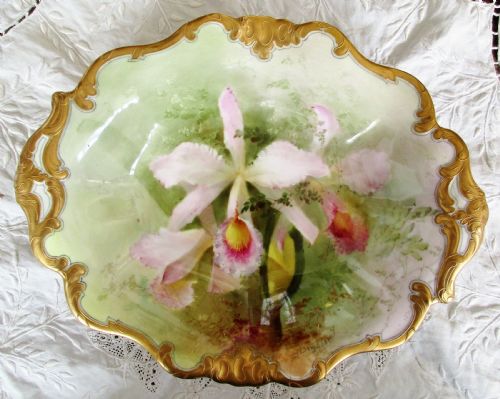
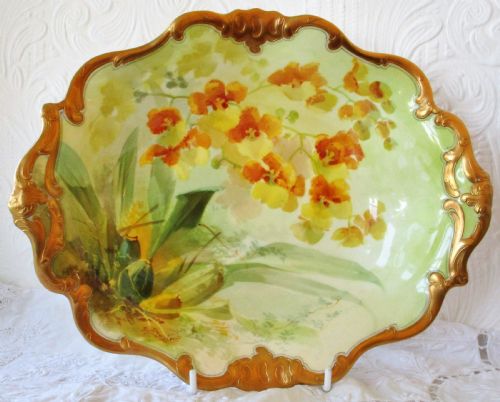
Painting techniques combined hand-painted botanical studies, such as orchids, with moulded floral scrolls beneath celadon glazes or overglaze enamel decoration. Firing processes fixed these mineral pigments and gilding to the ceramic surface.
Orchids commanded the nineteenth-century drawing room, inspiring artists to paint botanical specimens down to the last petal on cabinet dishes.
Factors determining quality
Quality rests upon the precision of the hand-painted botanical detail and the crispness of moulded or incised floral scrolls. Superior examples display meticulous brushwork by named decorators and refined porcelain bodies.
The application of gilding and enamel stability distinguish finer productions from standard wares, alongside the depth and translucency of the glaze. Intact gilding and well-preserved overglaze colours reflect careful preservation over the centuries.
Chamberlains Worcester Porcelain·Royal Doulton·Doe and Rogers Worcester·Minton Porcelain·Flight Barr and Barr·Chelsea Plates·Coalport Porcelain·Rockingham·Bloor Derby·Royal Crown Derby
The Green Floral Porcelain Dish Glossary
- Cabinet Dish
- A decorative plate intended for display in a cabinet rather than for table service. These pieces typically feature detailed hand-painted scenes or botanical studies.
- Celadon
- A transparent green glaze applied to stoneware or porcelain, often featuring carved or moulded decoration beneath the surface. It originated in China and imitates jade.
- Bone China
- A type of soft-paste porcelain incorporating bone ash, developed in England to create a whiter and stronger ceramic body. It accepts fine enamel painting exceptionally well.
- Famille Rose
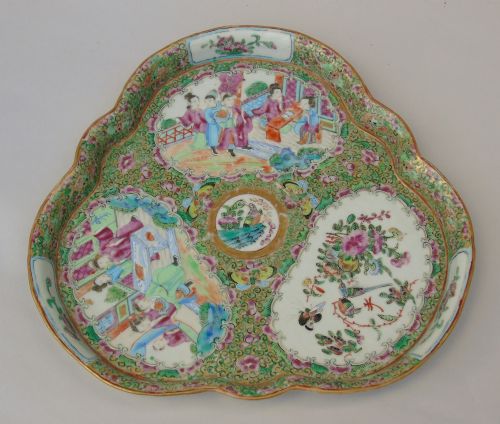
- A palette of opaque enamel colours dominated by pink or rose hues, used extensively on Chinese porcelain from the eighteenth century onwards. The style often incorporates floral and botanical elements.
Green Floral Porcelain Dish: Frequently Asked Questions
How were these dishes used originally?
Many of these pieces served during formal dessert courses at the end of a grand meal, holding fruit, sweets, or small cakes. Others functioned strictly as cabinet items, displayed on walls or within furniture to showcase wealth and artistic taste.
Over time, changing dining habits shifted plates like these from active dining service into display collections. Their survival depends on how carefully previous owners handled and stored them.
How do I care for antique porcelain?
Wash antique pieces by hand using lukewarm water and mild soap, avoiding modern dishwashers that can strip delicate enamels and gold leaf. Place a soft towel at the bottom of the sink to cushion the ceramic during cleaning.
Keep pieces away from direct sunlight to prevent the fading of painted botanical pigments. Display them securely on stable plate stands or within enclosed cabinets.
What defines Regency porcelain style?
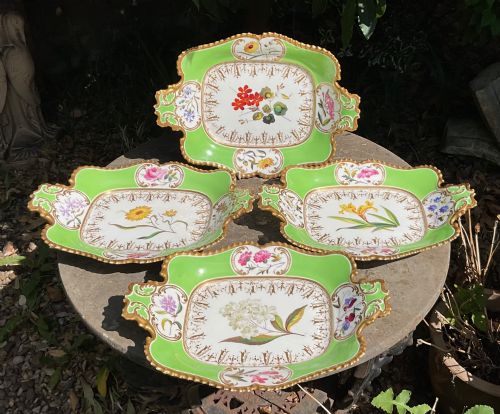
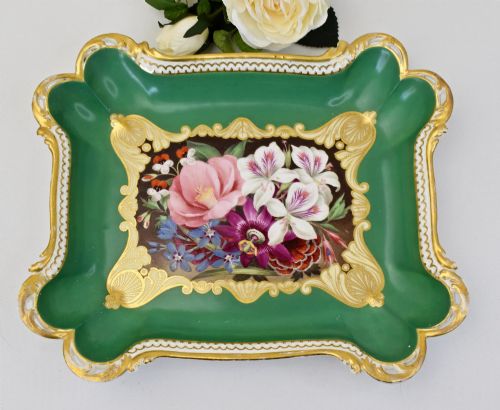
Regency ceramics often feature bold apple green borders, intricate gilding, and naturalistic botanical illustrations set against white porcelain grounds. The forms reflect neoclassical influences adapted for British dining tables of the early nineteenth century.
Factories during this period experimented with rich colour palettes and elaborate service sets. Cabinet pieces from this era frequently highlight botanical specimens labelled on the reverse.