
Dr Wall Worcester
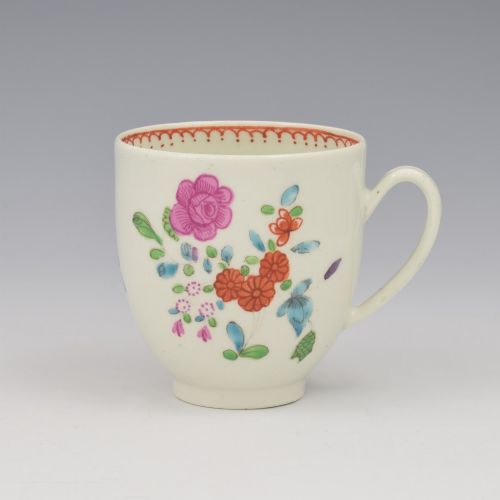
Dr Wall Worcester pieces are eighteenth-century English soft-paste porcelain tablewares and decorative vessels created during the Georgian period.
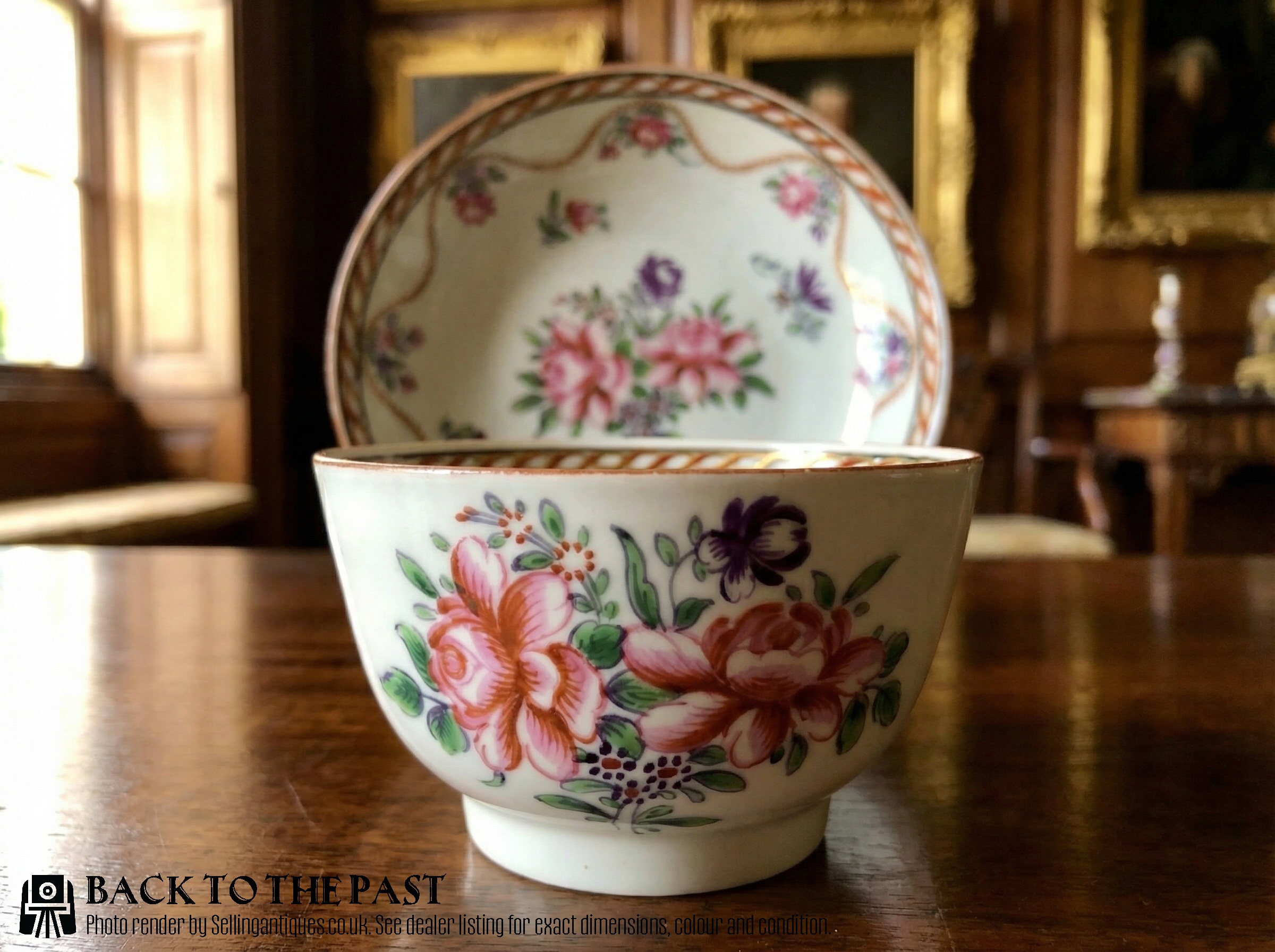
Dr Wall Worcester
When searching for dr wall worcester, buyers encounter eighteenth-century ceramics spanning utilitarian vessels and decorative display items. The selection on this page centres on Georgian tableware, including teapots, coffee cups, jugs, and serving dishes.
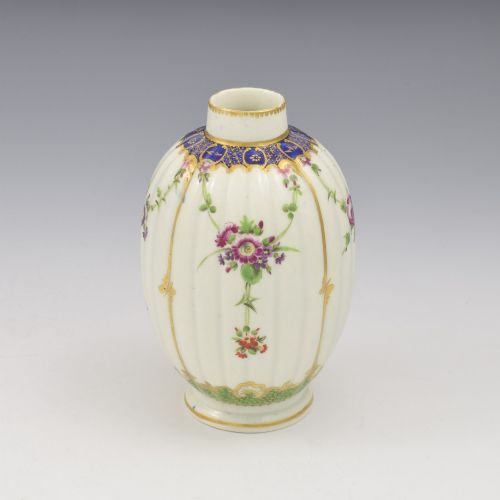
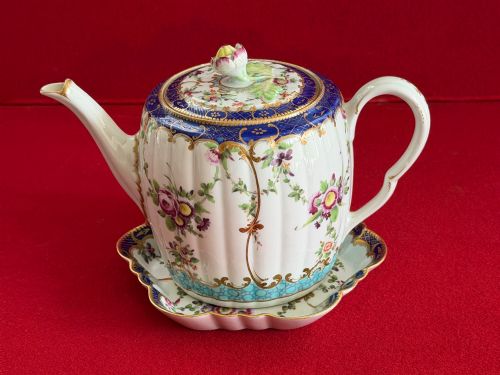
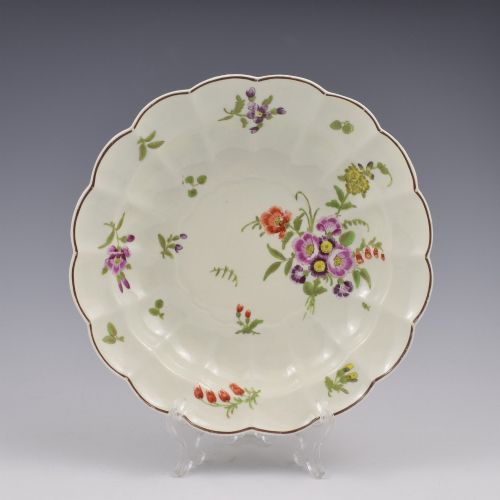
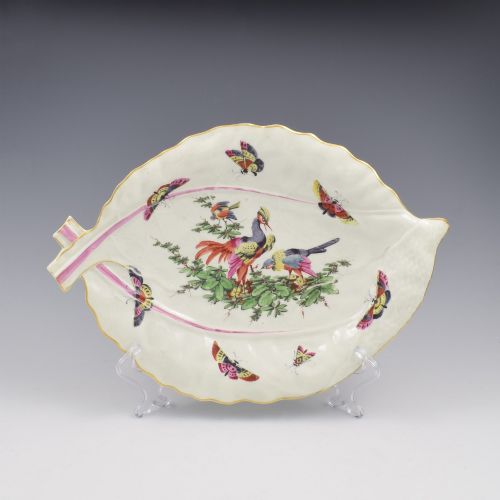
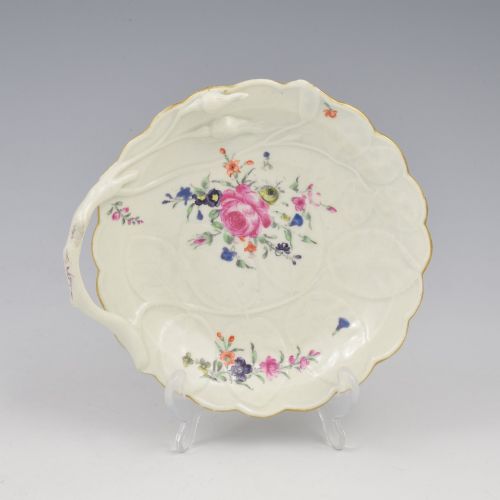
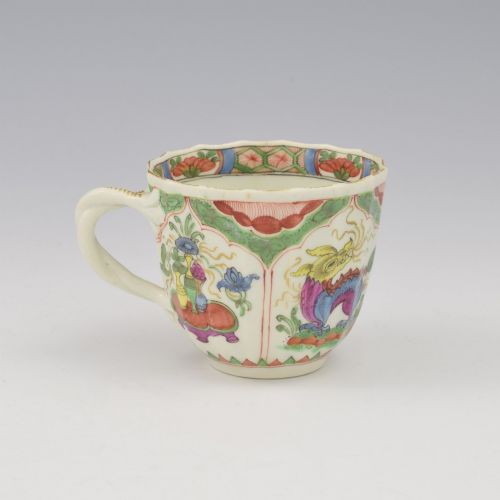
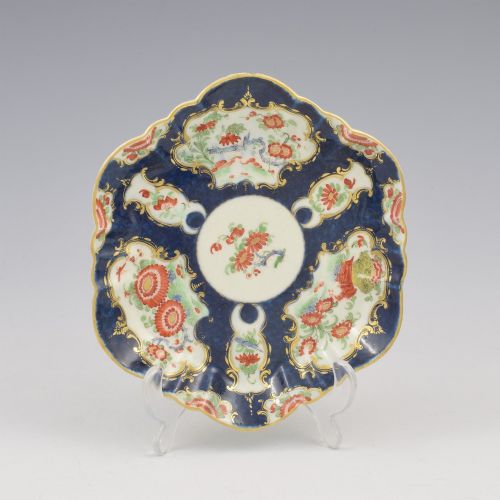
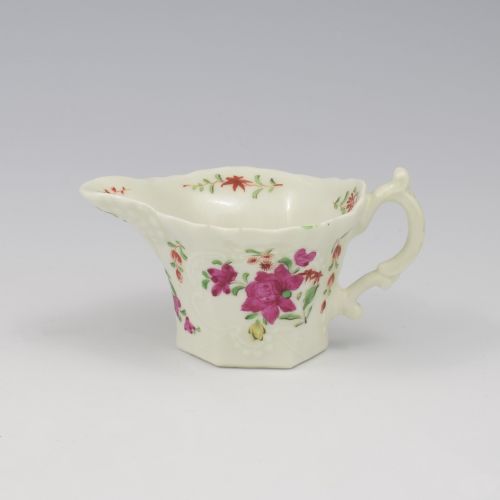
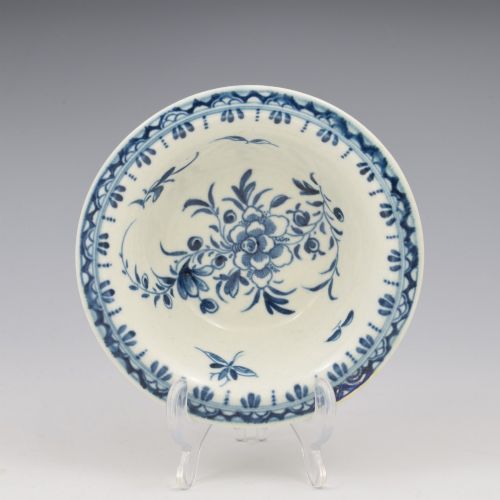
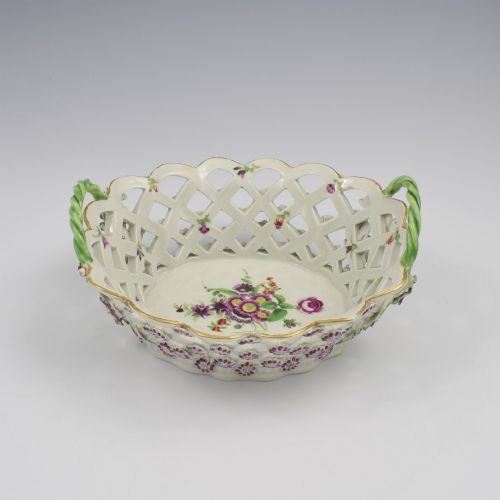
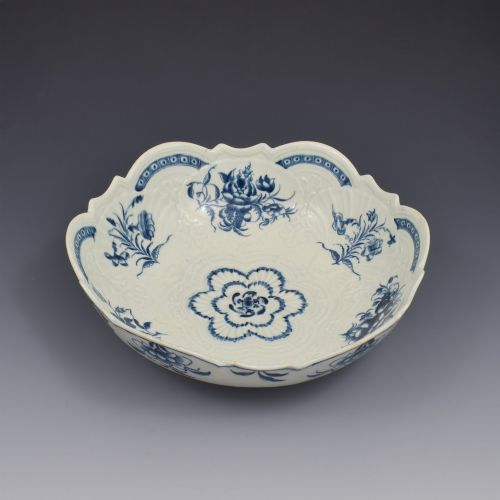
Forms range from small pickle leaf dishes and sauce boats to large punch bowls and chestnut baskets. Pieces frequently display traditional chinoiserie scenes, floral sprays, or patterned grounds such as blue scale.
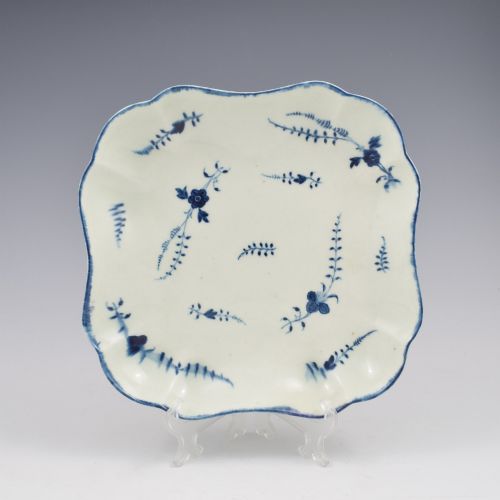
Originating from the early factory period, these items reflect the domestic dining and tea-drinking habits of Georgian England. Collectors meet both blue-and-white painted wares and richly enamelled polychrome examples.
How They Were Made
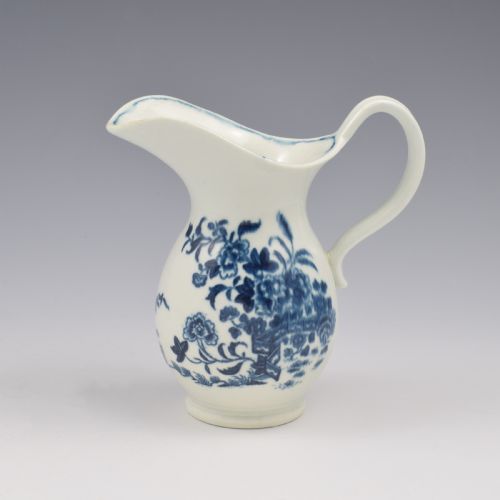
Makers utilised a soft-paste porcelain body composed of clay, glass frit, and soapstone, which produced a warm, creamy translucent ground when fired. Cobalt glaze was applied under the glaze for blue-and-white designs, while polychrome decoration relied on enamels fixed in a muffle kiln.
Gilding with gold leaf added metallic enrichment to borders and motifs, frequently combined with turquoise or gros bleu ground colours. Moulding techniques shaped intricate items like shell sweetmeat stands and basketwork vessels.
Hand-painting by skilled decorators ensured individual variation across tea canisters, mugs, and dessert dishes. Glaze pooling and characteristic speckling often reveal the early methods of eighteenth-century kiln firing.
Dr Wall Worcester Retail Price Guide 2026
Typical asking prices for dr wall worcester among the pieces listed under this phrase on Sellingantiques today, from the lower quarter to the upper quarter. They describe what is for sale here now, not the wider market.
Gentlemen sipping tea from a Mandarin slop bowl might admire a painted Chinaman waiting patiently beside an eighteenth-century river.
What Varies in Quality
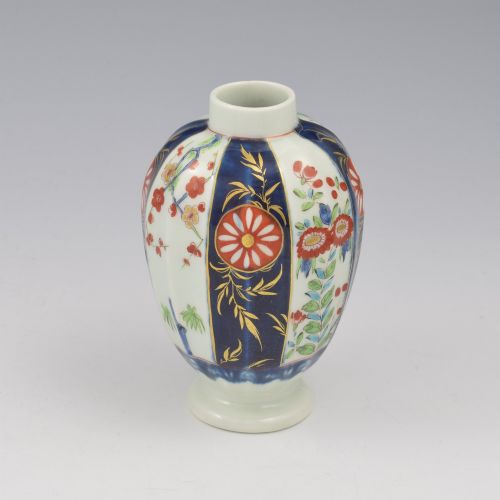
The sophistication of the painting dictates distinction at the upper end of the range, where fine brushwork defines complex chinoiserie figures, detailed insects, or Kakiemon palettes. Simpler transfer-printed or hastily executed floral sprays occupy the more commercial tier.
The application of ground colours such as blue scale or gros bleu requires immense precision to achieve an even saturation around reserves of flowers or birds. Uneven coverage or muddy enamel mixing separates standard production from exceptional factory output.
Complexity of form also governs desirability, distinguishing standard round teapots from moulded leaf dishes, pierced chestnut baskets, and sculptural shell centrepieces.
The Dr Wall Worcester Glossary
- Soft-paste Porcelain
- A ceramic body composed of clay and glass frit, fired at lower temperatures than hard-paste porcelain. This formula yields a softer lustre and a characteristic creamy body often seen in early English wares.
- Chinoiserie
- European artistic interpretations of Chinese and East Asian decorative motifs. These designs feature imaginary landscapes, pavilions, and figures engaged in leisurely pursuits.
- Kakiemon
- A style of Japanese enamelled porcelain decoration adopted by European factories. It uses an asymmetrical arrangement of flowers, birds, and occasional figures in bright polychrome palettes.
- Blue Scale
- A patterned ground colour resembling fish scales, applied in underglaze blue. It typically surrounds reserved panels painted with flowers or exotic birds.
- Sweetmeat
- A small confection or sweet served during Georgian dessert courses. Dishes and stands designed for these foods feature compartmentalised or shell-shaped moulding.
Dr Wall Worcester: Frequently Asked Questions
What is Dr Wall Worcester?
Dr Wall Worcester refers to porcelain produced at the Worcester factory during the period managed by Dr John Wall and his partners in the eighteenth century. These items encompass tea wares, tableware, and decorative pieces characteristic of the Georgian era.
The factory established a reputation for durable soft-paste bodies and versatile decorative styles, ranging from simple blue-and-white patterns to elaborate Kakiemon enamels and gilding.
How were these vessels used?
These ceramics served functional roles in Georgian dining and the fashionable ritual of tea drinking. Teapots, coffee pots, slop bowls, and cups accommodated the consumption of imported hot beverages.
Larger vessels like punch bowls, junket dishes, and chestnut baskets were utilised during formal dinners and dessert courses to serve food and beverages to assembled guests.
How do I live with antique porcelain?
Displaying these pieces safely involves placement away from direct sunlight and high-traffic household areas. Cabinets with secure shelving provide physical protection for delicate handles and rims.
Hand-washing in lukewarm water with mild detergent preserves fragile overglaze enamels and gold leaf. Modern dishwashers and microwaves must be avoided entirely.
How can I identify periods and styles?
Identification relies on examining paste consistency, glaze characteristics, and decorative motifs associated with Georgian manufacturing techniques. Blue-and-white patterns, scale grounds, and transfer printing offer key chronological indicators.
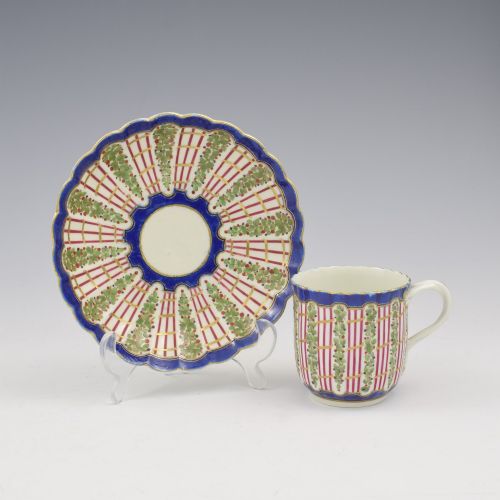
Stylistic influences shift from early cobalt-painted Chinese derivations to later European floral sprays and Sèvres-inspired fluting characteristic of the final decades of the eighteenth century.