
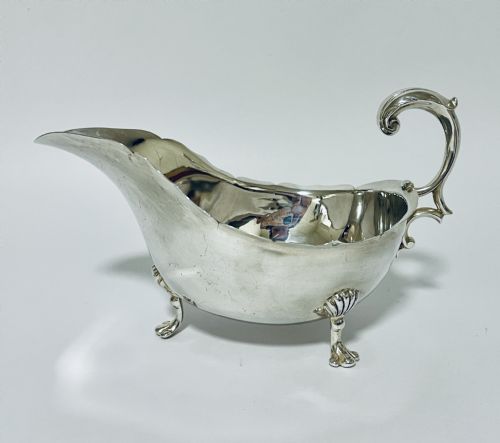
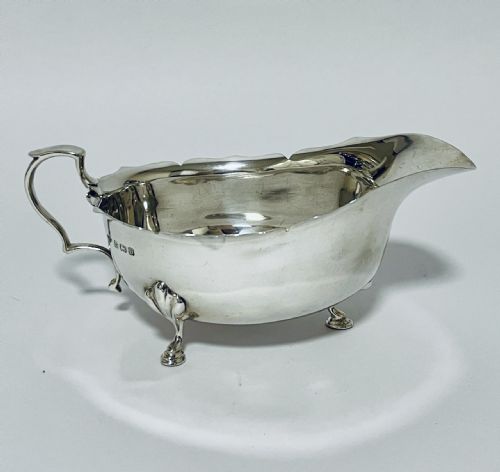


Antique Gravy Boat
An antique gravy boat brings tactile weight and period character to the dining table, offering a functional vessel shaped by centuries of changing silver and ceramic design.
Forms and Periods
An antique gravy boat encompasses vessels designed for serving sauces and condiments across the eighteenth, nineteenth, and early twentieth centuries, appearing in forms from single-lip jugs to double-spouted servers.
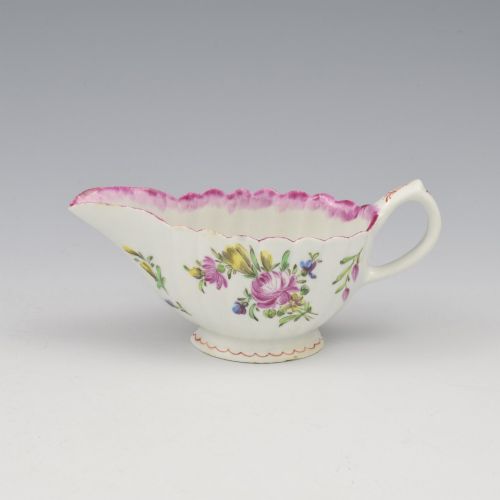
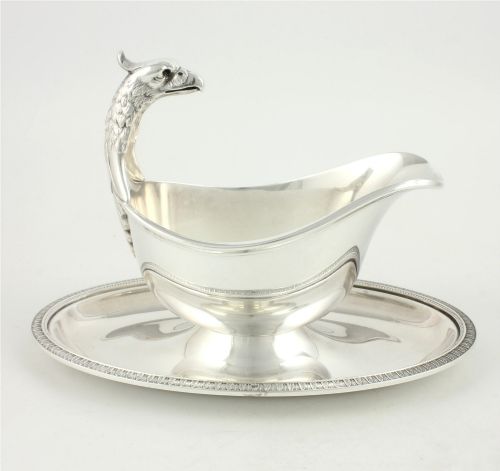
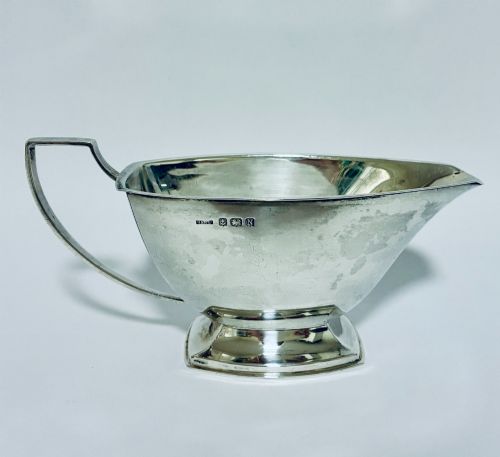
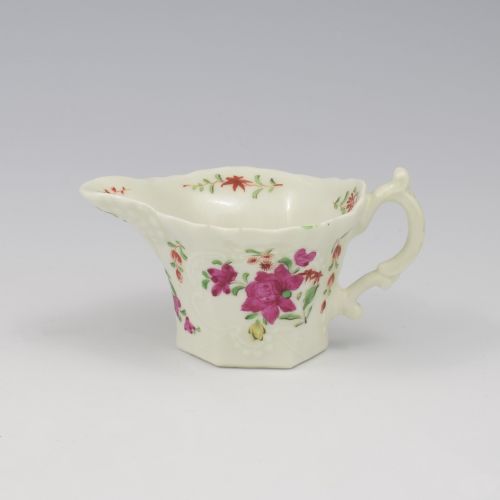
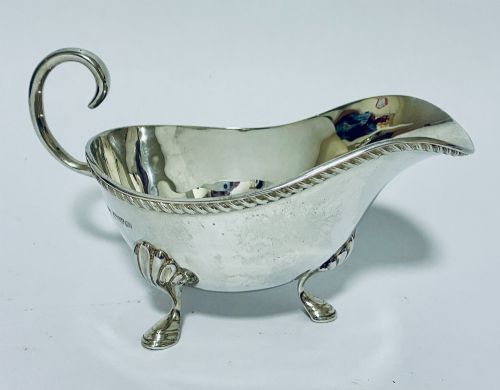
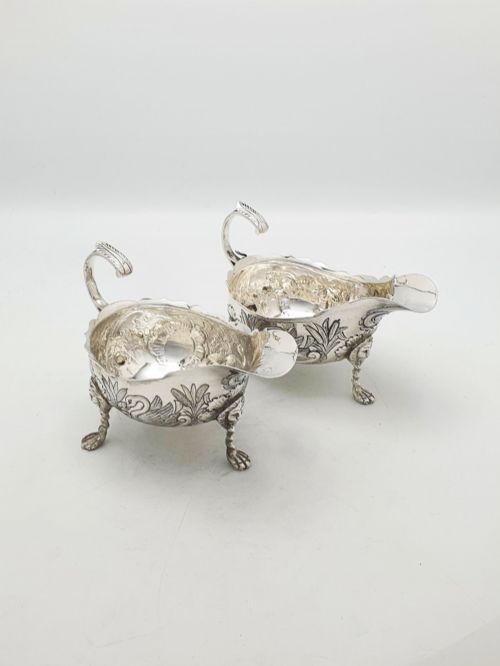
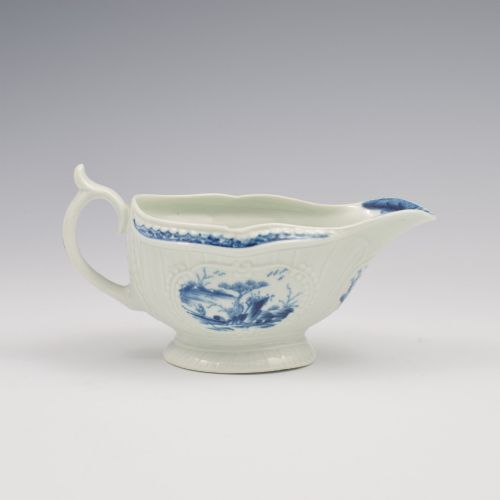
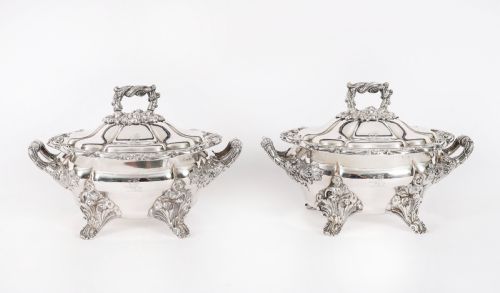
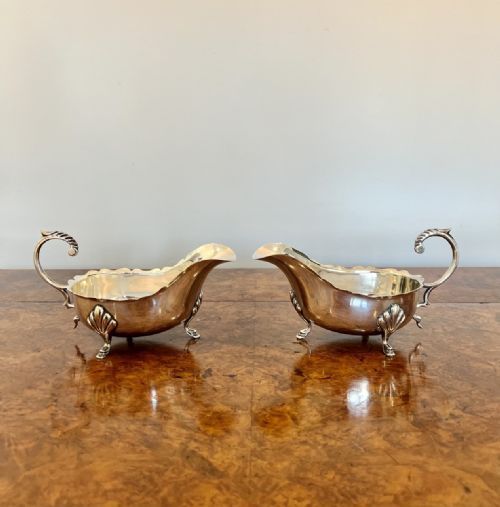
The pieces on this page span the Georgian and Edwardian eras, reflecting stylistic shifts from eighteenth-century soft-paste porcelain decorated with Chinese figures or floral motifs to heavy nineteenth-century sterling silver and silver plate.
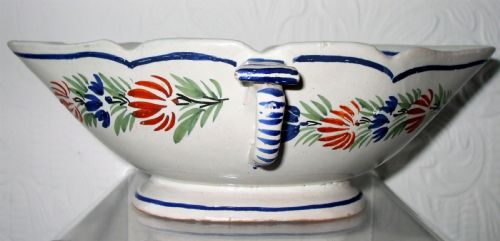
Buyers will encounter English porcelain examples from factories such as Bow and Worcester alongside French faience double sauceboats and American sterling silver pieces.
Materials and Construction
Manufacturing methods divide primarily between ceramic production and metal smithing, utilising soft-paste porcelain, tin-glazed earthenware, sterling silver, and silver plate.
Ceramic pieces involve moulded bodies finished with cobalt glaze or painted enamel decoration, while silver versions rely on hand-hammered and cast techniques, occasionally incorporating figural legs or applied borders.
Retail Price Guide 2026
Typical UK retail prices for gravy boat, calculated from the Sellingantiques database of over a million retail prices indexed since 2003. This retail price guide relies exclusively on Sellingantiques data; no external sources or auction records are used, so the figures do not describe the wider market.
Listings feature items spanning the eighteenth century to the Edwardian period, executed in soft-paste porcelain, sterling silver, and tin-glazed earthenware.
Distinctions in Quality
Quality rests in the crispness of the moulding or the heft of the metal, distinguishing standard utilitarian vessels from pieces displaying refined hand-painted detail or substantial silver weight.
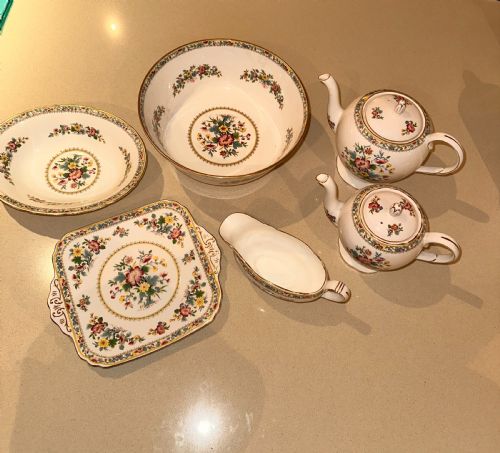
Porcelain examples show quality through the clarity of the cobalt blue or enamel palette and the thinness of the soft-paste body, whereas silver items are measured by the integrity of the casting, handles, and decorative mounts.
Theodore B. Starr·Mappin and Webb·Royal Worcester
The Antique Gravy Boat Glossary
- Soft-paste porcelain
- An artificial ceramic compound fired at lower temperatures than hard-paste porcelain, common in eighteenth-century English factories. It yields a slightly warm body and a soft glaze.
- Tin-glazed earthenware
- Pottery coated with a tin oxide glaze that provides an opaque white surface for painted decoration. This technique underpins traditional European faience.
- Sterling silver
- A silver alloy containing ninety-two point five percent pure silver by mass, valued for durability and lustre in tableware. It forms the primary metal for nineteenth and twentieth-century gravy boats.
- Silver plate
- A base metal layer coated with a thin layer of silver through electroplating or older mechanical methods. It allowed makers to produce visually substantial serveware at a lower cost.
- Double lip
- A vessel configuration featuring spouts at both ends to facilitate passing the boat in either direction along a table. This form appears in both silver and ceramic iterations.
Frequently Asked Questions
How do I clean an antique silver gravy boat?
Clean silver pieces using a soft cloth and a gentle, non-abrasive silver polish formulated for antiques. Avoid harsh dips that strip the natural patination built up over decades of use.
Wash ceramic vessels in warm water with mild soap, avoiding dishwashers to protect vulnerable soft-paste glazes and hand-painted enamels.
Were these vessels used only for gravy?
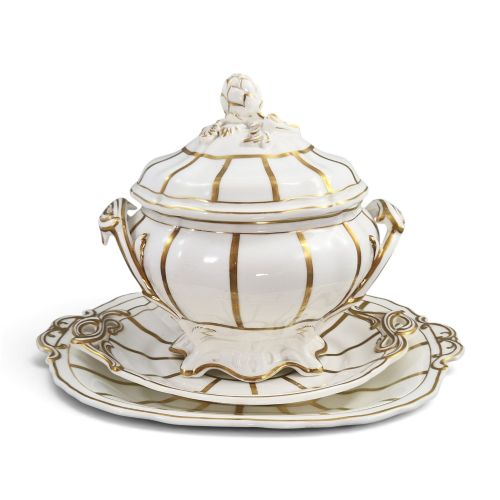
These vessels served a wide range of hot and cold table liquids, including drawn butter, fruit sauces, cream, and thin gravies. The presence of matching underplates on certain ceramic examples indicates their role in catching drips during formal service.
Double-spouted forms allowed diners on both sides of a long dining table to access the contents without awkward passing.
How can I tell an eighteenth-century porcelain boat apart?
Examine the base and body under a strong light to observe the characteristics of soft-paste porcelain, which often displays minor kiln anomalies or unglazed foot rims. Decoration styles, such as blue and white floral transfer prints or painted Chinese figures, correspond to specific periods like the First Period Worcester era.
Consult factory marks where present, though many early pieces relied on stylistic attributes rather than stamped signatures.
Can I use these antique boats for daily dining?
Many solid silver and heavy silver-plated gravy boats remain structurally robust enough for regular contemporary use. Care should be taken with thermal shock, as boiling liquids can stress fragile eighteenth-century soft-paste porcelain.
Hand washing is mandatory for all ceramic and plated pieces to preserve their surfaces and prevent degradation of historic materials.