
Silver Condiment Dish
A silver condiment dish brings polished formality to the table, offering versatile service for salts, mustards and sauces across several centuries of dining history.
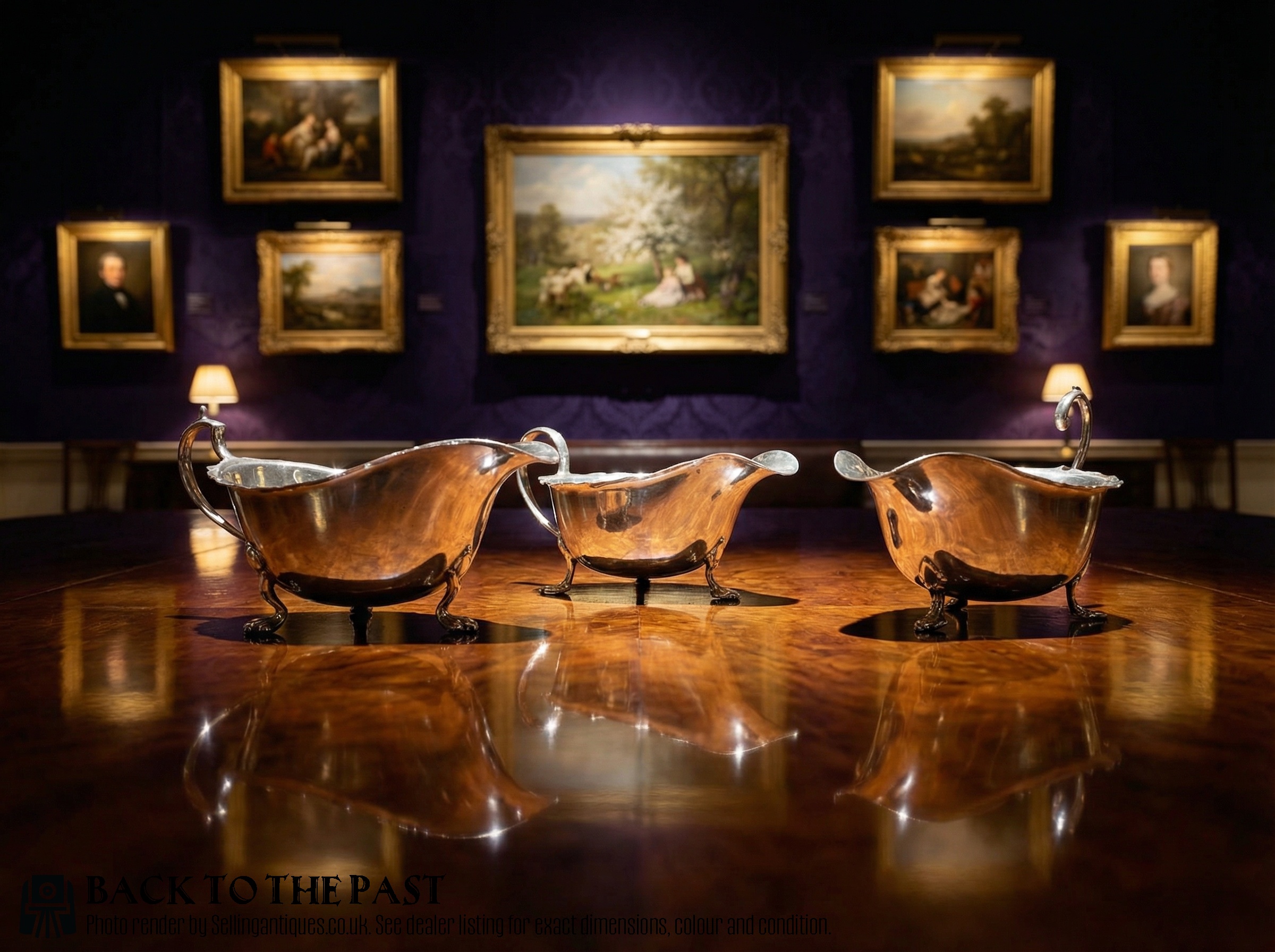
Understanding the Silver Condiment Dish
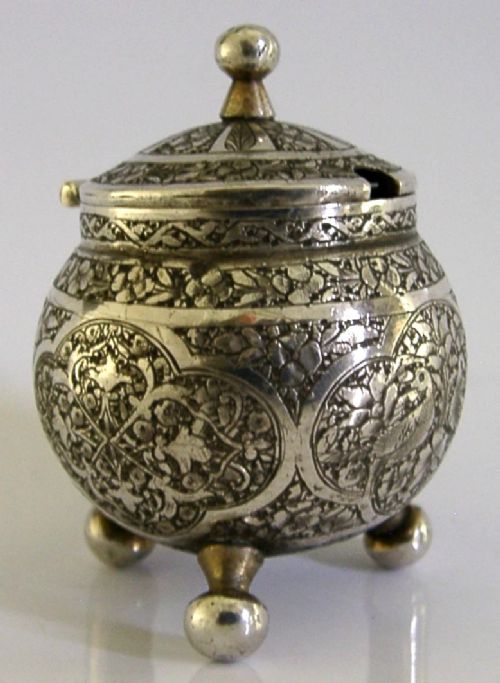
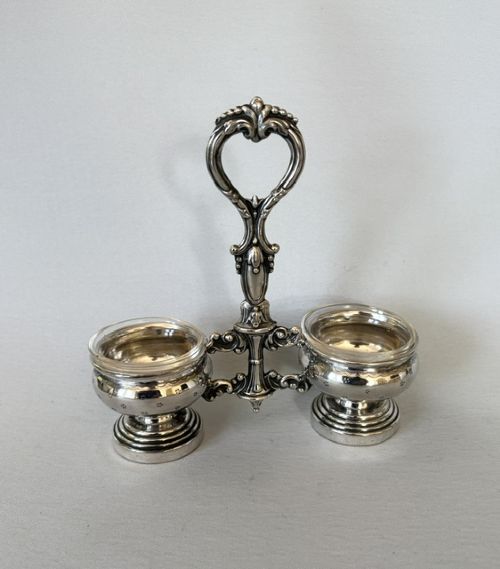
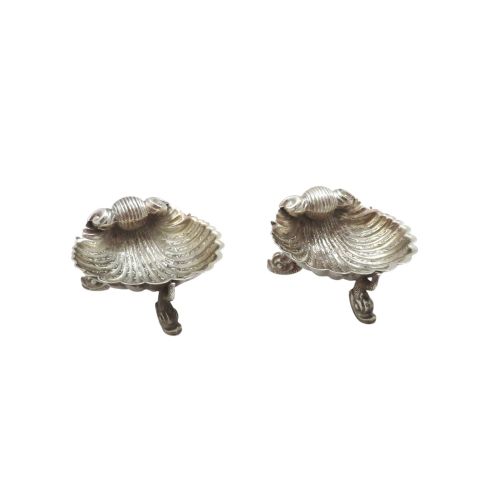
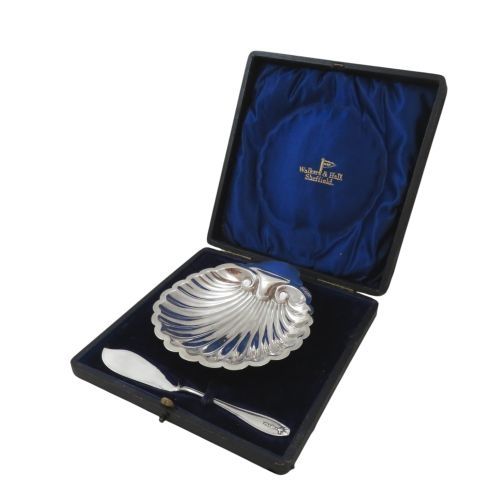
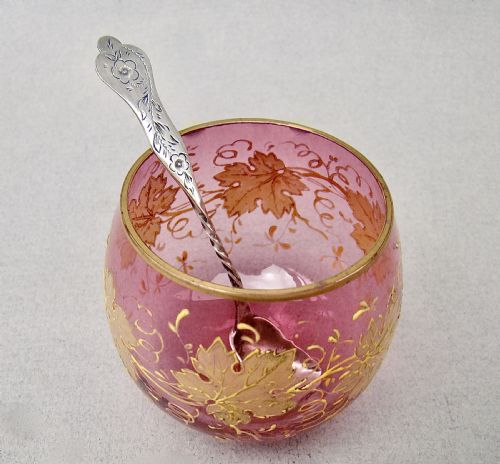
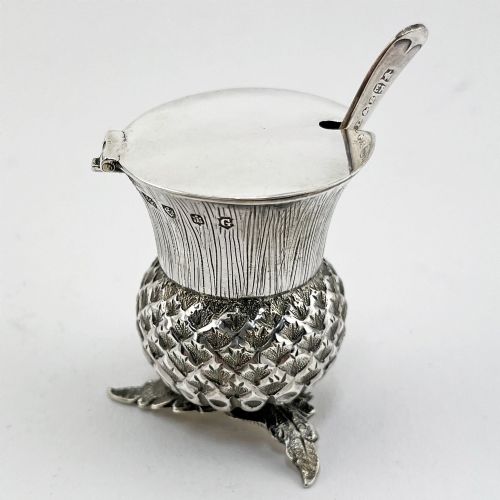
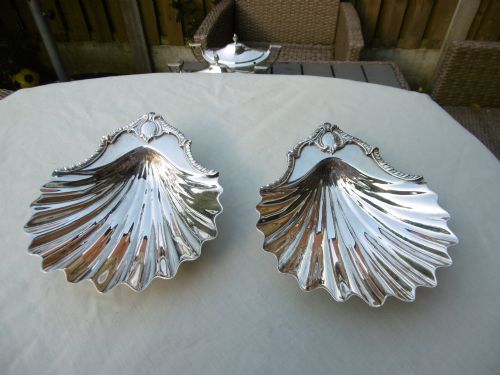
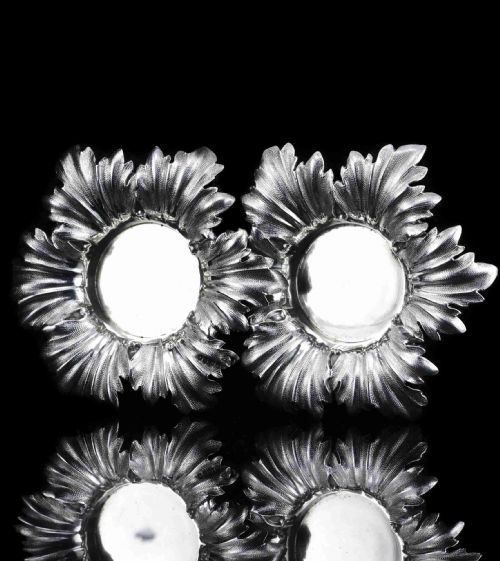
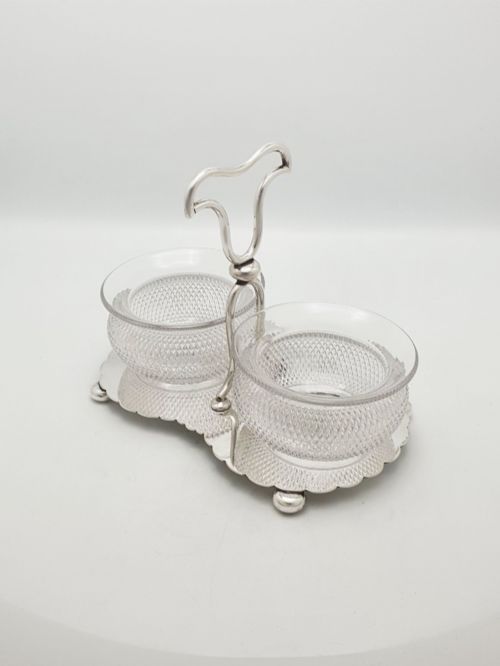
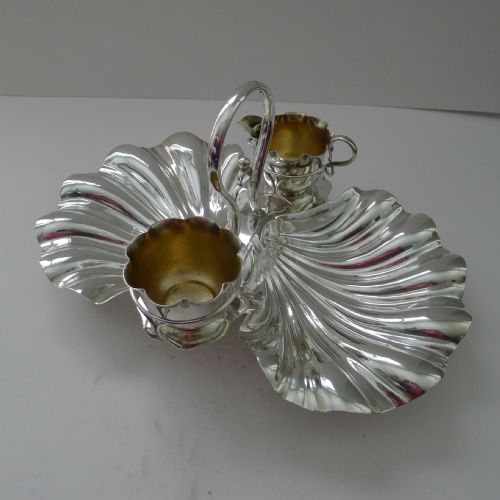
A silver condiment dish encompasses a varied group of dining table accessories, including sauce boats, salt cellars, mustard pots and small individual dishes. When searching for a silver condiment dish, buyers encounter forms ranging from Edwardian silver-plated trios and glass vessels to solid sterling salt cellars and novelty thistle pots.
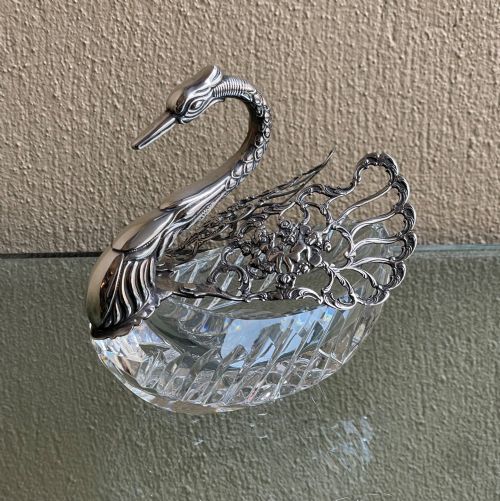
The historical spread reaches from eighteenth-century examples and nineteenth-century Russian and French pieces through to Victorian, Edwardian and mid-twentieth-century designs. Scottish novelty pieces and Spanish silver animal salts demonstrate the playful side of these functional table wares.
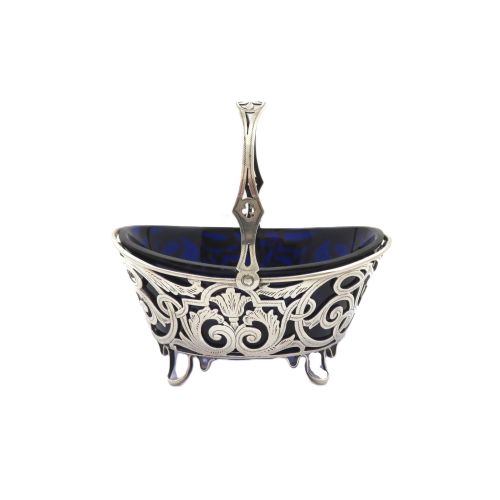
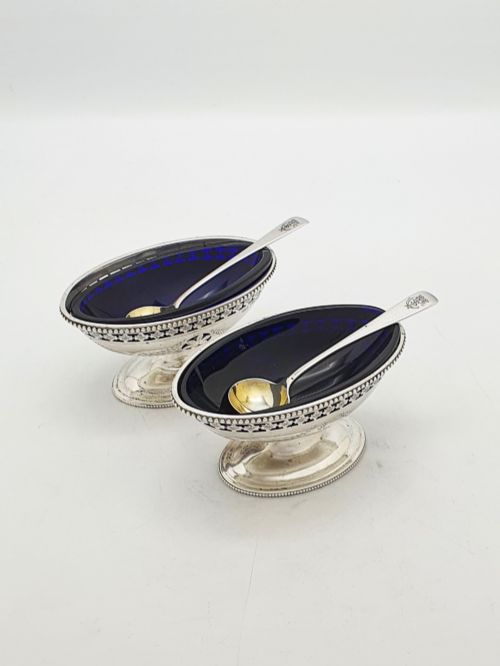
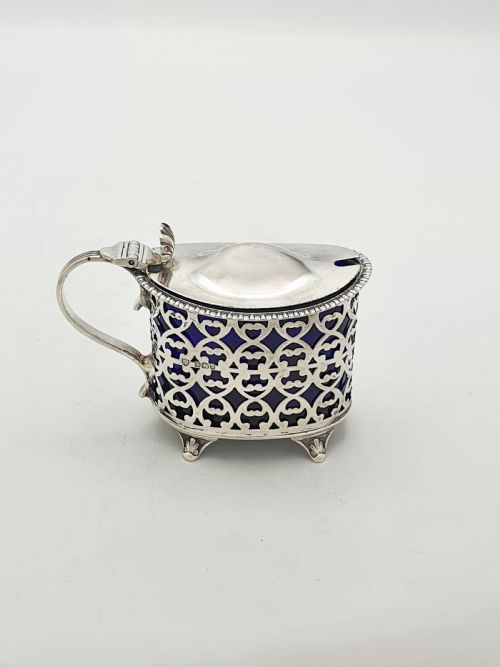
Many of these vessels arrive paired with accompanying silver spoons and coloured glass liners, particularly in cranberry or blue hues. Buyers most frequently meet Edwardian silver-plated sets and Victorian mustard pots on this page, reflecting the domestic habits of past centuries.
Materials and Construction
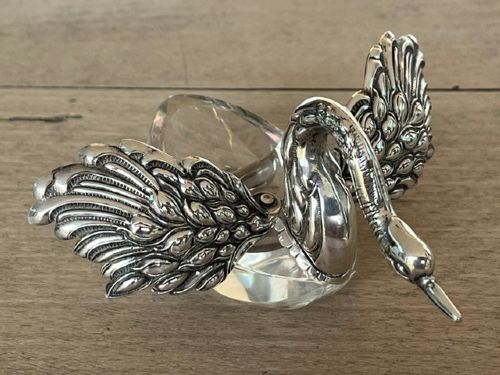
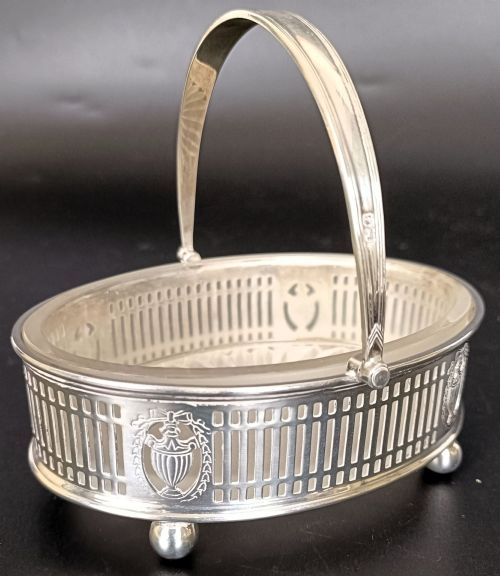
Techniques range from piercing solid metal to shape openwork galleries to intricate silversmithing that forms naturalistic shapes like thistles and swans. Silversmiths combined hand-hammered metals with cast components and fitted matching spoons to complete the service.
Retail Price Guide 2026
Typical UK retail prices for silver condiment dish, calculated from the Sellingantiques database of over a million retail prices indexed since 2003. This retail price guide relies exclusively on Sellingantiques data; no external sources or auction records are used, so the figures do not describe the wider market.
Listings feature items spanning from the eighteenth century through the Victorian, Edwardian and mid-twentieth-century periods in both solid silver and silver plate.
Distinctions in Quality
Quality rests upon the weight of the metal, the crispness of any pierced or chased ornamentation, and the integrity of the fitted glass liners. Heavy-gauge sterling silver and high-standard continental silver indicate superior manufacture compared to thinner plated alternatives.
The presence of original hallmarks, matched spoons and documented provenance elevates an individual piece. Finer examples display meticulous attention to detail in figural forms, such as realistic feather work on avian salts or botanical accuracy on floral novelty designs.
Michael Alexandrovich Romanov·Barnard Brothers·Emile Hugo
The Silver Condiment Dish Glossary
- Salt Cellar
- An open vessel or small bowl designed to hold loose salt at the dining table before the widespread adoption of individual shakers.
- Mustard Pot
- A small covered pot, frequently featuring a glass liner and a notched lid to accommodate a small spoon for prepared mustard.
- Sauce Boat
- A small boat-shaped vessel with a lip and handle, used for serving gravies and liquid condiments.
- Sterling Silver
- An alloy of silver containing ninety-two point five percent pure silver and seven point five percent other metals, usually copper.
- Hallmarks
- Official stamps applied by an assay office to guarantee the purity of precious metal and identify the maker and year.
Frequently Asked Questions
What is a silver condiment dish used for?
These vessels held table condiments such as salt, mustard and sauces during formal dining.
They allowed guests to serve themselves small portions alongside their meals.
How do I identify an Edwardian silver condiment dish?
Edwardian pieces often feature bright-cut engraving, pierced galleries or combination forms involving cut glass.
Assay office hallmarks and date letters stamped into the metal confirm the exact decade of manufacture.
Did glass liners always accompany these dishes?
Many open salt cellars and sauce dishes utilised removable glass liners to protect the silver from corrosive salts and vinegars.
Liners appeared in clear, cranberry and blue glass depending on the period and style.
How should I care for antique silver and glass?
Wash silver gently in warm soapy water and dry thoroughly with a soft cloth to preserve the finish.
Avoid abrasive polishes that can wear away crisp hallmarks and delicate hand-chased details.