
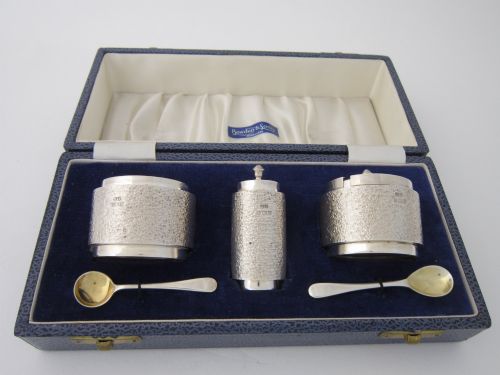


Solid Silver Mustard Pot
A solid silver mustard pot brings miniature architectural flair and gleaming metalwork to the dining table.
What They Are
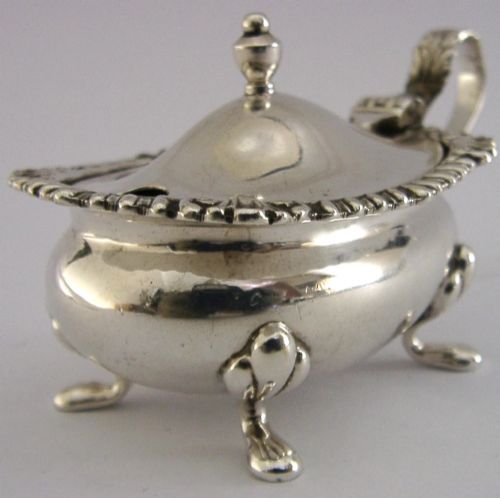
A solid silver mustard pot serves as a traditional condiment vessel designed to hold prepared mustard on the dining table. These pieces span several distinct eras, including the Georgian, Regency, Victorian, and twentieth-century periods.
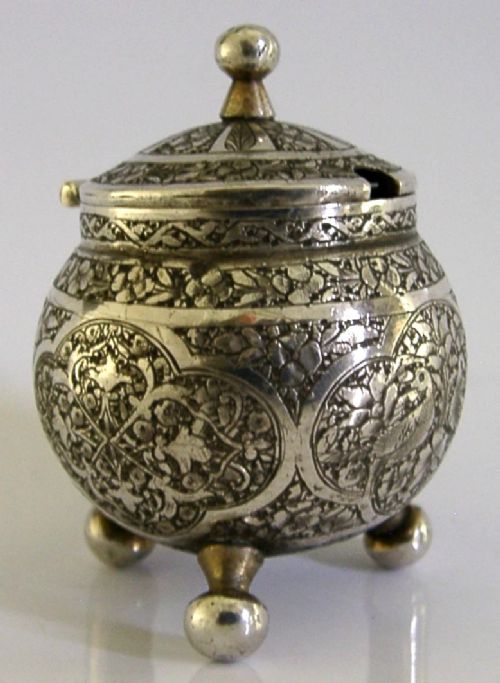
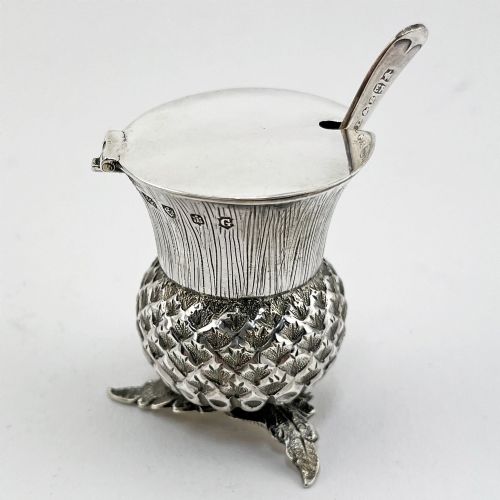
The selection includes conventional forms alongside novelty designs such as thistle shapes and pagoda structures. Most examples pair a silver body with a contrasting material.
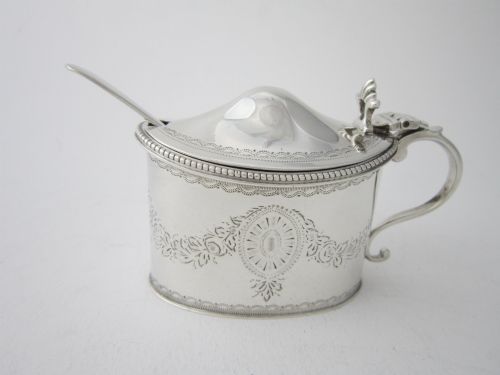
Makers produced these mustard pots in various weights, ranging from lighter domestic tablewares to heavier presentation pieces. Collectors encounter both plain oval vessels and highly decorative ornamented styles.
How They Were Made
Silversmiths utilised sterling silver and standard silver to shape the bodies of these mustard pots, frequently employing casting and smithing techniques. Many examples incorporate fitted glass liners held securely within the pierced or solid metal framework.
Makers integrated hinged lids, delicate handles, and custom spoons to complete each piece. Specialised motifs, such as thistle heads or architectural pagoda tiers, required careful hand-chasing and engraving.
Retail Price Guide 2026
Typical UK retail prices for solid silver mustard pot, calculated from the Sellingantiques database of over a million retail prices indexed since 2003. This retail price guide relies exclusively on Sellingantiques data; no external sources or auction records are used, so the figures do not describe the wider market.
Some Victorian diners preferred their mustard served from a prickly silver thistle.
What Varies in Quality
Quality rests in the substantial weight of the metal and the crispness of any chased or pierced decoration. Pieces featuring robust gauge silver and intact, well-fitted blue glass liners stand apart from lighter domestic items.
Design ambition dictates the upper tiers of the range, where unusual novelty forms or named makers elevate a standard table condiment into an inventive sculptural object.
Elkington and Company·Alexander Macrae·Barnard
The Solid Silver Mustard Pot Glossary
- Sterling silver
- A silver alloy containing ninety-two point five percent pure silver by mass, ensuring durability for tableware. This standard metal forms the basis of most British condiment pots.
- Glass liner
- A removable insert, often coloured blue, placed inside the silver mustard pot to protect the metal from acidic condiment contents. These liners slide out easily for washing.
- Condiment pot
- A small table vessel designed to hold sauces, salt, pepper, or mustard during a meal. Mustard pots represent one specific member of this wider dining family.
- Novelty design
- An antique shaped to resemble an animal, plant, or building rather than adopting a standard geometric silhouette. Scottish thistle forms provide a notable example in this category.
- Chasing
- A metalsmithing technique where the artisan punches and hammers the metal from the exterior to raise decorative surface patterns. This ornamentation adds texture without removing material.
Frequently Asked Questions
How were these antique pots used?
Dining traditions required mustard pots to hold prepared table mustard for guests to spoon onto their plates. They occupied a central place on the dining table alongside other condiment servers.
The accompanying spoon allowed diners to transfer the condiment neatly without contaminating the main supply.
Do all mustard pots need glass liners?
Not all mustard pots contain liners, but many period examples incorporate removable glass inserts. These glass vessels protected the sterling silver from the corrosive acids present in mustard.
When a liner is present, it lifts out easily for cleaning after use.
How do I identify the period of a piece?
Makers applied hallmarks to solid silver items to indicate the assay office, standard of silver, and year of manufacture. Examining these tiny stamped symbols reveals the exact date and location of production.
Stylistic cues, such as Regency lines or Art Deco geometry, also help assign pieces to their correct historical eras.