


Silver Mustard Pot Spoon
A silver mustard pot spoon is a small, indispensable implement designed for dining tables, offering both function and decorative charm.
The Form and Character of a Silver Mustard Pot Spoon
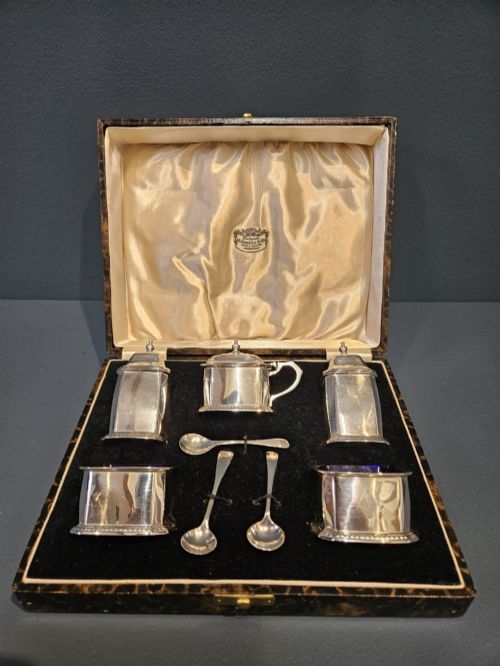
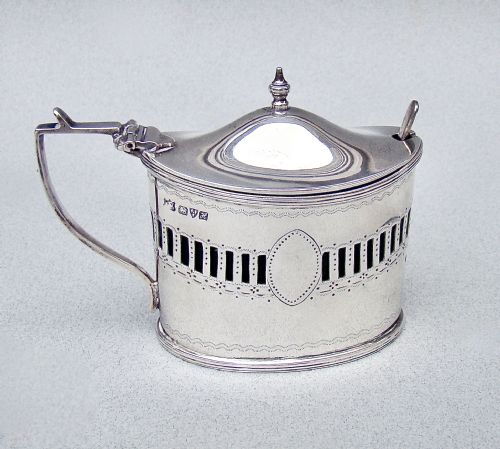
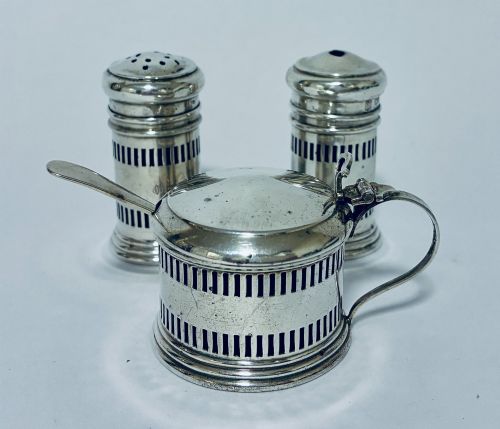
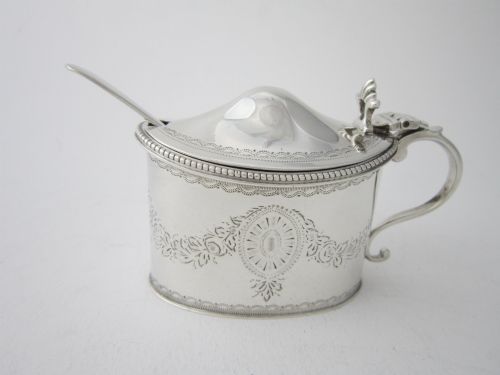
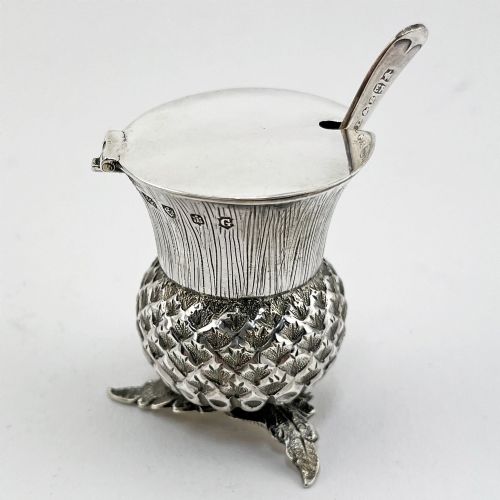
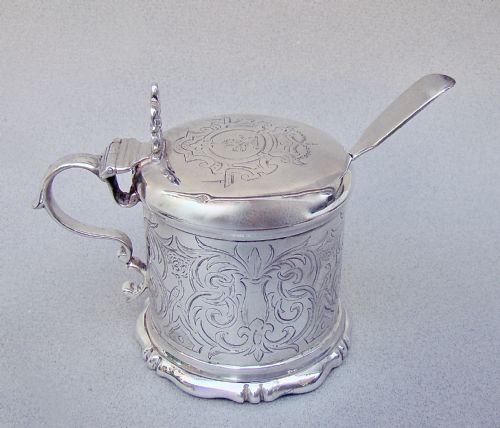
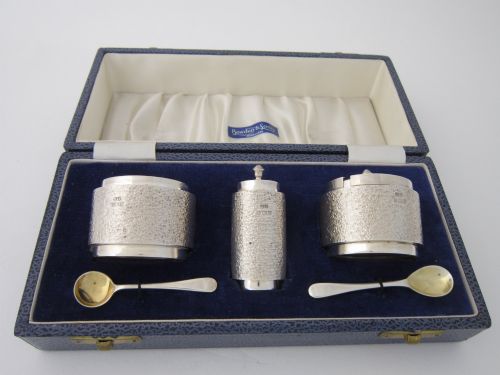
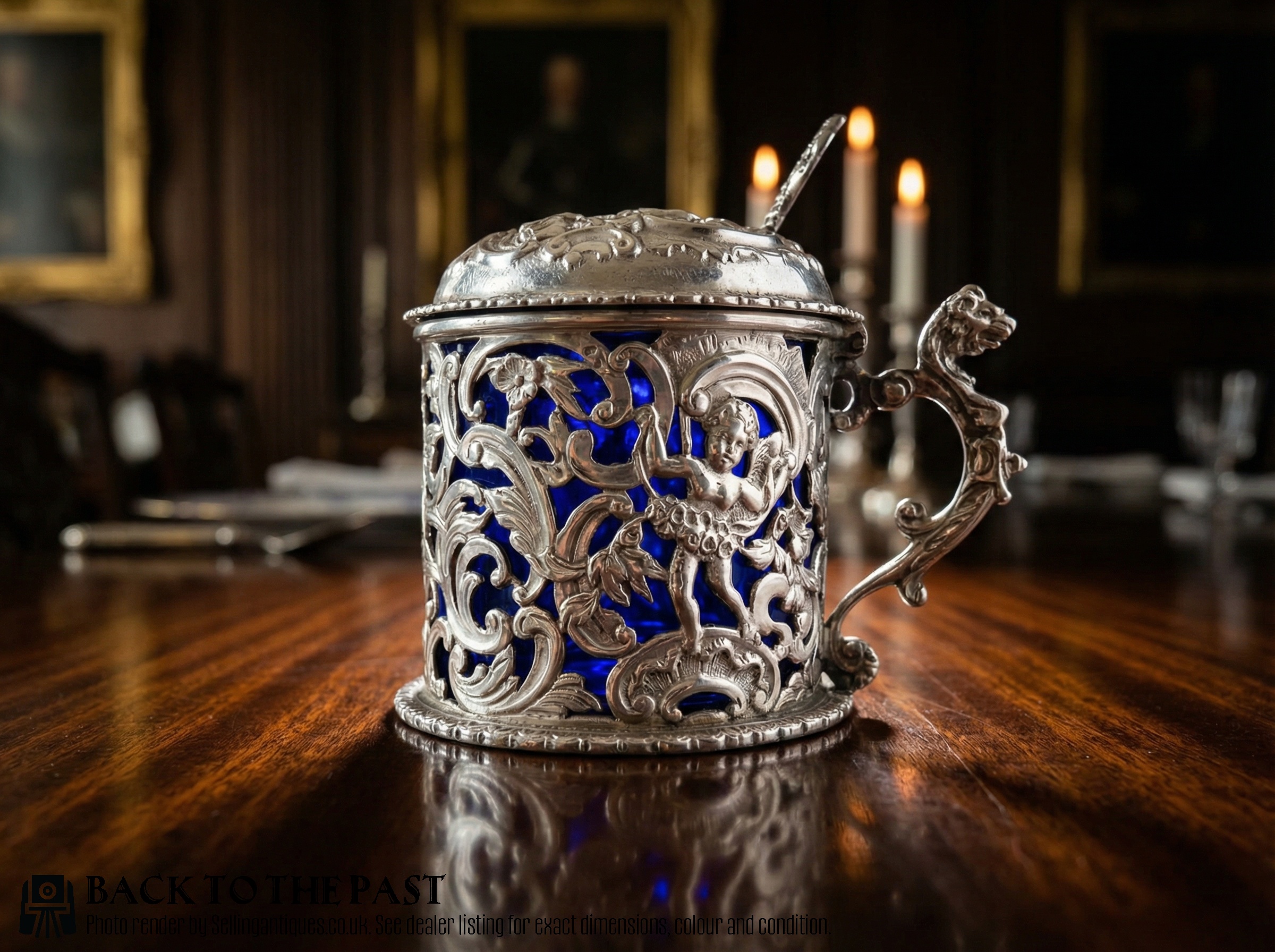
A silver mustard pot spoon is an essential dining table accessory encountered primarily within historical cruet sets and alongside individual condiment containers. When you examine a silver mustard pot spoon, you find formats ranging from plain Georgian shovels to Edwardian and Victorian creations accompanying glass liners and novelty forms.
These items emerge from periods spanning the late eighteenth century through the mid-twentieth century, encompassing Victorian, Edwardian, George V, and Mid-Century Modern eras. The pieces you encounter most frequently on this page reflect Victorian and George V domestic dining traditions, often paired with pierced bodies or blue glass liners.
Distinguishing Quality Across the Range
Quality in these implements rests upon the weight of the metal, the crispness of any pierced decoration, and the harmony between the spoon and its container. Superior examples display substantial gauge silver and careful finishing rather than thin, pressed metal.
The presence of matching hallmarks, original glass liners, and distinctive novelty designs elevates certain pieces above standard utility items. The integration of design elements, such as naturalistic thistle motifs or cherub engravings, separates standard production from finer work.
Retail Price Guide 2026
Typical UK retail prices for silver mustard pot spoon, calculated from the Sellingantiques database of over a million retail prices indexed since 2003. This retail price guide relies exclusively on Sellingantiques data; no external sources or auction records are used, so the figures do not describe the wider market.
Victorian dining tables once featured mustard pots shaped like coal scuttles and eggs.
Bricks And Sons·Sarah And John Blake·Barnard
The Silver Mustard Pot Spoon Glossary
- Cruet set
- A collection of glass or ceramic bottles and pots mounted in a silver frame for holding condiments at the dining table. These sets typically include containers for mustard, oil, vinegar, pepper, and salt.
- Sterling silver
- An alloy of silver containing ninety-two point five percent silver and seven point five percent other metals, usually copper. This standard ensures the durability required for functional domestic tableware.
- Hallmark
- An official stamp applied by an assay office indicating the purity of the metal, the maker, and the year of production. These marks provide the primary evidence for dating silver objects.
- Novelty
- An object shaped to resemble a recognizable item outside normal tableware conventions, such as a coal scuttle, egg, or thistle. These pieces combine playful design with practical function.
- Pierced work
- A decorative technique involving cutting patterns through the metal sheet to create openwork designs. This method lightened the appearance of heavy mustard pots and displayed the coloured glass liner within.
Frequently Asked Questions
What is a mustard pot spoon used for?
These miniature spoons serve to transfer prepared mustard from a container to the diner's plate without contaminating the main supply.
Their compact size ensures they fit neatly inside small pots alongside glass liners and hinged lids.
How do I know if the spoon is original to the pot?
Matching a spoon to a mustard pot involves comparing the silver standard, the style of decoration, and the assay office marks if present.
Consistent wear patterns and identical periods of manufacture also suggest the pieces belong together.
What periods do these spoons come from?
The available pieces originate primarily from the Victorian, Edwardian, and George V eras, alongside occasional Georgian and Mid-Century examples.
Design characteristics and hallmarks help distinguish the nineteenth-century pieces from later twentieth-century productions.
How should I clean silver mustard spoons?
Maintenance requires gentle washing in warm soapy water followed by drying with a soft cloth to protect the metal surface.
Harsh abrasive dips should be avoided, particularly on items featuring gold plating or delicate glass components.