

Decorative Silver Dish
A decorative silver dish brings centuries of metalwork tradition into a room, offering surface, form and reflection.
Decorative Silver Dish
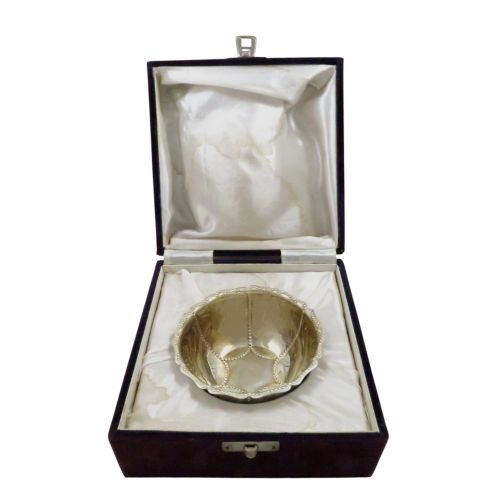
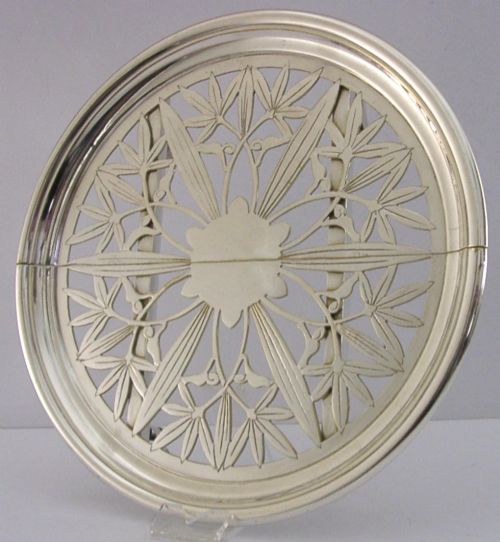
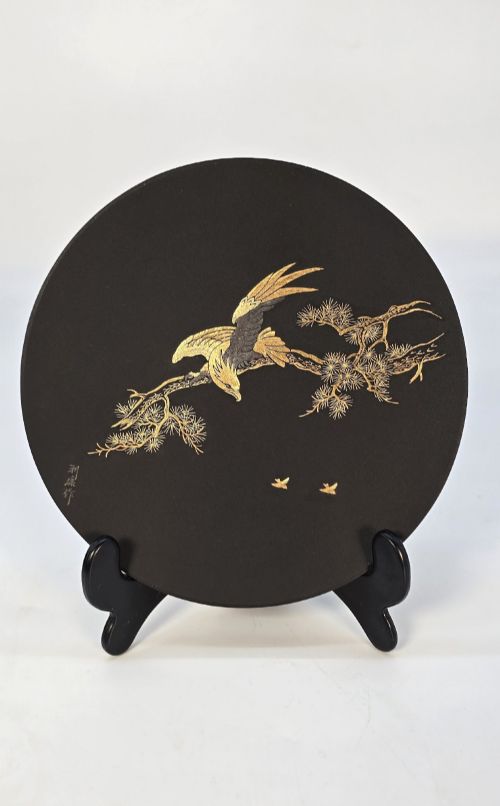
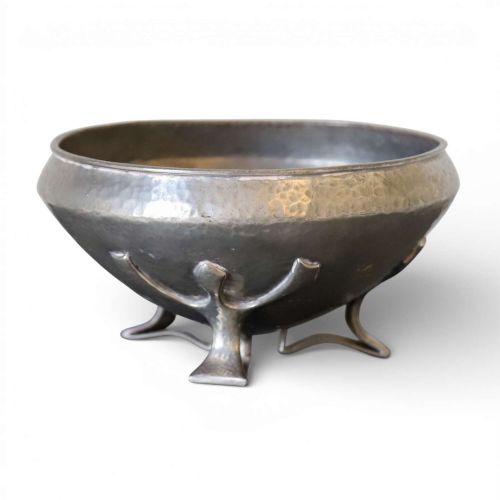
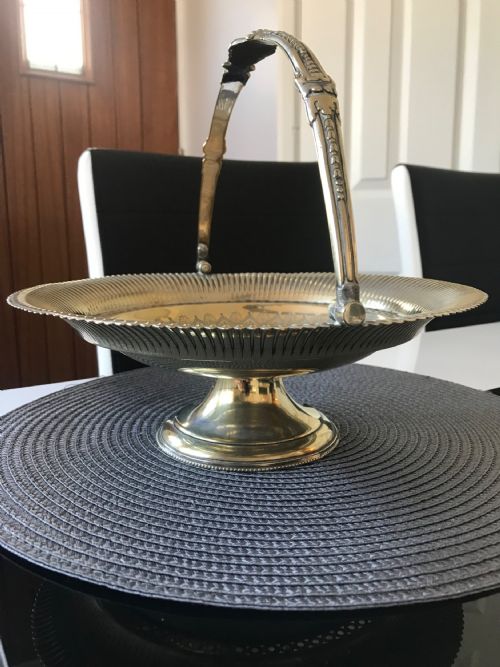
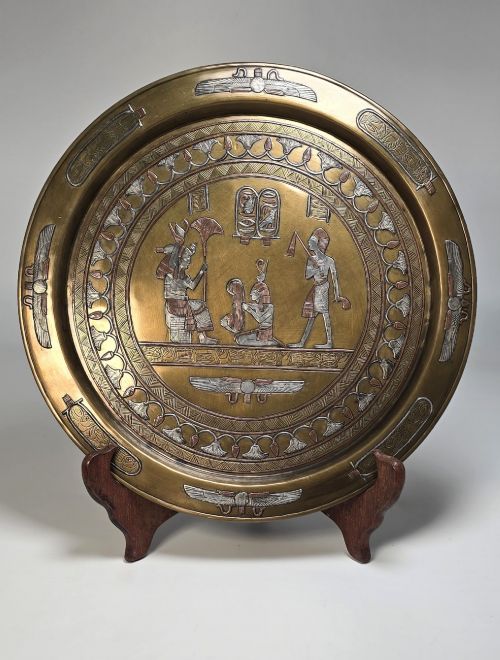
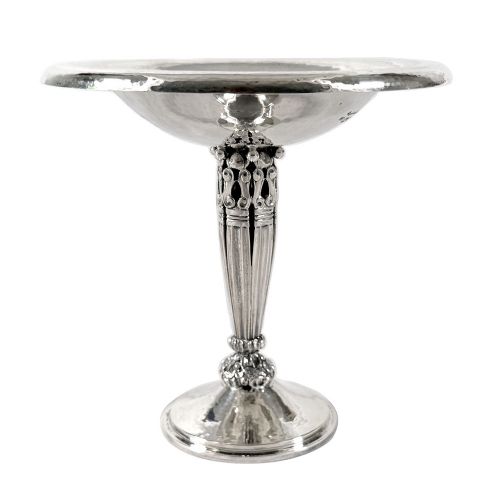
A decorative silver dish encompasses a wide variety of vessels made for display, holding small items, or serving food, appearing in forms such as bowls, chargers, tazzas, and trays. When searching this phrase, buyers encounter items produced across numerous periods, ranging from Victorian and Edwardian examples to Art Nouveau, Art Deco, and mid-century modern designs.
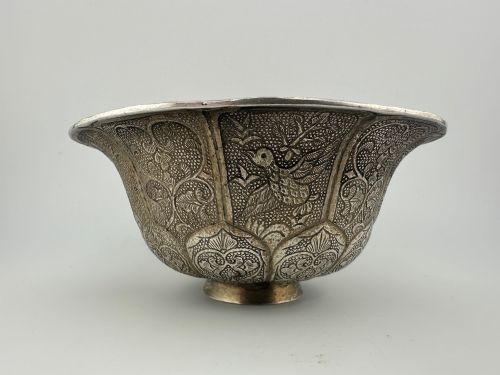
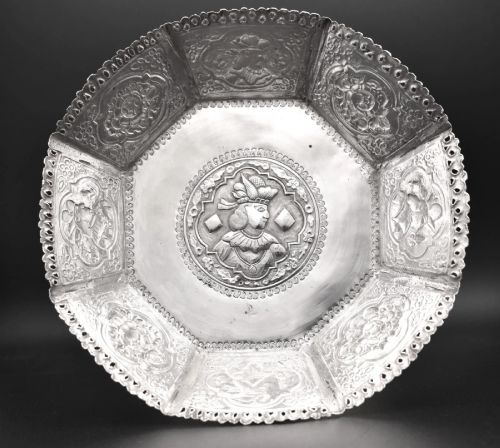
The materials span solid silver and sterling silver alongside silver plate, pewter, brass, copper, glass, and mixed metals, reflecting global manufacturing traditions. Pieces originate from Britain, continental Europe, Asia, and the Middle East, including Chinese export wares, Japanese metalwork, and Anglo-Indian repoussé bowls.
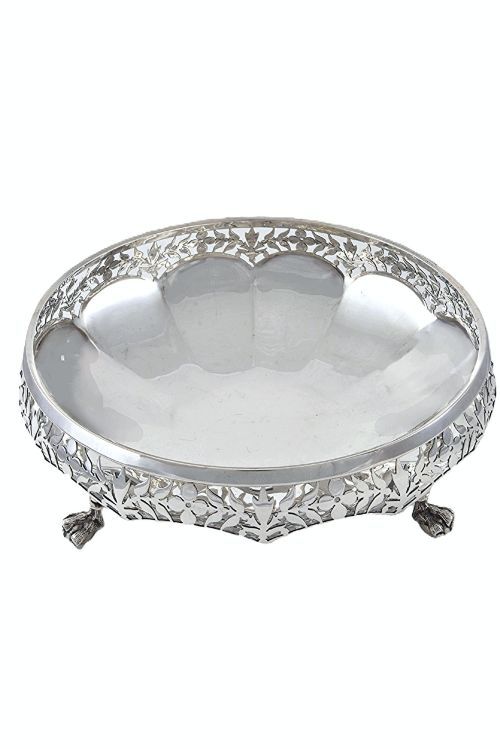
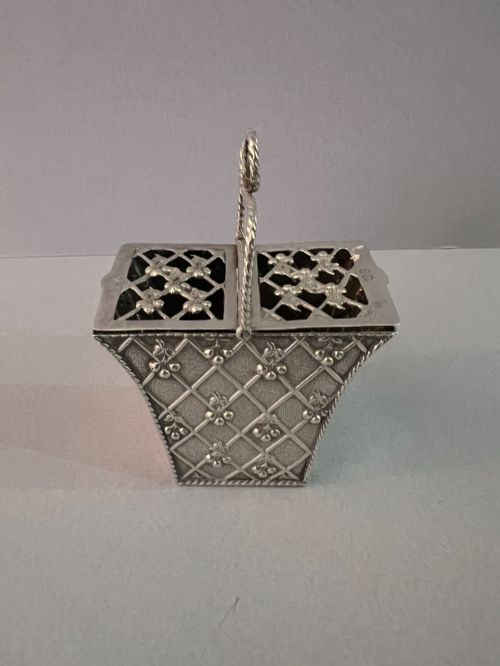
Vessels take many functional shapes, from small trinket boxes and vide poche dishes to large centrepieces, fruit baskets, and footed bowls. The selection includes works by notable makers and retail houses, as well as unlabelled artisan pieces from regional workshops.
How they were made
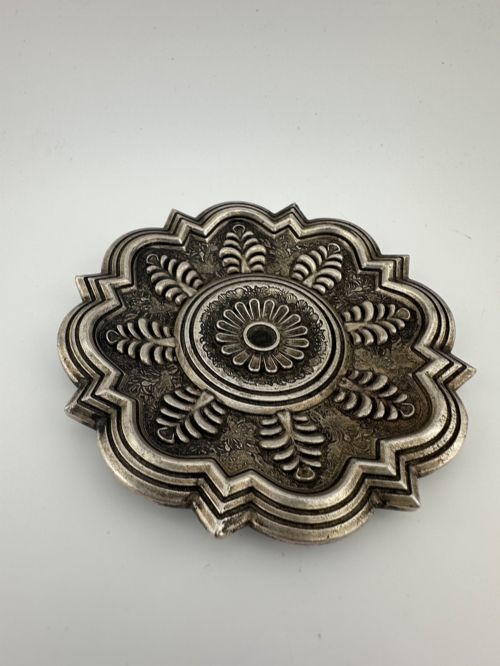
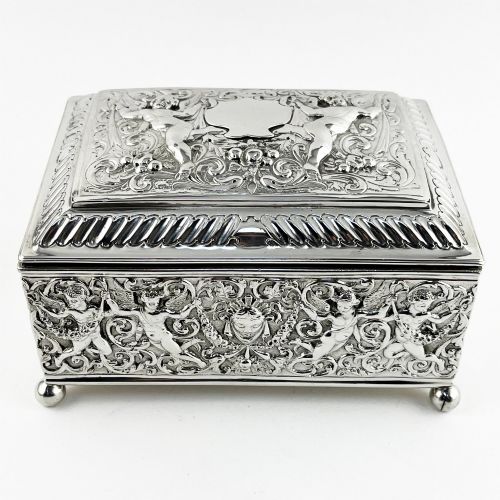
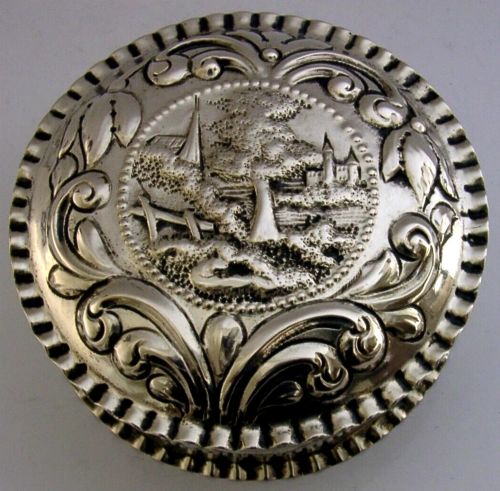
Makers utilised techniques such as hand-hammering, repoussé, casting, and silver-plating over base metals like bronze, copper, pewter, or Britannia metal. Surface ornamentation often involved intricate chasing, gold and silver inlay, patination, piercing, and figural casting.
Combinations of materials are frequent, pairing silver or silver plate with glass, rock crystal, ceramics, stoneware, wood, and iron. Construction methods range from traditional hand-crafting by silversmiths to industrial plating and metalworking processes developed by major European firms.
The listings feature objects spanning from the eighteenth century through to the mid-twentieth century, encompassing solid silver, silver plate, pewter, copper, glass, and stoneware.
What varies in quality
Quality rests upon the depth and precision of the surface decoration, the integrity of the underlying metal or mixed materials, and the weight of the piece. Hand-chased repoussé work and intricate cast figural scenes demonstrate superior craftsmanship compared to simpler pressed or stamped items.
The reputation of the maker, silversmith, or retail firm significantly influences the standing of an object. Preservation of original patination, minimal wear to silver plating, and the retention of associated components such as glass liners or fitted cases also separate standard items from finer examples.
Liberty & Co Tudric·Charles Boyton·Tiffany & Co·Elkington & Co·William Comyns
The Decorative Silver Dish Glossary
- Repoussé
- A metalworking technique where the artisan hammers the design from the reverse side to form a raised relief on the front. This method creates tactile, highly detailed surface patterns.
- Tazza
- An Italian term for a shallow bowl or cup mounted on a foot and stem, typically used for display or serving. These elevated vessels often feature decorative rims and pierced work.
- Vide poche
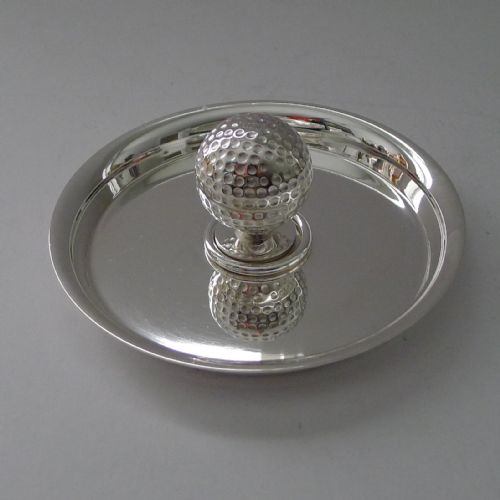
- French for empty pocket, a small dish or tray placed in an entrance hall or living space to hold loose items like coins and keys. They appear in silver plate and metal from mid-century designers.
- Charger
- A large ornamental plate or shallow dish traditionally placed under other courses or displayed on a sideboard. They often display elaborate figural scenes, floral borders, or metal inlay.
- Britannia metal
- A tin-based alloy used as a base metal for silver plating, popular among turn-of-the-century manufacturers. It provides a smooth surface that mimics solid silver.
Decorative Silver Dish: Frequently Asked Questions
What is a decorative silver dish used for?
These vessels serve primarily as ornamental objects for display on tables, sideboards, and walls, or as functional containers for small personal items.
Historically, specific forms were designated for holding fruit, sweets, potpourri, calling cards, or jewellery, while larger chargers acted as standalone decorative centrepieces.
How do I care for silver plated and solid silver dishes?
Maintenance requires gentle cleaning with appropriate silver polishes designed to preserve the metal surface and any underlying plating. Avoid abrasive cloths or harsh chemicals that can wear down thin layers of silver or damage patinated finishes on copper and bronze.
For pieces combining silver with glass, wood, or fabric liners, cleaning methods should be adapted to suit each individual material.
How can I tell the difference between solid silver and silver plate?
Hallmarks stamped into the metal usually indicate solid sterling silver, showing standards such as a lion passant for British manufacture or numerical purity marks. Silver plated items generally feature manufacturer marks that denote plating techniques rather than precious metal purity standards.
Inspecting edges or areas of wear can also reveal the base metal beneath a silver-plated surface.
What periods do these decorative dishes come from?
The selection spans multiple centuries, with significant representation from the Victorian and Edwardian eras, alongside earlier Georgian and eighteenth-century pieces. Twentieth-century movements are also well represented through Art Nouveau, Art Arts & Crafts, Art Deco, and mid-century modern designs.
Stylistic markers and manufacturing techniques help distinguish between nineteenth-century revival styles and later modernist works.