


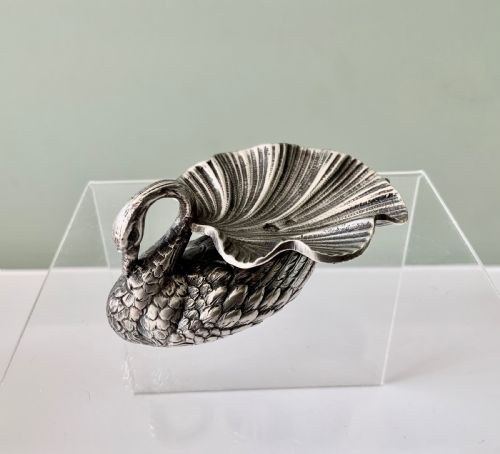

Silver Salt Vessel
A silver salt vessel brings traditional elegance to any dining table, combining precious metal with practical form.
Silver Salt Vessel
When you search for a silver salt vessel, you encounter a variety of forms designed to hold seasoning on the dining table. The listings demonstrate that these items frequently appear as mustard pots, condiment pots, and open salt cellars spanning several centuries. Victorian and Georgian examples dominate the selection, showing how dining customs evolved from communal vessels to individual place settings.
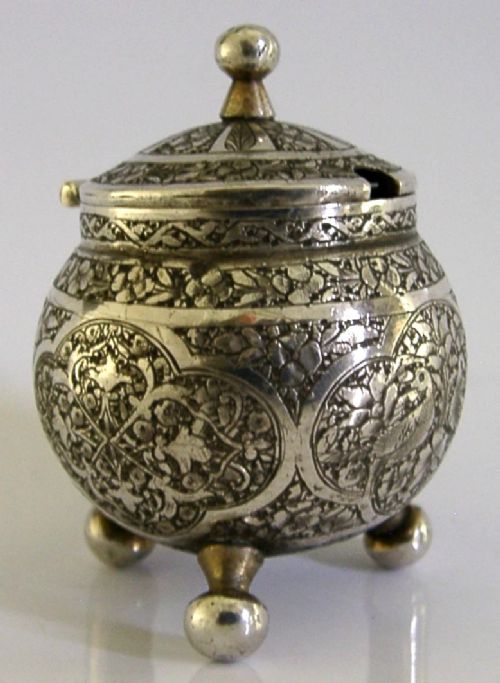
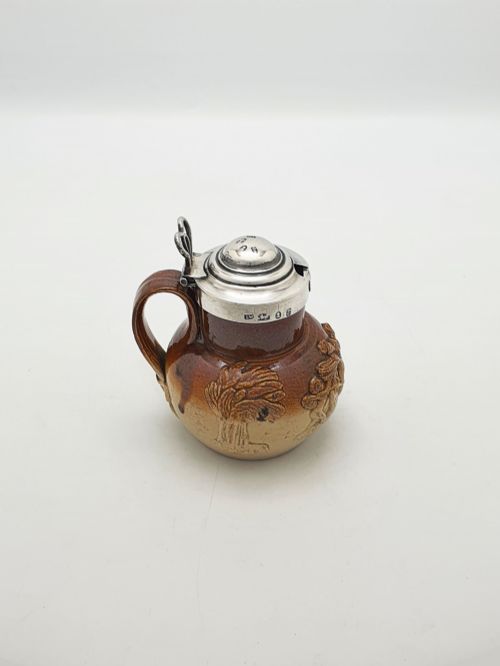
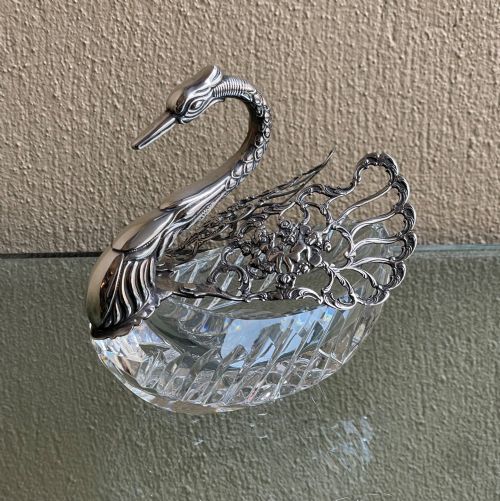
Beyond standard pots, the evidence includes decorative dishes shaped like swans and Viking longships, alongside stoneware jugs and beakers fitted with silver collars. These pieces range from restrained early Victorian pierced designs to ornate Ottoman and Rococo Revival styles. Buyers are most likely to meet solid sterling silver and silver plate constructions, often paired with glass liners.
The origins of these pieces span domestic British silver smithing from Birmingham alongside continental and Eastern production. Whether handling a heavy 19th-century French pair or a Doulton Lambeth stoneware beaker with silver mounts, each object reflects the specific dining habits of its period.
Materials and construction methods
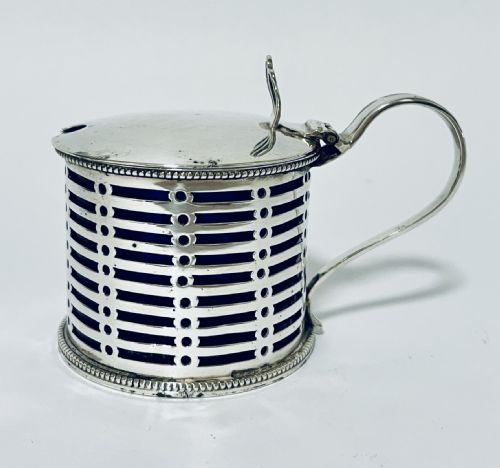
Makers utilised sterling silver and silver plate as the primary structural and decorative metals, frequently shaping them through casting, piercing, and hammering. Pierced silverwork creates intricate patterns that reveal contrasting interiors, often lined with coloured glass such as cobalt. This combination of metal and glass protects the silver from corrosive salts while adding visual depth.
Stoneware and cut glass serve as body materials in specific pieces, notably Doulton Lambeth jugs and swan dishes. These non-metal bodies receive bespoke silver collars, hinged lids, and rims that require precise fitting by silversmiths. Such mixed-media construction demonstrates the collaborative skill of potters and metalworkers during the Georgian and Victorian eras.
Listings feature periods spanning from Georgian and Victorian eras through to the mid-twentieth century, incorporating sterling silver, stoneware, and cut glass.
Distinctions in craftsmanship and design
Quality in a silver salt vessel rests upon the crispness of the piercing, the heft of the solid silver, and the structural integrity of hinged elements. Superior examples display sharply defined Rococo revival ornamentation or meticulous Ottoman chasing rather than soft, worn casting lines. The thickness of the silver gauge dictates how well the piece survives heavy daily use over generations.
The integration of secondary materials like cut glass and cobalt liners separates standard utility pieces from finer decorative works. Well-fitted silver mounts on stoneware or glass demand exact silversmithing to ensure secure attachment without adhesive. Maker attribution, such as documented Birmingham silver workshops, further elevates the standing of an individual piece.
Heath and Middleton
The Silver Salt Vessel Glossary
- Sterling silver
- A silver alloy containing 92.5 percent pure silver and 7.5 percent other metals, usually copper, chosen for durability.
- Cobalt glass
- A deep blue glass frequently utilised for liners inside open salt cellars and mustard pots to provide a striking contrast.
- Pierced work
- A decorative technique involving the cutting or piercing of openings through the silver wall to create intricate patterns.
- Silver plate
- A base metal foundation coated with a thin layer of silver, offering the visual appeal of solid silver at a different cost.
- Condiment pot
- A small table vessel designed for holding seasonings such as mustard, salt, or pepper during meals.
Silver Salt Vessel: Frequently Asked Questions
What is a silver salt vessel used for?
These vessels held salt and other table seasonings before the invention of modern free-flowing table shakers. They sat upon dining tables for guests to spoon or pinch seasoning onto their plates.
Over time, the forms expanded to include mustard pots and condiment containers with fitted spoons. Their design reflects the changing formality of historic dining rituals.
How do I clean antique silver?
Antique silver requires gentle cleaning with specialised silver cloths to remove tarnish without stripping the underlying metal. Avoid harsh chemical dips that can damage historic patinas and delicate pierced work.
Glass liners should be removed and washed separately in warm soapy water. Dry all components thoroughly before reassembly to prevent moisture retention.
Are glass liners original?
Many surviving salt cellars and mustard pots retain their original cobalt or clear glass liners, which protected the silver from corrosion. Replacement liners are common due to the fragile nature of glass over centuries of use.
A snug fit within the silver frame usually indicates a correct period or custom-made replacement.
How do I date these pieces?
Dating relies upon hallmarks stamped into the silver, which record the assay office, date letter, and maker's mark. Pieces lacking full hallmarks are dated through stylistic clues, such as Rococo revival motifs or Victorian manufacturing techniques.
Associated materials like stoneware or cut glass also provide contextual clues regarding the period of production.