


Vintage Coin Tray
A vintage coin tray gathers loose change and pocket items with unmistakable style, spanning heavy silver to carved mahogany.
Vintage Coin Tray
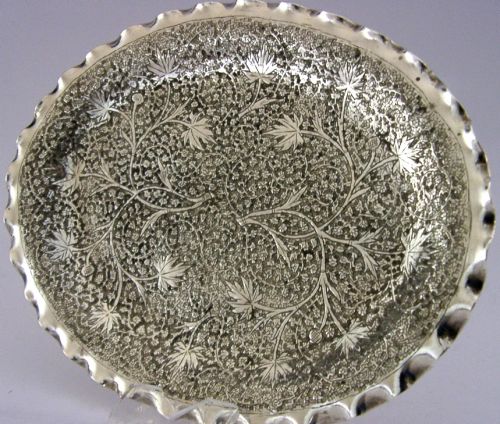
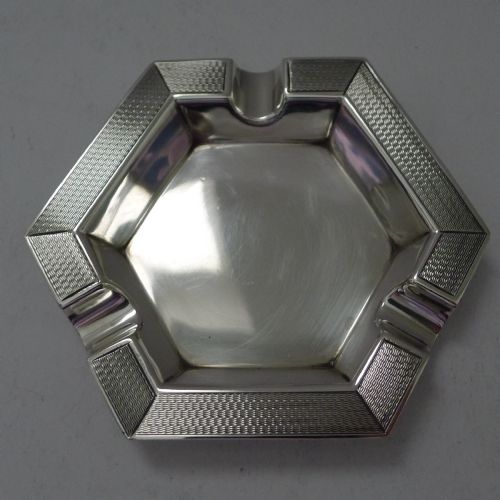
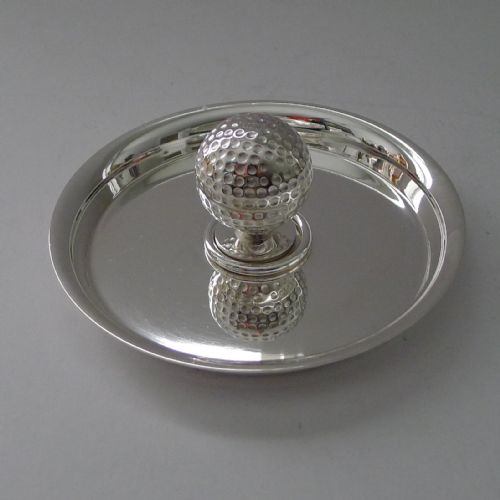
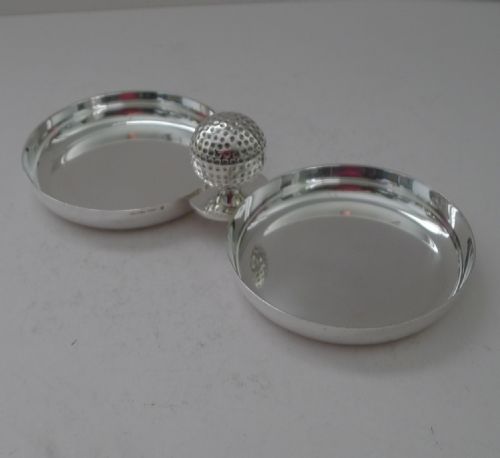
A vintage coin tray serves as a small receptacle for daily pocket items, often found in forms such as ashtrays, pin dishes, card trays, and vide poche units. These pieces range from Georgian mahogany card trays to Mid-Century silver-plated novelties, reflecting diverse domestic habits across the centuries.
The materials you encounter most frequently in a vintage coin tray include solid silver, silver plate, mahogany, onyx, and cold painted bronze. Stylistic influences span Art Deco, Anglo-Indian, Edwardian, and French nineteenth-century design, giving buyers a wide spectrum of decorative choices for hall tables and desks.
Materials and Making
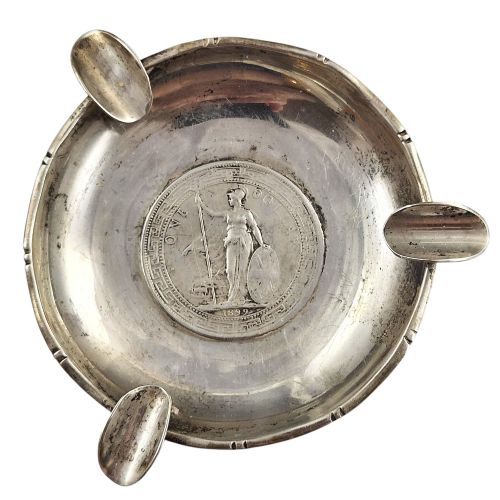
Silversmiths constructed sterling and solid silver pieces using traditional hammering, casting, and repoussé techniques, often incorporating inset coinage such as British Trade Dollars. Bronze pieces utilised foundry casting followed by cold painting with natural pigments over metallic surfaces.
Cabinetmakers fashioned wooden card trays from dense timbers like mahogany, shaping raised rims to contain small objects. Plated and base metal items often relied on electroplating or spelter casting to achieve decorative forms efficiently.
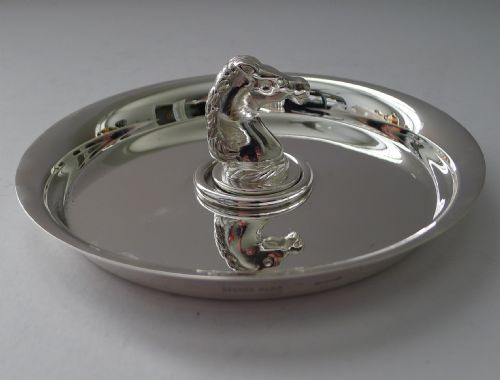
Horses stare up from several bronze and silver trays, reminding users of past equestrian pastimes.
Assessing Quality
Quality in metalwork reveals itself through the crispness of cast details, the weight of the silver or bronze, and the preservation of hand-applied polychrome paint on bronze figures. Maker marks and hallmarks provide clear indicators of origin and standard.
In wooden trays, the grain selection, the integrity of joined corners, and the smoothness of the turned or carved edge separate standard production from superior craftsmanship.
William Neale·Hermes Paris·Lee Yee Hing·John Grinsell & Sons·Maria Pergay
The Vintage Coin Tray Glossary
- Vide poche
- A small tray or bowl designed for emptying pockets upon entering a room, originating from the French term for empty pocket.
- Hallmark
- An official stamp applied by an assay office to indicate the purity of precious metal and the year of manufacture.
- Spelter
- A zinc alloy commonly used as a base metal substitute for bronze in decorative desk accessories and figures.
- Repoussé
- A metalworking technique where the artisan hammers the metal from the reverse side to form a raised design on the front.
- Cold painted bronze
- Bronze sculpture finished with paint applied after the casting process, which remains unheated.
Vintage Coin Tray: Frequently Asked Questions
What is a vide poche?
A vide poche is the French equivalent of a coin tray or valet tray, literally translating to empty pocket.
People placed them on hall tables or desks to hold keys, coins, and pocket watches at the end of the day.
How do I date a silver coin tray?
Silver pieces usually carry hallmarks stamped directly into the metal, indicating the assay office, standard, and date letter.
Stylistic cues such as Art Deco geometric lines or Edwardian scrollwork also help narrow down the decade of production.
Are bronze coin trays heavy?
Bronze and gilt bronze pieces possess a dense, solid weight that prevents them from sliding on wooden desk surfaces.
This heft makes them particularly suitable for containing heavier items like pocket knives and heavy loose change.
How should I clean a bronze desk tidy?
Cold painted bronze requires gentle dusting with a soft brush to protect the delicate surface pigments from flaking.
Moisture and chemical polishes must be avoided entirely to preserve the original nineteenth or twentieth-century finish.