
Georgian Tableware
Georgian tableware gathers silver, creamware and porcelain designed for the dining table during the eighteenth and early nineteenth centuries.
Georgian Tableware
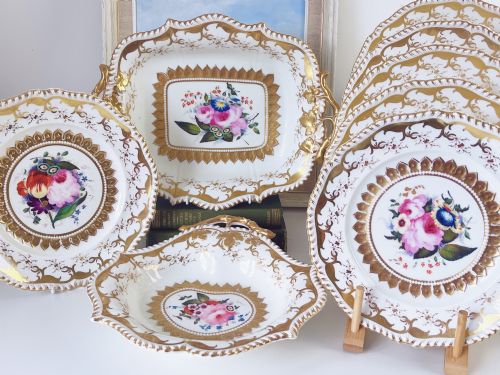
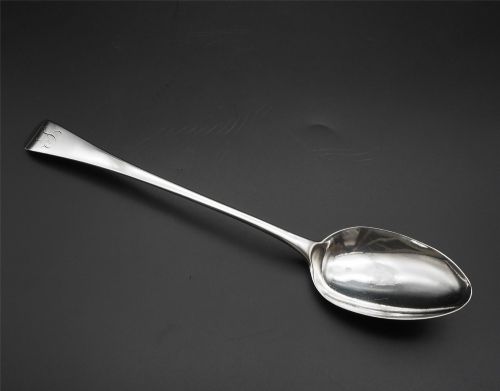
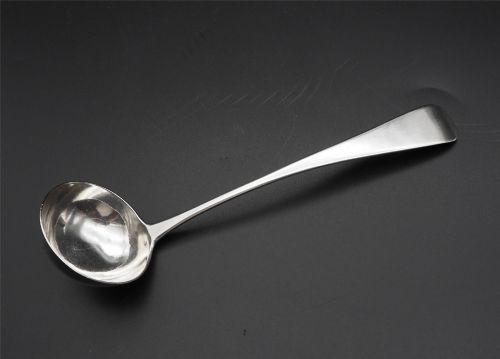
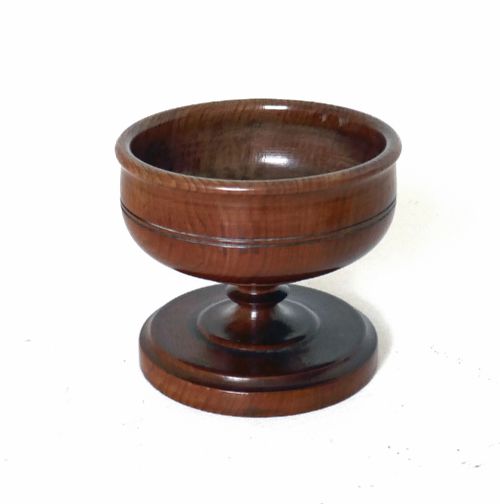
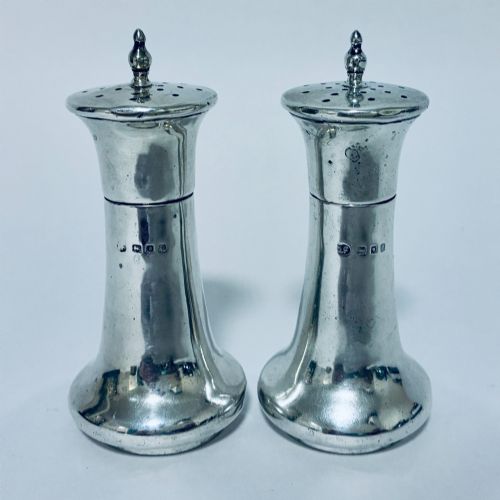
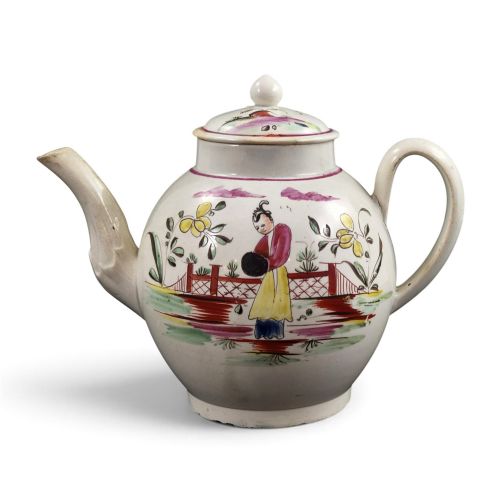
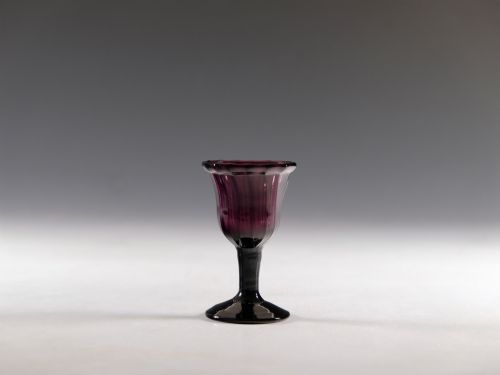
Georgian tableware comprises items intended for dining, tea and serving within domestic settings. The pieces span sterling silver spoons, creamware teapots, porcelain dessert services and turned treen salts.
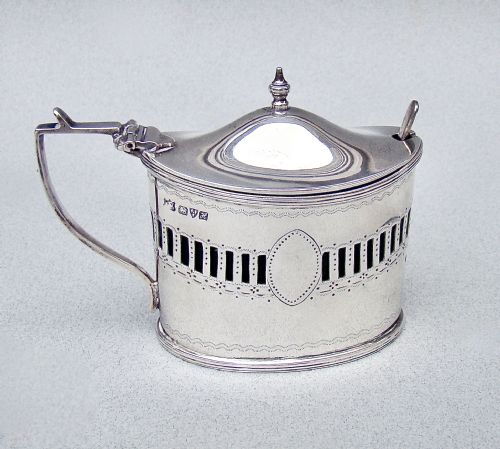
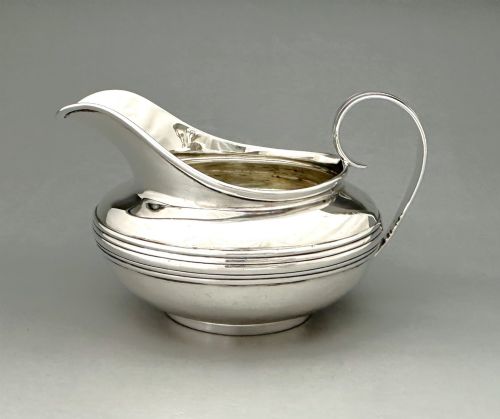
Buyers encounter serving utensils, salt cellars, sauce boats and tureens alongside plates and mugs. These objects reflect the dining habits of their original period.
How they were made
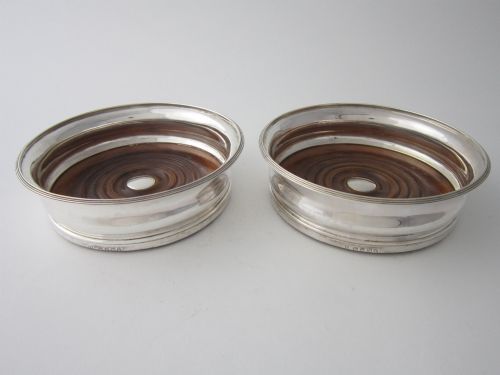
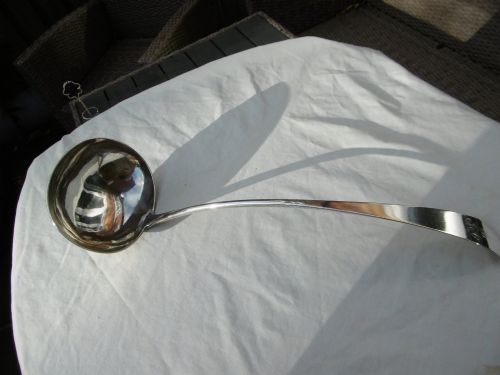
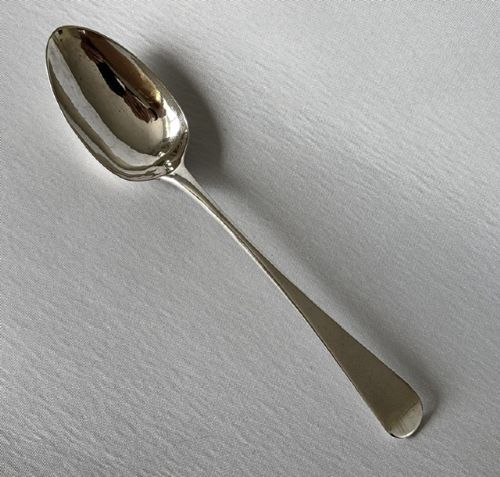
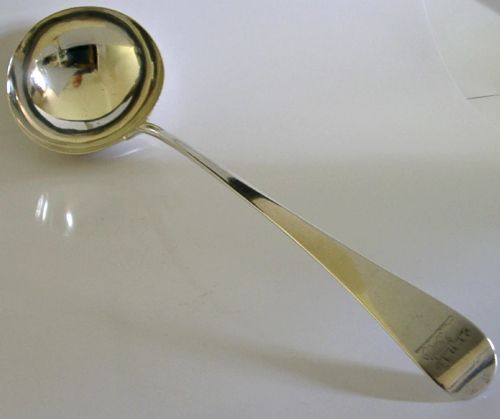
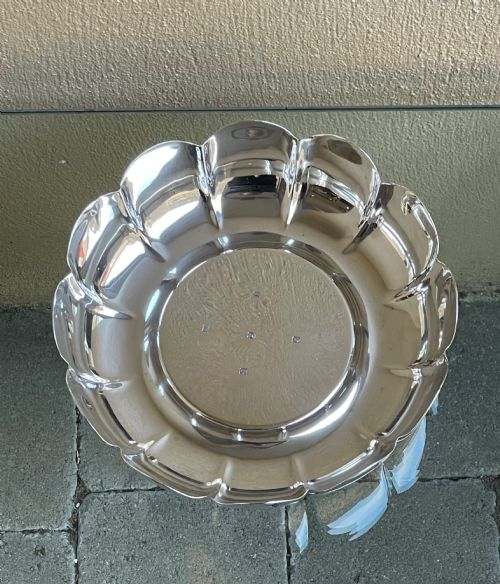
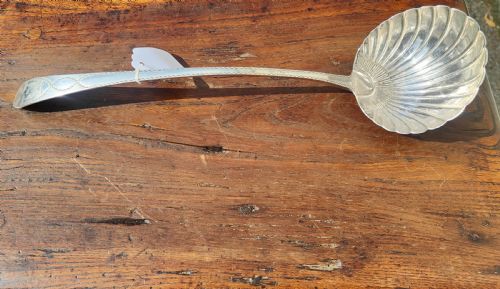
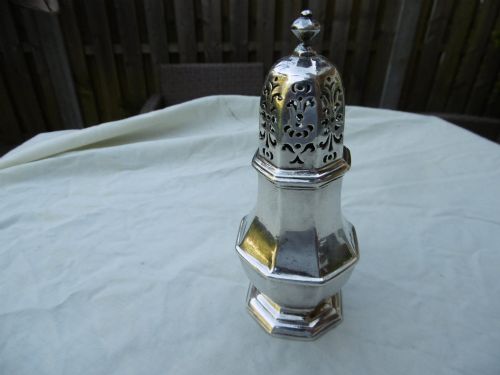
Silversmiths hammered, cast and chased sterling silver and Old Sheffield Plate to form spoons, casters, salvers and ladles. Hand-engraved crests and hallmarks frequently identify the maker and assay office.
Potters shaped creamware, pearlware and porcelain into teapots, plates and tureens, often applying hand-painted botanical or armorial motifs. Treen items relied on lathe-turning dense timbers such as yew wood.
The listings here include sterling silver, creamware, porcelain and yew wood items spanning the eighteenth and nineteenth centuries.
What varies in quality
The distinction between items rests on the crispness of chased detail, the preservation of original hand-painted enamel decoration, and the weight of the metal or ceramic body. Heavy gauge silver and well-potted earthenware command greater interest.
Makers' marks, clear hallmarks and documented provenance elevate specific pieces above standard domestic wares. The survival of matching sets or original cases alters the character of the piece.
Peter & Jonathan Bateman·Hester Bateman·Grainger Lee & Co·Alfred Marston·Dee & Fargus·William Plummer
The Georgian Tableware Glossary
- Creamware
- A light-coloured refined earthenware developed in Yorkshire during the eighteenth century. It superseded heavier salt-glazed stonewares for domestic dining.
- Caddy spoon
- A short-handled silver spoon designed for measuring loose tea from a caddy. These small utensils frequently display decorative shell or leaf bowls.
- Treen
- Small household objects made from turned or carved wood. Yew and other dense timbers served for functional items like salt cellars.
- Pearlware
- An improved earthenware body featuring a pale blue-tinted glaze that appeared whiter than standard creamware. It gained popularity for painted botanical services.
- Salt boat
- A small silver vessel supported on feet, used for holding salt at the dining table. They frequently mirror the design of larger sauce boats.
Georgian Tableware: Frequently Asked Questions
How do I clean antique silver tableware?
Use a soft cloth and a specialised silver polish designed to remove tarnish without abrading the metal surface. Avoid harsh chemical dips that strip away original patination.
Wash silver pieces in warm soapy water and dry them thoroughly immediately after cleaning to prevent water spots.
Can I use creamware plates for daily dining?
Antique creamware and pearlware feature porous earthenware bodies and delicate lead glazes that can be sensitive to modern dishwashers and thermal shock. Hand washing in tepid water preserves the ceramic body.
Careful handling prevents chipping on the refined edges of eighteenth-century plates and bowls.
What is the difference between George III and Regency tableware?
George III tableware often incorporates neoclassical motifs such as swags, bright-cut engraving and urn shapes. The forms tend towards classical symmetry and restrained ornament.
Regency designs lean towards bolder archaeological influences, heavier proportions and occasionally whimsical animal or figure motifs.
How do I identify silver hallmarks?
British silver hallmarks typically include a maker's mark, a standard mark indicating sterling purity, a town mark for the assay office, and a date letter. These stamps provide the year and location of manufacture.
Reference books and online guild registers help decode the specific letters and symbols stamped into the metal.