




Scalloped Plate
When you search for a scalloped antique plate, you are looking at items defined by shaped edges and histories spanning multiple centuries.
Scalloped Plate
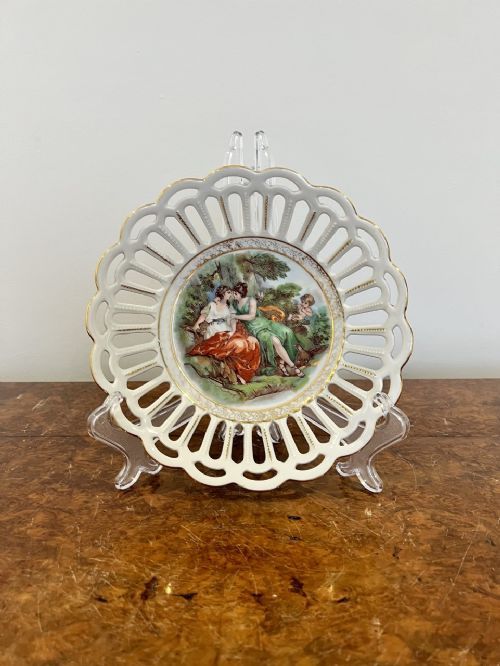
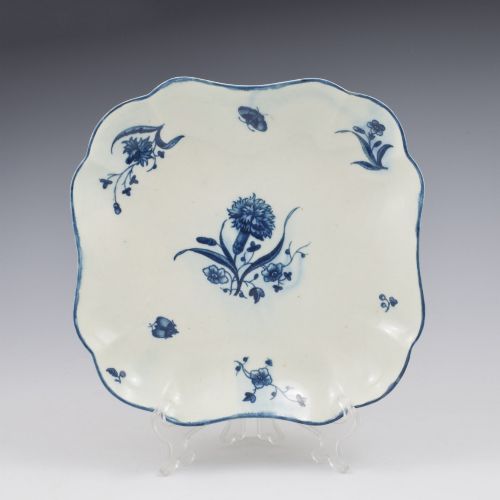
A scalloped antique plate is an item defined primarily by its indented or wavy rim, appearing across various forms including dessert dishes, chargers, and serving trays. These pieces bridge utilitarian tableware and purely decorative display items for wall mounting or cabinet exhibition.
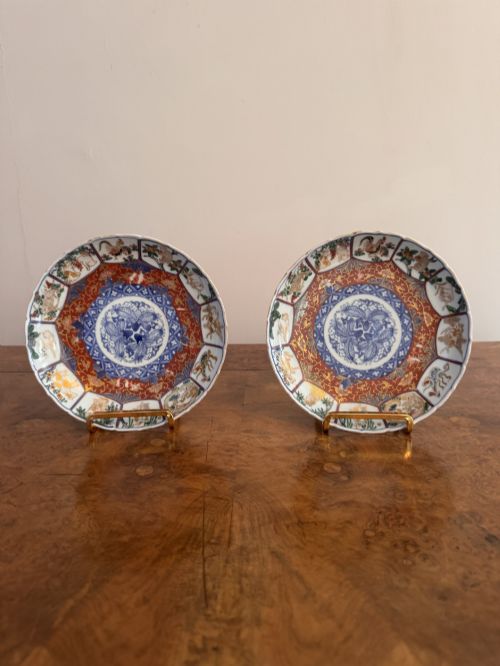
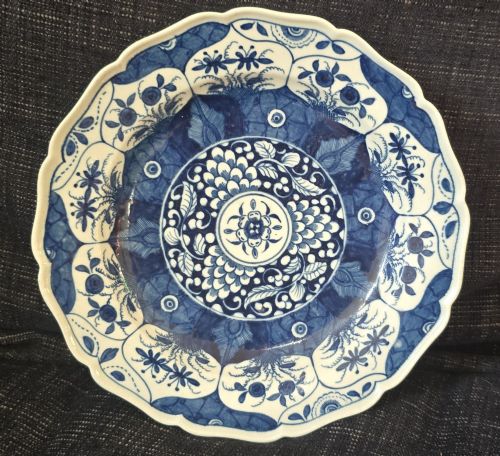
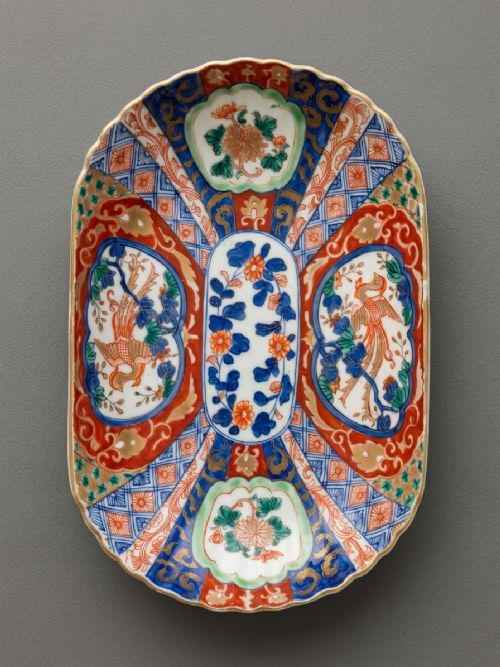
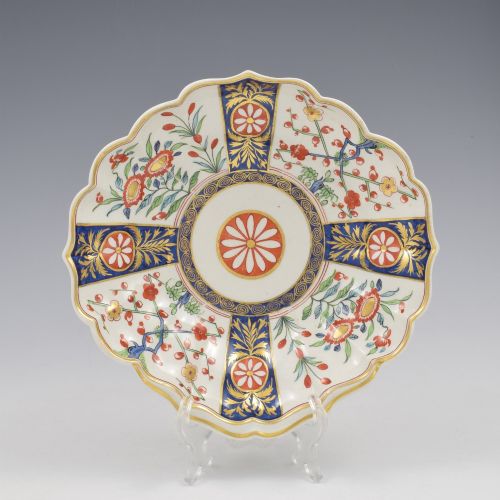
The selections span distinct periods ranging from the eighteenth century through the Edwardian era and the nineteen-twenties. Buyers will frequently encounter eighteenth-century porcelain pieces alongside nineteenth-century Japanese Imari wares featuring distinct shaped edges.
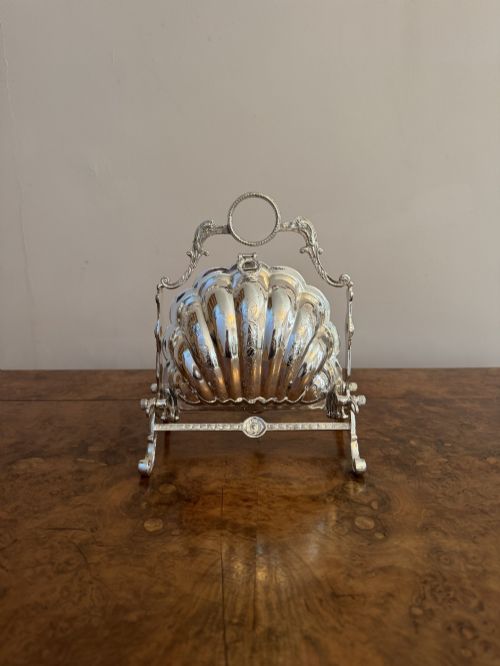
Origin points stretch from English factories and Irish workshops to Japanese kilns of the Meiji period. Forms include individual dining plates, large decorative chargers, and shell-shaped dessert dishes designed for formal tables.
How They Were Made
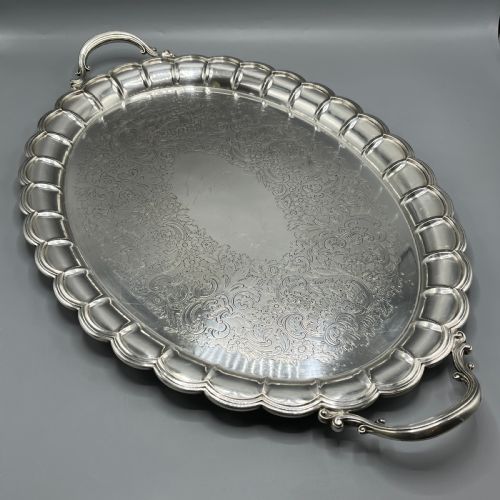
Makers utilised porcelain, earthenware, and tin glaze to form the body of these plates, applying detailed hand-painted motifs or transferware prints. Silver plate and gold leaf appear frequently on metal serving trays and salvers, paired with underlying materials like oak for associated furniture.
Glazes seal the ceramic surfaces, often combined with gilding and intricate colour palettes such as the blue and iron-red tones seen in Japanese Imari pieces. Firing techniques across eighteenth-century porcelain works produced hard-paste and soft-paste bodies with distinct translucency.
Scalloped Plate Retail Price Guide 2026
Typical asking prices for scalloped plate among the pieces listed under this phrase on Sellingantiques today, from the lower quarter to the upper quarter. They describe what is for sale here now, not the wider market.
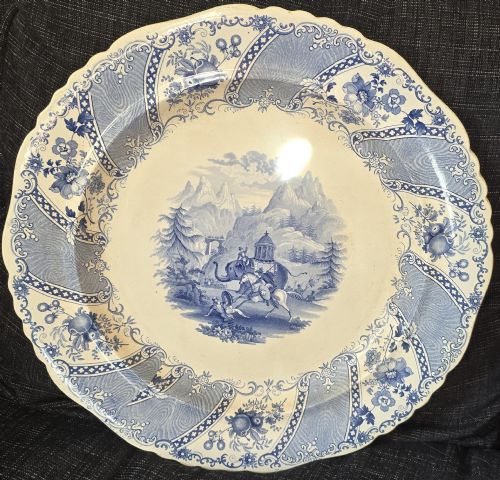
Hannibal apparently crossed the Alps just to watch dinner being served on an eighteen-forties transferware plate.
What Varies in Quality
The standard of painting and hand-applied detail dictates much of the visual distinction between individual examples. Crispness in the moulding of the wavy rim and the preservation of original gilding or enamels determine the standing of each piece.
Provenance and specific factory attribution elevate certain items, particularly when marked by notable eighteenth-century or nineteenth-century potteries. The complexity of the pattern and the balance of the composition across the shaped surface separate standard production from exceptional work.
William Smith And Co·Spode·William Hutton And Sons·Royal Worcester
The Scalloped Plate Glossary
- Charger
- A large ornamental plate, typically measuring over twelve inches, used primarily for display or as a base for other tableware. These pieces often hang on walls or sit centrally on dining surfaces.
- Imari
- A style of Japanese export porcelain characterised by a palette of underglaze blue, iron red, and added gilt. The tradition originates from Arita and gained immense popularity in Europe during the eighteenth and nineteenth centuries.
- Transferware
- A pottery technique where a design is printed from an engraved copper plate onto tissue paper and then transferred onto the unglazed or bisque ceramic body. This allowed for intricate, repeatable scenes on plates and dishes.
- Tin Glaze
- An opaque white glaze containing tin oxide, applied to earthenware to provide a smooth surface for painting. Examples include English Delft and French faience wares from the seventeenth and eighteenth centuries.
- Salver
- A metal tray, usually silver plated, used for serving food or drinks or for presenting calling cards. These items often feature shaped or scalloped rims supported on small feet.
Scalloped Plate: Frequently Asked Questions
What were scalloped plates used for?
These pieces served functional roles in domestic dining, holding fruit, desserts, or main courses during formal meals. Many larger examples functioned as display chargers or serving trays rather than everyday tableware.
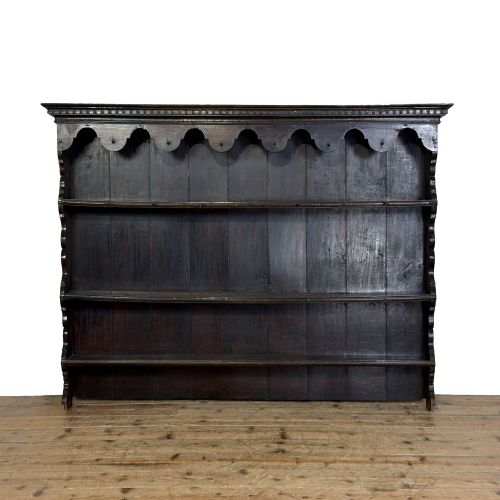
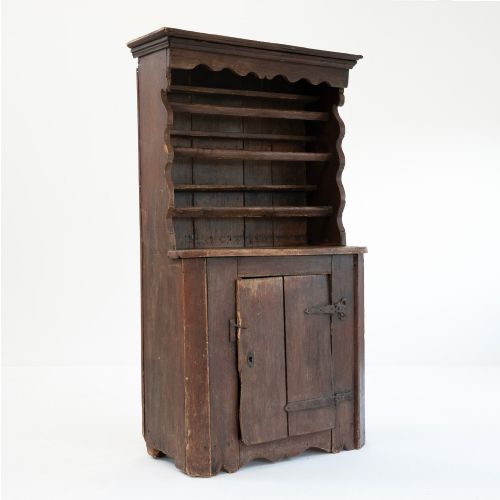
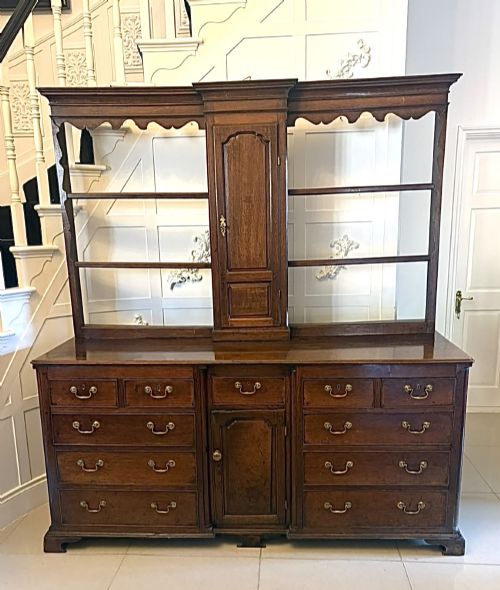
Over time, many plates transitioned entirely to decorative roles, exhibited on walls or within wooden plate racks and dressers. Their shaped edges added visual movement to table settings and cabinet displays alike.
How do I date an antique plate?
Dating relies on identifying factory marks, stylistic traits, and the specific composition of the ceramic body or metal alloy. Eighteenth-century pieces often display characteristic glaze pooling and hand-potted irregularities.
Later nineteenth-century and Edwardian examples incorporate standardised transfer printing or machine-rolled metal bases. Comparing painted motifs against known historical patterns helps narrow the period of origin.
Are these plates safe for daily use?
Most antique plates from the eighteenth and nineteenth centuries are better suited for display or careful handling than regular dining use. Historic glazes and soft-paste bodies can wear down or absorb liquids over time.
Metal items like silver plated trays require specific cleaning methods to preserve the plating. Gentle hand washing without harsh detergents is necessary for fragile ceramic pieces.
What is the difference between Imari and ordinary porcelain?
Imari refers specifically to Japanese export wares produced in Arita using a distinct tripartite colour scheme of blue, red, and gold. This decorative style differs fundamentally from European floral or landscape transferware.
The heavy, dense porcelain body and complex panelled designs set Imari pieces apart from standard domestic earthenware or soft-paste porcelain.