


First Period Worcester Plate
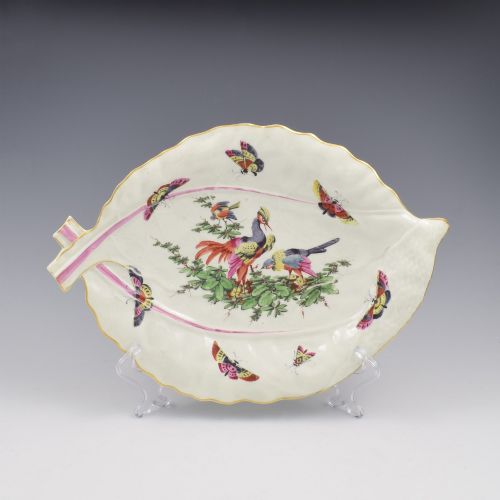
A first period worcester plate brings eighteenth-century soft-paste porcelain into your home with hand-painted birds, insects, and oriental motifs.
First Period Worcester Plate
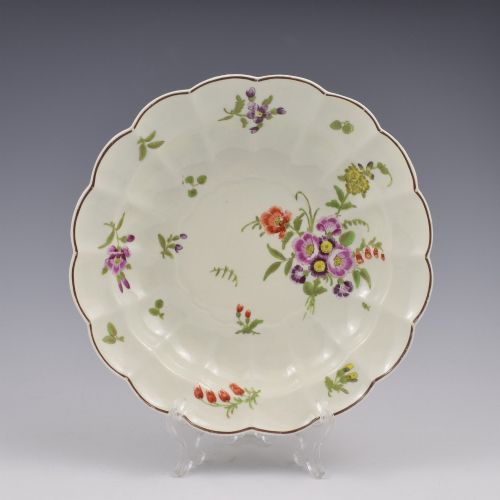
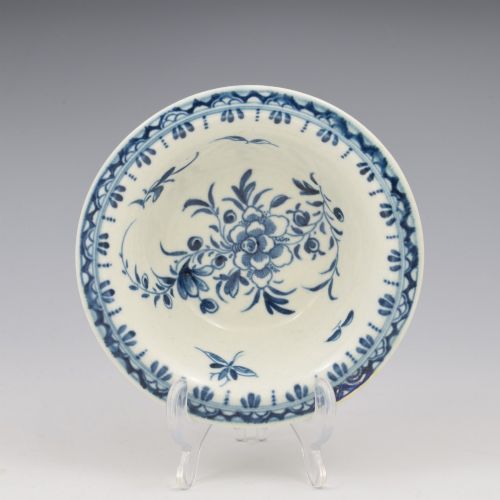
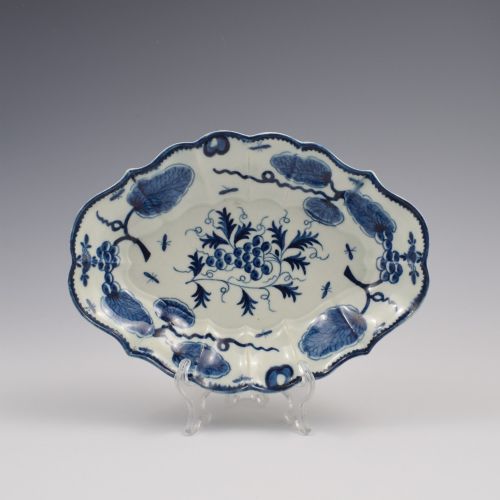
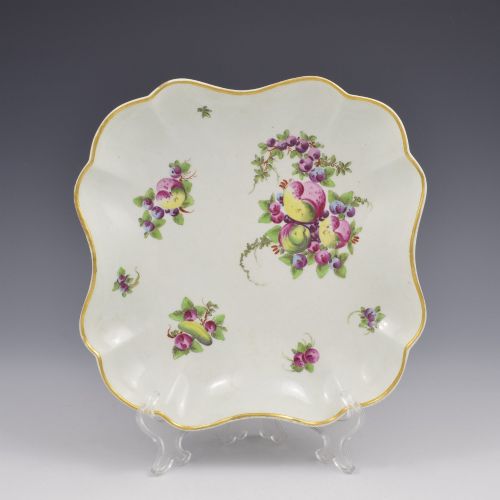
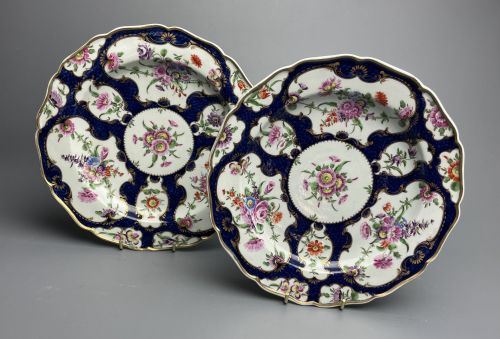
A first period worcester plate is an eighteenth-century table service piece shaped as a dessert dish, soup plate, or saucer. These items date from the Georgian era, specifically around the seventeen-fifties to the seventeen-eighties, during the tenure of the Dr Wall factory.
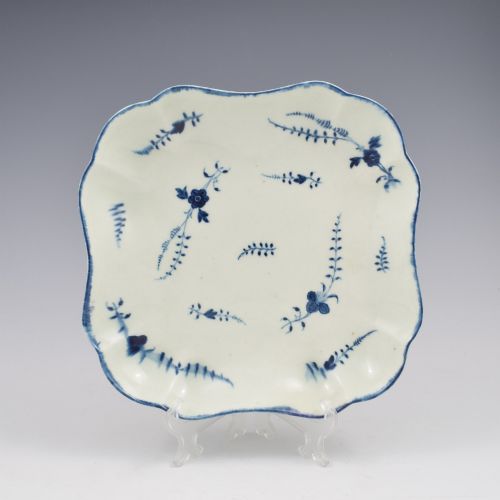
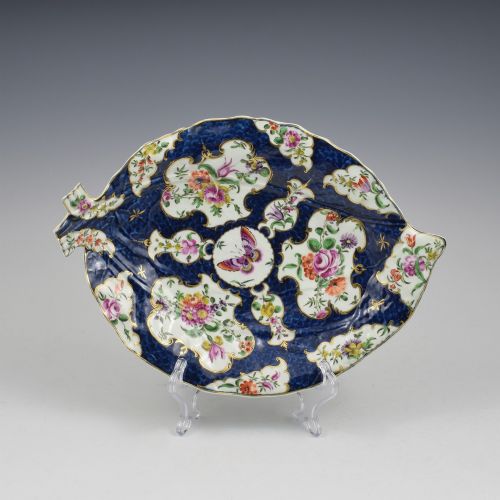
The version most commonly met on this page is the dessert plate or square lobed dish featuring transfer-printed or hand-painted decoration. Collectors encounter forms ranging from small patty pans to large leaf dishes and standard soup plates.
How they were made
Potters shaped soft-paste porcelain bodies before applying intricate overglaze enamels, underglaze blue, and gilding. Artisans often utilised gold leaf and coloured grounds such as wet blue or green ground to frame the central scenes.
Decoration relied on skilled hand-painting, frequently incorporating motifs like fancy birds, Chinoiserie scenes, and botanical studies. Kiln firing fixed the enamel colours and glaze, producing the characteristic translucent finish of the period.
Early Worcester painters hid tiny painted ladybirds inside floral arrangements to delight observant diners.
What varies in quality
Quality depends on the crispness of the porcelain body and the precision of the hand-painting in subjects such as birds and botanical sprays. Pieces with rich, evenly applied ground colours and detailed gilding demonstrate superior craftsmanship.
The complexity of the pattern influences desirability, with elaborate panels and polychrome enamels marking out finer examples. Condition of the glaze and the vibrancy of the overglaze enamels also distinguish standard wares from exceptional items.
Dr Wall·James Giles
The First Period Worcester Plate Glossary
- Soft-paste porcelain
- A ceramic composition made from white clay, glass, and ground minerals rather than true china clay. This material yields a warm, slightly creamy body underneath the transparent glaze.
- Dr Wall
- The founding physician and porcelain maker associated with the early Worcester factory. His tenure defines the primary period of artistic output.
- Blue scale
- A distinctive dark blue patterned ground resembling fish scales applied beneath the glaze. It often panels reserved compartments filled with birds or flowers.
- Chinoiserie
- European artistic interpretations of Chinese and East Asian motifs. These designs typically show figures, pavilions, and exotic landscapes.
- Overglaze enamels
- Coloured pigments painted on top of the fired glaze and fixed in a second, lower-temperature kiln. This technique allows for a broad palette of bright polychrome decoration.
First Period Worcester Plate: Frequently Asked Questions
How do I identify a Dr Wall plate?
Examine the base for underglaze blue marks, crescents, or square fret symbols typical of the eighteenth-century factory.
Look closely at the soft-paste body and the character of the hand-painted enamels, which differ significantly from later nineteenth-century productions.
Were these plates used for dining?
Wealthy Georgian households utilised these porcelain dishes primarily for serving desserts, sweetmeats, and fruit during formal courses.
Many examples survived in cabinet collections rather than active service, which explains the high survival rate of vibrant enamel colours.
What is blue scale ground?
Blue scale is a rich, mottled dark blue pattern applied by hand to resemble fish scales across the rim of the dish.
Factory artists left white-bordered reserves within this blue ground to fill with painted birds, insects, or flowers.
How should I display my plate?
Support the piece securely on a stable bracket or flat surface away from direct, harsh sunlight to protect the enamel colours.
Avoid hanging plates with tight wire springs that might stress the fragile eighteenth-century soft-paste body.