





Georgian Porcelain Decorative Dish
A georgian porcelain decorative dish brings eighteenth-century tableware into the modern home with hand-painted scenes, cobalt blue, and gilt edges.
Georgian Porcelain Decorative Dish
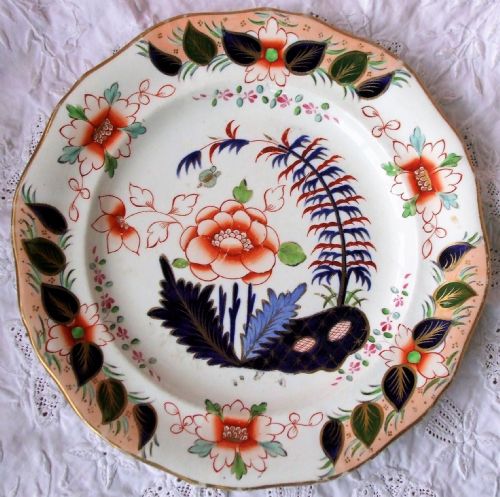
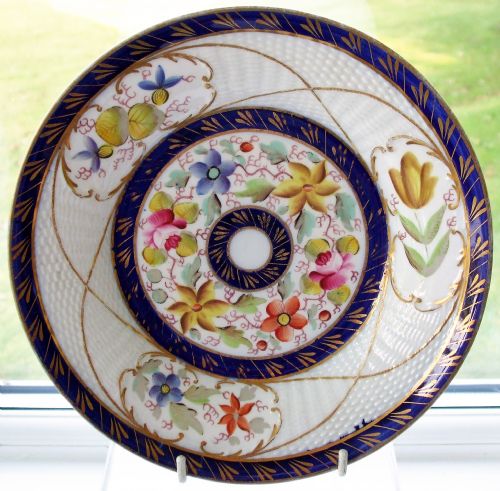
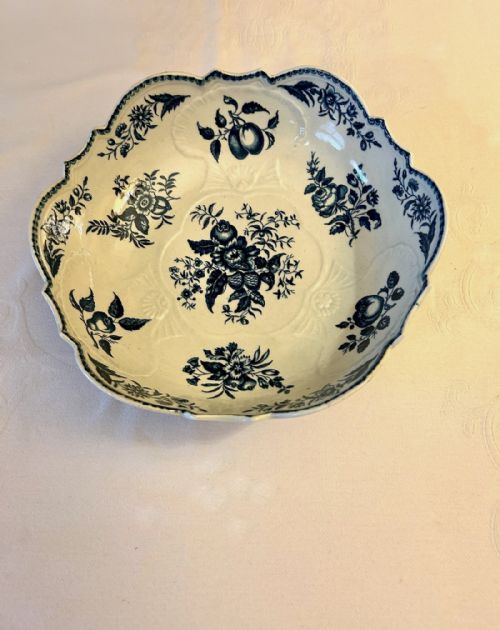
A georgian porcelain decorative dish encompasses cabinet plates, serving dishes, and chargers created during the eighteenth and early nineteenth centuries. These pieces span soft-paste porcelain, tin-glazed earthenware, and ironstone, reflecting the shifting manufacturing centres of the era. Collectors encounter forms ranging from blue and white junket dishes to topographical dessert plates and botanical cabinet pieces.
The objects derive from renowned English manufactories including Worcester, New Hall, Spode, Minton, and Chelsea. Many pieces display distinct stylistic influences, from Chinese export patterns to Dutch Baroque and Regency designs. Buyers select these items for display in cabinets or use on dining tables, drawn to their historical utility and decorative painting.
How they were made
Potters shaped these vessels using soft-paste porcelain, tin-glazed earthenware, and later felspar porcelain or ironstone bodies. Artisans applied cobalt oxide under the glaze for durable blue and white decoration, or utilised enamel paints over the glaze for polychrome scenes. Gold leaf and gilding were frequently added by hand to rims and accents, requiring an extra firing in the kiln.
Factories such as Worcester and Chelsea employed skilled painters who executed intricate botanical studies, topographical views, and Japanese-inspired patterns like Imari. Moulding techniques allowed for scalloped edges, basketweave textures, and applied porcelain flowers that demanded precise craftsmanship from modellers.
Some cabinet plates depict specific English cottages, letting owners serve dessert alongside a tiny painted view of the Isle of Wight.
What varies in quality
The standard of a georgian porcelain decorative dish rests primarily on the crispness and complexity of the hand-painted decoration. Pieces featuring detailed topographical views or intricate Jabberwocky patterns executed by named factories command greater attention than simple transfer-printed wares. The preservation of original gilding and enamel colours without excessive rubbing determines the visual impact of the piece.
Body composition also dictates quality, with early soft-paste porcelain exhibiting different translucency and surface texture compared to later felspar porcelain or ironstone. The finesse of moulded elements, such as applied flowers and embossed basketweave borders, separates standard domestic output from high-status cabinet pieces.
John Davenport of Longport·New Hall Porcelain·Spode·Chamberlain's Worcester·Minton·Barr Flight and Barr·Flight Barr and Barr·Ridgway porcelain·Rockingham Porcelain·Mason's Ironstone·Chelsea
The Georgian Porcelain Decorative Dish Glossary
- Soft-paste porcelain
- A ceramic composition made from white clay and glass frit rather than hard-paste kaolin, fired at lower temperatures during the eighteenth century.
- Cobalt oxide
- A mineral pigment used beneath the glaze to produce deep blue painted designs that withstand high kiln temperatures.
- Gilding
- The application of gold leaf or gold paint to ceramic surfaces, typically highlighting rims, handles, and decorative borders.
- Junket dish
- A shallow vessel traditionally used for serving sweet curd desserts or dairy dishes at Georgian dining tables.
- Cabinet plate
- A decorative ceramic plate intended primarily for display in a cabinet or on a wall rather than for daily dining use.
Georgian Porcelain Decorative Dish: Frequently Asked Questions
Can I use these dishes for food?
While these pieces were originally functional tableware, age and historic glazes mean they are best reserved for display.
Modern use and dishwashing can damage delicate enamel paints and fragile soft-paste bodies.
How do I date an eighteenth-century plate?
Dating relies on factory marks, paste composition, and stylistic clues such as blue and white underglaze painting versus later polychrome enamels.
Comparing pattern numbers and stylistic motifs against factory records helps narrow the period of manufacture.
What is the difference between porcelain and ironstone?
Porcelain is a vitrified, translucent ceramic body made from specific clays, whereas ironstone is a heavy, opaque earthenware developed for durability.
Ironstone pieces like those by Mason's offer a thicker, sturdier structure compared to delicate soft-paste porcelain.
How should I display a decorative dish?
Dishes can be safely shown using stable wire wall hangers designed for ceramics or dedicated plate stands inside cabinets.
Protection from direct sunlight and secure placement prevents accidental falls and preserves enamel colours.