





Scalloped Blue Ceramic Plate
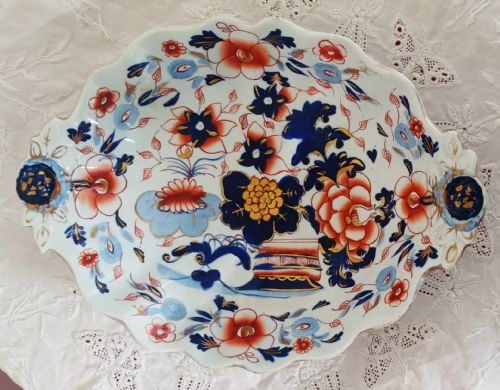
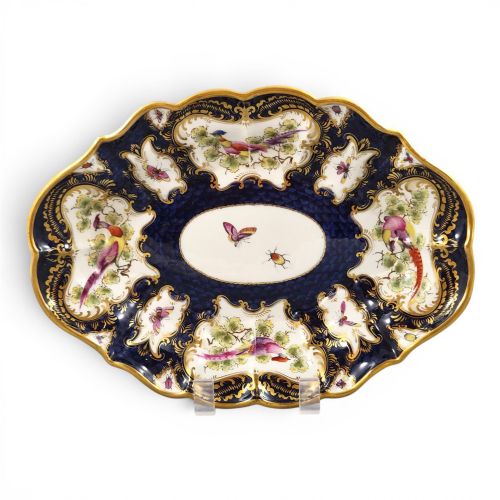
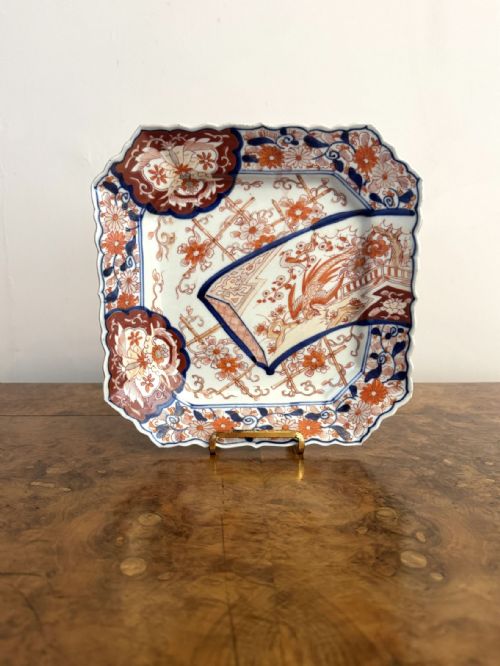
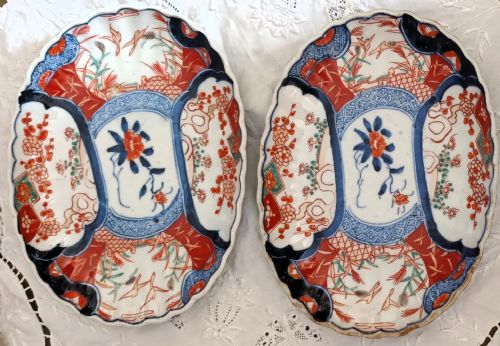
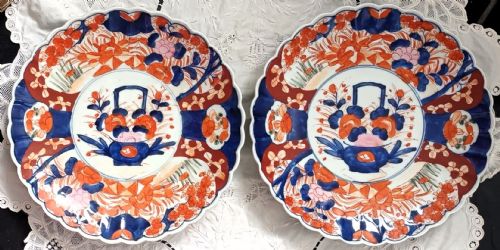
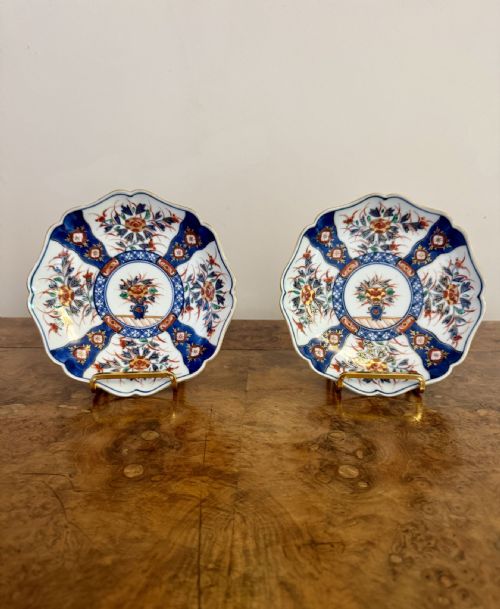
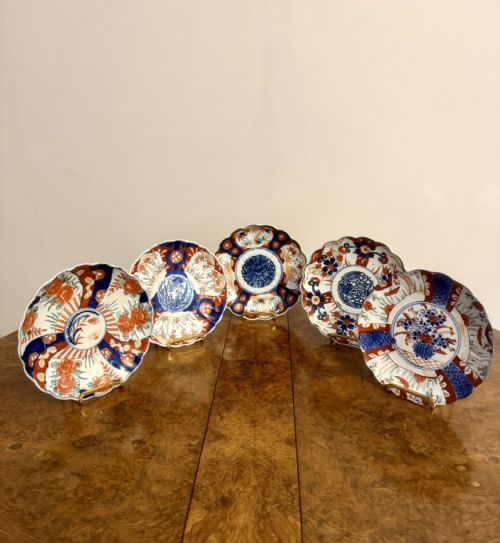
These scalloped blue ceramic plate examples bring together centuries of global porcelain tradition, offering distinctive curved rims and rich cobalt palettes.
Scalloped Blue Ceramic Plate
A scalloped blue ceramic plate is a decorative tableware piece defined by its characteristic curved, undulating rim and blue-dominant colour scheme. When exploring this selection, buyers encounter everything from modest domestic dishes to grand chargers.
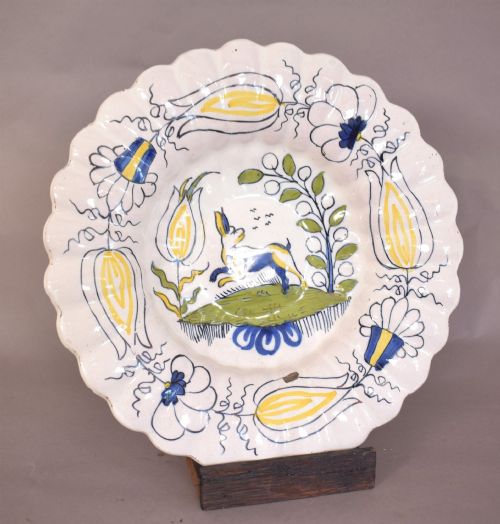
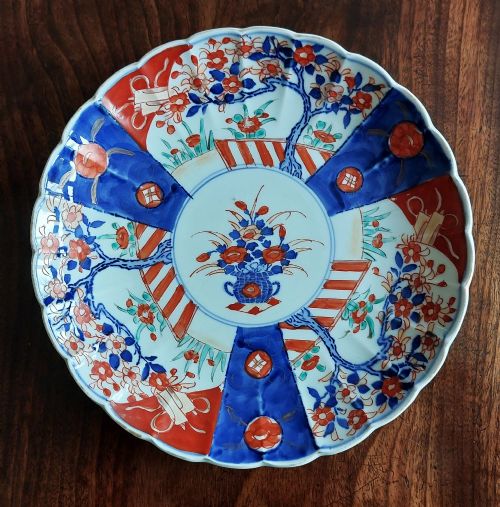
The objects span multiple centuries and geographic origins, ranging from English earthenware and ironstone to Dutch delftware and Japanese imari porcelain. Pieces from the Meiji period and the nineteenth century appear frequently across the selection.
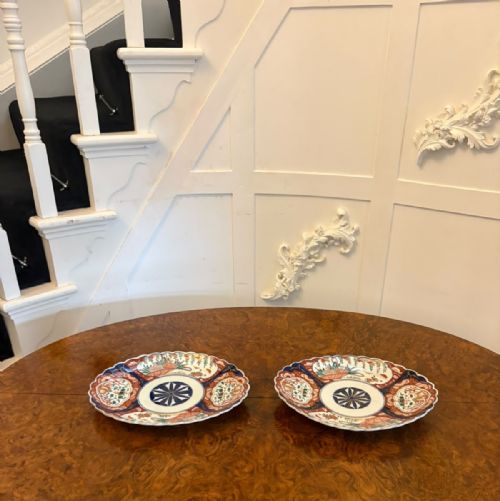
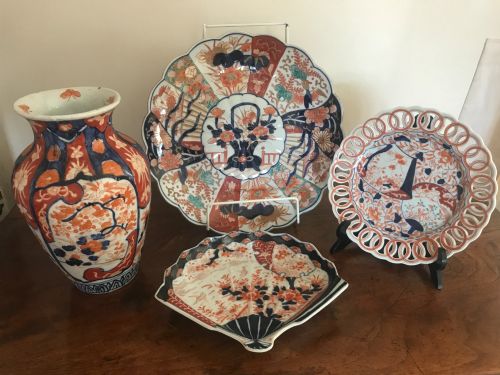
Forms vary significantly, encompassing circular plates, square shapes, oval dishes, and large chargers intended for display. Many items feature traditional hand-painted motifs depicting floral arrangements, birds, or figurative scenes.
Factors determining quality
The distinction between standard and superior pieces rests upon the crispness of the hand-painted detailing and the depth of the cobalt pigment. Stronger examples exhibit deliberate brushwork and well-balanced compositions across the shaped edges.
The finesse of the ceramic body and the uniformity of the glaze application further separate ordinary items from exceptional ones. Potteries that maintained strict firing controls achieved clearer surfaces and more vivid integration of secondary enamels and gilding.
The listings span from the 17th century through the Edwardian era, incorporating porcelain, earthenware, and ironstone.
Royal Worcester
The Scalloped Blue Ceramic Plate Glossary
- Charger
- A large decorative plate or dish, typically used for display on a sideboard or wall rather than for dining. These substantial pieces provide a wider canvas for complex painted narratives.
- Imari
- A traditional Japanese style of porcelain originating from Arita, known for its distinct palette of cobalt blue, iron red, and gold. This style heavily influences many nineteenth-century decorative plates.
- Delft
- Tin-glazed earthenware originating from the Netherlands and later produced in England, recognizable by its opaque white surface and blue painted decoration. Early examples date back to the seventeenth and eighteenth centuries.
- Ironstone
- A heavy, durable type of earthenware patented in the nineteenth century as a robust alternative to porcelain. It frequently supports intricate japanned patterns and rich blue glazes.
- Scalloped
- A decorative edge shaped into a series of continuous curves resembling the outline of a scallop shell. This technique adds textural interest to the perimeter of plates and dishes.
Scalloped Blue Ceramic Plate: Frequently Asked Questions
How should I display a large charger plate?
Chargers of this scale suit sturdy wall mounts or dedicated plate stands placed on sturdy sideboards. Their generous diameters and heavy ceramic bodies require secure support to prevent tipping.
Position them away from high-traffic areas where accidental bumps might dislodge them from display surfaces. Proper lighting helps reveal the fine details of the cobalt painting and any applied gold leaf.
Can I use these antique plates for dining?
Most antique pieces function primarily as decorative objects rather than everyday tableware. Older glazes and ironstone bodies can be sensitive to modern detergents and abrasive cutlery.
Gentle hand washing in lukewarm water preserves the delicate enamel work and gilding. Storing them carefully prevents surface wear on the painted well and rims.
What does the term Meiji period signify?
The Meiji period spans the late nineteenth and early twentieth centuries in Japan, marking an era of prolific ceramic export. During this time, kilns produced vast quantities of highly detailed decorative plates for Western markets.
Pieces from this era frequently combine traditional imari palettes with elaborate bird and floral motifs. The manufacturing standards of this period prioritized ornamental visual impact.
Are delftware plates made of porcelain?
Delftware consists of tin-glazed earthenware rather than true porcelain. The clay body is softer, thicker, and more porous than high-fired oriental porcelain.
This composition results in a heavier plate with an opaque white tin glaze that accepts cobalt blue painting readily. Such pieces represent a distinct European ceramic tradition separate from Asian wares.