


Antique Armorial Platter
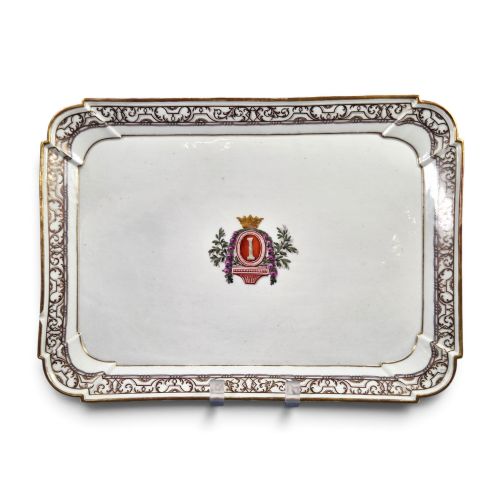
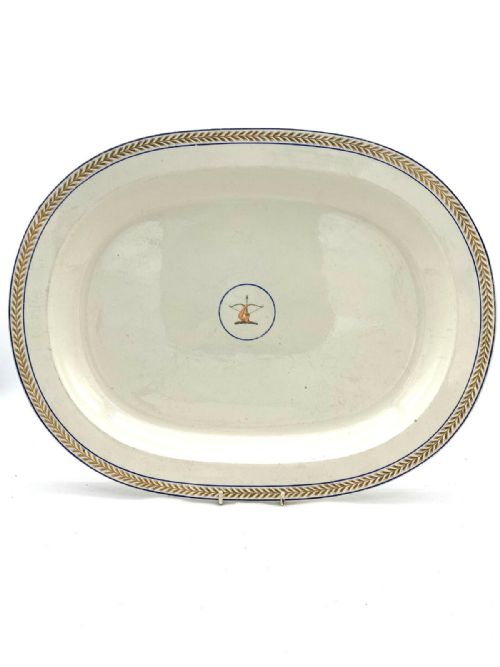
These antique armorial platter examples display historic coats of arms and crests, offering an impressive centrepiece for a formal dining table.
Antique Armorial Platter
An antique armorial platter represents a distinguished category of historic servingware, painted or engraved with noble crests, coats of arms, and monograms. Buyers exploring this category encounter a diverse selection ranging from Chinese export porcelain and English creamware to heavy silver and Old Sheffield plate.
The assortment spans several centuries, including pieces from the seventeenth, eighteenth, and nineteenth centuries. Common forms include large serving trays, deep chargers, meat platters, and dinner plates associated with notable families and royal houses.
Originating from renowned European potteries and silversmith workshops, these objects served aristocratic households for grand dinners and ceremonial displays. Surviving specimens offer tangible links to historical lineages through their hand-painted heraldry and engraved armorial bearings.
Materials and construction
Pottery and porcelain examples utilise hard-paste ceramic bodies decorated with hand-applied enamel pigments and gold leaf accents. Firing these large plates required skilled kiln placement to prevent warping across broad surfaces.
Metal versions combine sterling silver, copper, and Old Sheffield plate techniques, often featuring chased borders and applied cast handles. Silversmiths hammered and soldered these durable metals to support heavy joints and detailed heraldic crests.
Heavy meat domes ensured the Duke's roast arrived hot, while seventeenth-century diners admired vast pewter chargers bearing the Skrymshire family crest.
Distinctions in quality
Quality rests upon the precision of the heraldic painting and the crispness of the engraved details. Superior examples exhibit finely rendered brushwork in the enamel armorials or deep, sharp strikes from the silversmith's graver.
The weight and gauge of the metal or ceramic body dictate the structural integrity of the platter. Finer pieces retain unrubbed gilding and clear hallmarks or factory marks that confirm their provenance and period.
Matthew Boulton·Minton·Thomas Templeman·Lawrence Dyer·Paul Storr
The Antique Armorial Platter Glossary
- Armorial
- Bearing a coat of arms or heraldic device. This heraldry identifies the original aristocratic family or institution that commissioned the tableware.
- Charger
- A large ceremonial plate used for serving or as a base under other courses. These broad dishes often display prominent crests in the centre.
- Old Sheffield Plate
- A composite material made by fusing a thin sheet of silver to a thicker copper base. This technique creates durable tableware with the appearance of solid silver.
- Meat Dome
- A large domed cover designed to keep roasted joints warm at the table. These substantial pieces frequently feature engraved family crests matching the matching platter.
- Salver
- A flat metal tray used for serving drinks or presenting items. Early examples often stand on small feet and display elaborate border decoration.
Antique Armorial Platter: Frequently Asked Questions
How do I identify the family crest?
Heraldic dictionaries and specialised armorial reference books help match the specific shields, crests, and mottos painted or engraved on the surface to registered noble families.
Many pieces were commissioned for specific aristocratic households, and surviving service records or historical archives often confirm the original owner.
Can I use these platters for serving food?
Most antique ceramic and metal platters are intended for display or light use rather than heavy modern dining. Hand washing with mild soap preserves the delicate enamel paints, gold leaf, and historic metal surfaces.
Harsh detergents and automatic dishwashers cause irreversible damage to antique glazes and silver plating.
What is the difference between porcelain and creamware?
Porcelain is a hard, vitrified ceramic fired at high temperatures, offering a smooth white body and bright enamel decoration. Creamware is a refined earthenware developed in the eighteenth century with a warm, pale yellow tone.
Both materials provided an ideal background for displaying detailed coats of arms.
How do I date a silver tray?
Silver pieces usually carry hallmarked stamps indicating the assay office, the maker's mark, and a specific date letter corresponding to the year of manufacture. Comparing these marks with established silversmith registers provides an accurate production date.
Unmarked silver and plated items require stylistic analysis of the border decorations and engraving techniques.