
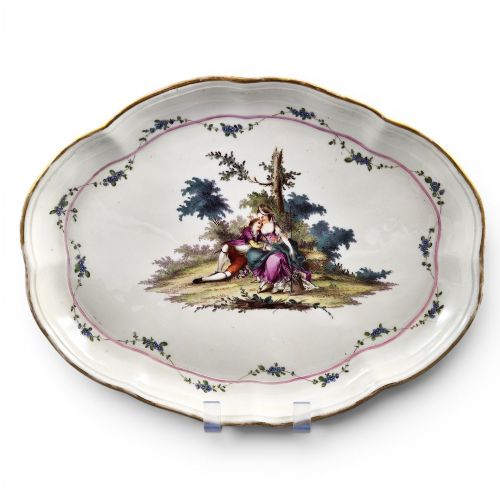
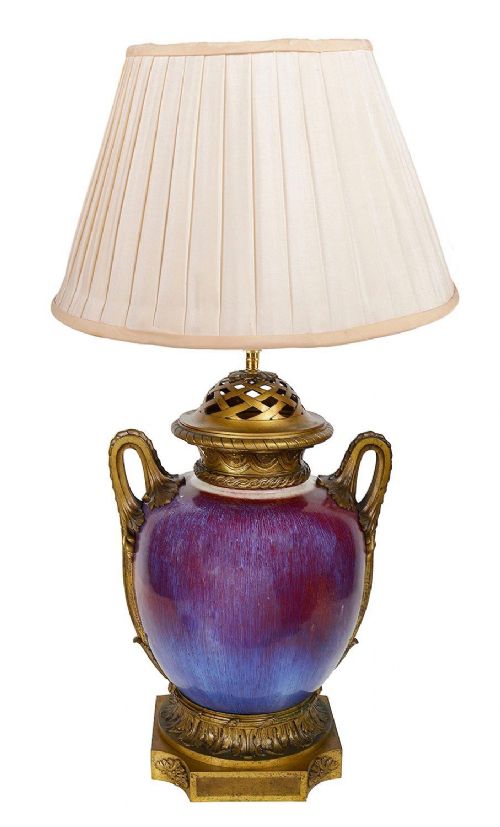


18th Century French Ceramics
These 18th century french ceramics bring together soft-paste porcelain, tin-glazed earthenware, and intricate hand-painted decoration from historic European kilns.
18th Century French Ceramics
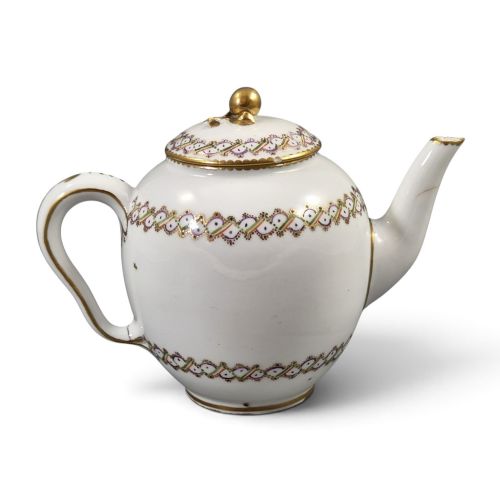
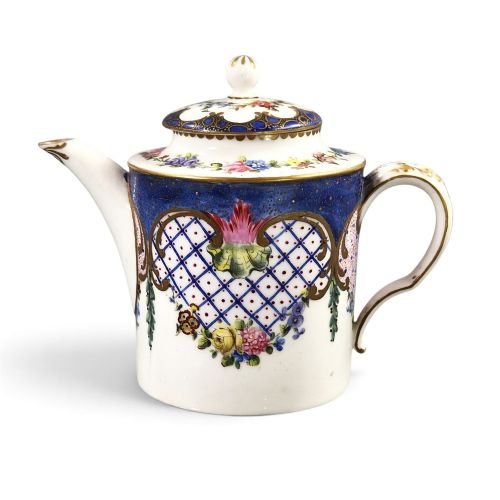
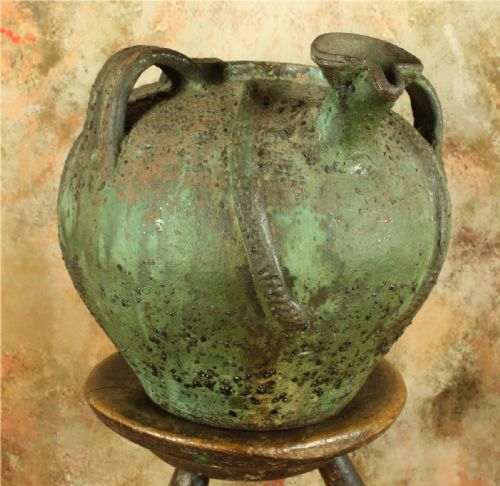
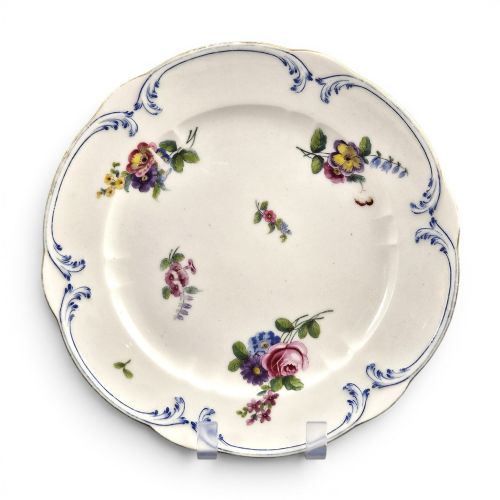
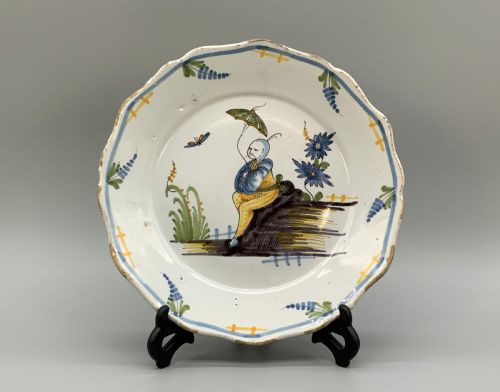
When you examine 18th century french ceramics, you find a diverse range of objects spanning teapots, decorative plates, jars, and figurines. The selection includes soft-paste porcelain and tin-glazed earthenware pieces reflecting regional production centres like Sèvres, Marseille, Chantilly, and Nevers.
Buyers encounter distinct forms influenced by French Rococo and Louis XVI styles, alongside functional vessels such as apothecary jars and oil pots. These historic items capture the domestic and decorative arts of their period through painted scenes, floral motifs, and moulded details.
How They Were Made
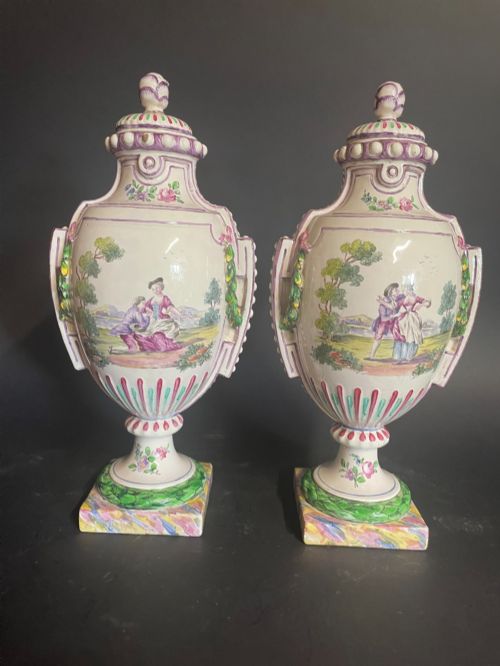
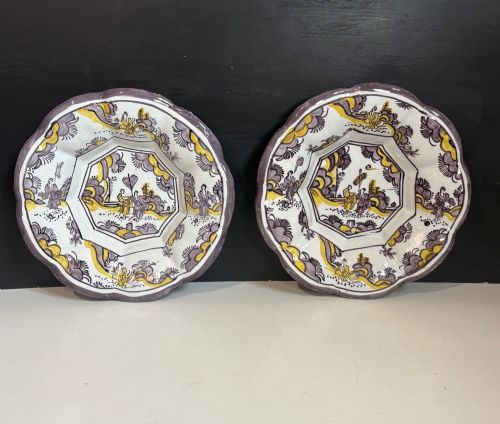
Maker's workshops utilised soft-paste porcelain and tin-glazed earthenware as primary bodies, applying tin glaze to create a smooth white surface for subsequent painting. Artisans decorated these pieces using hand-painted enamel colours, manganese, and yellow pigments, frequently incorporating gilding and gold leaf.
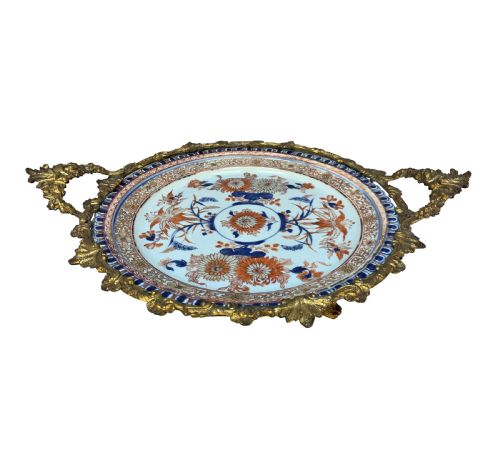
Many refined items received metal mounts, such as ormolu fittings, which enhanced the structural presence of porcelain plates and vases. Firing techniques required precise temperature control in kilns to fix the intricate overglaze enamels and underlying glazes.
18th Century French Ceramics Retail Price Guide 2026
Typical asking prices for 18th century french ceramics among the pieces listed under this phrase on Sellingantiques today, from the lower quarter to the upper quarter. They describe what is for sale here now, not the wider market.
Listings feature items from the eighteenth century through to 1860, incorporating porcelain, enamel, earthenware, and gold leaf.
What Varies in Quality
The standard of painting on 18th century french ceramics separates basic production wares from exceptional factory outputs. Finer examples display confident brushwork in floral sprays and figural scenes, whereas lesser pieces show stiffer lines and simpler repetitive borders.
Material composition and glazing consistency also define tier differences. Soft-paste porcelain with crisp moulding and well-preserved gilding or ormolu mounts commands greater attention than heavily worn or poorly fired earthenware.
Royal Sèvres Porcelain·La Coutille Factory·Veuve Perrin Marseille
The 18th Century French Ceramics Glossary
- Soft-paste porcelain
- A type of artificial porcelain made from a mixture of white clay, glass, and ground minerals rather than natural kaolin. It was widely produced in French factories during the eighteenth century.
- Faience
- European tin-glazed earthenware decorated with metal oxide colours over an opaque white glaze. This technique flourished across various French towns before porcelain production dominated.
- Ormolu
- Finely ground high-carat gold applied in a mercury amalgam to a bronze base, used extensively for decorative mounts on porcelain vessels.
- Camaieu
- A monochrome painting technique in a single colour, such as puce or manganese, creating shaded tonal effects resembling a cameo.
- Sweetmeat presentier
- A raised dish or stand specifically designed for serving small sweet confections, nuts, or dried fruits during formal dining.
18th Century French Ceramics: Frequently Asked Questions
How do I identify Sèvres porcelain?
Look for characteristic soft-paste bodies combined with refined floral painting, gilding, and specific period styles like Louis XV or Louis XVI. Factory output often includes specific tea wares and dinner plates.
Examine the glaze consistency and the precision of the hand-painted decoration to understand the piece's baseline production standard.
What is tin-glazed earthenware?
Tin-glazed earthenware is pottery coated with an opaque white glaze containing tin oxide, providing a clean surface for painted decoration. This technique was used for chargers, jars, and dishes in regional centres.
These pieces typically display vibrant pigments like manganese and yellow under the glaze layer.
How should I display porcelain figurines?
Place figurines on stable, flat surfaces away from direct sunlight and high-traffic areas where they might get knocked. Soft-paste figures benefit from stable indoor humidity levels.
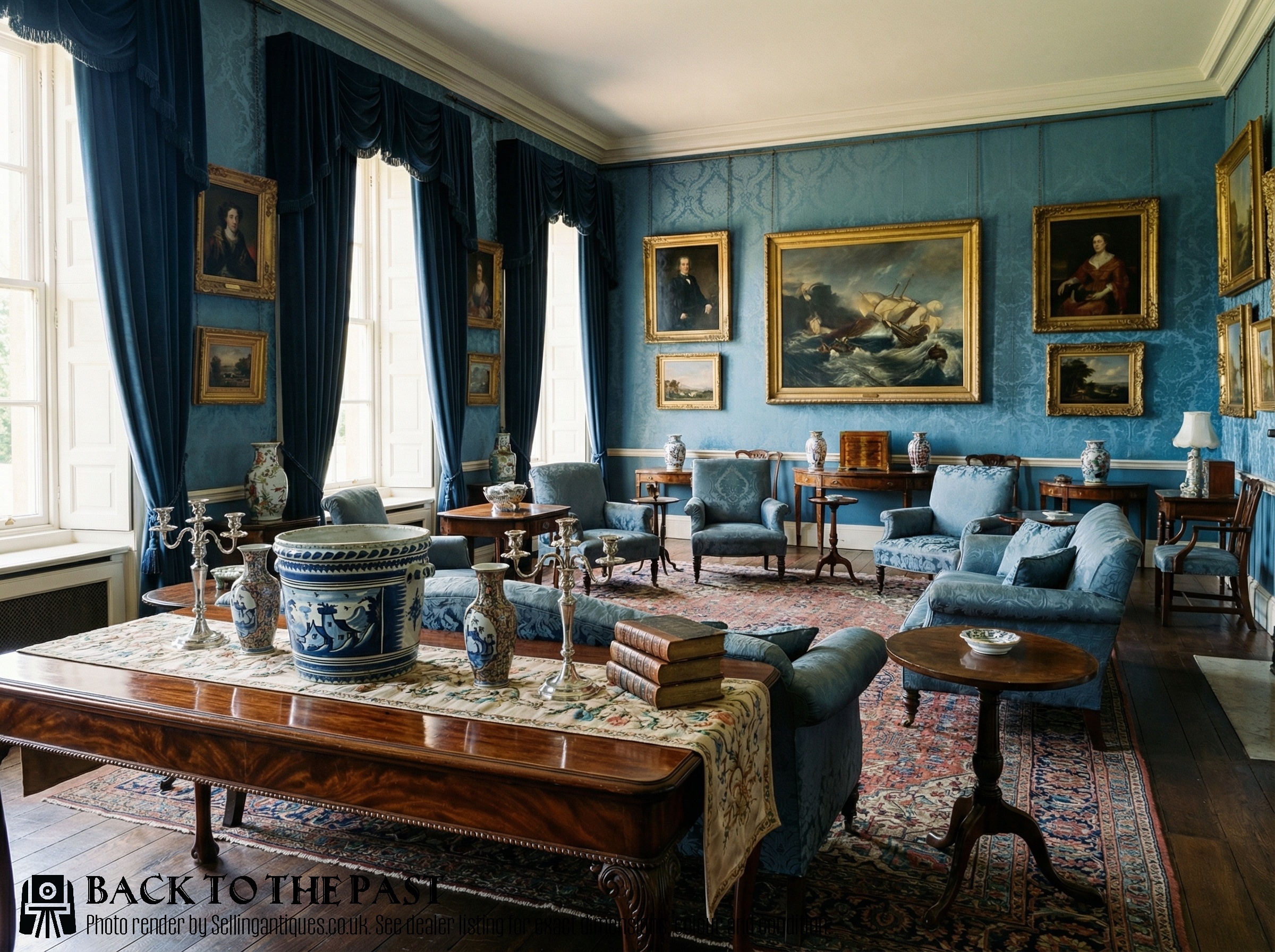
Ensure supporting furniture matches the scale of the decorative objects to create a balanced arrangement.
What distinguishes Chantilly porcelain?
Chantilly porcelain is recognised for its specific soft-paste body and distinct decorative borders, such as the ozier pattern. Plates and small dishes often feature delicate floral motifs.
Items from this factory reflect the early technical developments of French ceramic manufacturing during the mid-eighteenth century.