


Masons Ironstone Plates
These masons ironstone plates bring robust ceramic durability and vibrant patterns to the table.
Masons Ironstone Plates
When you search for masons ironstone plates, you encounter sturdy ceramic tableware developed in the nineteenth century. These sturdy earthenwares served busy households as durable dinner services and decorative chargers. Surviving examples span Georgian, Regency, Victorian, and Edwardian periods.
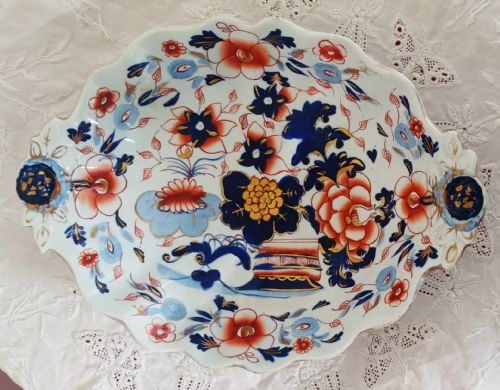
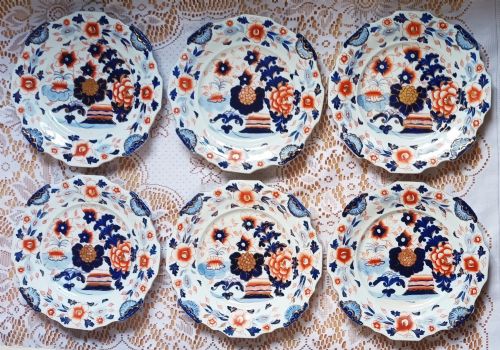
You are most likely to meet standard dinner plates, dessert services, and soup bowls finished in rich polychrome patterns. Many pieces carry familiar names like Japan, Old School House, Water Lily, or Grasshopper. Serving platters, comports, and cheese dishes frequently accompany the plates in matching colourways.
How they were made
Potters combined fine clay with ground slag and stone to produce a dense, vitrified ironstone body capable of withstanding heavy daily use. This ceramic substance received a durable glaze that protected the underlying body from staining.
Skilled hands applied colourful enamel paints and gold leaf highlights over the glazed surface to create intricate Chinoiserie and Imari motifs. Subsequent kiln firings permanently bonded these pigments to the ceramic body.
Masons Ironstone Plates Retail Price Guide 2026
Typical asking prices for masons ironstone plates among the pieces listed under this phrase on Sellingantiques today, from the lower quarter to the upper quarter. They describe what is for sale here now, not the wider market.
Surviving forms span the Georgian, Regency, Victorian, and Edwardian eras, encompassing dinner plates, cheese dishes, and footed comports.
What varies in quality
The precision of the hand painting and the complexity of the design separate standard production from exceptional work. Pieces displaying meticulous brushwork and rich gilding command greater attention from collectors.
The crispness of the moulded relief shapes and the preservation of the original enamel colours determine the overall standard of each surviving dish.
C.J. Mason·Mason
The Masons Ironstone Plates Glossary
- Ironstone china
- A dense, durable ceramic body patented in the nineteenth century as a tough alternative to porcelain. It resists chipping and holds heavy glazes exceptionally well.
- Imari pattern
- A decorative style employing deep cobalt blue, iron red, and gold leaf in intricate compartmentalised designs. This aesthetic draws inspiration from traditional Japanese export wares.
- Chinoiserie
- A European artistic interpretation of Chinese and East Asian motifs, often depicting imaginary landscapes, pagodas, and exotic birds. It appears frequently on early nineteenth-century table services.
- Charger plate
- A large decorative plate utilised underneath smaller service dishes or displayed upright on a sideboard. These substantial pieces often showcase the most elaborate hand-painted patterns.
- Comport
- A raised footed dish designed for serving fruit, sweets, or small cakes at the centre of the dining table. They elevate specific courses above the level of flat dinner plates.
Masons Ironstone Plates: Frequently Asked Questions
Are masons ironstone plates dishwasher safe?
Modern automatic dishwashers use harsh detergents and abrasive heat cycles that quickly strip away hand-painted enamels and delicate gold leaf highlights. Hand washing in warm soapy water preserves the fragile pigments on these nineteenth-century ceramics.
Protecting the original glaze and surface decoration ensures the longevity of antique ironstone services during everyday handling.
How do I identify a Regency period piece?
Regency pieces often display early Chinoiserie or Imari patterns combined with a heavier ironstone body and distinct hand-painted numbering on the underside. These items frequently date between the late eighteenth century and the eighteen-twenties.
Comparing pattern names and backstamps helps establish whether a dish belongs to the earliest periods of production.
What is the difference between a charger and a plate?
Chargers are substantially larger decorative plates designed to anchor a formal table setting or serve as a centrepiece rather than hold food directly. Standard plates appear in smaller dimensions intended for individual portions of meat, soup, or dessert.
Both forms utilise the same ironstone body and enamel decoration techniques.
Can I use these plates for daily dining?
Ironstone was originally formulated to withstand the rigours of nineteenth-century country house dining. The dense ceramic body resists daily wear, though historic glazes can develop fine craze lines over long periods of use.
Many collectors prefer to reserve these antique services for special occasions to protect the hand-painted enamels from cutlery scratches.