





Cobalt Blue Ceramic Plates
Cobalt blue ceramic plates bring deep, rich colour and centuries of craftsmanship to your table.
What cobalt blue ceramic plates are
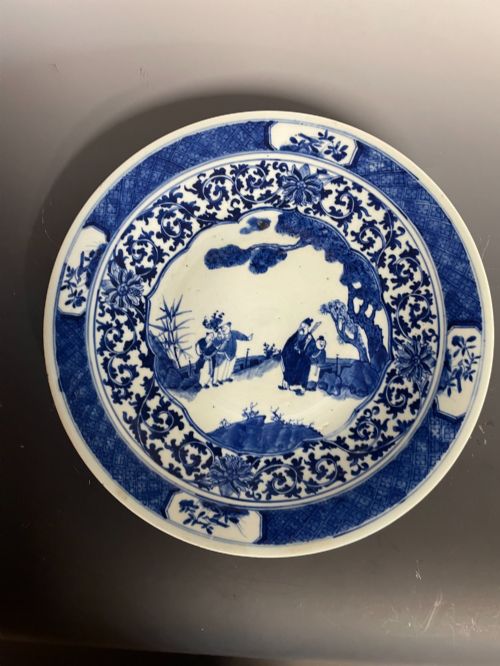
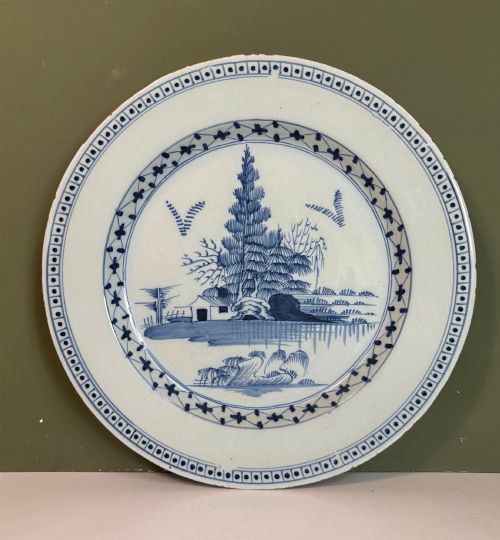
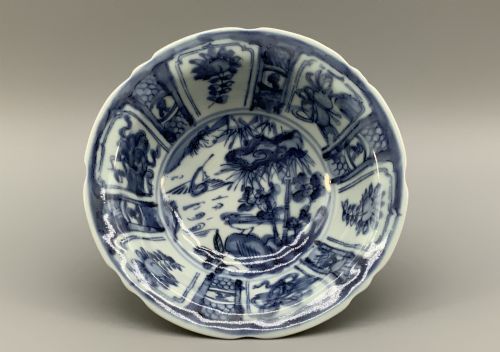
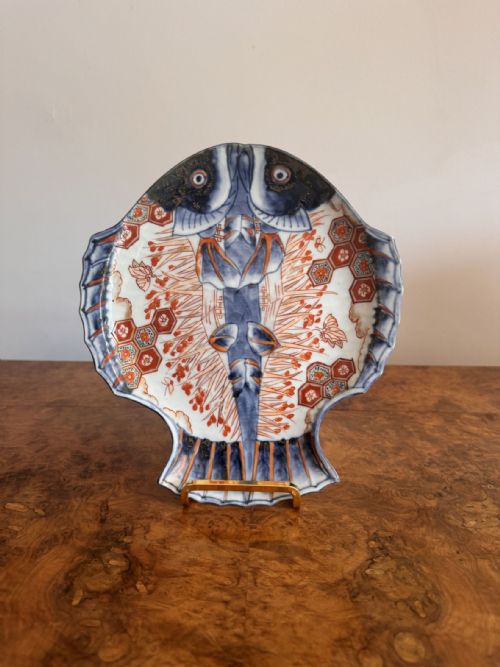
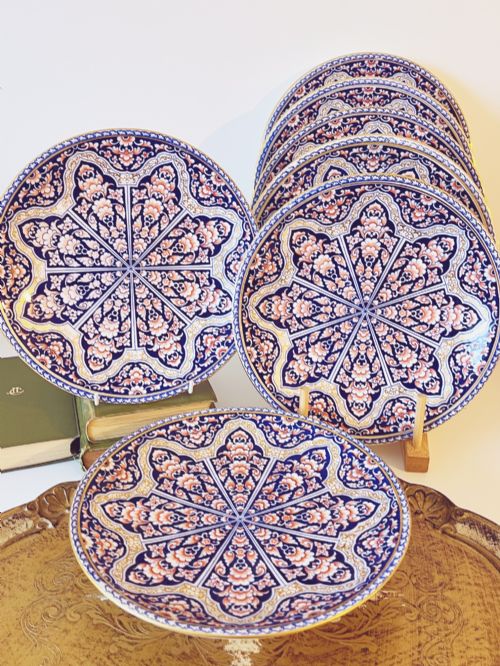
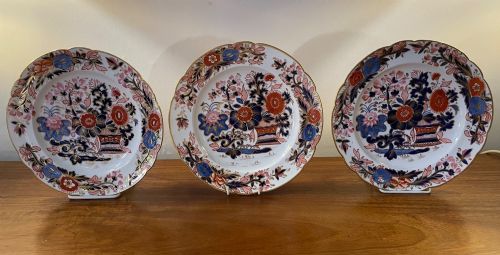
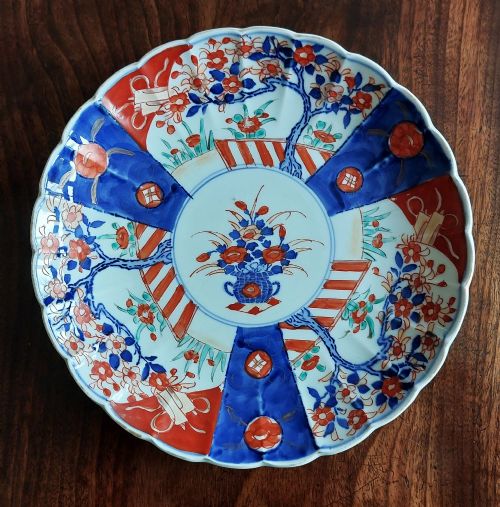
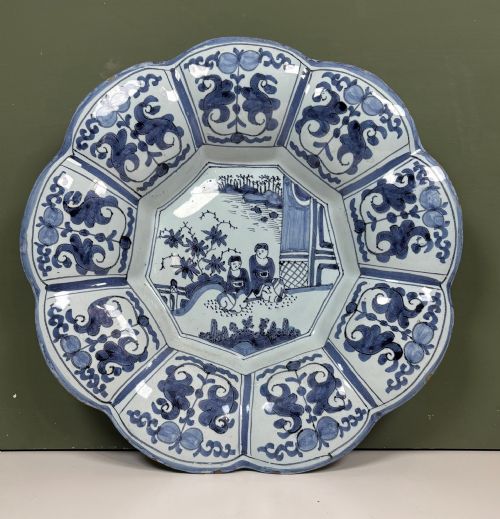
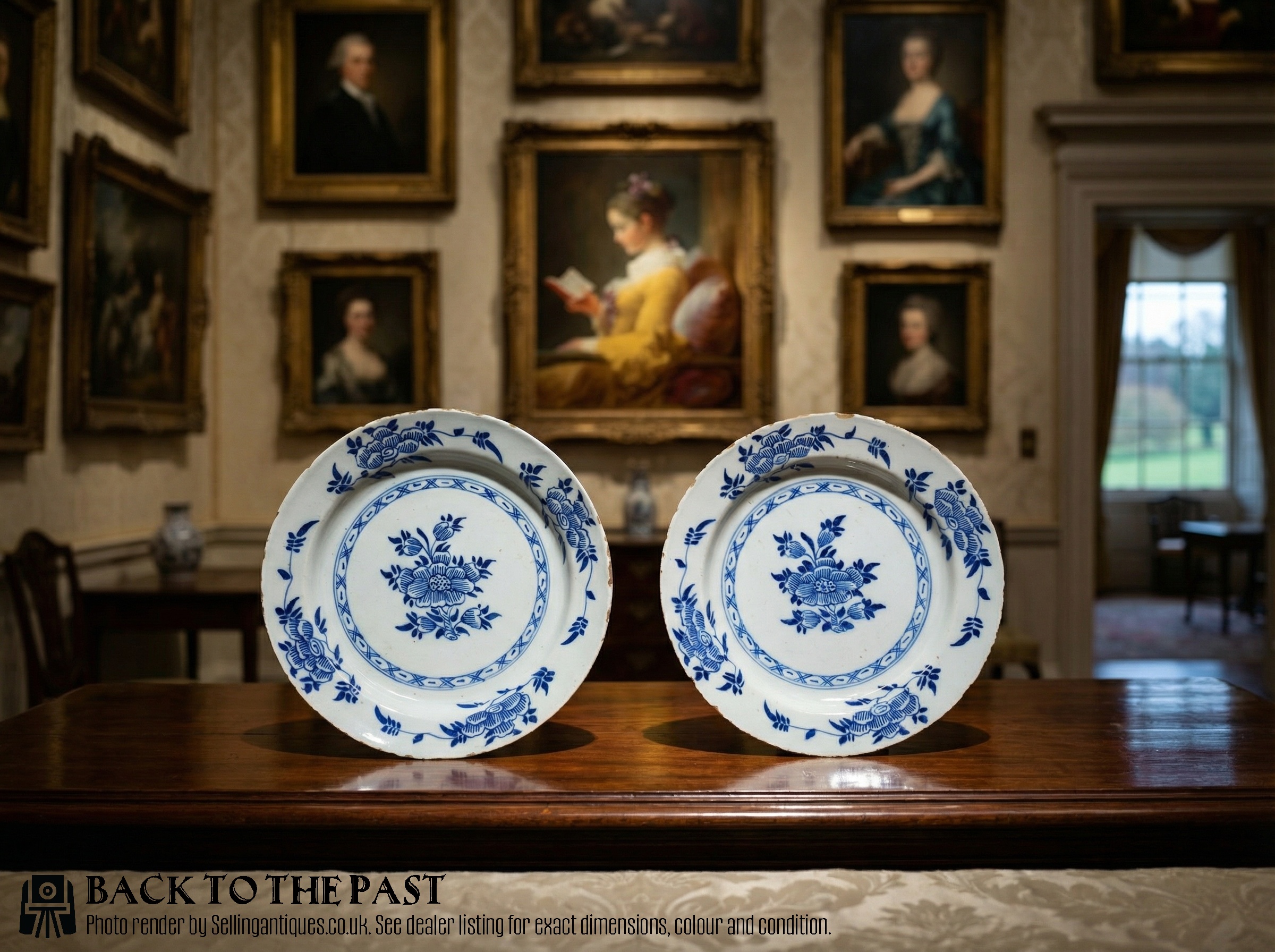
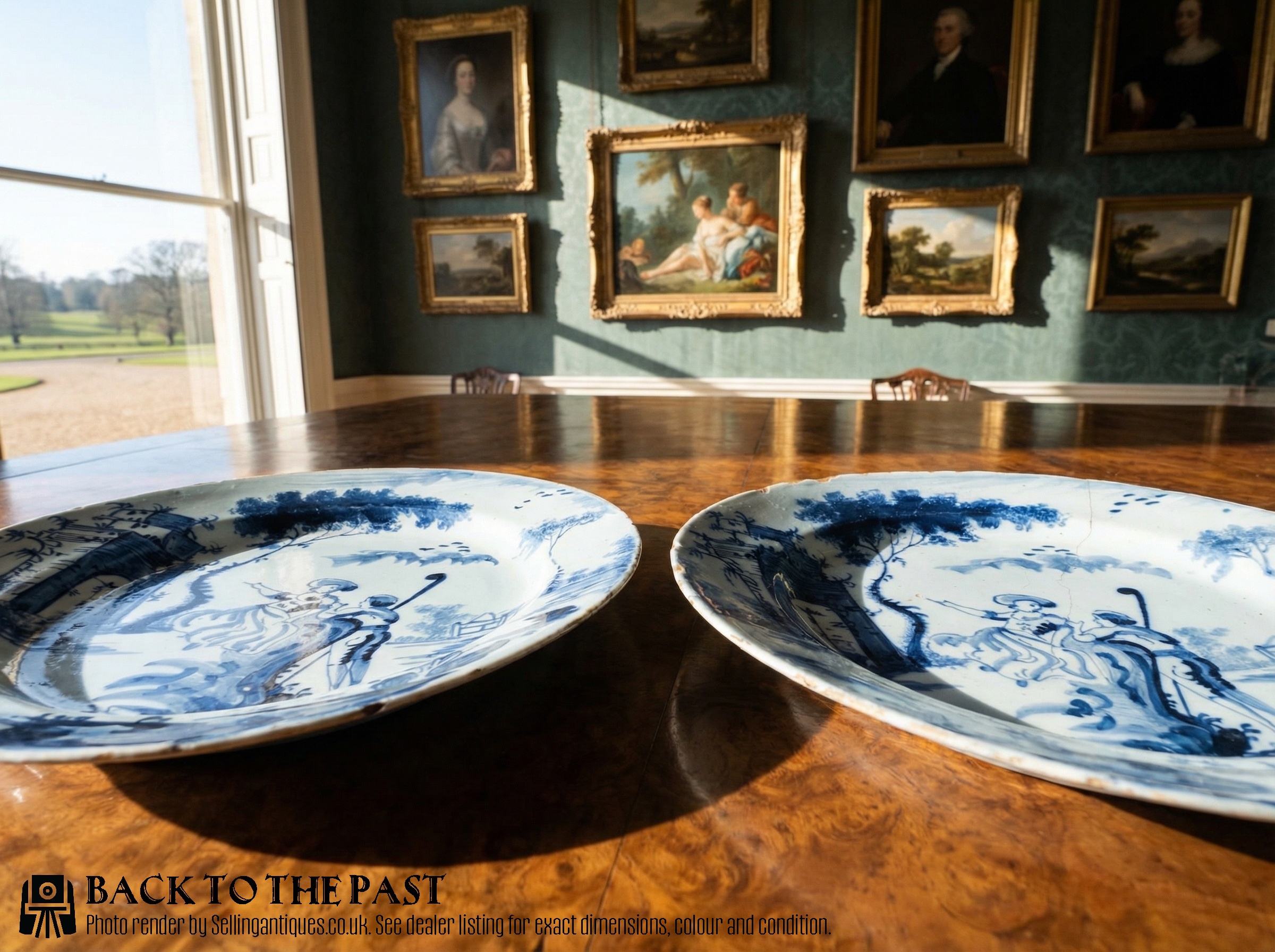
The most common examples on this page date from the eighteenth and nineteenth centuries, including English Delftware, Mason's ironstone china, and Japanese Imari imports popular in Britain. These pieces feature diverse forms, from dessert services with matching comports to robust earthenware plates intended for daily dining.
How they were made
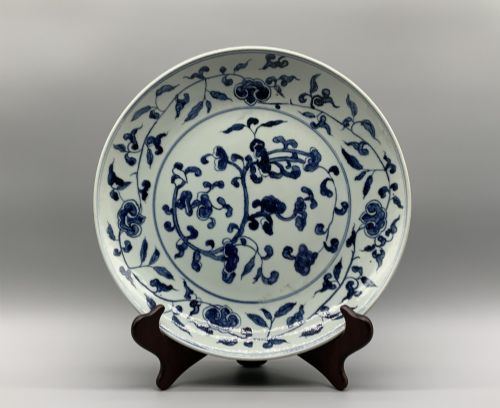
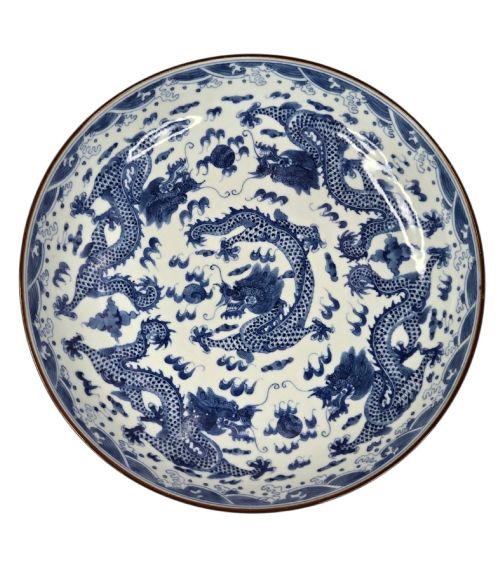
Potters utilised materials such as earthenware, porcelain, and tin glaze to form the body of each plate before applying stable cobalt pigment. This mineral pigment withstands high kiln temperatures, allowing artisans to paint intricate cobalt designs directly onto the raw clay or fired glaze.
Many nineteenth century examples employ ironstone china, a dense and durable ceramic material developed to resist chipping during regular service. Skilled hands then added finer details using enamel and gold leaf over the fired cobalt motifs.
Tin glazed earthenware pieces from the eighteenth century required a opaque white glaze layer that accepted cobalt pigment smoothly before a final protective gloss firing.
Retail Price Guide 2026
Typical UK retail prices for cobalt blue ceramic plates, calculated from the Sellingantiques database of over a million retail prices indexed since 2003. This retail price guide relies exclusively on Sellingantiques data; no external sources or auction records are used, so the figures do not describe the wider market.
Listings feature ceramics spanning the eighteenth and nineteenth centuries, utilising materials from tin glaze to ironstone.
What varies in quality
Quality in cobalt blue ceramic plates lies in the crispness of the painted pigment and the refinement of the ceramic body. Finer nineteenth century porcelain and ironstone exhibit thinner walls and sharper botanical or oriental motifs compared to heavier utility wares.
The application of secondary embellishments such as enamel and gold leaf distinguishes standard production from superior pieces. Preservation of the glaze surface and the depth of the cobalt blue tone dictate the visual impact of each plate.
Royal Crown Derby
The Cobalt Blue Ceramic Plates Glossary
- Cobalt Pigment
- A stable metallic oxide used to achieve deep blue ceramic decoration under high kiln temperatures.
- Tin Glaze
- An opaque white glaze containing tin oxide, providing a smooth canvas for blue painting on earthenware.
- Ironstone
- A heavy, durable ceramic body patented in the nineteenth century to imitate porcelain.
- Imari
- A decorative style featuring rich cobalt blue and iron red, often highlighted with gold leaf.
- Dessert Service
- A matching set of plates and serving pieces intended for the final course of a formal meal.
Frequently Asked Questions
How do I date an antique plate?
Dating relies on examining the ceramic body, glaze characteristics, and any factory marks stamped or painted on the reverse. Early pieces often show irregular potting techniques characteristic of eighteenth century production.
Later nineteenth century items typically feature standardised ironstone bodies or impressed date codes that help narrow their origin.
Can I use these plates for dining?
While historic plates were made for food service, antique ceramic pieces often carry delicate glazes or fragile gold leaf embellishments susceptible to modern detergents. Many collectors prefer to display them on walls or in cabinets.
Gentle hand washing is essential if you choose to use them for special dining occasions.
What is the difference between Delft and ironstone?
Delft plates utilise a porous earthenware body covered in a white tin glaze that holds soft cobalt blue painting. They originate primarily in the eighteenth century and possess a softer, chalky structure.
Ironstone, introduced later in the nineteenth century, is a dense, vitrified ceramic designed for heavy commercial and domestic utility.
Why is the blue colour so intense?
Cobalt oxide possesses a high heat tolerance that prevents the pigment from burning away during high temperature kiln firings. This chemical stability allows the colour to retain its deep, vibrant shade across centuries.
Painters applied the pigment with varying brush pressure to create subtle shading within the blue design.