

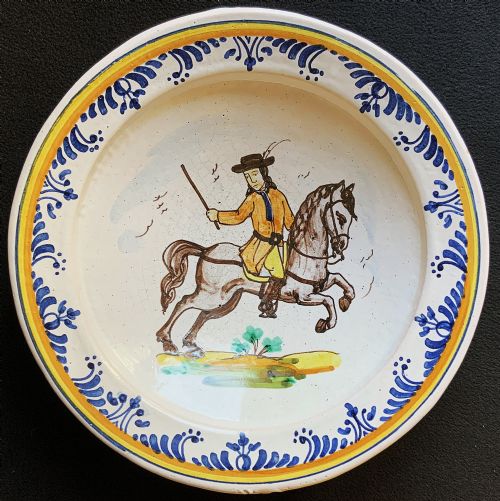


Blue White Delftware Plates
Blue white delftware plates bring centuries of tin-glazed earthenware and cobalt pigment into a room, offering historic character for collectors.
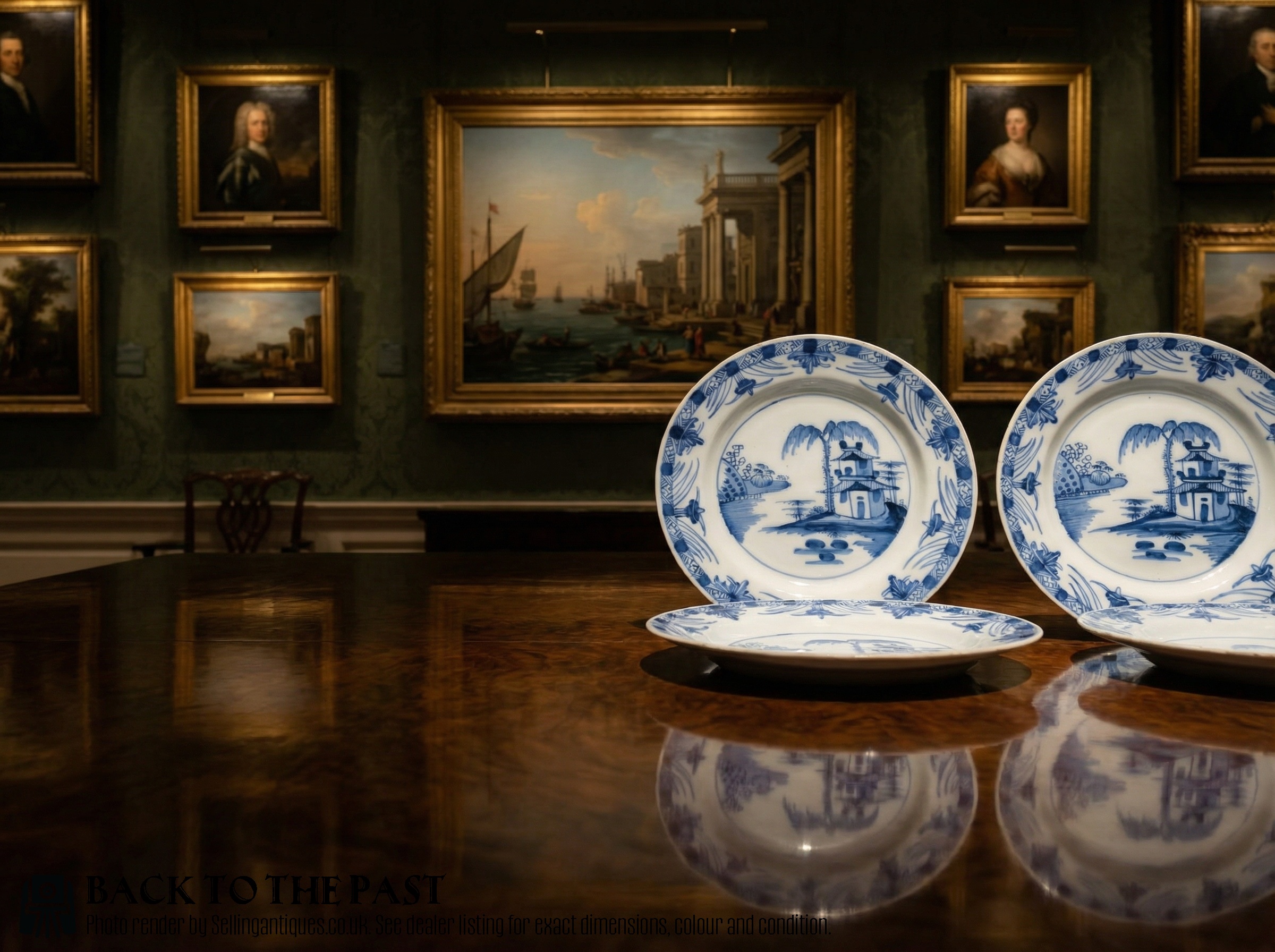
Blue White Delftware Plates
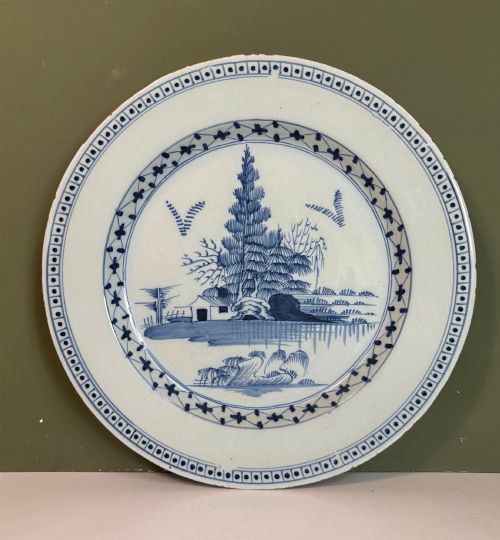
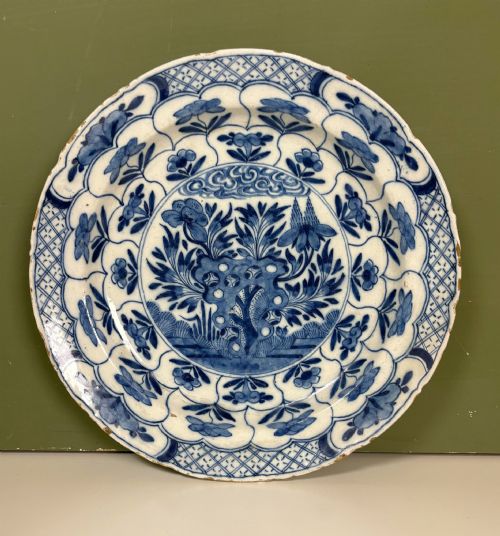
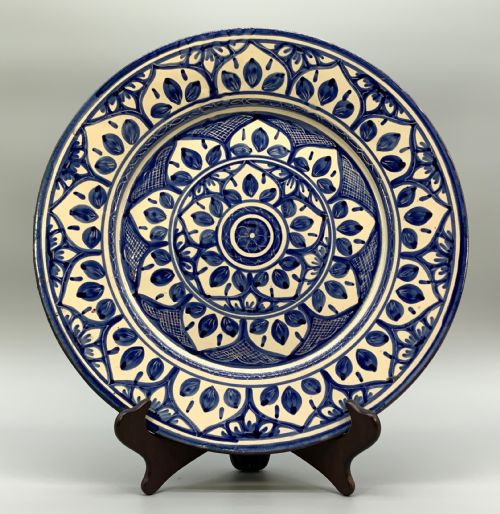
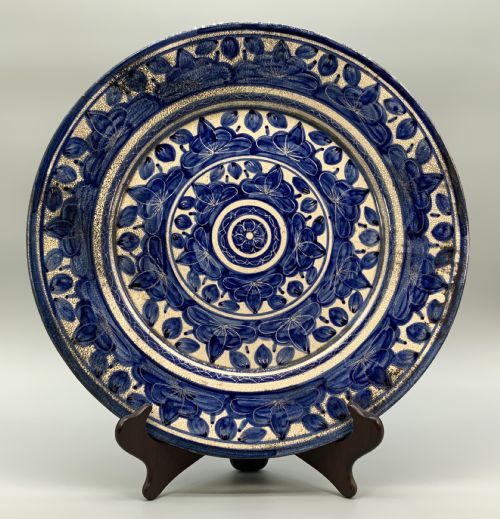
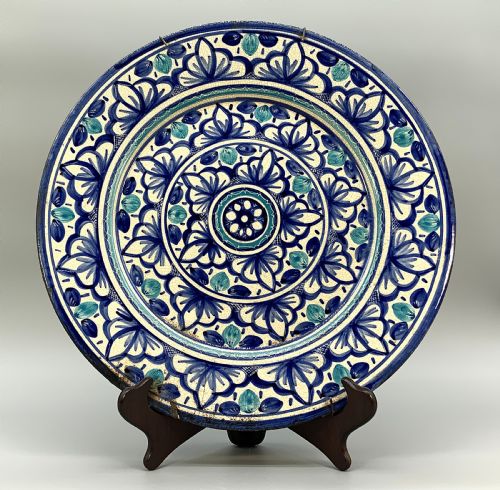
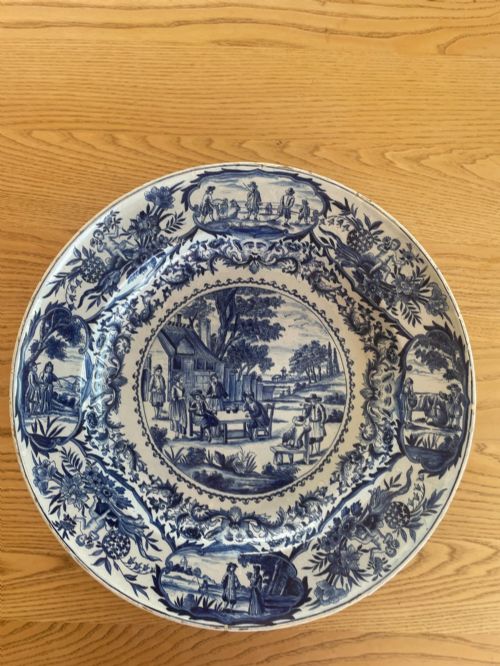
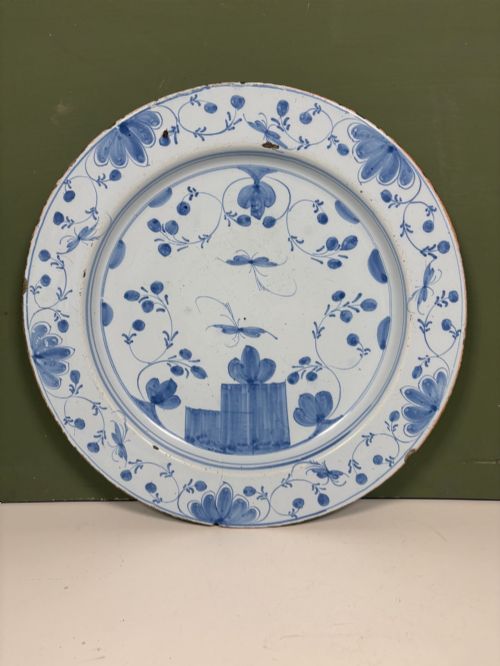
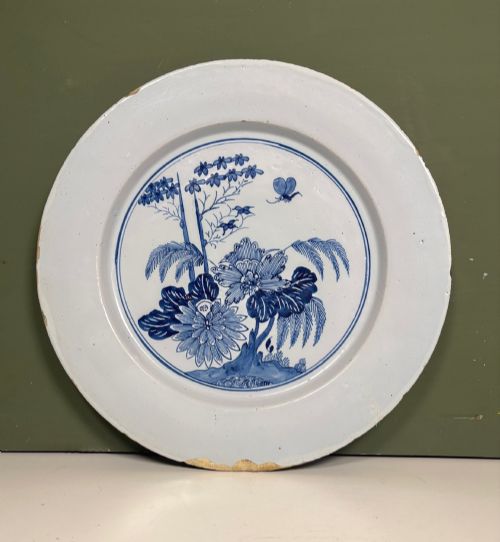
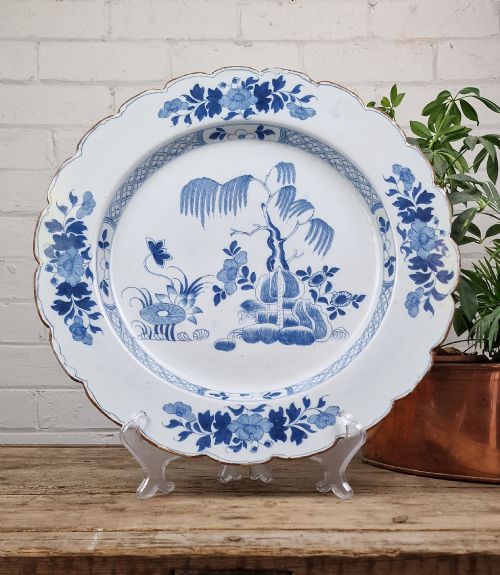
Blue white delftware plates encompass earthenware dishes, chargers, and platters shaped by centuries of European ceramic tradition. When searching for blue white delftware plates, buyers encounter large chargers, shallow bowls, and formal dishes originating from English, Dutch, and continental potteries.
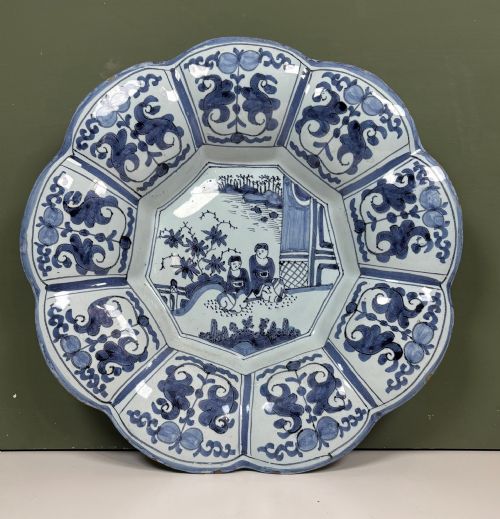
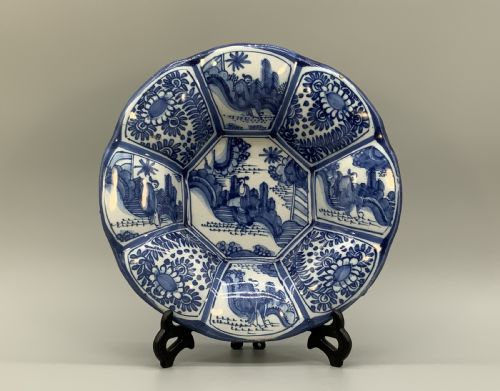
The selection ranges from small seventeenth-century Kraak style plates to expansive eighteenth-century chargers and later continental revivals. Pieces span multiple eras including the seventeenth and eighteenth centuries, alongside later nineteenth and twentieth-century interpretations.
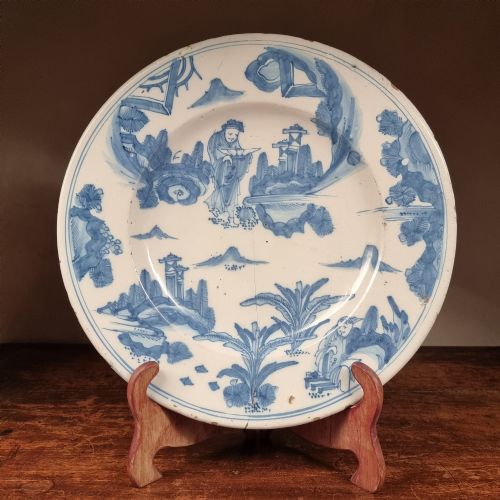
Makers and producers across England and the continent produced these wares using distinct regional decoration, including Georgian chinoiserie and Dutch Baroque influences. Domestic items such as marriage plates sit alongside large decorative platters intended for display.
What varies in quality
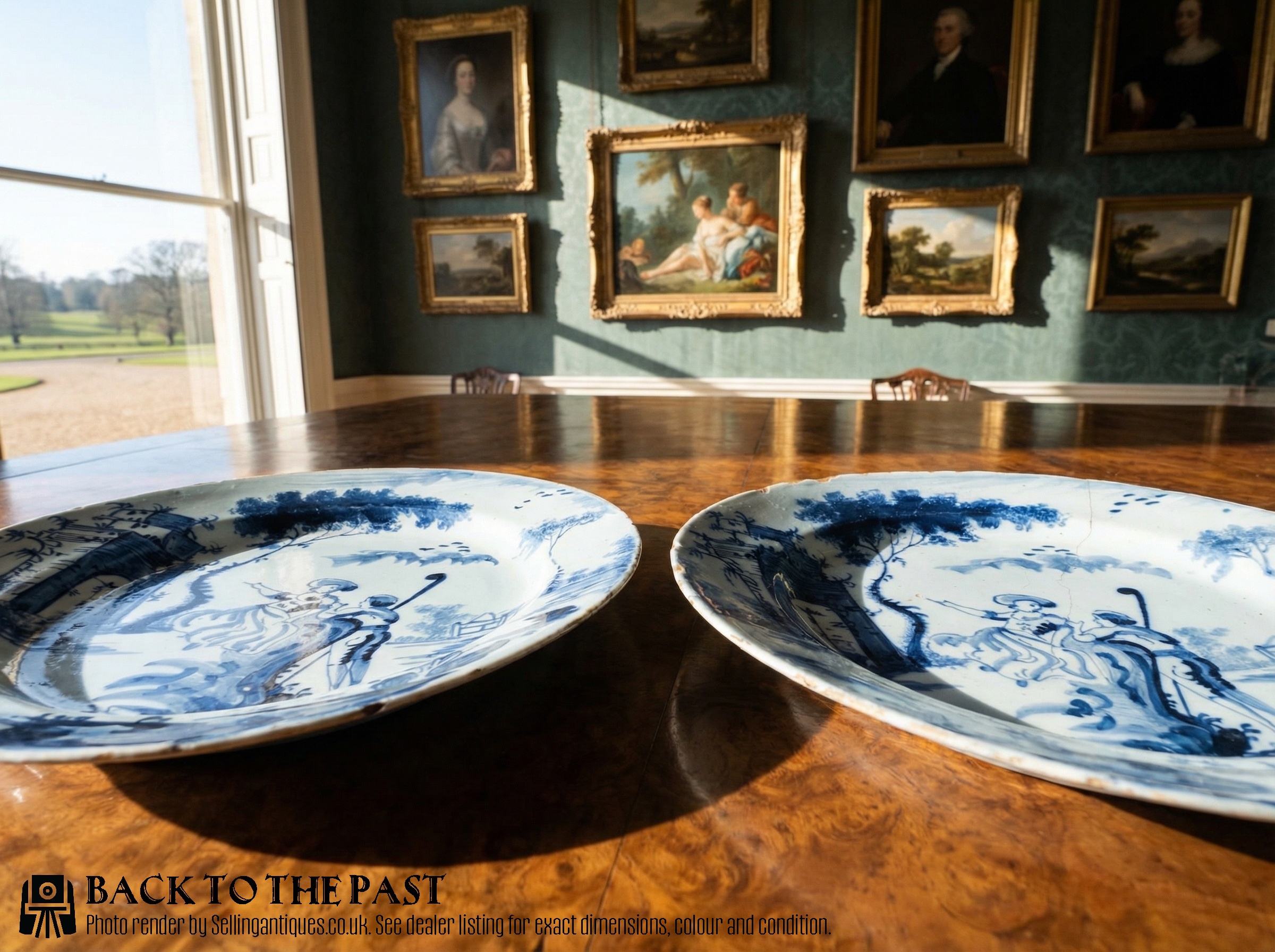
Quality rests upon the control of the cobalt pigment and the purity of the tin glaze applied to the earthenware body. Strong definition in the blue painted motifs separates accomplished painterly work from hurried execution.
The survival of the tin glaze across centuries determines the visual cohesion of the surface. Early examples demonstrate precise throwing of the clay body alongside balanced proportions in large chargers and shallow bowls.
Listings feature tin-glazed earthenware spanning from the seventeenth century through to mid-twentieth-century Moorish revival delftware.
The Blue White Delftware Plates Glossary
- Tin-glazed earthenware
- Ceramic pottery coated with an opaque white glaze containing tin oxide. This material forms the bright white ground upon which blue cobalt painting sits.
- Cobalt pigment
- Mineral oxide used by painters to create blue decoration on ceramic wares. It reacts in the kiln to produce deep tones ranging from soft grey-blue to dark cobalt.
- Charger
- A large decorative plate intended for display on walls or sideboards rather than dining use. These substantial dishes often measure significantly wider than standard plates.
- Kraak style
- A decorative scheme inspired by Chinese export porcelain featuring segmented panels and central motifs. Dutch and English delft potteries adopted this aesthetic during the seventeenth century.
- Marriage plate
- Commemorative ceramic dish produced to mark a wedding union, frequently featuring initials, dates, and symbolic imagery. These pieces hold specific social history.
Blue White Delftware Plates: Frequently Asked Questions
What are blue white delftware plates?
Blue white delftware plates are tin-glazed earthenware dishes decorated with cobalt oxide pigment, originating from workshops in England, Holland, and continental Europe.
They include domestic plates, shallow bowls, and large decorative chargers spanning the seventeenth, eighteenth, and subsequent centuries.
How were these plates used historically?
Many large chargers and platters were created primarily for display on sideboards or walls to showcase household status and taste. Smaller plates saw use in formal dining or as special presentation pieces for weddings and events.
Over time, surviving items transitioned from utilitarian table objects into cherished collection pieces preserved for their artistic and historical merit.
How do you date early delft plates?
Dating relies on stylistic markers, tin glaze characteristics, and the handling of the clay body beneath the glaze. Seventeenth-century pieces often feature Kraak or Dutch Baroque influences, while eighteenth-century examples reflect Georgian aesthetics and changing floral motifs.
Archival records, pottery attributions from centres like Lambeth or Bristol, and comparative analysis of brushwork help narrow the period.
How should I display delft plates safely?
Displaying these tin-glazed pieces requires secure plate hangers or dedicated display stands that distribute weight evenly across the earthenware body. Avoid hanging them in areas subject to heavy vibrations, temperature extremes, or direct sunlight.
Maintaining stable environmental conditions helps protect the historic tin glaze from undue stress over time.