





English Delft Ceramic Plates
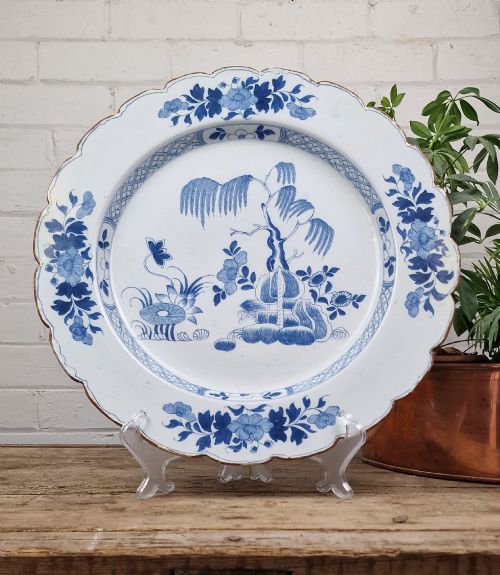
English delft ceramic plates are tin-glazed earthenware dishes from the eighteenth century, prized for their hand-painted cobalt and polychrome decoration.
English Delft Ceramic Plates
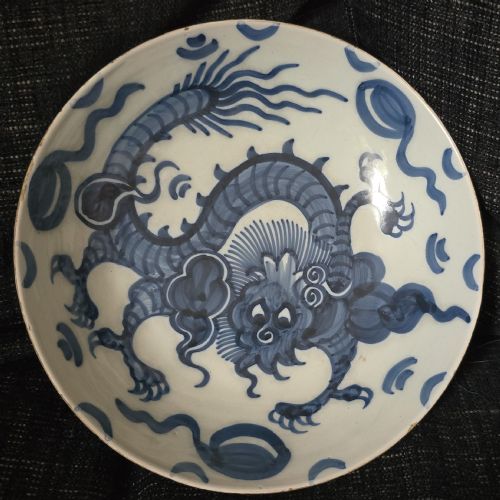
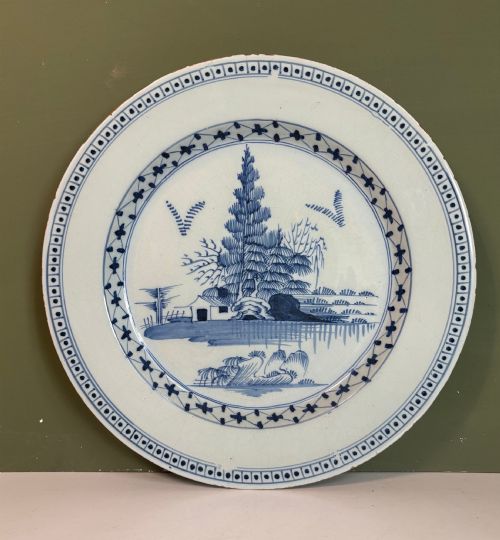
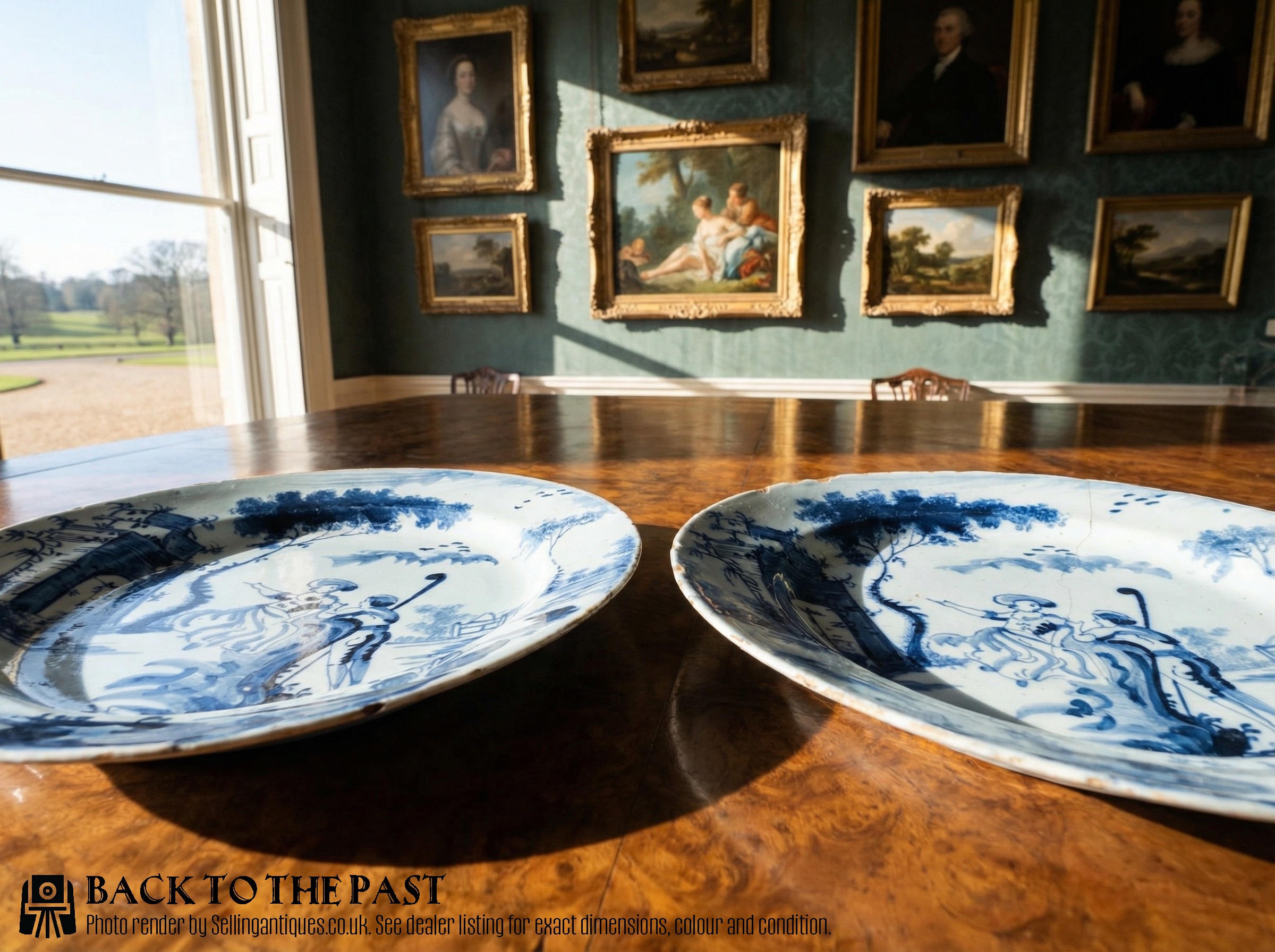
When searching for english delft ceramic plates, buyers encounter eighteenth-century earthenware items shaped as chargers, shallow bowls, and dishes. These objects originate primarily from English production centres during the Georgian period.
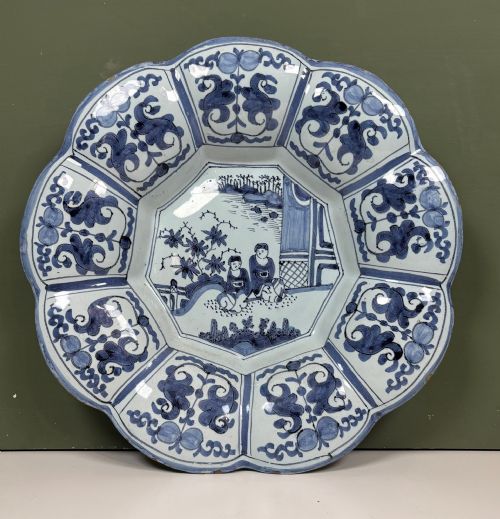
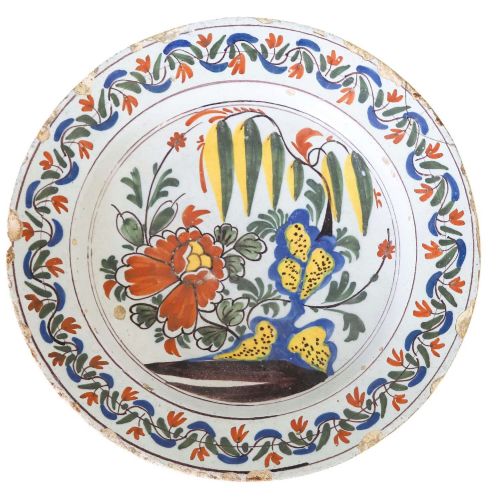
The selection on this page consists predominantly of eighteenth-century examples featuring blue and white or polychrome palettes. Forms range from small plates to large chargers intended for display.
The styles present include Georgian Chinoiserie and traditional Delftware motifs. Pieces vary from single items to pairs and matched sets.
Materials and Technique
Potters shaped clay into earthenware bodies that formed the structural base of each dish. These bodies were fired before receiving their surface coatings.
Makers applied a tin-glaze over the earthenware to create a white, opaque background. Cobalt pigment and other metal oxides were hand-painted directly onto this absorbent unfired glaze layer before a final kiln firing fixed the colours.
English Delft Ceramic Plates Retail Price Guide 2026
Typical asking prices for english delft ceramic plates among the pieces listed under this phrase on Sellingantiques today, from the lower quarter to the upper quarter. They describe what is for sale here now, not the wider market.
Materials recorded across the inventory include earthenware, clay, tin glaze, and cobalt pigment.
Aspects of Quality
The clarity and execution of the hand-painted decoration distinguish finer examples from simpler production. Artisans who achieved crisp brushwork and balanced pictorial compositions produced superior pieces.
The smoothness and opacity of the tin-glaze surface influence the overall appearance. Potteries that managed kiln temperatures effectively achieved more uniform glazes with fewer surface imperfections.
Bristol·Lambeth
The English Delft Ceramic Plates Glossary
- Tin Glaze
- An opaque white glaze made by adding tin oxide to a lead glaze base. This technique provides the characteristic white surface used for painting.
- Charger
- A large decorative plate or dish. These substantial pieces were typically displayed on walls or sideboards rather than used for dining.
- Polychrome
- Decoration employing multiple colours. On these wares, palette colours typically include hues like yellow, green, blue, and red.
- Chinoiserie
- European interpretations of Chinese artistic motifs. These designs appear frequently on eighteenth-century ceramic plates.
- Earthenware
- Porous pottery fired at relatively low temperatures. It requires a glaze, such as tin glaze, to become impervious to liquids.
English Delft Ceramic Plates: Frequently Asked Questions
What is an english delft ceramic plate?
These objects are tin-glazed earthenware dishes produced in England during the eighteenth century. They display hand-painted designs in blue and white or polychrome colours.
Potters created them using local clays covered with an opaque white tin glaze. Painters then decorated the surface by hand before firing.
How were these plates used?
Large chargers were primarily used for display on sideboards or walls in Georgian homes. Smaller plates served functional purposes at table or held sweetmeats.
Because tin-glazed earthenware chips easily, many surviving decorative chargers spent their lives as ornamental objects rather than everyday tableware.
How do I care for antique delftware?
Keep these ceramic items away from excessive moisture and sudden temperature changes. Hand wash them gently when necessary without soaking.
Display them securely using appropriate plate hangers that distribute weight evenly across the rim and base.