
Georgian Period English Ceramics
Georgian period english ceramics comprise eighteenth and nineteenth-century porcelain and earthenware domestic vessels and tableware created during the Georgian and Regency eras.
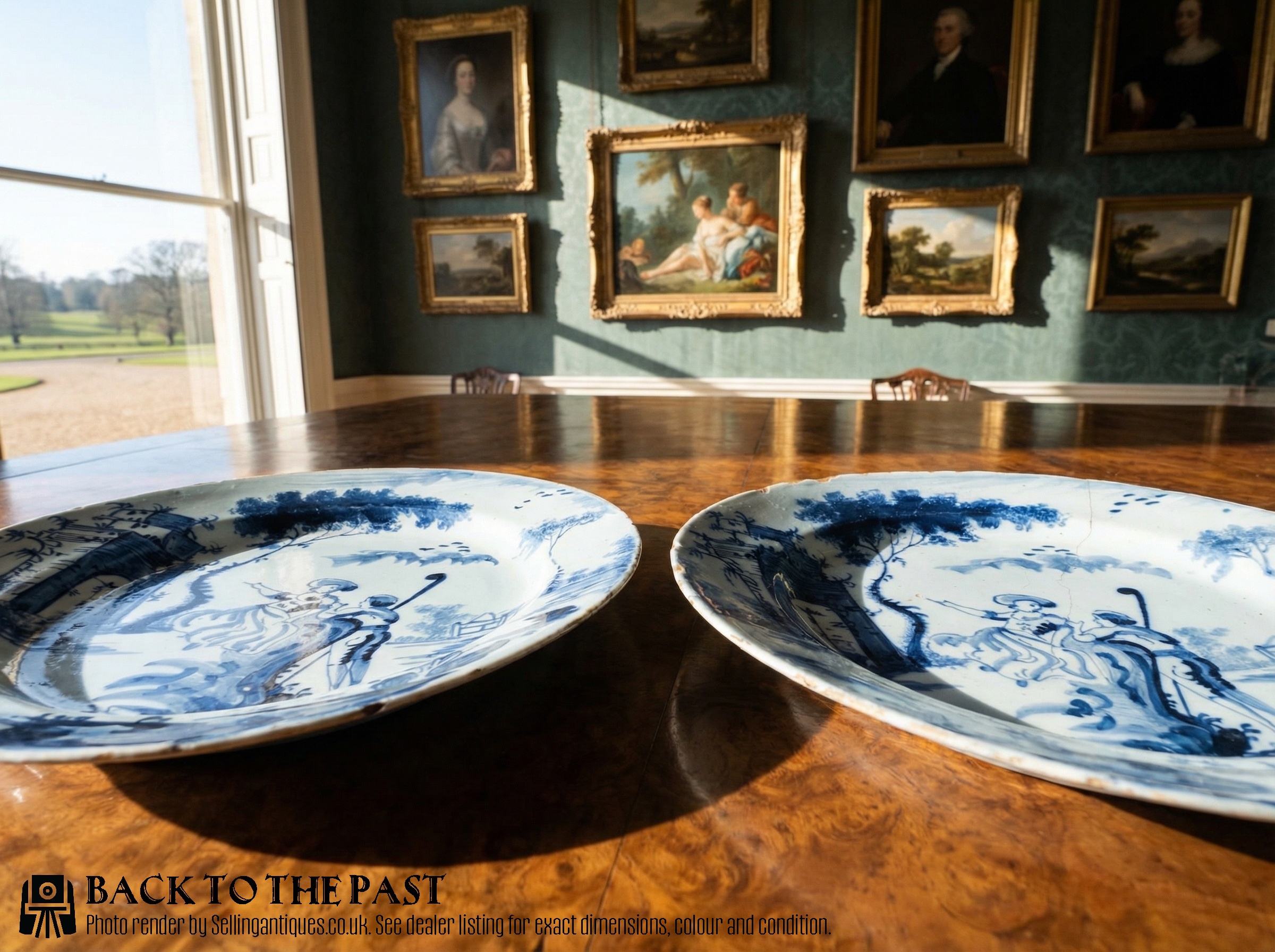
Georgian Period English Ceramics
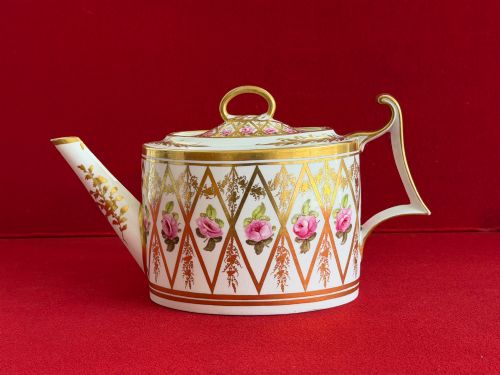
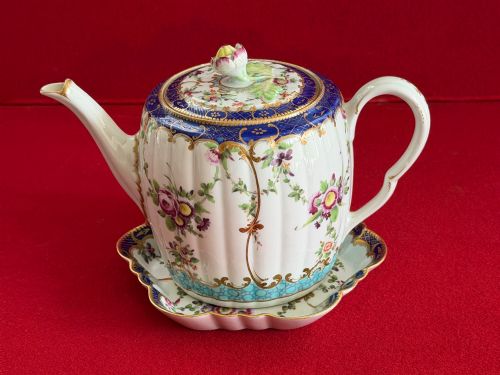
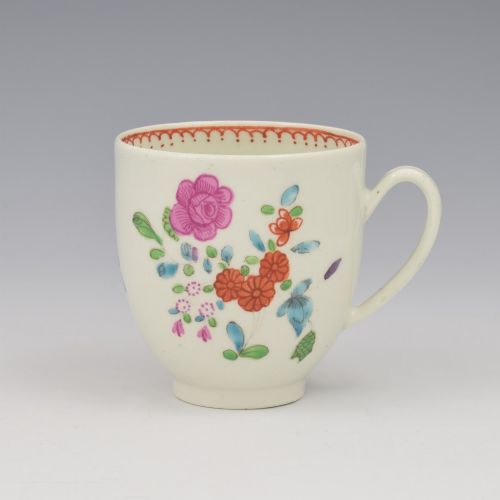
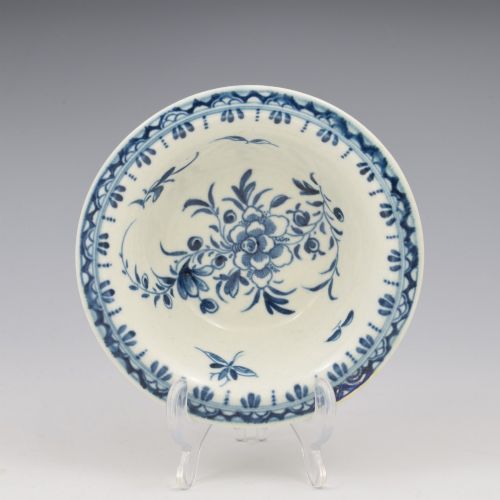
Georgian period english ceramics represent domestic tableware and decorative objects produced across the eighteenth and nineteenth centuries, spanning the Georgian and Regency eras. A buyer examining this selection encounters soft-paste porcelain tea services, earthenware dishes, and decorative vessels from notable factories such as Worcester.
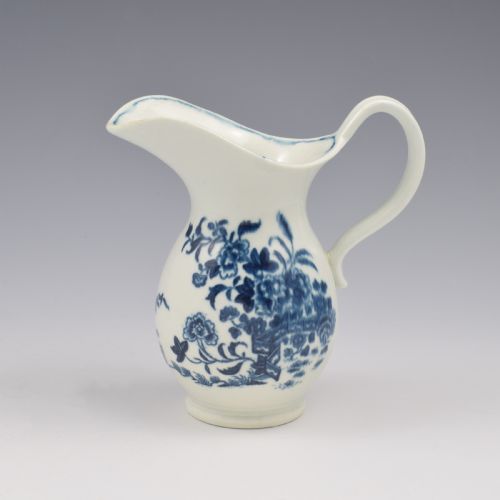
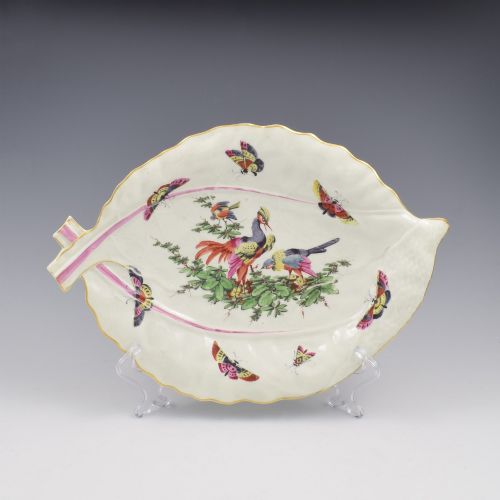
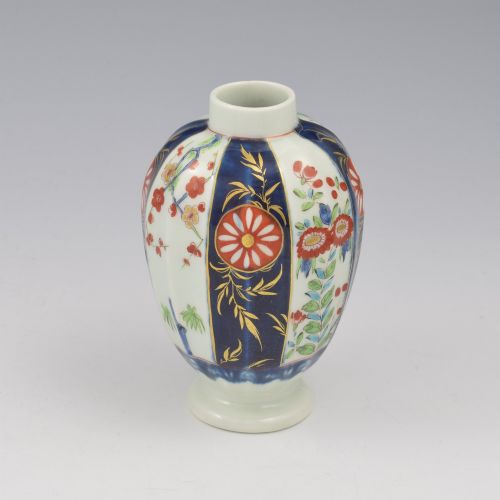
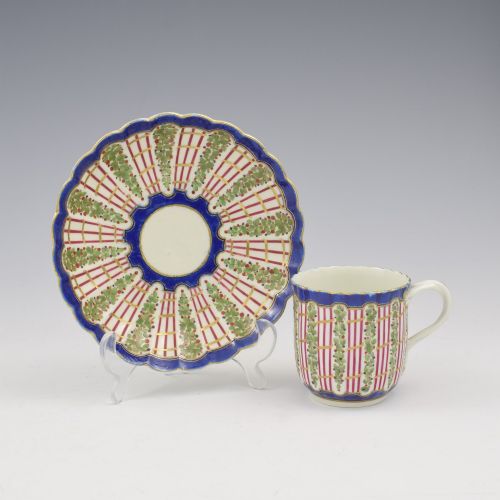
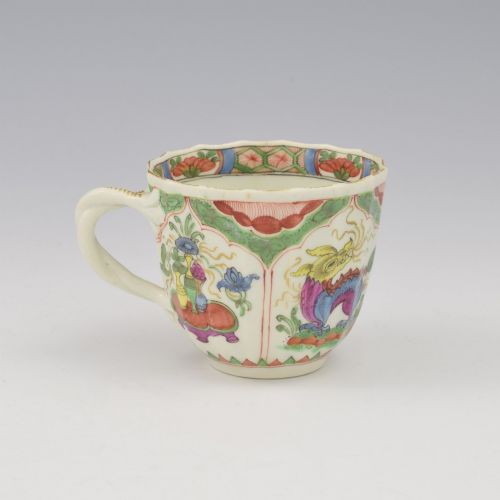
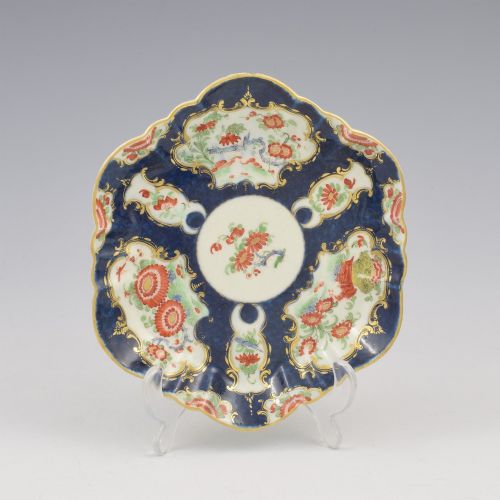
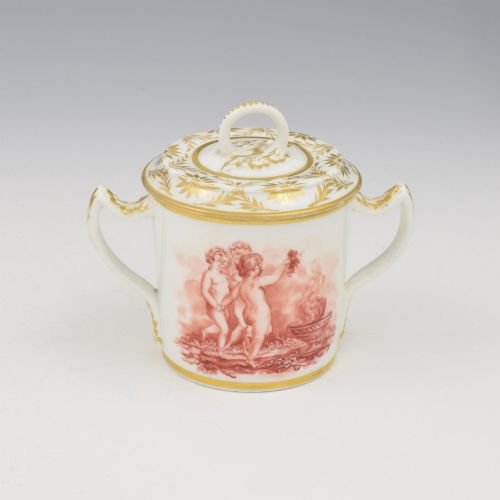
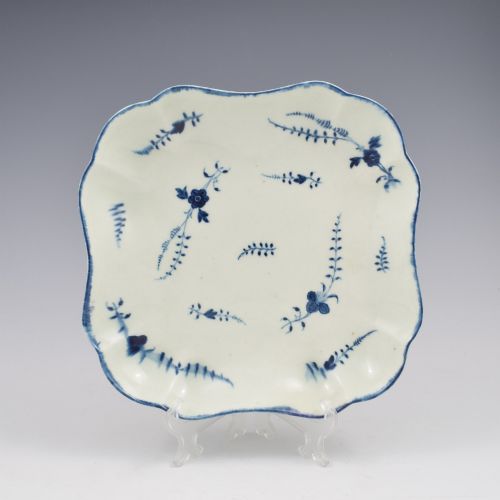
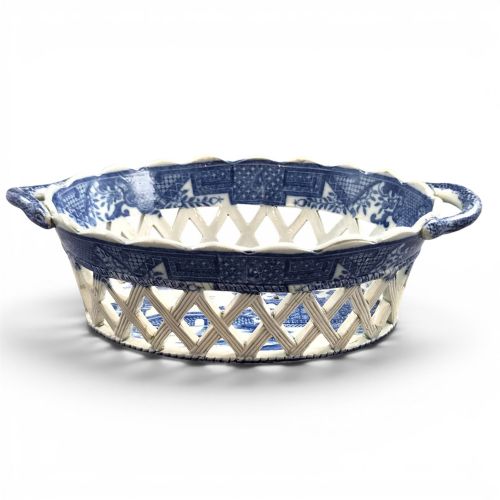
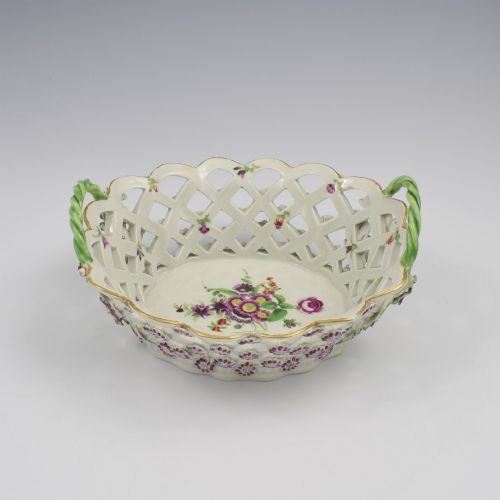
The objects take forms suited to elite dining and tea consumption, including teapots, coffee cups, cream jugs, dessert dishes, and chestnut baskets. Pieces frequently display chinoiserie motifs, rococo scrollwork, or neoclassical borders executed in underglaze blue, enamel colours, and gilding.
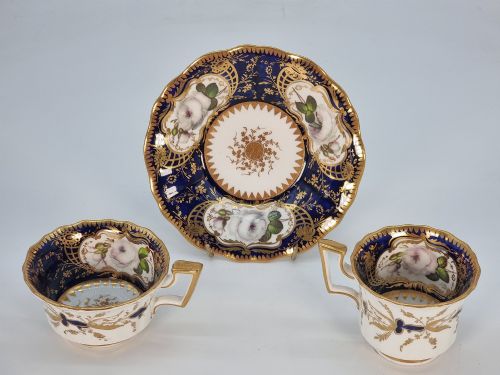
Most items originating from this range trace back to the eighteenth century, particularly the Dr Wall period of Worcester porcelain production, alongside later nineteenth-century Regency examples from Spode and Derby. These survivals reflect the shifting domestic habits of affluent households through distinct stylistic phases.
Materials and Manufacturing Techniques
Potters constructed these bodies predominantly using soft-paste porcelain or earthenware, applying lead glazes and tin glazes to seal the porous clay before firing. Artisans then enriched the surfaces with hand-painted enamel pigments, underglaze blue cobalt decoration, and gold leaf gilding.
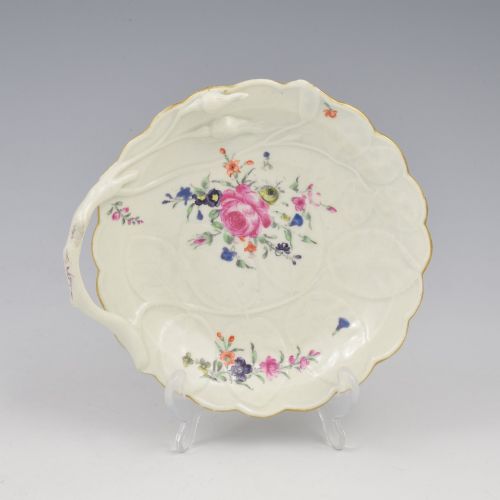
Moulding and casting methods produced complex forms such as reticulated chestnut baskets, leaf-shaped sweetmeat dishes, and fluted coffee cups. Factories employed skilled painters to execute intricate botanical studies, Chinese figures, and landscape patterns directly onto the unfired or biscuit surfaces.
Quality Factors
Quality within these ceramics rests on the precision of the modelling, the crispness of the underglaze or polychrome painting, and the preservation of the delicate gilding. Pieces displaying finely detailed brushwork and unblemished glaze surfaces separate standard utility items from elite cabinet wares.
The complexity of the form also dictates the standing of a piece, with reticulated baskets, moulded shell dishes, and sculptural components demanding greater technical mastery from the potter than simple thrown vessels.
Barr Flight And Barr·Bloor Derby·New Hall·Spode
The Georgian Period English Ceramics Glossary
- Soft-paste porcelain
- A vitreous ceramic composition fired at lower temperatures than hard-paste porcelain, featuring a warm translucent body often found in eighteenth-century English wares.
- Chinoiserie
- A decorative style reflecting European interpretations of Chinese and East Asian artistic traditions, frequently appearing on tea services and plates.
- Rococo
- An artistic style characterised by asymmetric scrolls, shell motifs, and elaborate ornamentation prevalent during the mid-eighteenth century.
- Sweetmeat dish
- A small moulded vessel designed for serving confectioneries, nuts, or preserved fruits during dessert courses.
- Sucrier
- A covered vessel utilised for holding granulated or lump sugar as part of a formal tea service.
Georgian Period English Ceramics: Frequently Asked Questions
What are Georgian ceramics?
Georgian ceramics are tablewares and decorative objects produced in England during the eighteenth and early nineteenth centuries. They reflect the domestic dining and tea-drinking fashions of the period.
These pieces encompass soft-paste porcelain teapots, earthenware plates, and decorative dishes made by prominent factories such as Worcester, Spode, and Derby.
How were teapots used?
Teapots served as central vessels for brewing and pouring tea during formal social gatherings in wealthy homes. They formed part of larger matching or complementary tea services.
Hot water was added to imported tea leaves within the pot, and the brewed liquid was dispensed into small teacups accompanied by matching saucers and slop bowls.
How do I identify a Dr Wall piece?
Dr Wall period Worcester porcelain is typically recognised by its soft-paste body, characteristic glaze pooling, and specific underglaze blue or polychrome decorative schemes. Collectors look for early painted marks or distinctive body properties.
Common motifs from this era include Chinese figures, floral sprays, and blue scale patterns executed during the eighteenth century.
What is soft-paste porcelain?
Soft-paste porcelain is an artificial ceramic composition developed by European potters before the discovery of true hard-paste porcelain formulas. It combines various clays and glass frits to create a vitreous body.
This material produces a warm, slightly creamy appearance under the glaze and allows for the soft diffusion of painted enamel colours.