

Delft Tin Glaze Dishes
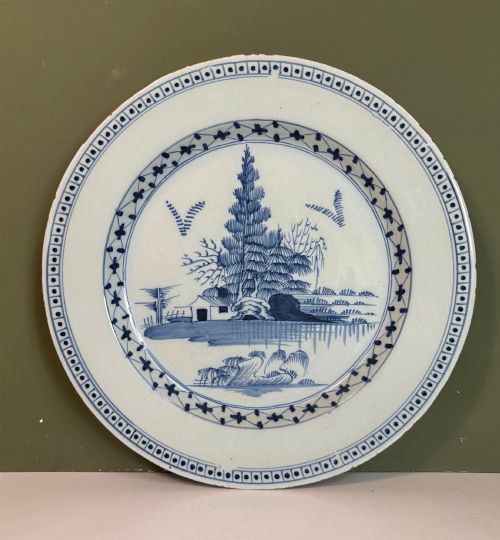
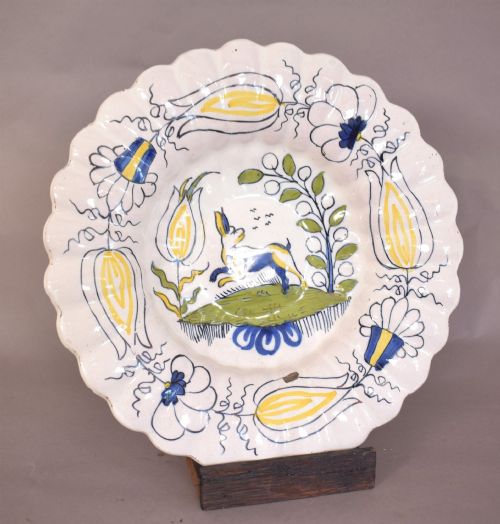
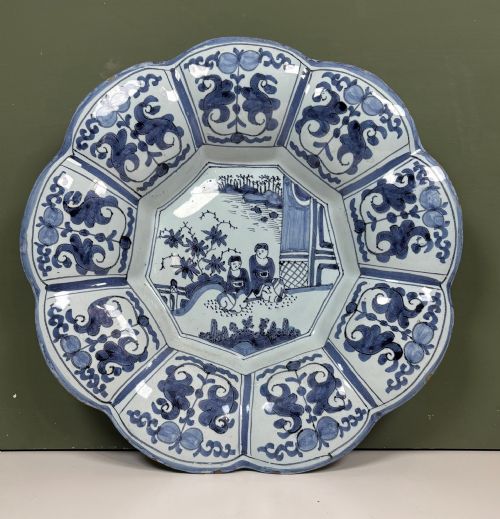
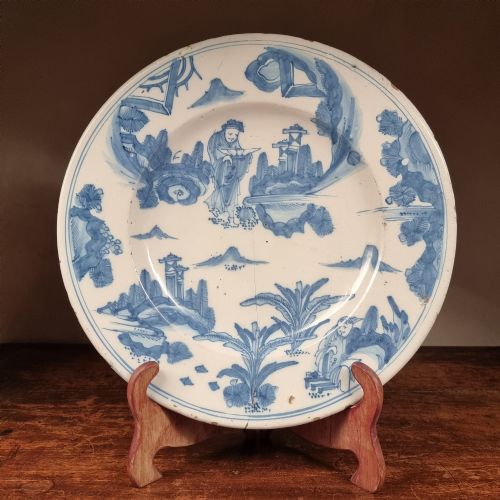
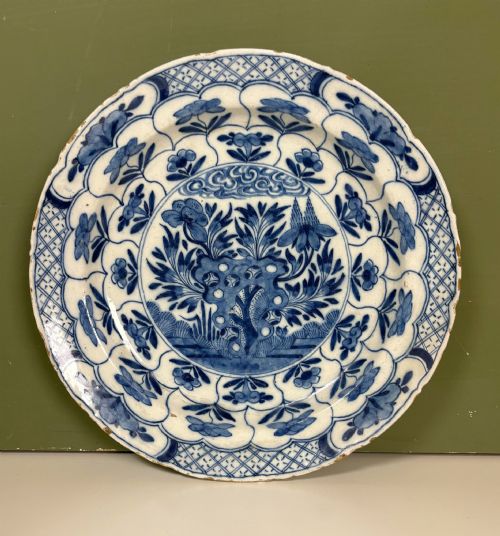
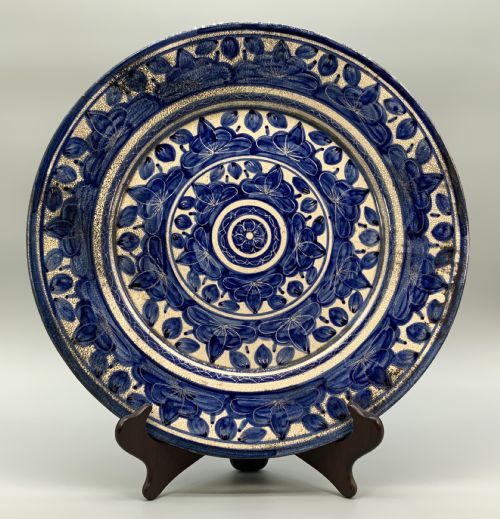
Delft tin glaze dishes are tin-glazed earthenware plates, chargers and bowls carrying blue and white or polychrome pigments, collected for their historic painted surfaces.
Delft Tin Glaze Dishes
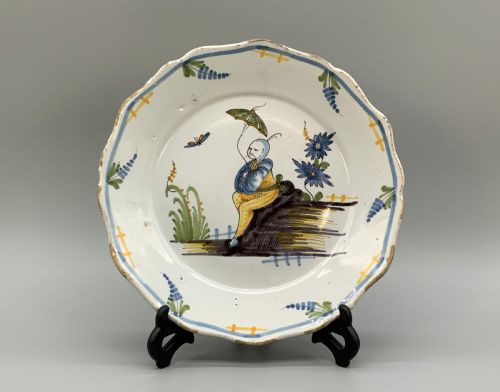
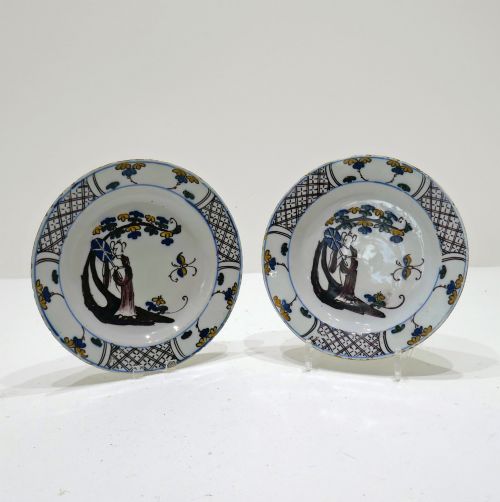
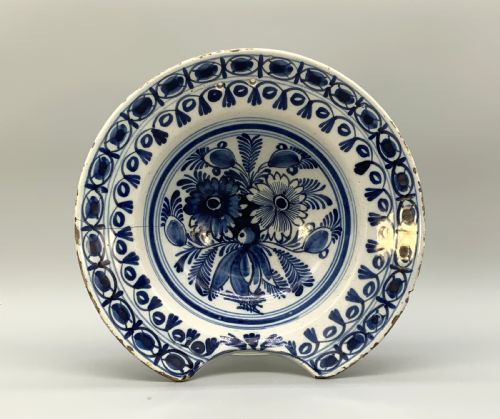
When you search for delft tin glaze dishes, you encounter earthenware ceramics produced across several European centres during the seventeenth and eighteenth centuries. These items take the form of chargers, decorative plates, shallow bowls and specialist vessels such as barber's bowls or sweetmeat presentiers. The selection relies heavily on pieces originating from English, Dutch, French and Spanish potteries.
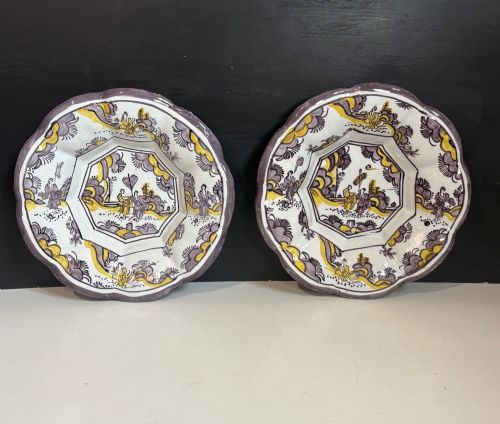
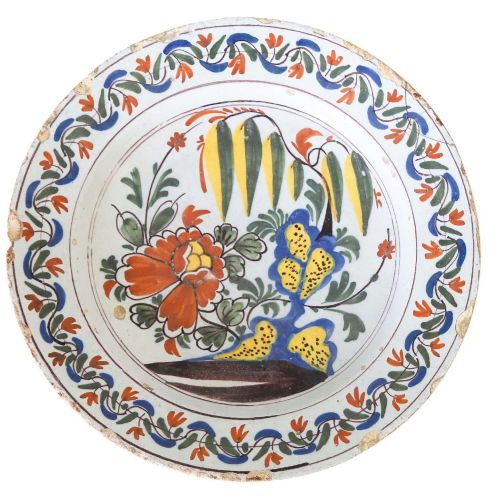
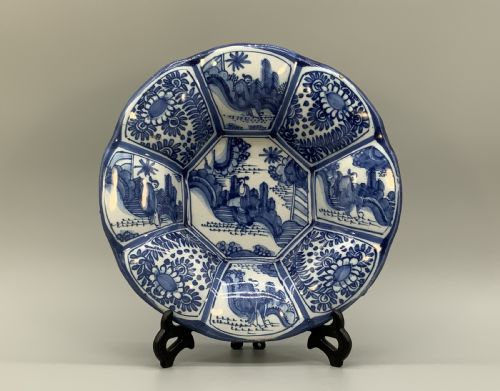
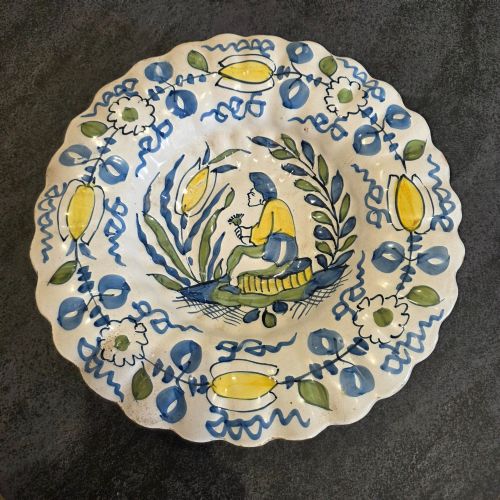
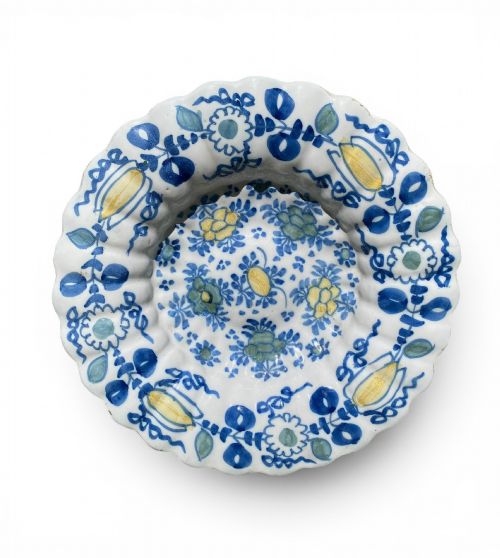
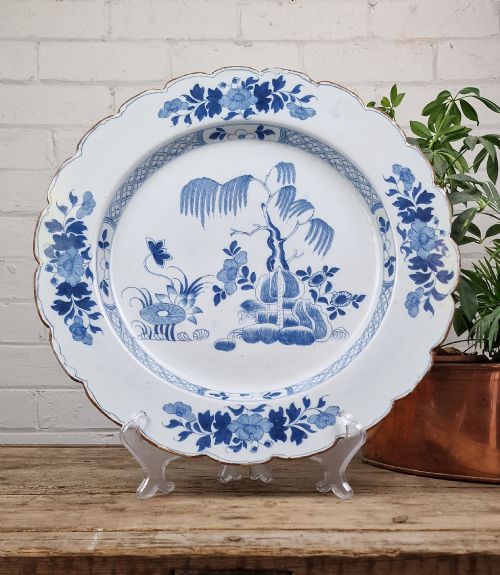
The domestic output ranges from large wall chargers to smaller dining plates, alongside specialised forms decorated in various regional aesthetics. Dutch Delftware and English factories dominate the available selection, often demonstrating influences from imported Kraak porcelain or local geometric floral patterns. Collectors find both single items and matched pairs spanning the seventeenth century through to the late eighteenth century, alongside occasional continental revivals.
How They Were Made
Potters formed these items using earthenware clay, which was then coated in an opaque white tin glaze that provided a smooth canvas for the painter. Cobalt pigment supplied the deep blues characteristic of traditional blue and white vessels, while metal oxides added manganese, yellow and green to polychrome pieces. Artisans applied hand-painted decoration directly onto the unfired or absorbent glaze before the final kiln firing fixed the colours.
The physical construction of these chargers and dishes often reveals the marks of kiln supports, such as small stilt scars on the front or glaze drips on the unglazed foot rim. Individual throwing lines and minor surface irregularities remain visible beneath the tin glaze, reflecting the traditional workshop methods of seventeenth and eighteenth-century potters.
Object forms on this page include decorative plates, chargers, shallow bowls, barber's bowls and sweetmeat presentiers.
What Varies In Quality
Quality rests upon the crispness of the hand-painted brushwork and the stability of the tin glaze over the earthenware body. Superior examples display confident, fluent brushstrokes in cobalt or polychrome pigments, whereas weaker pieces show hurried or muddy application.
The depth and uniformity of the white glaze also determine visual success, alongside the complexity of the design, whether executed in a restrained blue and white palette or a vibrant multi-coloured scheme. Plates retaining strong pigment saturation and balanced composition occupy the upper tier of this category.
The Delft Tin Glaze Dishes Glossary
- Charger
- A large decorative plate designed primarily for display on a wall or sideboard rather than for table service. These substantial dishes measure considerably wider than standard dining plates.
- Tin Glaze
- An opaque white ceramic glaze containing tin oxide, applied to earthenware to create a smooth surface for painting. It forms the defining technical feature of all delftware ceramics.
- Polychrome
- Painted decoration utilising multiple colours rather than a single pigment. In this category, the term typically refers to combinations of blue, manganese purple, yellow and green.
- Chinoiserie
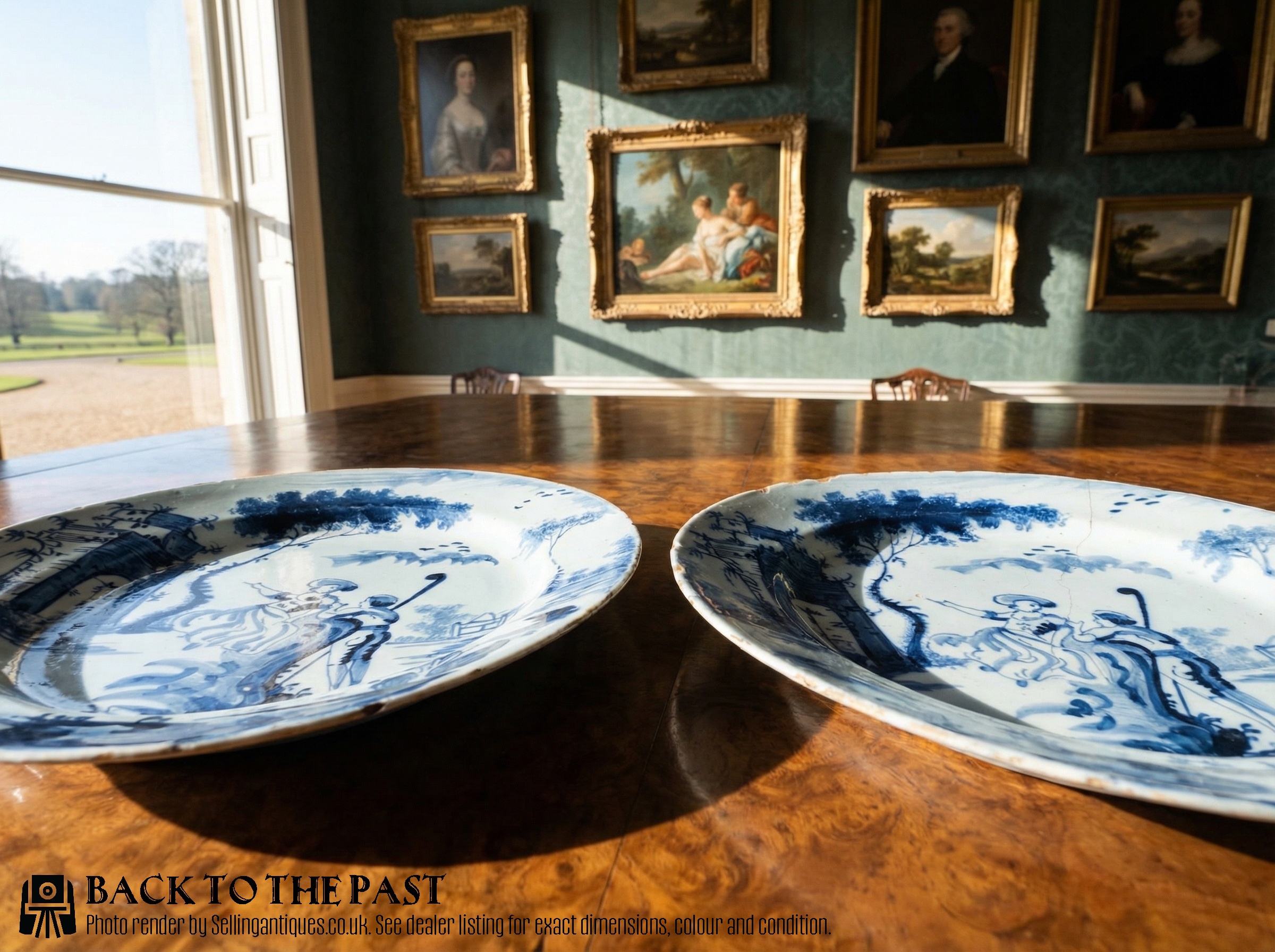
- European decorative motifs imitating Chinese artistic styles and landscapes. Potters frequently painted these whimsical scenes onto eighteenth-century dishes and plates.
- Kraak Style
- A style of imported Chinese porcelain featuring panelled borders and central motifs of flowers or birds, heavily copied by seventeenth-century Dutch delftware painters.
Delft Tin Glaze Dishes: Frequently Asked Questions
How were delft dishes used?
These items served various roles in historic households, functioning as formal table service or as decorative wall chargers displayed in reception rooms. Specialised forms like barber's bowls and sweetmeat presentiers fulfilled specific domestic and medical tasks.
Over time, larger chargers transitioned permanently into decorative objects, mounted on walls or dresser plate racks to showcase their painted cobalt or polychrome designs.
How do I date a delft dish?
Dating relies on stylistic markers, palette choices and the physical characteristics of the earthenware body and tin glaze. Seventeenth-century examples often exhibit Kraak influences or Dutch Baroque forms, while eighteenth-century pieces frequently incorporate English floral decoration or Chinoiserie scenes.
Factory origin also aids chronology, as distinct potting techniques emerged across English centres like Bristol and Lambeth compared to continental workshops in Delft or Spain.
Are these dishes safe for food?
Historic tin-glazed earthenware requires careful handling and is generally suited for display rather than daily culinary use. The porous clay body and historic glazes can be vulnerable to modern detergents, staining and acidic foods.
Most collectors treat these pieces as works of art, exhibiting them safely on plate stands or wall mounts to preserve their painted surfaces.
What is the difference between English and Dutch delft?
English and Dutch potteries shared similar tin-glazing techniques, but regional preferences influenced their colour palettes, clay bodies and decorative motifs. English centres such as Bristol and Lambeth often produced distinct polychrome wares alongside blue and white items.
Dutch workshops, particularly those in Delft, developed highly refined blue and white painting styles that frequently mirrored imported Asian porcelain traditions.