




Chinoiserie Display Plates
Chinoiserie display plates bring together European craftsmanship and East Asian decorative motifs to create striking wall and cabinet displays.
Chinoiserie Display Plates
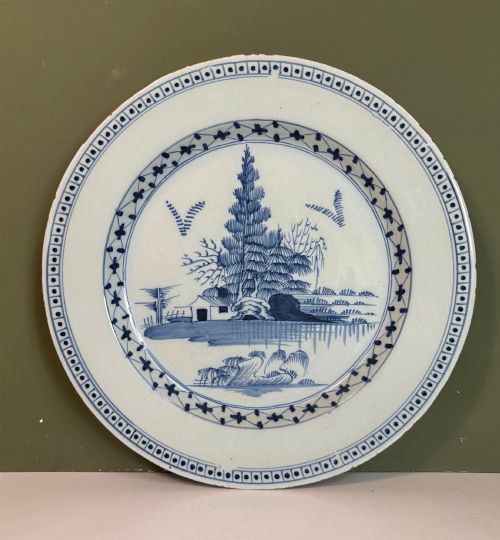
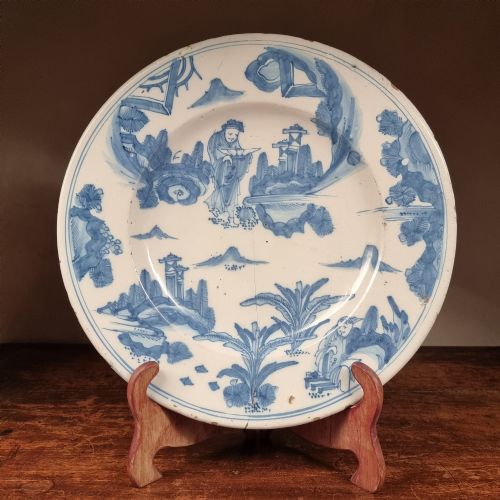
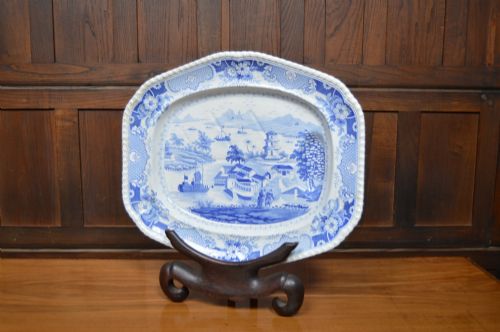
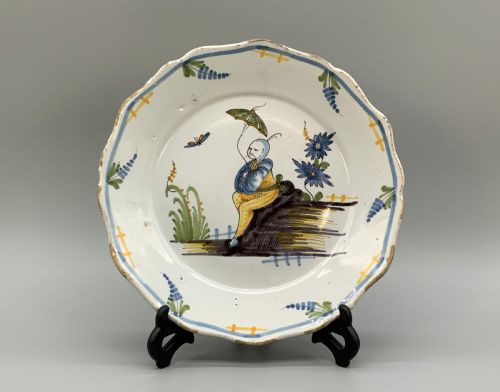
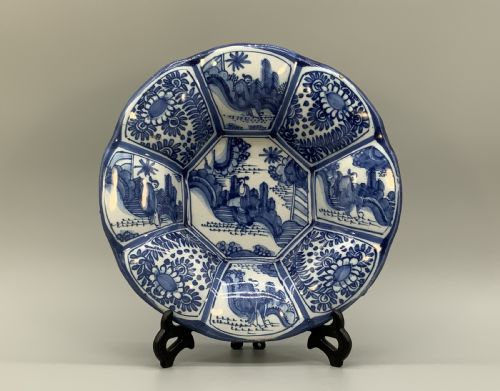
When searching for chinoiserie display plates, collectors encounter an array of items spanning from the seventeenth century through to the Edwardian era. These pieces include large chargers, decorative dishes, and cabinet plates designed primarily for visual display rather than dining.
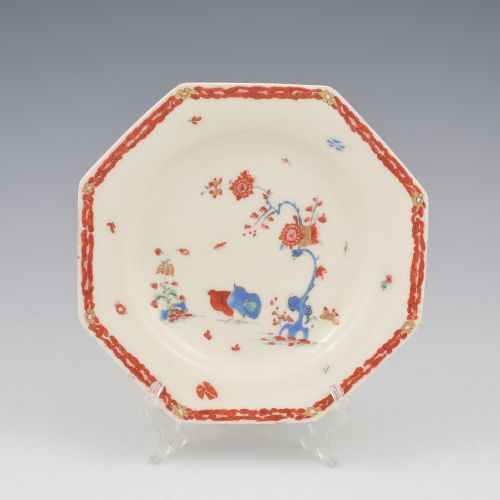
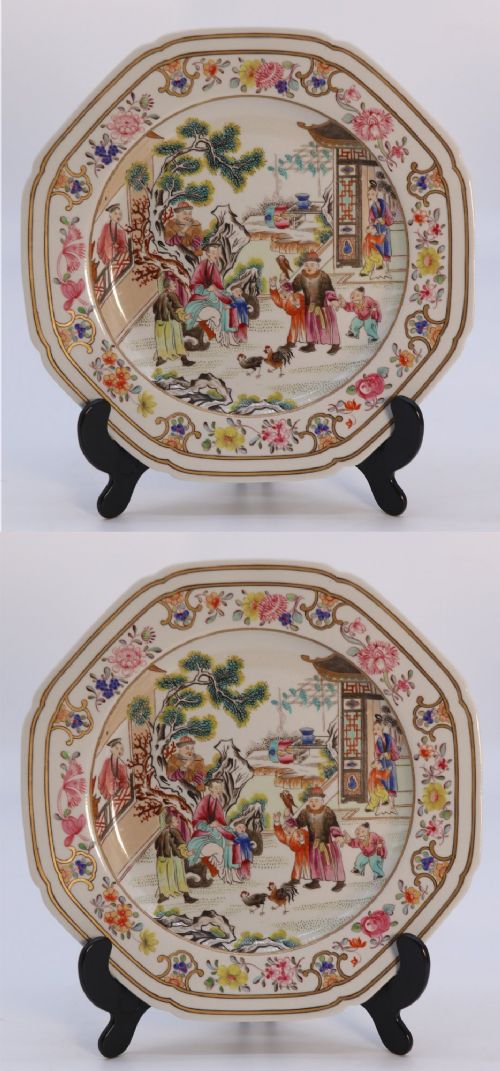
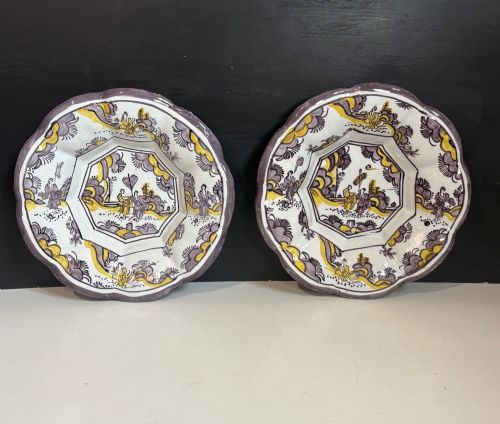
Forms vary from deep bowls and lobed dishes to octagonal cabinet plates and expansive chargers. Origin points range across English factories, Dutch kilns, and French faience workshops, showing diverse interpretations of oriental themes across multiple periods.
How they were made
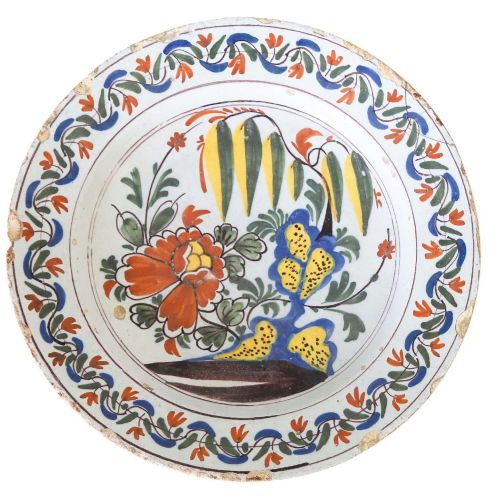
Potters utilised earthenware and ceramic bodies, coating them with tin glaze to provide a smooth, opaque white canvas for subsequent decoration. Cobalt pigment and polychrome enamels were then applied by hand or via early transfer-printing techniques to render the detailed oriental motifs.
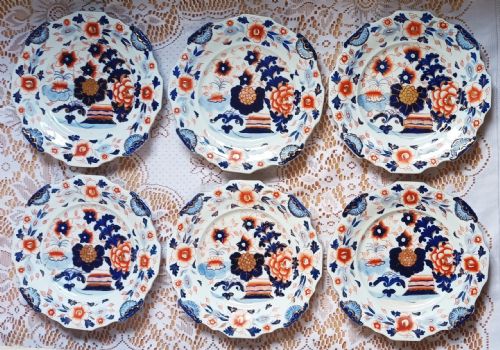
Ironstone emerged in later periods to offer a heavier, more resilient ceramic body capable of holding vibrant orange and yellow grounds alongside gilt accents. Early delftware pieces relied on traditional firing methods that resulted in subtle surface variations and distinctive glaze pooling.
Birds and mythical beasts populate these surfaces, bringing imaginary oriental gardens straight into British dining rooms.
What varies in quality
The distinction between tiers rests upon the crispness of the hand-painted brushwork and the complexity of the polychrome palette. Superior examples demonstrate confident execution of intricate patterns like the Kakiemon quail or detailed dragon and kylin motifs.
Spode Stone China·Worcester Flight Barr And Barr·John Ridgway·Masons Patent Ironstone·Minton
The Chinoiserie Display Plates Glossary
- Tin Glaze
- A lead glaze rendered opaque by the addition of tin oxide, creating a white surface suitable for painted decoration. This technique defines much of the early European delftware found in this category.
- Ironstone
- A heavy, durable type of earthenware patented in the nineteenth century to imitate porcelain. It provides a robust body for colourful transfer-printed or hand-painted oriental patterns.
- Charger
- A large ornamental plate typically measuring over twelve inches in diameter, intended for display on a wall or dresser rather than everyday table use. These pieces often showcase the most elaborate painted scenes.
- Kraak Style
- A seventeenth-century Chinese porcelain export style characterised by panelled border arrangements and central aquatic or floral motifs. European potteries frequently copied these distinctive layouts.
- Transferware
- A pottery decoration method where a design is engraved on a copper plate, inked, transferred to paper, and then pressed onto the ceramic body. This technique allowed for consistent reproduction of complex landscape patterns.
Chinoiserie Display Plates: Frequently Asked Questions
How were these plates used?
These pieces were primarily intended for display in cabinets, on sideboards, or hung on walls rather than for serving food. Their detailed painted surfaces made them status symbols for households wishing to display a taste for global trade and exotic aesthetics.
Large chargers and octagonal dishes filled prominent positions in dining rooms and parlours. They formed part of wider decorative schemes that celebrated Asian-inspired design trends.
How do I date a delft charger?
Dating a delft charger involves examining the ceramic body, glaze characteristics, and the style of the painted decoration. Early pieces from the seventeenth and eighteenth centuries often exhibit thicker tin glazes with characteristic pooling and subtle edge chipping.
Pictorial styles, colour palettes like manganese and yellow, and footrim construction offer further clues to the manufacturing period. Comparing the artwork to known documented pieces helps narrow down the decade of production.
How do I care for antique plates?
Antique plates require gentle handling and should be kept away from direct sunlight and sudden temperature fluctuations. Dust them softly with a dry, lint-free cloth rather than using chemical cleaning agents.
If displayed on walls or in cabinets, ensure secure mounts that do not strain the ceramic body. Avoid washing older earthenware and tin-glazed pieces in water to protect the historic glaze surfaces.