
Antique Transfer Printed
Antique transfer printed ceramics and glass carry mechanical impressions of historic scenes, ships, and landscapes straight onto the earthenware surface.
Antique Transfer Printed
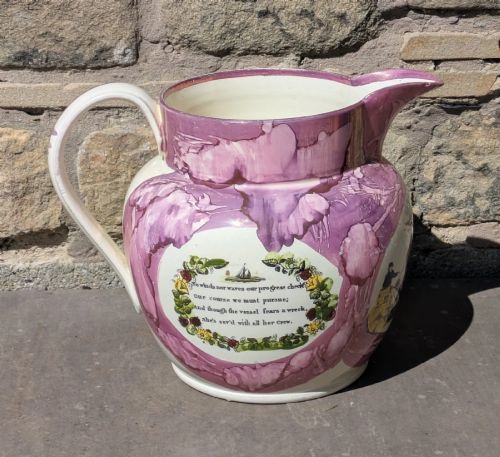
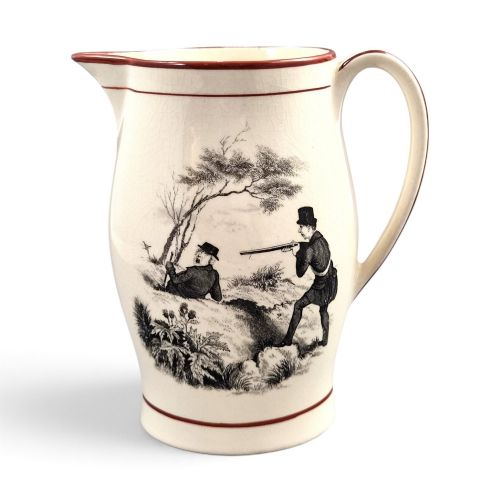
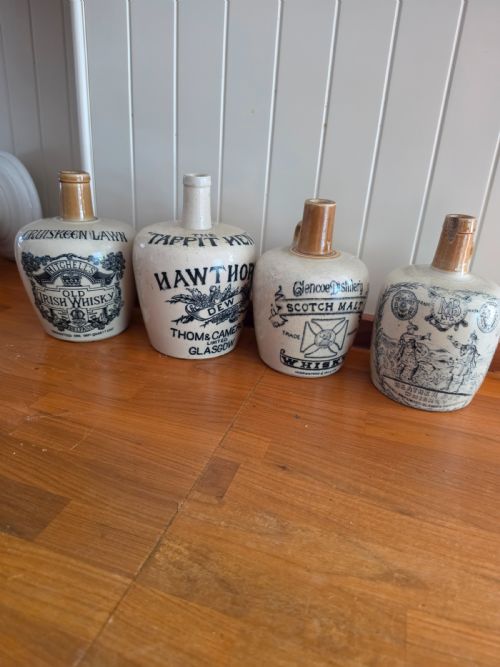
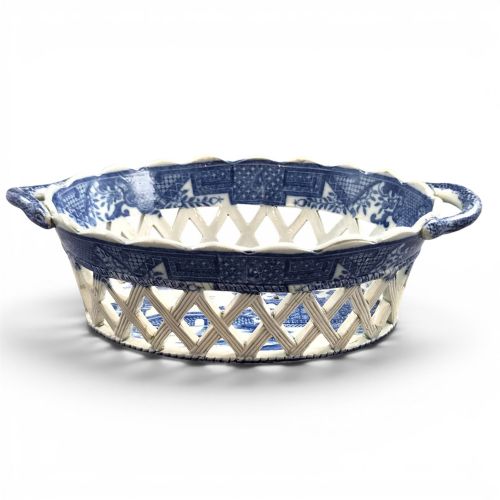
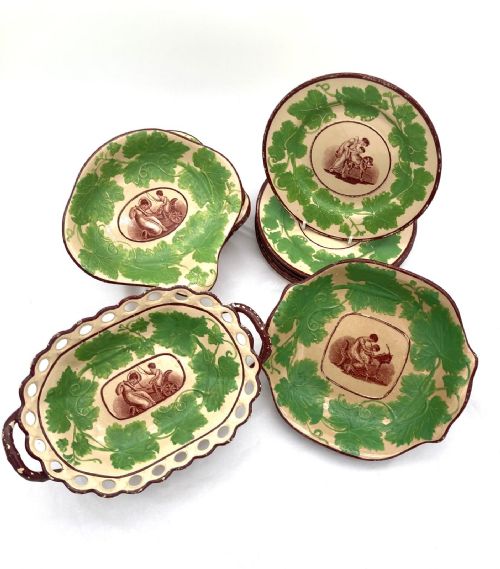
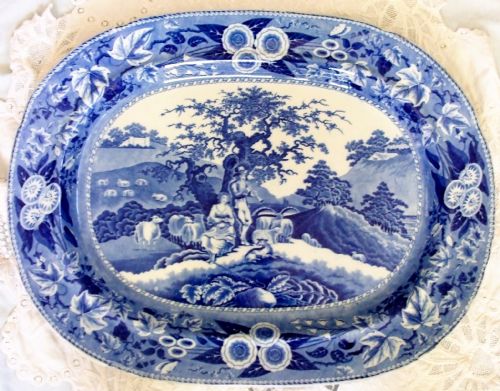
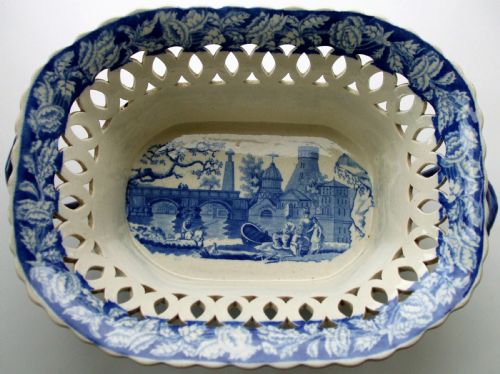
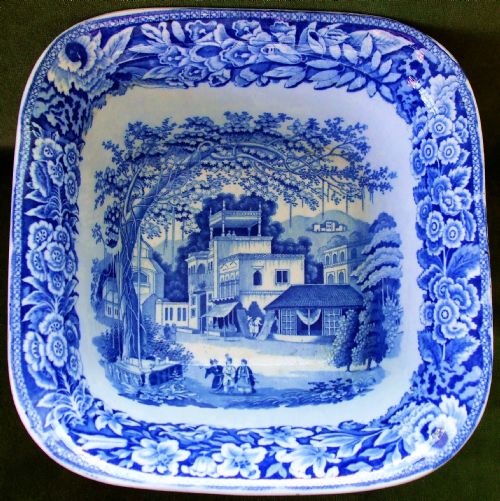
When you search for antique transfer printed objects, you meet a variety of utilitarian and decorative items spanning the Georgian, Regency, and Victorian periods. The selection focuses heavily on earthenware vessels, creamware jugs, pearlware pitchers, and blue and white pottery platters bearing detailed pictorial scenes.
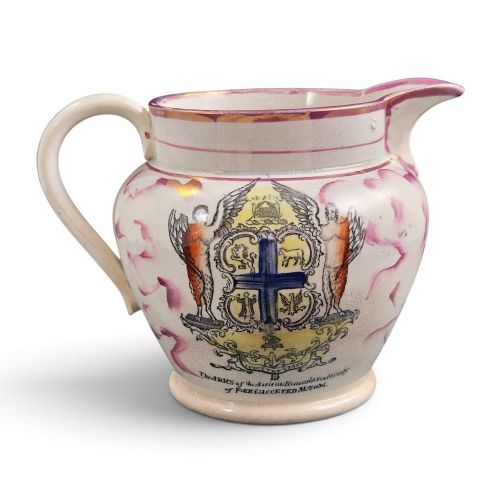
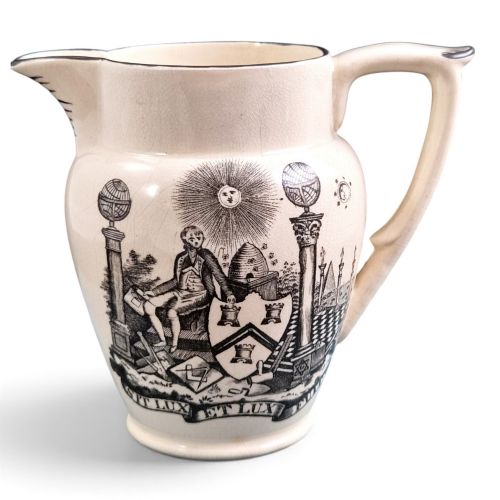
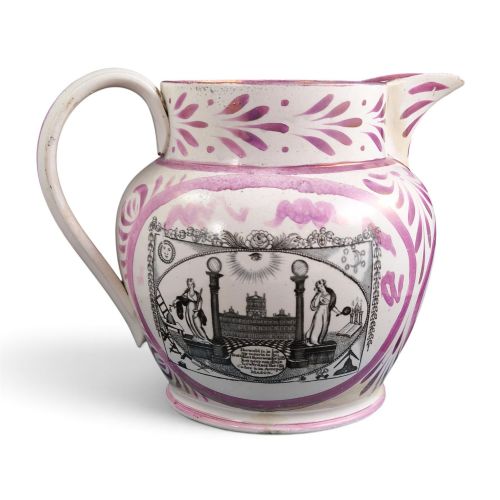
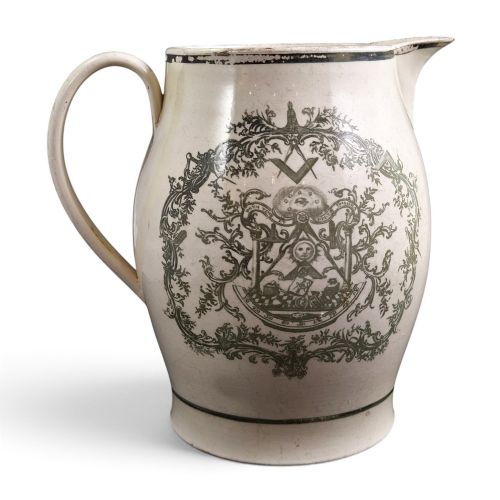
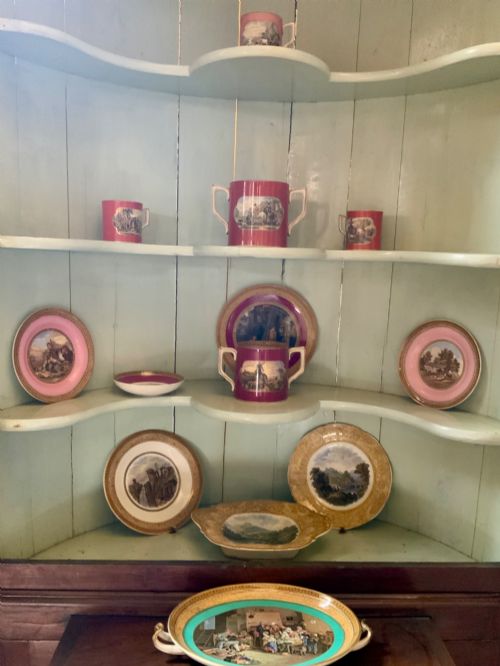
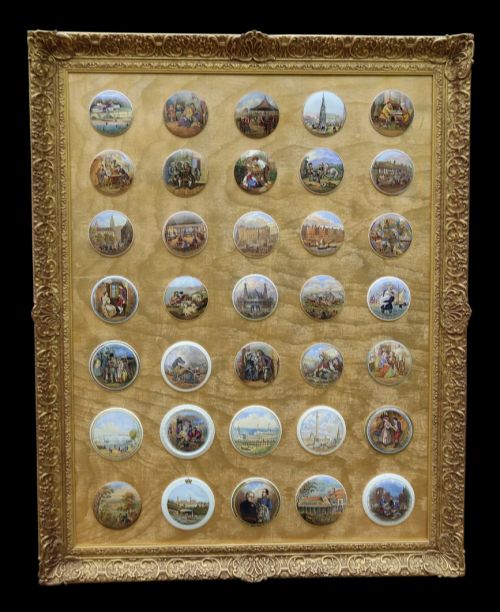
Most pieces date from the nineteenth century, featuring subjects that range from maritime themes and masonic emblems to classical landscapes and romantic patterns. Alongside holloware such as tureens, bowls, and loving mugs, you encounter flatware including dessert services, meat plates, and decorative wall art.
The dominant aesthetic draws upon English pottery traditions, executed in rich palettes of blue and white, pink lustre, black, and magenta. These items served functional roles in homes and institutions before transitioning into sought-after collector pieces.
Materials and production techniques
Potters produced these objects using porous bodies like creamware, pearlware, and standard earthenware, finished with a smooth glaze to seal the clay. The defining technique involved engraving a copper plate, inking it, and transferring the design onto paper before pressing that paper onto the biscuity ceramic surface prior to firing.
Colour application relied on metallic oxides mixed into the oil-based inks, yielding stable tones under high kiln temperatures. Blue cobalt oxide dominated early production, while later nineteenth-century makers introduced pink lustre washes, black prints, and polychrome highlights.
Early ceramic vessels occasionally feature hidden frogs inside, designed to startle unwary drinkers at the bottom of a pint.
Assessing quality and execution
Quality rests upon the crispness of the engraved line and the precision of the transfer process, where superior examples avoid blurring, smudging, or overlapping at the seams. Finer items exhibit clean potting, well-proportioned handles, and an even glaze that enhances rather than obscures the underlying print.
The artistic ambition of the subject matter also divides standard domestic wares from exceptional factory productions. Pieces bearing named views, complex multi-figure transfer scenes, or supplementary hand-painting such as lustre highlights command greater attention than simple repeating geometric borders.
J. and R. Clews·J. and R. Riley·Stubbs·Mintons·Baggerley and Ball
The Antique Transfer Printed Glossary
- Creamware
- A refined earthenware developed in the eighteenth century, characterised by its warm, pale yellow tone and transparent lead glaze.
- Pearlware
- An improved Staffordshire earthenware featuring a pale bluish glaze designed to mimic the appearance of Chinese porcelain.
- Transfer printing
- A decoration technique where an engraved copper plate impresses ink onto paper, which is then pressed onto pottery to leave the design.
- Pink lustre
- A metallic glaze finish containing gold that produces a characteristic iridescent pink sheen when fired.
- Tureen
- A large, deep serving bowl equipped with a lid, used historically for presenting soups, vegetables, or stews at the table.
Antique Transfer Printed: Frequently Asked Questions
How are antique transfer printed jugs dated?
Dating relies on stylistic clues, ceramic bodies, and recorded maker marks stamped or printed underneath the base. Changes in glaze formulation, from creamy tones to bluish pearlware, help narrow the window.
Subject matter often provides historical context, such as commemorative prints featuring specific naval vessels or political figures tied to exact decades.
Were these blue and white pieces used daily?
Most utilitarian forms, including platters, jugs, and footbaths, saw active service in Georgian and Victorian households for dining, washing, and hospitality. Their durable earthenware bodies and protective glazes made them practical for regular domestic routines.
Over time, wear patterns and minor glaze crazing often indicate the extent of this historic household usage.
What is a frog mug?
A frog mug is a drinking vessel featuring a small ceramic frog modelled inside the base, designed to surprise the drinker as the liquid lowered. These humorous pieces were popular in nineteenth-century inns and masonic gatherings.
They frequently incorporate black or polychrome transfer prints alongside commemorative verses.
How should I clean antique transfer ware?
Maintenance requires gentle hand washing in warm water using mild soap, avoiding modern dishwashers entirely. The historic glaze can develop cracks over centuries, allowing water or harsh detergents to stain the porous earthenware beneath.
Soft cloths preserve the fragile surface and prevent scratching the delicate printed design.