


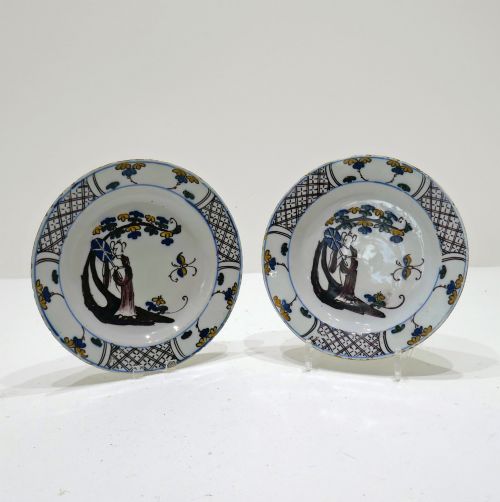
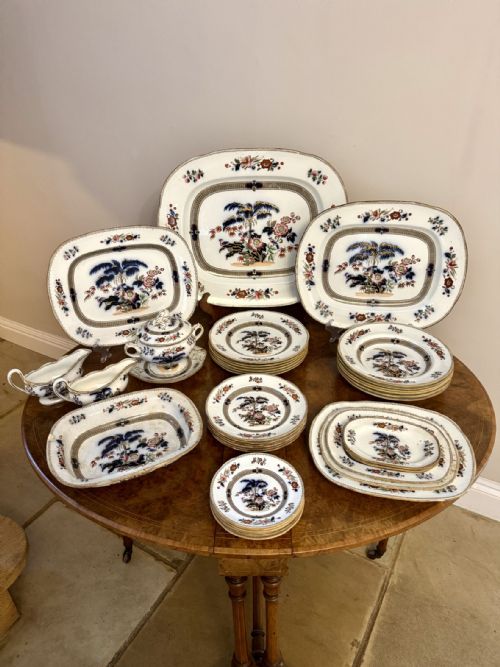
Antique Chinoiserie Plate
An antique chinoiserie plate brings seventeenth-century fantasy landscapes into domestic rooms through hand-painted pagodas and exotic birds.

Antique Chinoiserie Plate
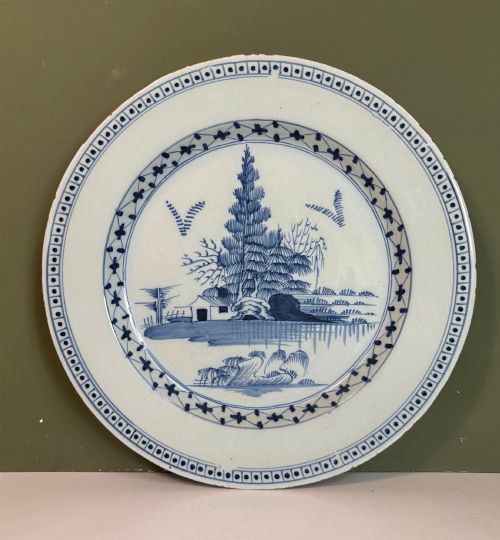
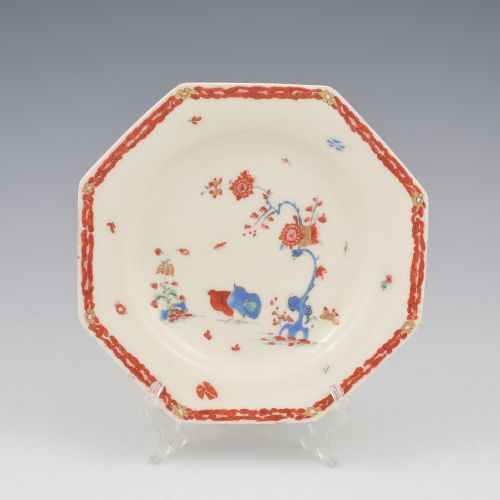
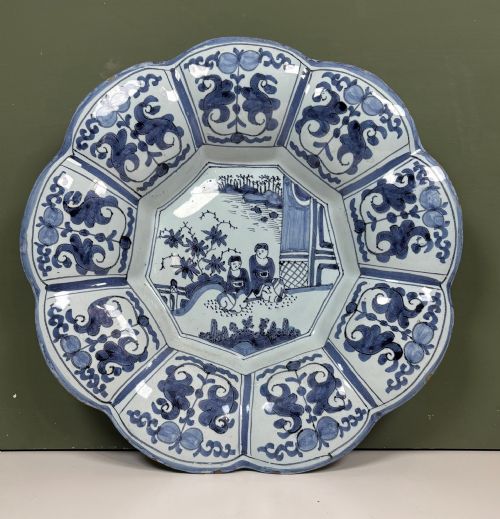
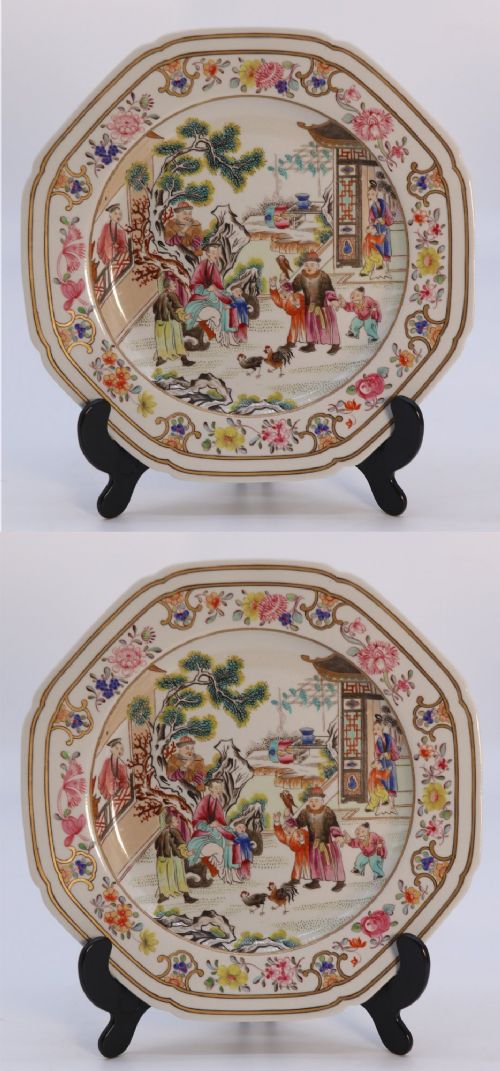
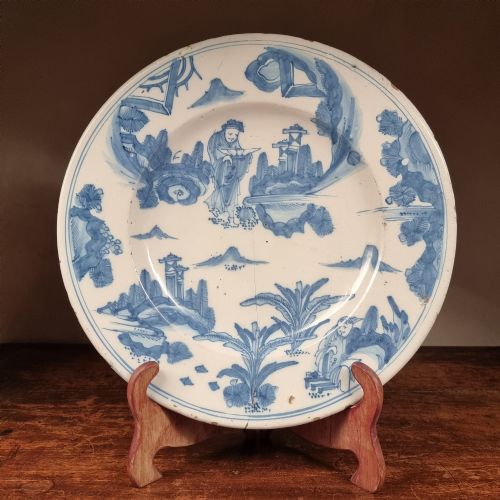
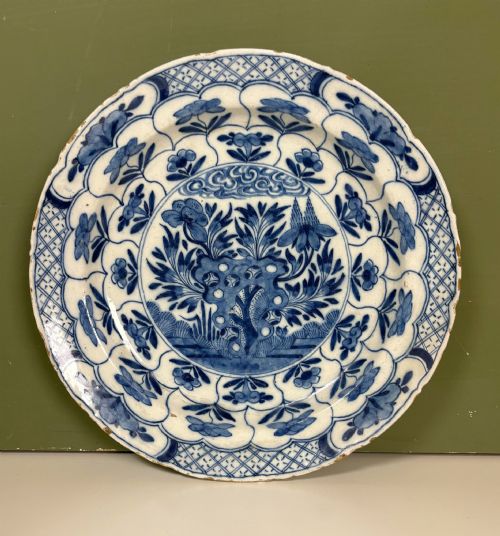
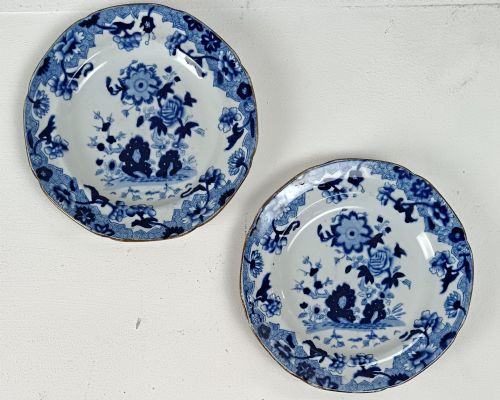
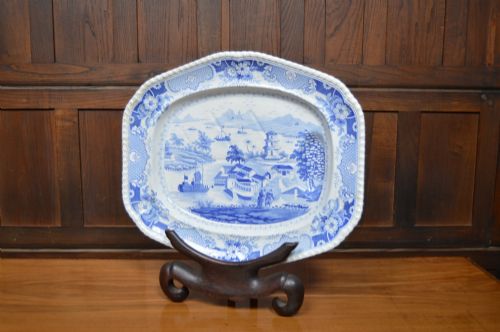
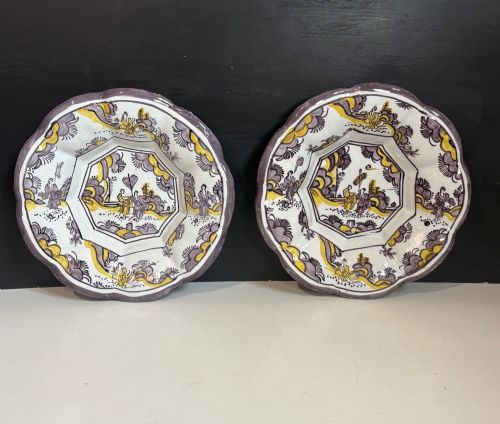
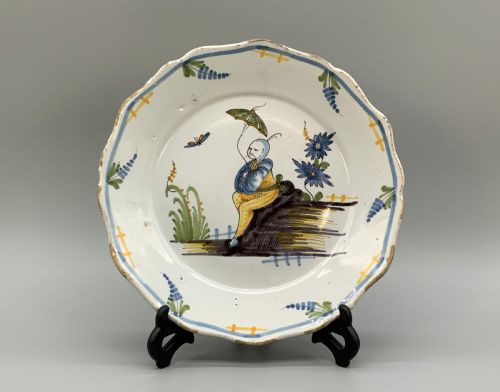
An antique chinoiserie plate captures European interpretations of East Asian motifs across earthenware, porcelain, and tin-glazed vessels. These pieces range from deep chargers to smaller cabinet plates made for display or service.
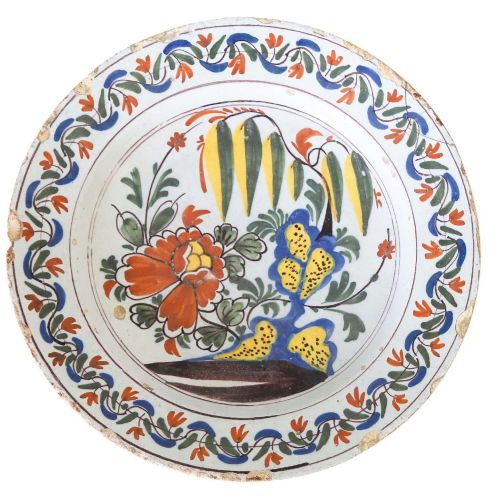
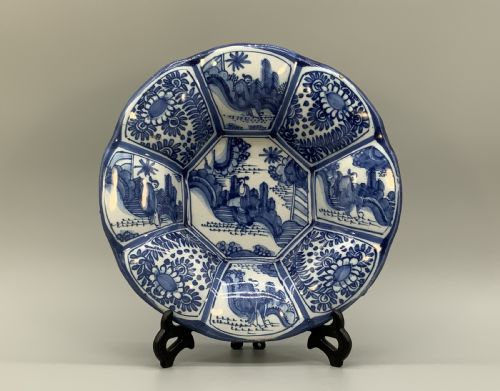
The selection on this page centres on eighteenth-century delftware and nineteenth-century ironstone or stoneware. Buyers frequently encounter blue and white transferware alongside polychrome pieces decorated with manganese, yellow, and cobalt pigments.

How They Were Made
Potters shaped these vessels from clay bodies including soft-paste porcelain, stone china, and earthenware, often applying a tin glaze to create an opaque white surface for painting. Artisans brushed cobalt pigment and enamel colours directly onto the unfired or bisque surface before high-temperature kiln firing.
Many factories combined hand-painted brushwork with transfer-printing techniques to replicate intricate oriental scenes with consistent detail across large sets of plates and chargers.
Antique Chinoiserie Plate Retail Price Guide 2026
Typical asking prices for chinoiserie plate among the pieces listed under this phrase on Sellingantiques today, from the lower quarter to the upper quarter. They describe what is for sale here now, not the wider market.
The inventory records regional English production alongside continental faience and Japanese export porcelain chargers.
What Varies in Quality
The crispness of the hand-painted brushwork and the vibrancy of polychrome enamels distinguish superior examples from standard production items. Subtle tonal variations in the cobalt pigment and the precision of the glaze application reveal the skill of the original ceramic painter.
Provenance and factory origin also shape the standing of a piece, with documented works from established porcelain manufactories holding greater artistic interest than anonymous regional earthenware.
Spode·Wedgwood·Worcester·Mason·Coalport·Caughley·John Ridgway
The Antique Chinoiserie Plate Glossary
- Delftware
- Tin-glazed earthenware produced in England, Holland, and France during the seventeenth and eighteenth centuries. The opaque white glaze mimics Chinese porcelain and accepts blue or polychrome painted decoration.
- Ironstone
- A heavy, durable type of durable ceramic patented in the nineteenth century by English potteries. It bridges the gap between earthenware and true porcelain, resisting chipping during daily service.
- Charger
- A large decorative plate or platter intended for formal display on sideboards or walls rather than individual dining use. These large surfaces offered artists ample space for complex narrative scenes.
- Transferware
- Pottery decorated by applying a printed paper design from an engraved copper plate onto the ceramic surface. This technique allowed factories to produce uniform pictorial patterns efficiently.
Antique Chinoiserie Plate: Frequently Asked Questions
How do I display an antique charger?
Large plates and chargers look best secured on sturdy wall-mounted wire hangers or displayed upright in a plate rack to protect the edges.
Ensure the mounting hardware supports the full weight of the earthenware or ironstone body safely away from direct sunlight.
Can I use these plates for dining?
Most antique plates from the eighteenth and nineteenth centuries feature soft glazes and historic wear that make modern dining impractical.
Hand washing in lukewarm water without harsh detergents helps preserve the delicate enamel and tin glaze on decorative pieces.
What is the difference between delft and ironstone?
Delftware uses a porous earthenware body covered in a tin glaze that provides a soft, chalky white background for painted pigments.
Ironstone is a much denser, vitrified ceramic developed later in the nineteenth century to withstand heavy domestic and commercial service.
How do I recognise chinoiserie motifs?
Look for imaginary gardens, small arched bridges, clustered pagodas, and figures wearing traditional East Asian garments within whimsical landscapes.
European artists freely combined these elements without regard for geographical accuracy to create an escapist fantasy style.