






English Tin Glazed Plate
An english tin glazed plate brings the vibrant palette and opaque white surface of eighteenth-century earthenware directly to your table.

English Tin Glazed Plate
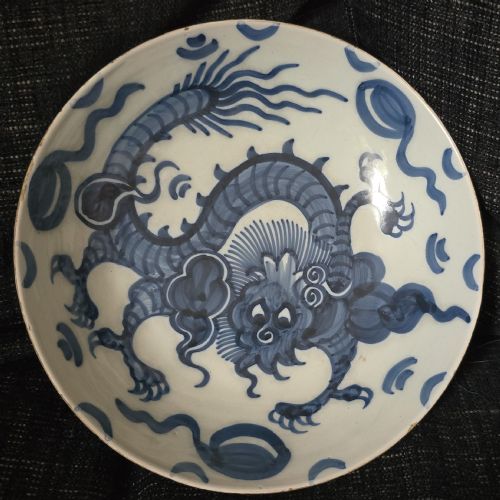
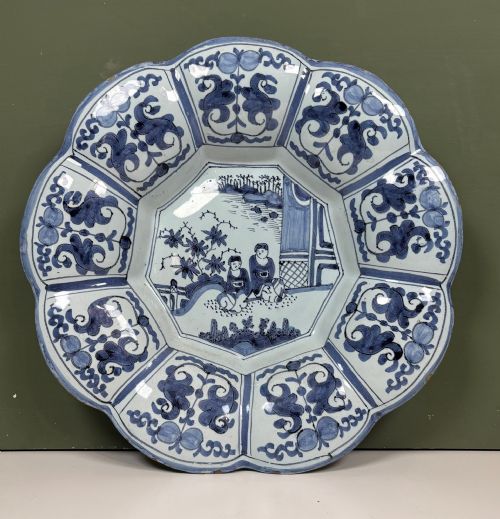
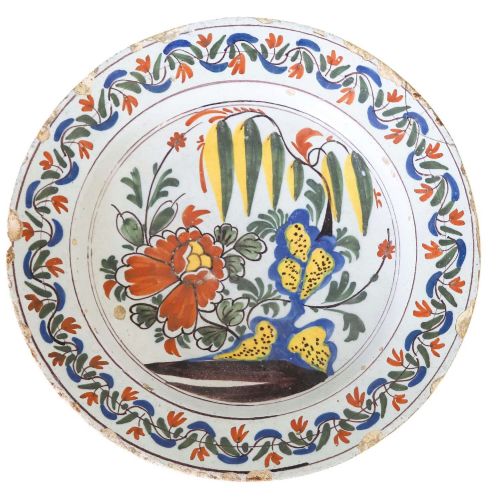
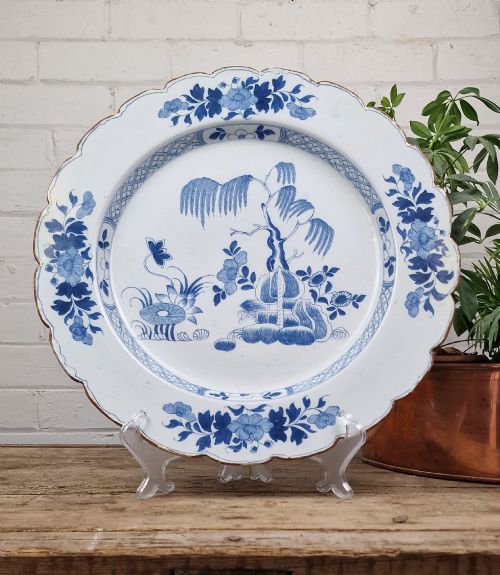
When you search for an english tin glazed plate, you encounter items predominantly dating from the eighteenth century, spanning periods from early Georgian times through to around eighteen hundred. These pieces encompass decorative plates, chargers, shallow bowls and dishes reflecting Georgian and Delftware styles.
The version you are most likely to meet on this page is an eighteenth-century English delft plate or larger charger, often featuring blue and white or polychrome decoration. Many examples showcase Chinoiserie motifs or hand-painted floral designs originating from workshops in centres such as Bristol and Lambeth.

Materials and Technique
Potters shaped these objects from clay and earthenware, applying an opaque white tin glaze that created a smooth, pale canvas for subsequent painting. Cobalt pigment and cobalt oxide provided the rich blues characteristic of traditional blue and white wares.
Artisans executed hand-painted floral designs and Chinoiserie scenes directly onto the unfired or raw glaze before the final kiln firing. This technique caused the pigments to sink slightly into the tin glaze, producing soft outlines and distinctive colour bleeding.
English Tin Glazed Plate Retail Price Guide 2026
Typical asking prices for english tin glazed plate among the pieces listed under this phrase on Sellingantiques today, from the lower quarter to the upper quarter. They describe what is for sale here now, not the wider market.
Marriage plates recorded unions with painted initials and dates, turning everyday tableware into lasting domestic monuments.
Judging Quality
Quality in these earthenware objects rests primarily on the crispness of the hand-painted decoration and the visual balance of the composition across the surface. Superior examples display confident brushwork and harmonious integration of polychrome or cobalt pigments.
The stability and opacity of the tin glaze itself distinguish finer pieces, along with the proportion and symmetry of the thrown clay body. Chargers and plates that maintain a clear, well-rendered narrative or floral scheme command greater attention from collectors.
The English Tin Glazed Plate Glossary
- Tin-glazed earthenware
- Earthenware pottery covered with a glaze made opaque by the addition of tin oxide. This coating provides the characteristic milky white background typical of delftware.
- Charger
- A large decorative plate or dish primarily used for display on sideboards or walls during formal dining. These pieces frequently exceed standard plate diameters.
- Polychrome
- Decoration utilising multiple colours painted onto the ceramic surface. On these plates, such palettes often include iron red, yellow, green and blue pigments.
- Chinoiserie
- European artistic styles reflecting Chinese motifs and decorative themes. Potters adapted these fantastical oriental landscapes for eighteenth-century English plates and dishes.
- Cobalt pigment
- A metallic oxide colourant yielding deep blue tones under high kiln temperatures. It remained the primary pigment for traditional delftware painting.
English Tin Glazed Plate: Frequently Asked Questions
How were these plates used?
These tin-glazed earthenware pieces served both functional dining roles and decorative display purposes within eighteenth-century households. Larger chargers were frequently hung on walls or set upon dressers to showcase imported styles.
Smaller plates saw use at table for serving courses, though their delicate tin glaze meant owners often reserved finer decorated examples for display.
What is the difference between a plate and a charger?
A charger is a substantially larger vessel, typically measuring well over twelve inches in diameter, designed principally for ceremonial display or serving central joints. Standard plates are smaller and proportioned for individual dining.
Both share the same tin-glazed earthenware construction and hand-painted blue and white or polychrome decorative techniques.
How do I identify Bristol or Lambeth pieces?
Attribution to specific production centres relies on recorded stylistic characteristics, glaze tones, and documented historical examples from excavations and collections. Bristol and Lambeth potteries developed distinct palettes and brushwork traits during the eighteenth century.
Matching these specific visual markers against known pieces helps determine the likely geographic origin of individual chargers and plates.