

Antique Transferware Dish
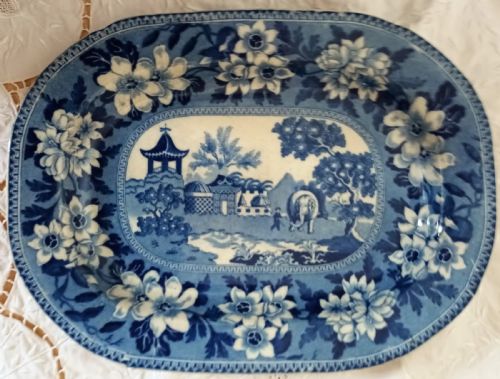
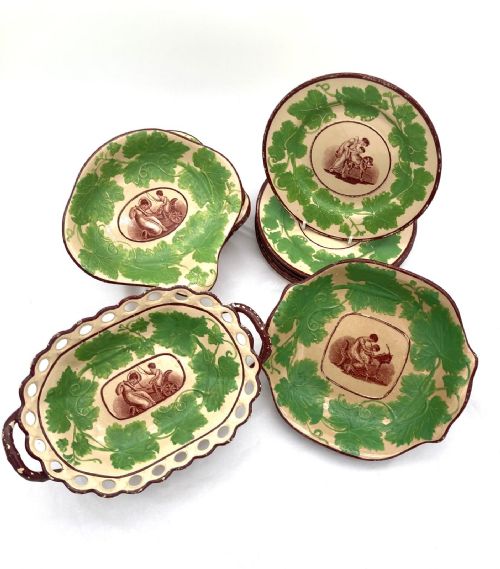
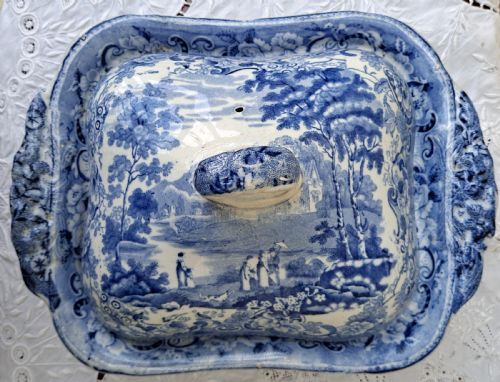
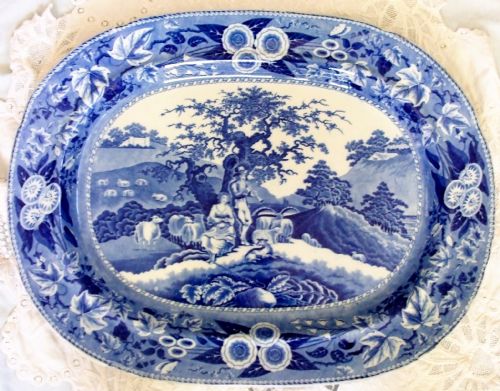
These antique transferware dish examples bring vivid blue and white scenes of far-off cities and domestic histories straight to your table.
What They Are
An antique transferware dish is a ceramic piece decorated by transferring a printed design from a copper plate onto the pottery surface using a metallic oxide, usually cobalt blue. You will most frequently encounter nineteenth-century English and Scottish examples on this page, spanning both the Georgian and Victorian periods.
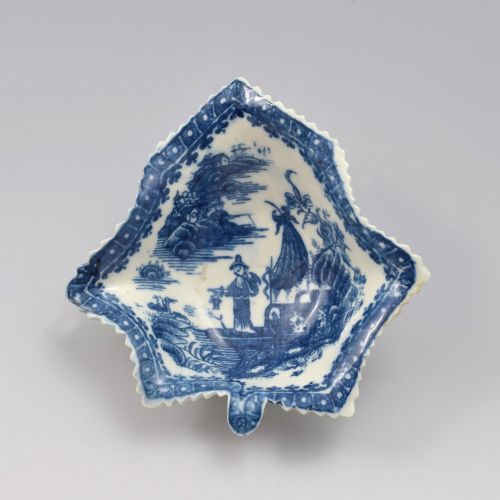
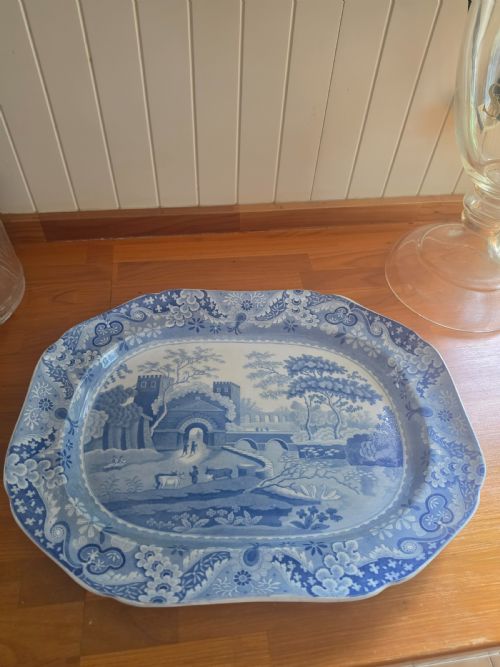
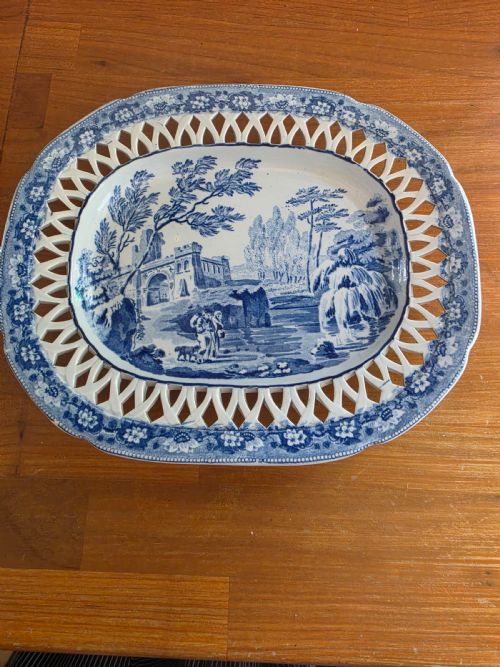
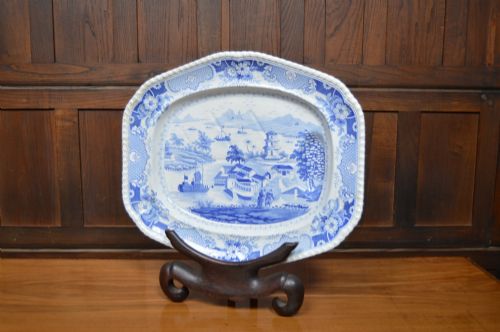
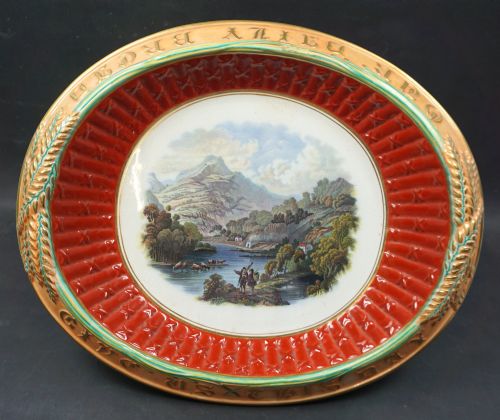
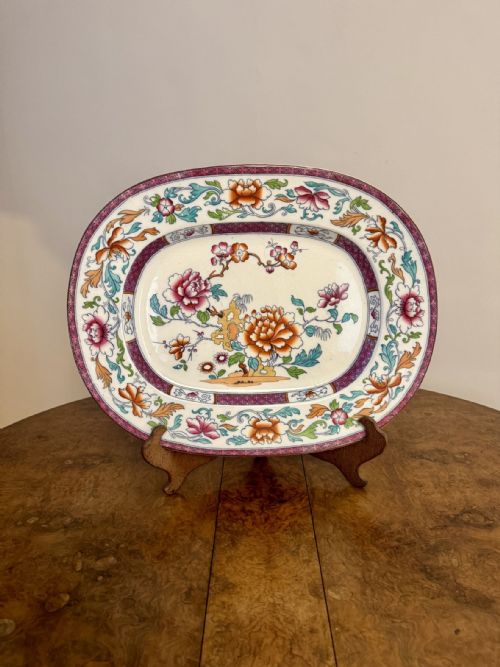
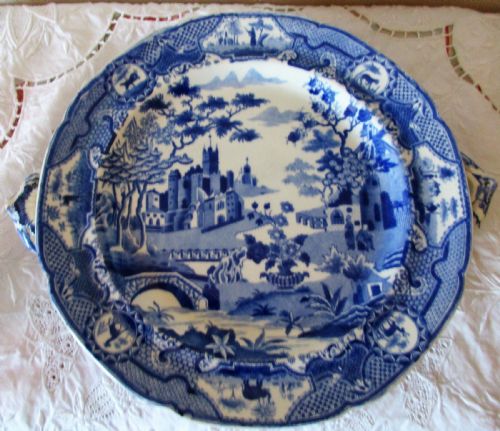
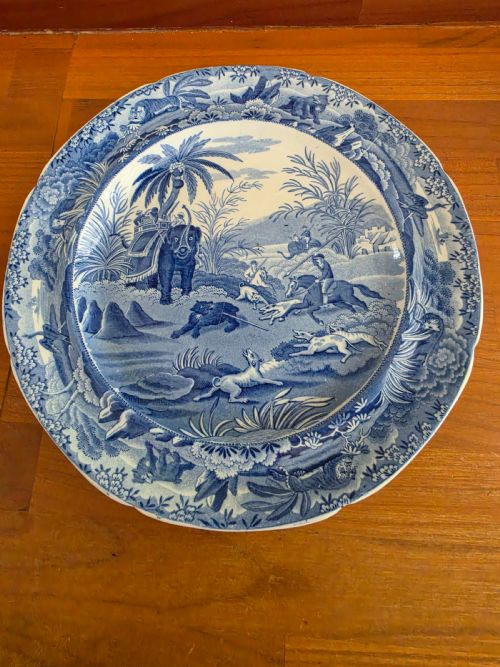
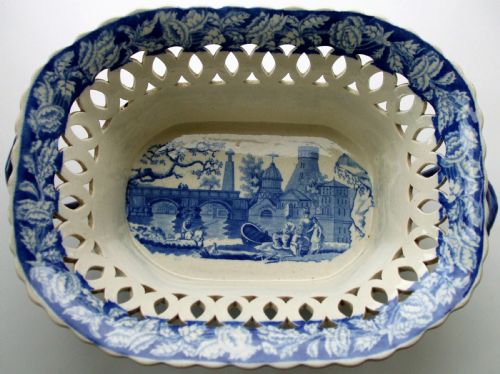
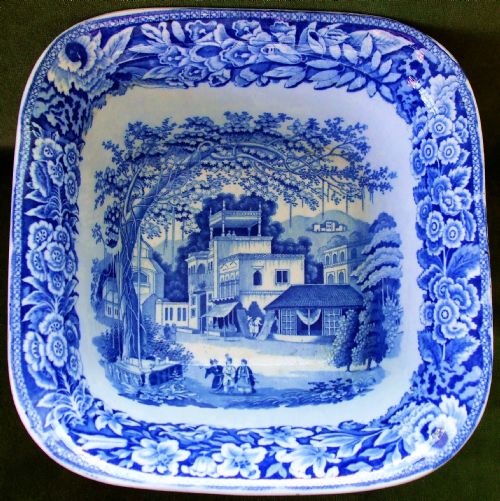
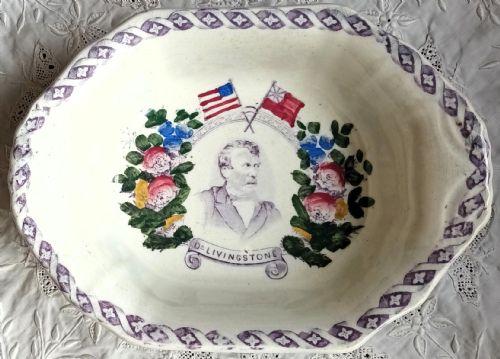
The forms range widely across the listings, covering serving platters, decorative bowls, shaped dishes such as trefoils, and commemorative plates. Many pieces feature named scenes or patterns, including topographical views, classical Chinoiserie motifs, and historical figures like Dr. Livingstone.
Makers represented in the evidence include established potters such as J. & R. Riley and Stubbs, alongside unmarked commemorative items and early nursery pieces. These wares capture an era when industrial printing techniques first made detailed pictorial tableware accessible to the home.
How They Were Made
Potters formed these items from earthenware, pearlware, and general ceramic bodies, shaping them into platters, bowls, and plates designed for heavy use or display. Some specialised serving platters incorporate technical additions like reservoirs to catch juices during carving.
Workers applied the decoration by pulling a tissue impression from an engraved copper plate and pressing it onto the porous clay body before glazing and firing. This transfer process allowed for intricate detail, from complex scroll Chinoiserie patterns to specific landscape views.
A clear glaze was applied over the transferred design to seal the ceramic body and deepen the cobalt blue tones during the kiln firing. The resulting surface combined durability with fine graphic clarity.
Retail Price Guide 2026
Typical UK retail prices for transferware dish, calculated from the Sellingantiques database of over a million retail prices indexed since 2003. This retail price guide relies exclusively on Sellingantiques data; no external sources or auction records are used, so the figures do not describe the wider market.
The listings span nineteenth-century production, utilising earthenware, pearlware, and cobalt glaze across Georgian and Victorian periods.
What Varies in Quality
Quality rests primarily in the crispness of the transfer print and the depth of the cobalt glaze. Finer pieces maintain sharp lines and rich tonal variations across complex pictorial scenes without smudging or blurring.
The sophistication of the ceramic body also dictates the tier of the piece, moving from standard earthenware to refined pearlware bodies with smooth glazes. Form complexity, such as moulded trefoil edges or integrated reservoirs on serving platters, elevates the ambition of the manufacture.
J. & R. Riley·Stubbs·Spode
The Antique Transferware Dish Glossary
- Transferware
- Ceramic decorated by printing a design from an engraved copper plate onto paper and then transferring it to the unglazed or bisque pottery before firing. This method revolutionised pottery decoration in the nineteenth century.
- Pearlware
- A refined earthenware body developed in the late eighteenth century featuring a subtle bluish glaze that pooled in crevices to mimic Chinese porcelain. It forms the base for many early nineteenth-century serving dishes.
- Cobalt Glaze
- A deep blue metallic oxide colourant used beneath or within the glaze to produce the characteristic rich blue hues seen on these wares. It withstands high firing temperatures without losing intensity.
- Chinoiserie
- European artistic interpretations of Chinese and East Asian decorative styles, frequently featuring imaginary landscapes, figures, and pavilions. It remains a staple pattern type on Georgian transfer-printed pottery.
- Trefoil
- A three-lobed decorative shape often utilised for specialised serving dishes and small bowls. The form reflects Gothic architectural tracery adapted for domestic ceramics.
Frequently Asked Questions
Can I use these dishes for serving food?
Most of these pieces were originally created for culinary use, particularly the larger platters and bowls designed for the dining table. You can use them for serving dry foods or bread during special meals.
Due to the age of the earthenware and potential lead content in nineteenth-century glazes, daily dining use is generally discouraged in favour of display.
How do I date a transferware dish?
Dating relies on examining the ceramic body, such as identifying pearlware versus standard earthenware, alongside any maker marks stamped or printed on the base. Stylistic clues like Georgian architectural borders or Victorian commemorative subjects also narrow the production window.
Comparing the style of the transfer engraving and the depth of the cobalt colour provides further chronological context.
What is the difference between a platter and a dish?
Platters are larger, typically oblong or oval vessels designed for presenting joints of meat or large quantities of food at the table. Dishes encompass a broader category that includes smaller serving bowls, shaped vessels, and decorative table pieces.
Some specialised platters even feature built-in wells or reservoirs for catching carving juices.