

Blue Transferware Dish
A blue transferware dish brings rich cobalt scenes to the table, offering a durable earthenware canvas of picturesque landscapes and traditional motifs.
What a blue transferware dish is
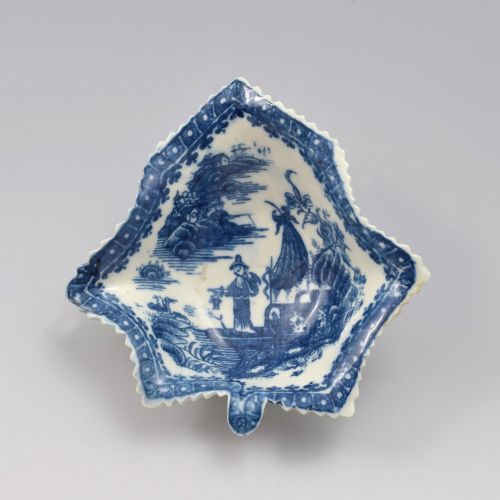
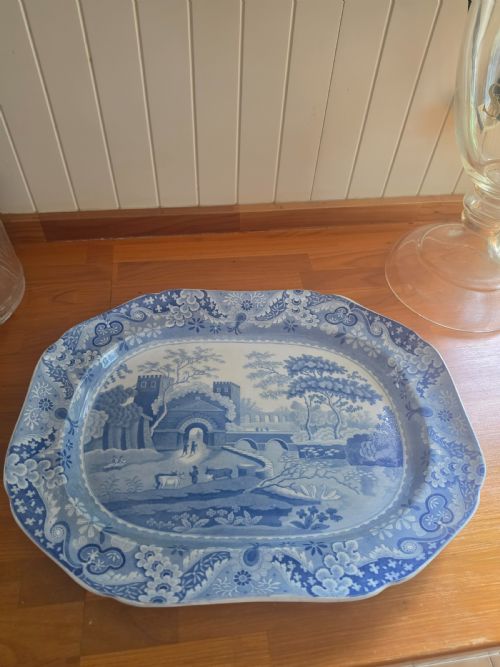
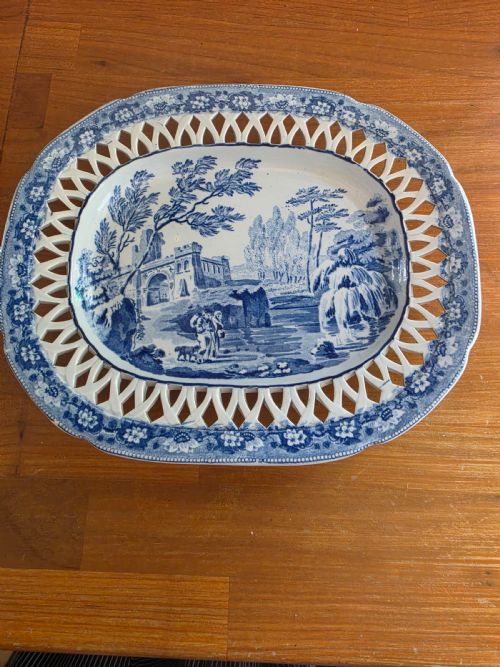
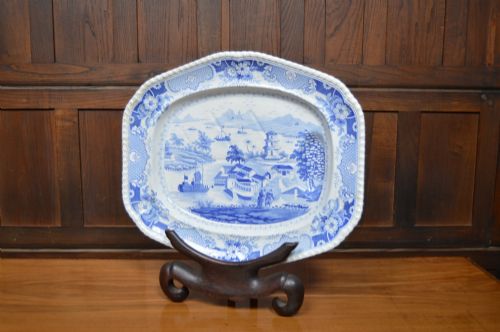
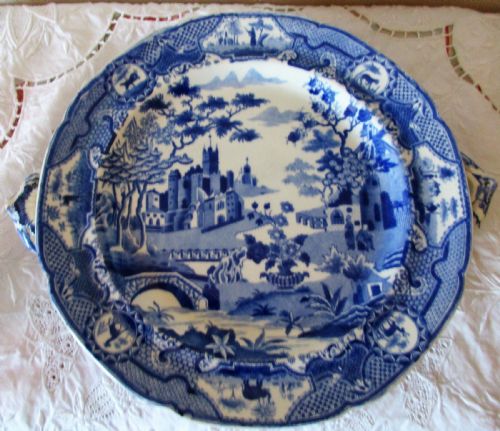
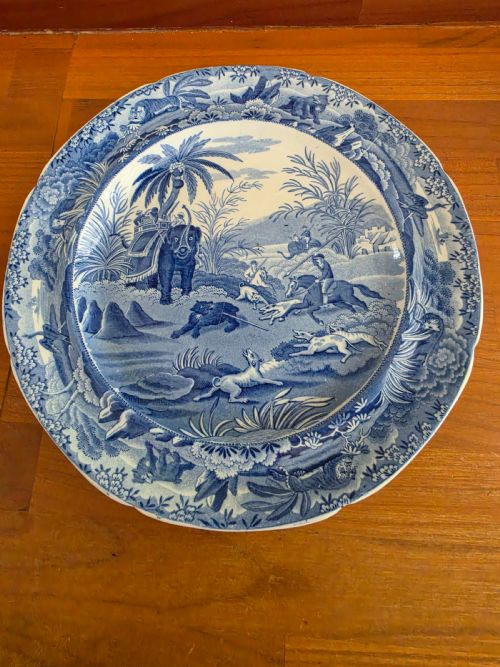
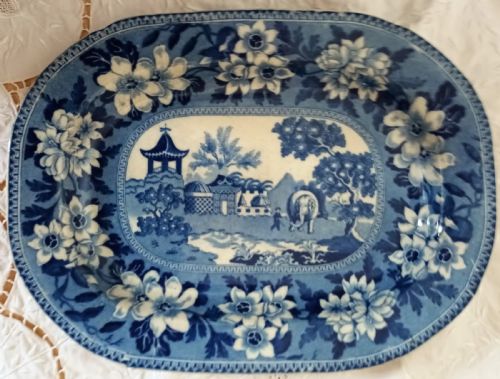
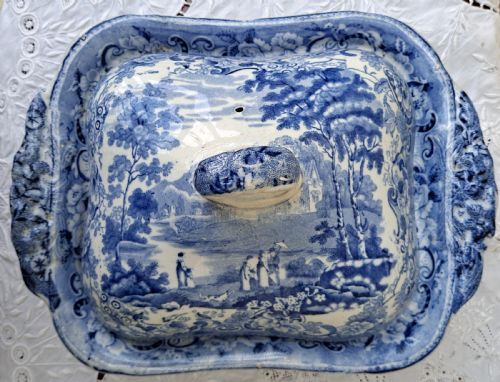
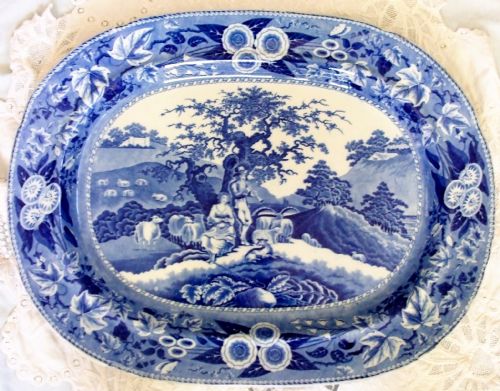
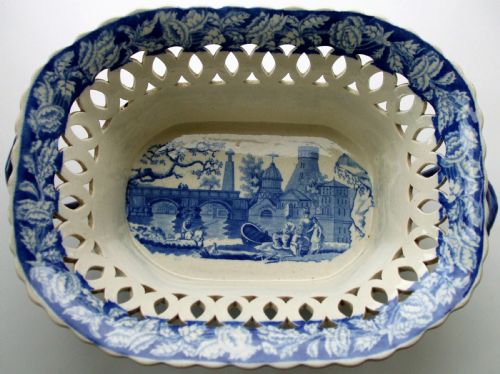
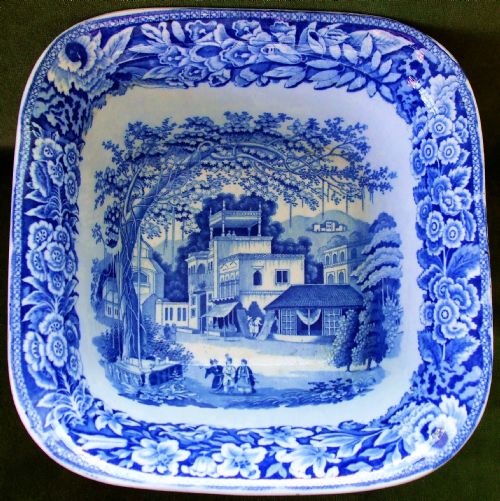
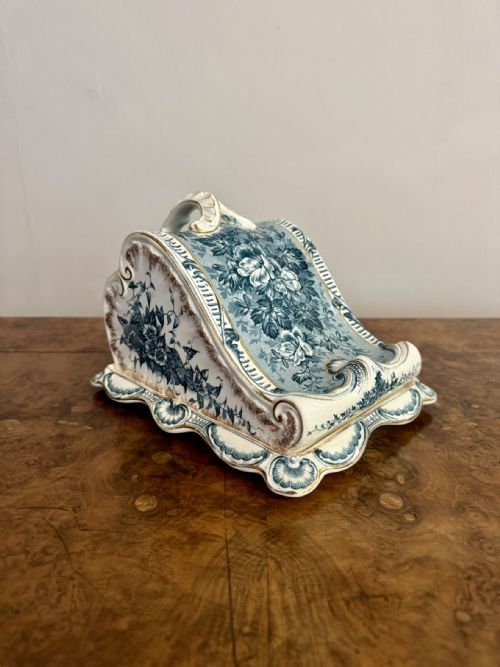
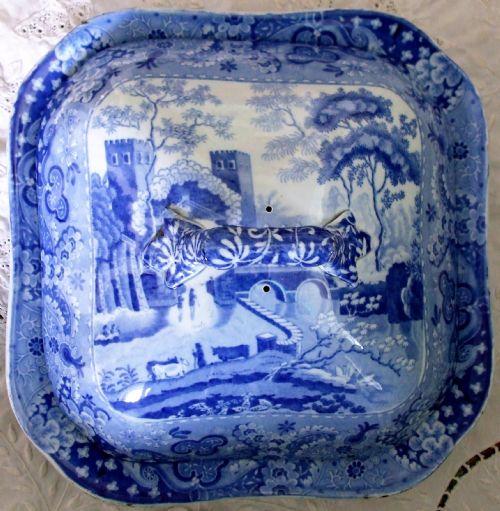
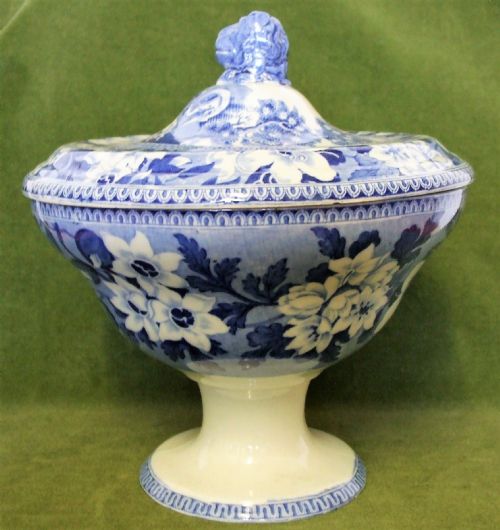
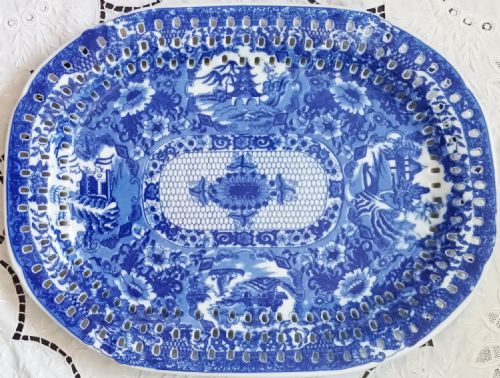
When you search for a blue transferware dish, you explore functional ceramic tableware decorated with printed blue designs under glaze. These pieces range from small pickle dishes and trefoil forms to large meat platters, vegetable tureens, and asparagus dishes. You are most likely to meet 19th-century English examples spanning the Georgian, Regency, and Victorian periods.
The forms on this page reflect the dining habits of the 19th century, featuring specialised serving vessels designed for pickles, asparagus, meat, and vegetables. Georgian and Victorian makers produced these items in earthenware and pearlware, applying scenic or figurative patterns in deep blue. Every piece demonstrates the practical utility combined with pictorial charm that characterises the category.
How they were made
Potters shaped ceramic and pearlware bodies before applying a copperplate transfer print in blue pigment. This intricate technique allowed factories to repeat complex pictorial scenes with remarkable consistency across various dish shapes.
A lead glaze sealed the surface, providing a glossy protective layer that enhanced the depth of the blue transfer design during firing. The resulting earthenware vessels combined durable construction with detailed ornamentation.
Retail Price Guide 2026
Typical UK retail prices for blue transferware dish, calculated from the Sellingantiques database of over a million retail prices indexed since 2003. This retail price guide relies exclusively on Sellingantiques data; no external sources or auction records are used, so the figures do not describe the wider market.
Listings span the 19th century, featuring earthenware and pearlware forms treated with lead glaze.
What varies in quality
The clarity and registration of the blue transfer print distinguish finer vessels from simpler production. Sharp outlines and well-preserved glaze depth indicate superior execution by the pottery.
The complexity of the form and the distinctiveness of the named pattern influence the character of the piece. Well-modelled shapes like trefoil dishes or marked factory pieces demonstrate greater ambition in design.
J. & R. Riley·Mason·John Rogers and Son·J. & R. Clews
The Blue Transferware Dish Glossary
- Transferware
- Ceramic pottery decorated by printing a design from an engraved copper plate onto tissue paper and transferring it to the biscuit fired clay before glazing.
- Pearlware
- A refined type of earthenware developed in the late 18th century, featuring a thin glaze with a slight bluish tint that made the ceramic body appear whiter.
- Trefoil
- A three-lobed decorative shape often used for specialised serving dishes intended for pickles or small condiments.
- Tureen
- A deep covered serving bowl designed for holding soups, vegetables, or sauces at the dining table.
Frequently Asked Questions
What is a blue transferware dish?
A blue transferware dish is a ceramic or pearlware vessel decorated with a printed blue pattern applied from an engraved copper plate. These items include serving dishes, platters, and tureens produced during the 19th century.
They combine functional tableware with detailed pictorial scenes, ranging from classical ruins to Chinoiserie motifs.
How do I care for antique ceramic dishes?
Antique earthenware requires gentle hand washing with mild soap and warm water to protect the historic glaze and ceramic body. Avoid soaking them for long periods or placing them in modern dishwashing appliances.
Display them securely away from edges and sudden temperature changes to preserve the material.
How can I tell Georgian pottery from Victorian pieces?
Georgian pottery often exhibits the refined bodies and pearlware glazes associated with the late 18th and early 19th centuries. Victorian pieces frequently display heavier earthenware forms and distinct stylistic influences.
Examining the specific patterns, potters' marks, and glaze characteristics helps distinguish between these periods.
Were these dishes used for everyday dining?
Many of these vessels served specific roles at the dining table, such as holding meat, vegetables, asparagus, or pickles during formal meals. Their durable earthenware construction suited regular household use.
Larger platters and covered tureens formed part of larger service sets designed for communal dining.