


Early 19th Century Ceramics
Early 19th century ceramics bring together the practical domestic earthenware, porcelain figures and decorative tableware of the Georgian, Regency and early Victorian eras.
Early 19th Century Ceramics
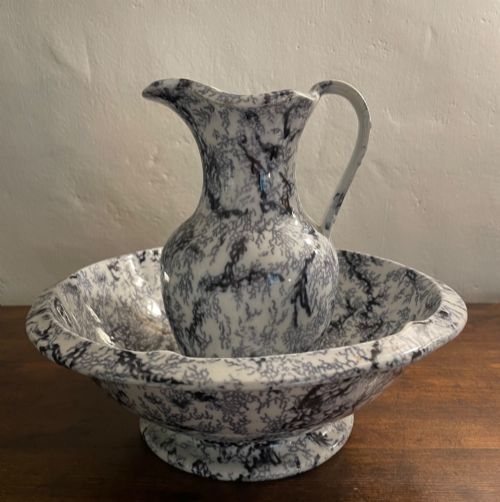
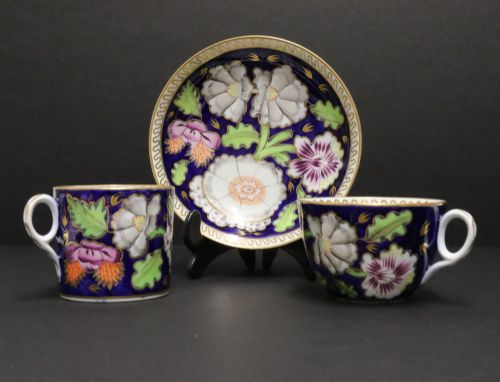
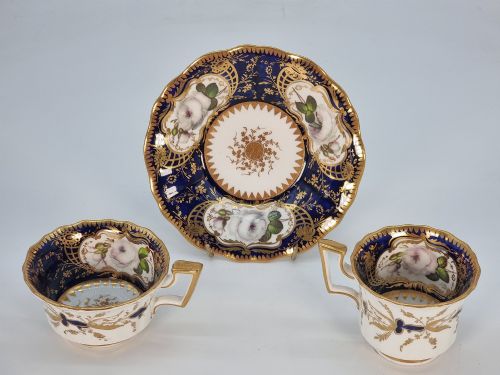
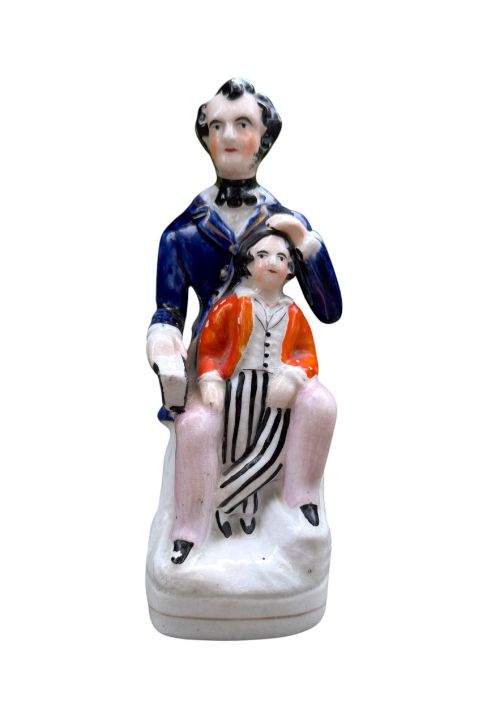
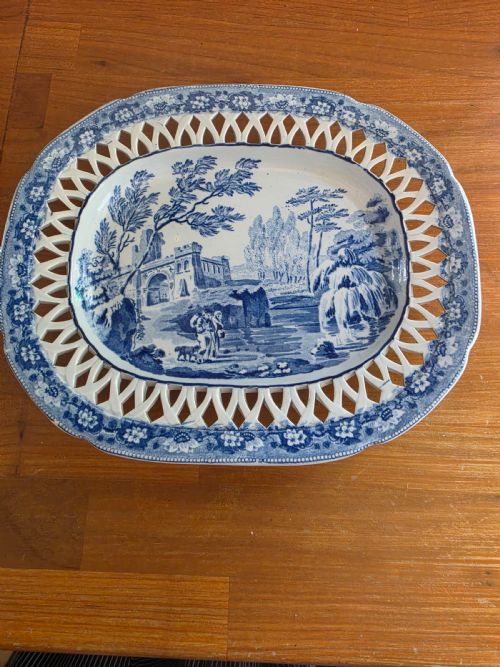
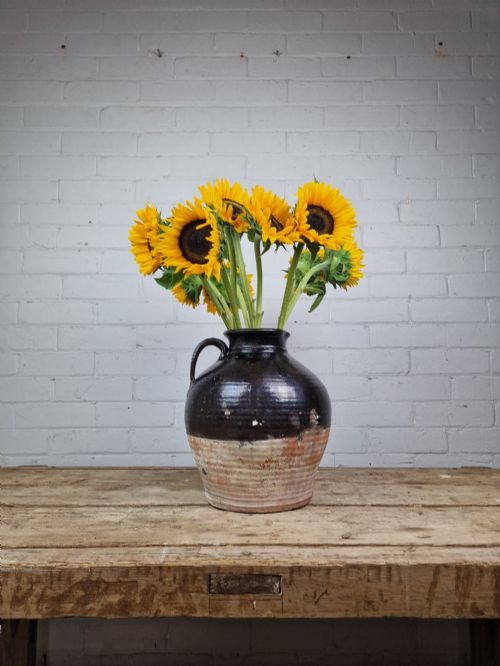
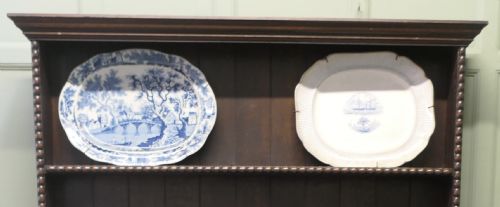
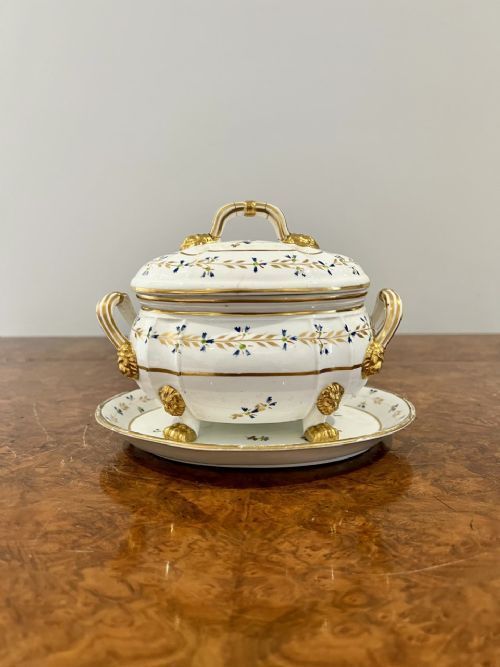
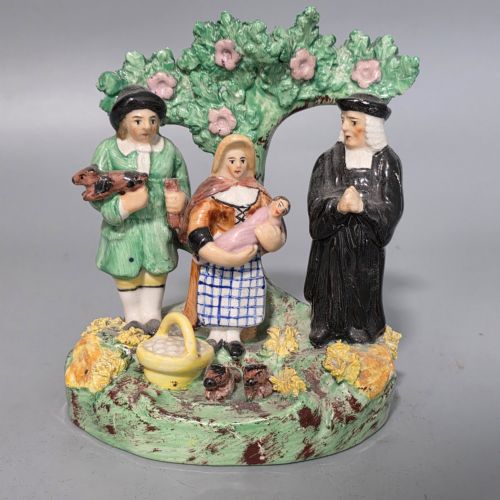
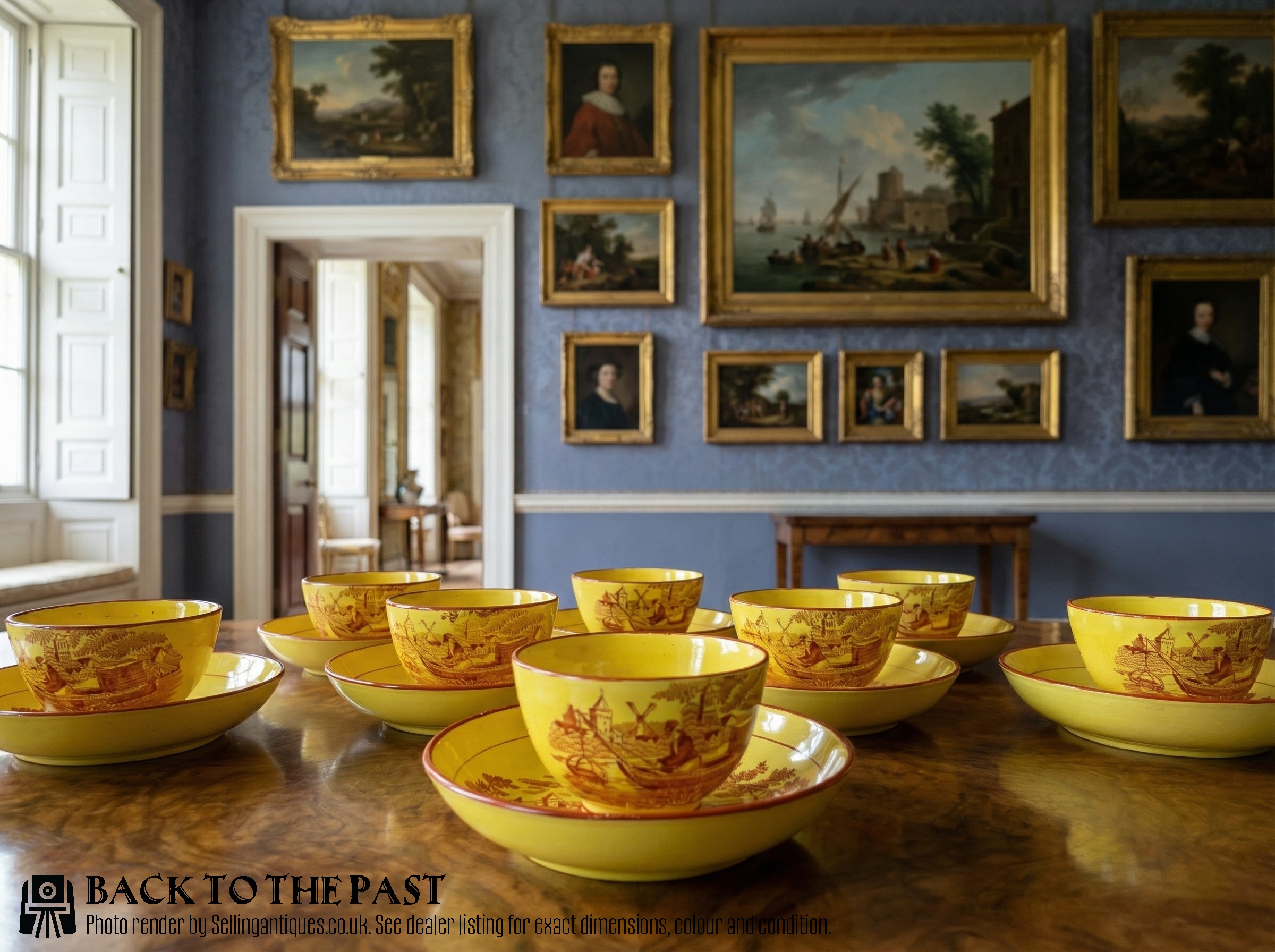
When searching for early 19th century ceramics, collectors encounter a diverse range of functional tableware and decorative objects spanning the Georgian, Regency and early Victorian periods. These pieces include transfer-printed blue and white platters, porcelain cabinet trios, Staffordshire figures, and earthenware jugs made for daily use or display.
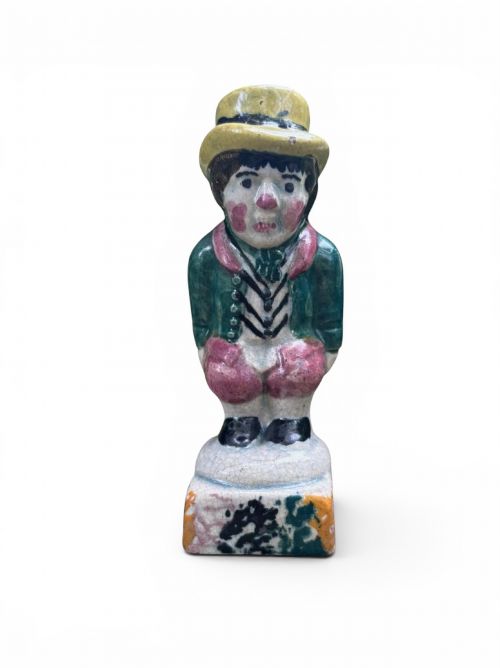
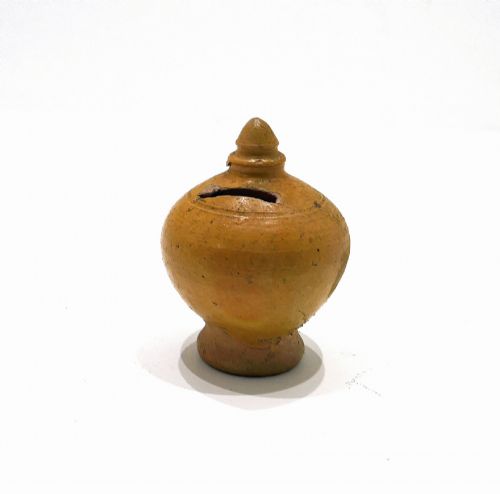
The objects on this page frequently originate from notable English potteries such as Staffordshire, Worcester, Coalport and Minton, alongside continental and Asian works. Forms range from large chargers and soup ladles to delicate scent holders, money boxes and animal figures.
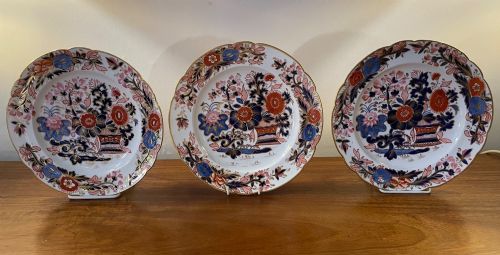
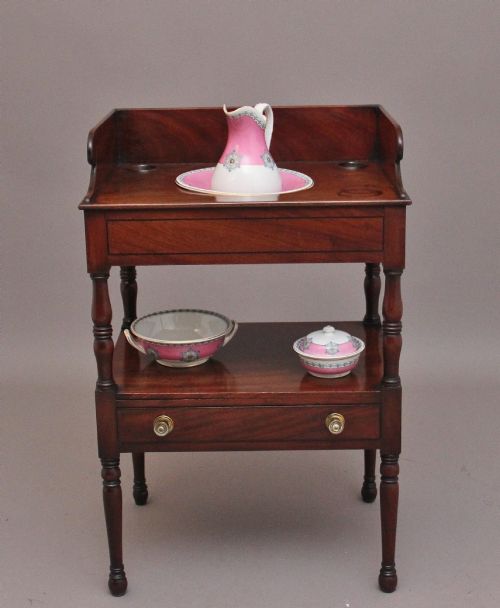
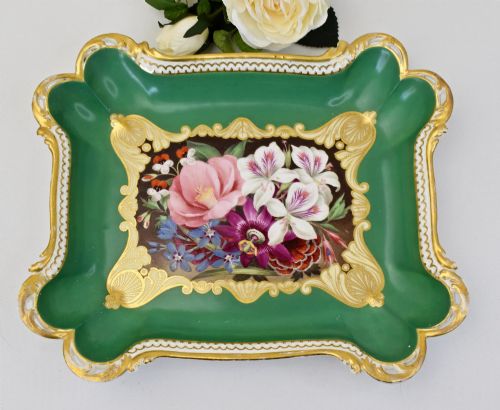
Buyers meet both refined porcelain table services intended for formal dining and robust earthenware items shaped for country houses and kitchens. Each piece reflects the shifting design styles of the period, from classic floral motifs to vibrant Imari palettes and Chinoiserie patterns.
Materials and production methods
Potters of this era utilised a variety of body materials including soft-paste and hard-paste porcelain, earthenware, stoneware and pearlware. Surface decoration often relied on underglaze blue transfer printing, hand-painting in enamels, and the application of gold leaf or lustre glazes.
Moulding and casting techniques allowed factories to produce uniform shapes such as plates, tureens and figurines with intricate details like lion mask handles and grotesque ewer spouts. Kiln firing methods determined the durability of the glaze and the clarity of the cobalt blue or polychrome pigments.
Materials recorded across the inventory include Porcelain, Enamel, Earthenware, Gold Leaf, Glaze, Ceramic, Pearlware and Gilding.
Assessing quality in period ceramics
Quality in these ceramics rests upon the crispness of the moulding, the precision of the hand-painting or transfer printing, and the stability of the glaze. Superior pieces exhibit fine detail in facial expressions on figures and clean alignment in transfer-printed patterns.
The refinement of the clay body itself distinguishes standard utilitarian wares from high-status cabinet pieces produced by premier factories. Potteries known for exceptional throwing and porcelain formulation achieve thinner walls, translucent bodies and expertly applied gilding.
Newhall·Coalport·Davenport·Prattware·Doe and Rogers·Verwood Pottery·Crown Derby·Mintons·Mason's Ironstone·Chamberlain Worcester·Wooley·Niderviller·Walton·Kutani
The Early 19th Century Ceramics Glossary
- Transfer printing
- A method of applying intricate designs to pottery by engraving a copper plate, pulling the image on tissue paper, and pressing it onto the ceramic surface before firing.
- Imari palette
- A decorative colour scheme utilising deep cobalt blue, iron red and gold, inspired by Japanese export porcelain of the Edo period.
- Lustreware
- Earthenware or porcelain decorated with a metallic film that produces an iridescent sheen, often created using copper, silver or gold.
- Tyg
- A large drinking vessel featuring three or more handles, designed for communal passing around a table during the Georgian era.
Early 19th Century Ceramics: Frequently Asked Questions
How do I identify a transfer-printed piece?
Transfer-printed ceramics display finely detailed repeating patterns applied mechanically rather than painted by hand. Close inspection reveals small stippled dots or fine lines characteristic of engraved copper plates.
These designs most commonly appear in blue and white, mulberry or pink lustre across plates, jugs and platters from the period.
What is the difference between earthenware and porcelain?
Earthenware is an opaque, porous ceramic body fired at lower temperatures, often used for utilitarian jugs, basins and Staffordshire figures. Porcelain is denser, finer and frequently translucent, chosen for high-end cabinet trios and decorative tableware.
Porcelain rings when struck gently, whereas earthenware produces a duller sound due to its composition.
How should I care for antique ceramic figures?
Display these pieces away from direct sunlight and areas subject to sudden temperature fluctuations to protect the glaze and enamel colours. Dust them gently with a soft, dry brush rather than washing them with water.
Avoid using chemical cleaners or abrasive cloths, which can damage hand-painted details and historic gilding.