


English Creamware Pottery
English creamware pottery brings pale earthenware warmth to the table, offering understated utility alongside refined Georgian and Victorian forms.
English Creamware Pottery
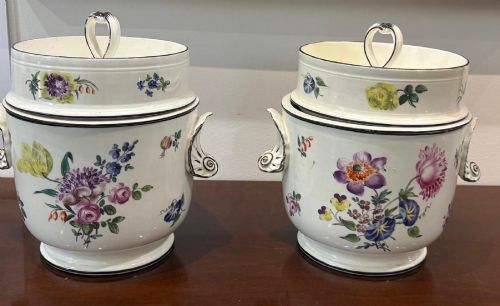
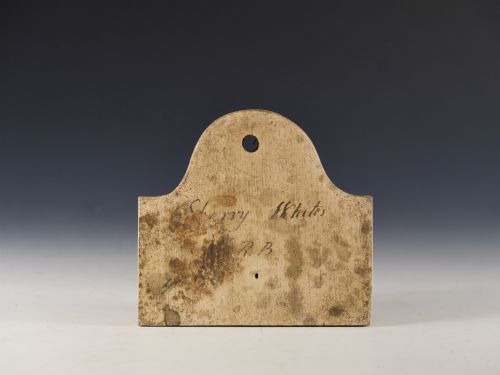
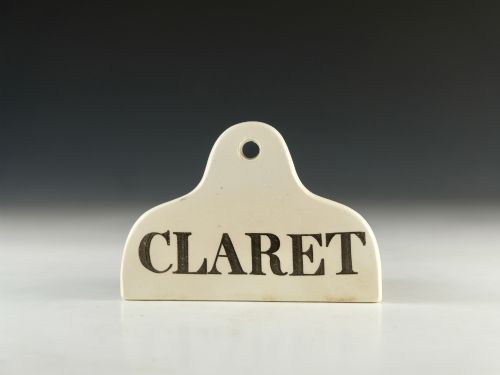
English creamware pottery encompasses utilitarian vessels and decorative table services created across the eighteenth and nineteenth centuries, spanning Georgian, Victorian, and Edwardian periods. Pieces range from large jugs and ice pails to dessert services, dinner plates, and cheese domes.
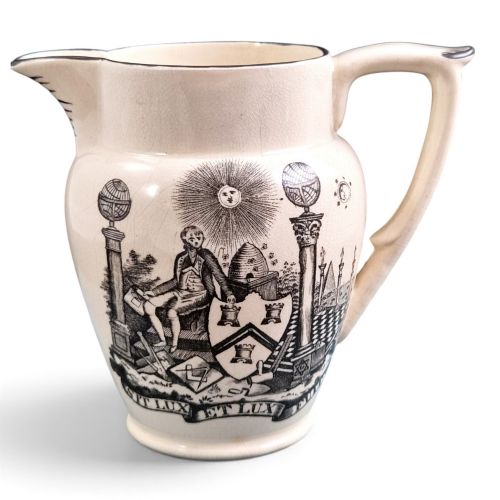
Makers and potteries from Staffordshire, Yorkshire, and Leeds produced these refined ceramic items utilising cream-coloured earthenware bodies. Collectors encounter both plain glazed surfaces and decorated examples featuring transfer printing, enamel colours, and armorial crests.
Form and Finish
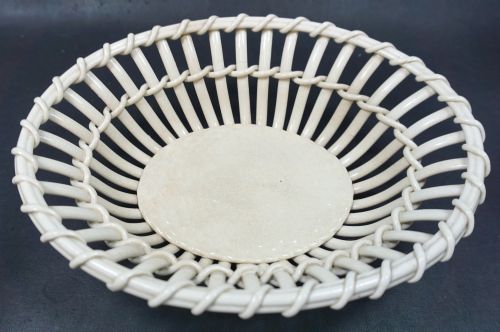
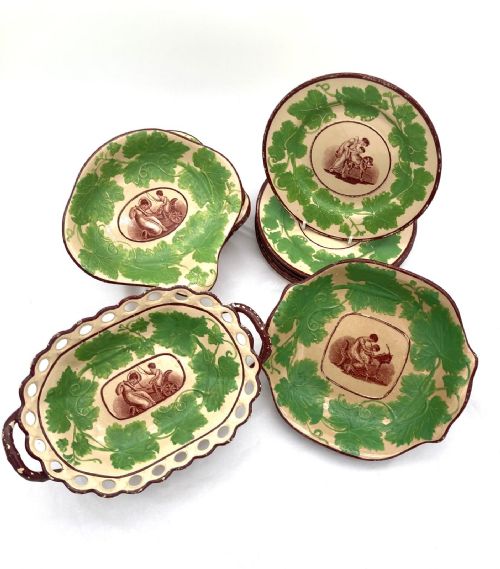
Quality rests in the crispness of moulded relief details, such as wicker patterns on baskets and botanical motifs on dinner plates. Finer examples display balanced proportions, clean potting, and even glaze coverage without excessive pooling.
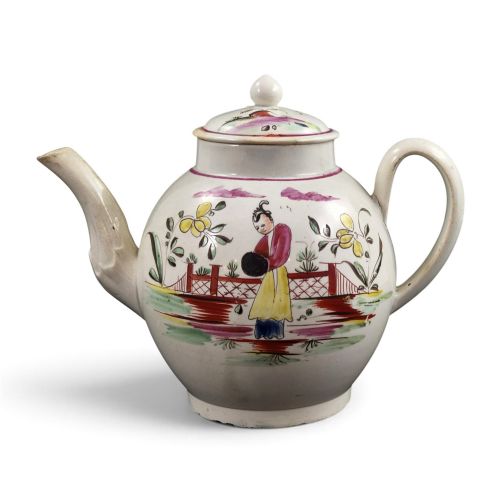
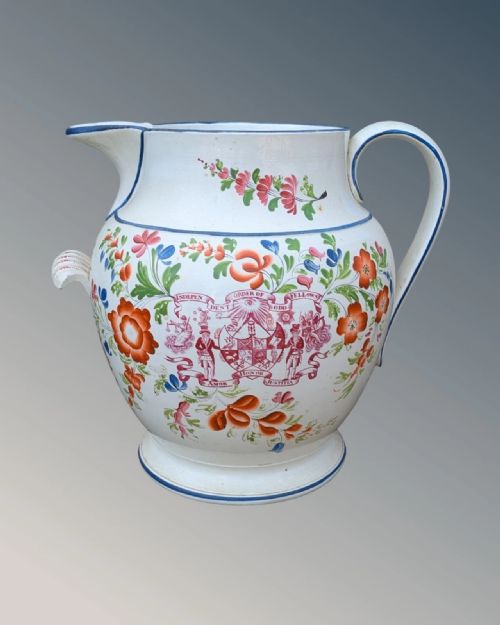
Decoration separates standard utility pieces from exceptional items. Handpainted enamels, detailed black transfer prints, armorial crests, and variegated lustre effects elevate the visual depth and prestige of individual vessels.
Form variations include tableware, storage vessels, and dessert services created by regional English potteries.
Wedgwood·Leeds Pottery·Davenport·Whieldon
The English Creamware Pottery Glossary
- Creamware
- A refined earthenware body covered in a clear lead glaze that yields a pale buttery tone. It superseded heavier salt-glazed stonewares in English households.
- Pearlware
- A transitional earthenware developed to rival porcelain, featuring a glaze with a small amount of cobalt that pooled blue in crevices.
- Transfer print
- A decorative technique where an engraved metal plate transfers a design onto paper and then onto the ceramic body before glazing.
- Armorial
- A heraldic crest or coat of arms painted or printed onto dinner plates and jugs to denote ownership by a specific family.
- Lustre
- A metallic film applied over the glaze and refired to produce an iridescent sheen on jugs and decorative wares.
English Creamware Pottery: Frequently Asked Questions
How do I date English creamware pottery?
Dating relies on stylistic shifts, potting weights, and glaze characteristics. Earlier eighteenth-century pieces often feature lighter bodies and green-tinted glaze pools, while nineteenth-century items incorporate bolder transfer printing and heavier earthenware forms.
Assessing shape, decorative motifs, and recorded kiln practices helps narrow down the decade of production. Comparative study of known pottery output further clarifies the timeline.
Were these vessels used daily?
Many items served practical functions in Georgian and Victorian dining rooms. Jugs, dinner plates, pudding bowls, and cheese domes saw regular service at household meals.
More elaborate dessert services, ice pails, and armorial plates appeared primarily during formal dining occasions. Their durability ensured they survived decades of active household use.
What is the difference between creamware and pearlware?
Creamware displays a warm, pale yellow or ivory glaze tone suited to refined eighteenth-century dining tables. Pearlware was introduced to appear whiter, closer in resemblance to imported Chinese porcelain.
Pearlware glazes contain traces of cobalt that settle with a faint bluish tint in curves and recesses. This chemical adjustment distinguishes the two ceramic bodies.
How should I display creamware at home?
Creamware suits open shelving, wooden dressers, and dining room sideboards where its neutral ivory tones stand out against darker backgrounds. Grouping plates, jugs, and baskets creates visual rhythm.
Keeping pieces away from direct sunlight preserves enamels and transfer prints. Stable indoor humidity protects the earthenware body from moisture fluctuations.