


Antique Staffordshire Creamware
Antique Staffordshire creamware brings buttery earthenware and transfer prints to a table, offering genuine Georgian character for daily use.
Antique Staffordshire Creamware
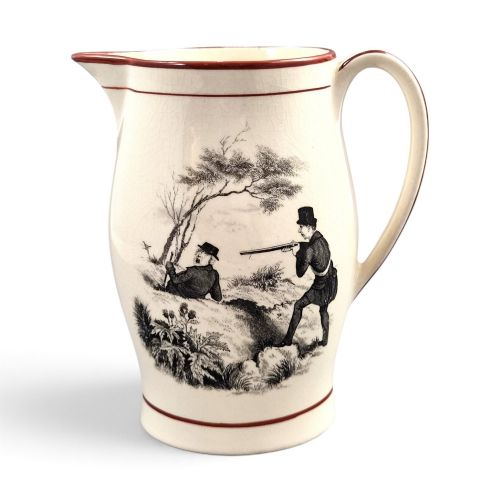
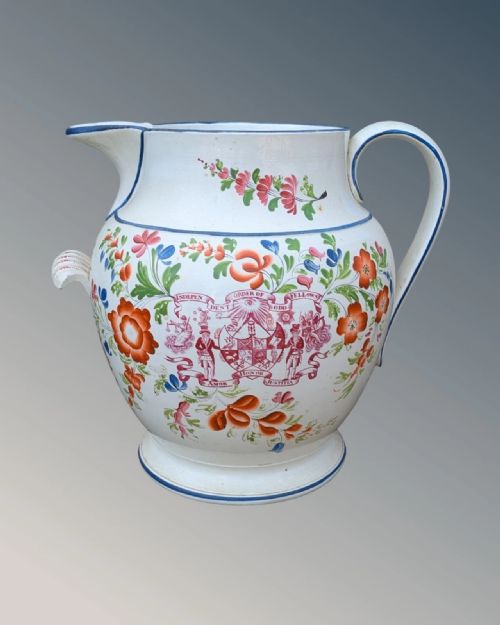
Antique Staffordshire creamware comprises domestic pottery and decorative vessels shaped in eighteenth and nineteenth-century England. Collectors seek out these pieces for their warm, pale bodies and historic transfer-printed decoration.
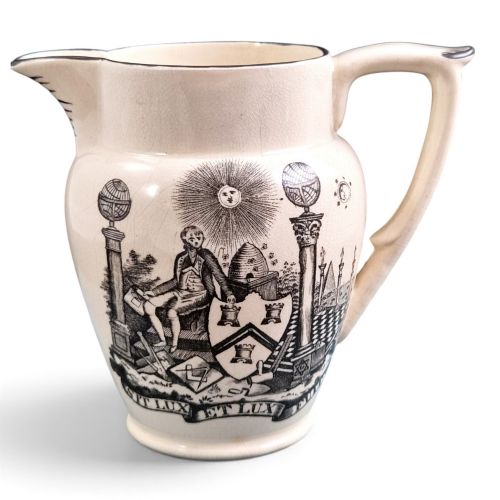
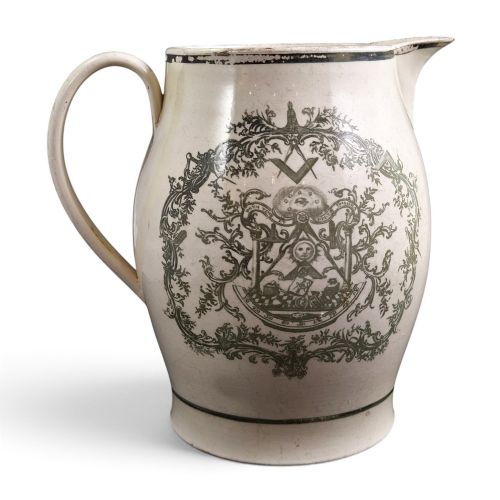
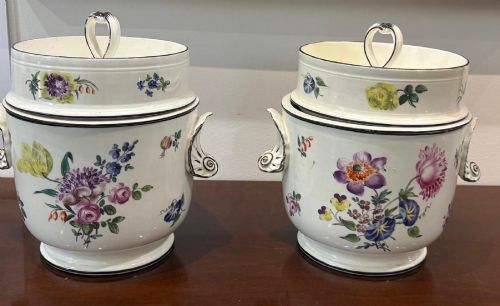
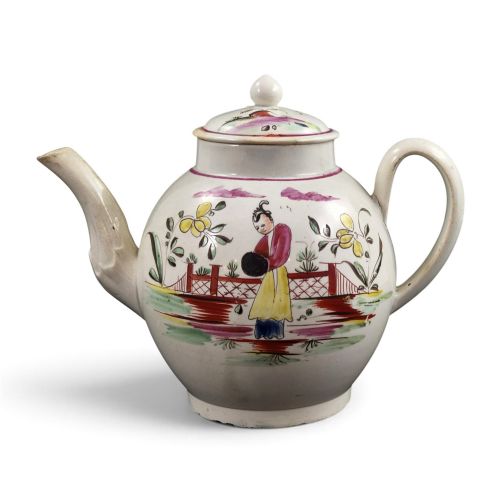
The items found here span useful forms like jugs, teapots, and chargers alongside moulded figures and ice pails. Georgian examples dominate the selection, showing the rich variety of earthenware production from the period.
How they were made
Potters shaped these objects from refined earthenware clay, applying lead glaze to achieve a smooth, creamy surface. Cobalt pigment and black transfer prints provided the primary decoration across jugs, teapots, and chargers.
Makers utilised press-moulding techniques for figural pieces like jelly moulds and animal creamers. Firing took place in traditional kilns, fixing the enamel colours and distinctive green or blue glazes onto the ceramic body.
Listings feature Georgian and Victorian periods, with materials spanning earthenware, creamware, pearlware, and cobalt pigment.
What varies in quality
Quality rests upon the crispness of the transfer print and the evenness of the pale glaze. Well-modelled details on figures and relief-moulded vessels separate superior studio output from simpler utilitarian wares.
The clarity of the earthenware body and the preservation of hand-painted enamel colours dictate the desirability of each piece. Surviving pairs and uncommon forms like ice pails command greater attention from experienced collectors.
Ralph Wood·Enoch Wood & Sons
The Antique Staffordshire Creamware Glossary
- Creamware
- A refined earthenware developed in England with a pale yellowish lead glaze. This ceramic body superseded heavier salt-glazed stonewares in many eighteenth-century households.
- Pearlware
- An earthenware body featuring a bluish-tinted glaze that pooled in recesses. Potters introduced this material to mimic the appearance of Chinese porcelain.
- Transfer print
- A decoration applied to ceramics by transferring an engraved design from a copper plate via tissue paper. This technique allowed intricate patterns to be repeated across jugs and teapots.
- Lead glaze
- A liquid silica and lead mixture applied to bisque pottery to create a glossy seal during firing. It gave early Staffordshire earthenware its characteristic lustre and waterproof finish.
- Charger
- A large decorative or serving plate used on Georgian dining tables. These substantial ceramic pieces often displayed shaped edges or moulded rims.
Antique Staffordshire Creamware: Frequently Asked Questions
What is creamware?
Creamware is a fine earthenware body developed in eighteenth-century England, finished with a transparent lead glaze that yields a warm, pale yellow hue.
Potters used this ceramic material for everything from simple cups and saucers to large chargers and decorative ice pails.
How do I clean creamware?
Wash these fragile earthenware pieces gently by hand using warm water and mild soap. Avoid soaking antique ceramics, as moisture can penetrate old glaze crazing.
Keep them away from modern dishwashers and harsh detergents to preserve the delicate transfer prints and lead glazes.
Are these pieces functional?
Many items like jugs, teapots, and tankards were made for practical dining table use during the Georgian and Regency periods. However, due to age and potential hairline cracks in the earthenware, modern owners often display them rather than use them daily.
Using them for serving requires careful handling to prevent thermal shock or accidental chipping.
How do I date creamware?
Dating relies on observing ceramic bodies, glaze tones, and decorative styles like transfer printing or hand-painted enamel. Earlier eighteenth-century pieces often feature lighter bodies, while nineteenth-century items transition towards pearlware and heavier moulded designs.
Comparing potting techniques and known potter marks helps narrow down the decade of production.