
Antique Creamware Ceramic
Antique creamware ceramic pieces bring the warm, pale tones of Georgian and Victorian tables into modern rooms.
Antique Creamware Ceramic
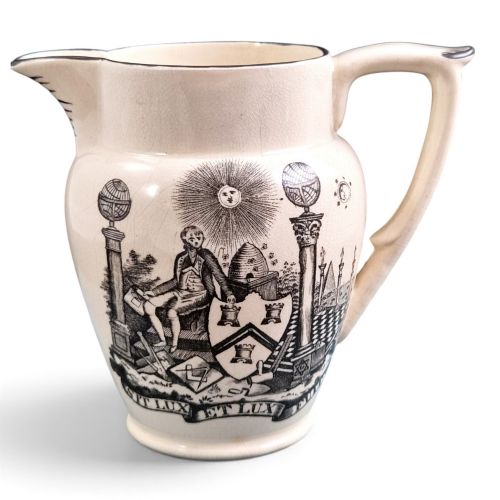
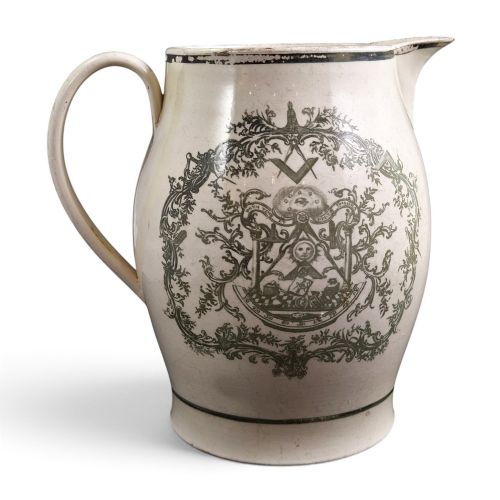
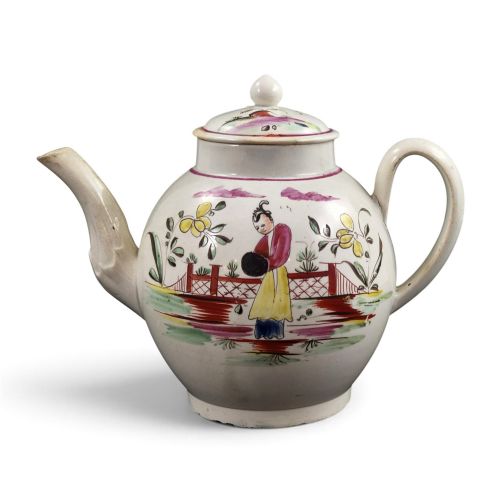
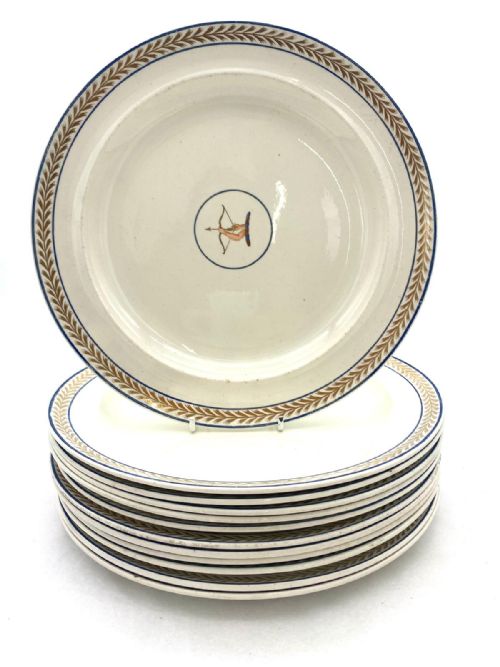
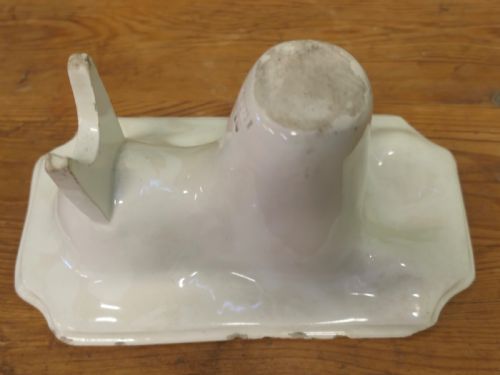
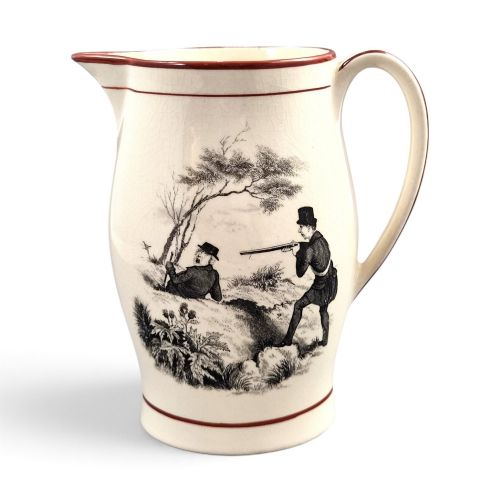
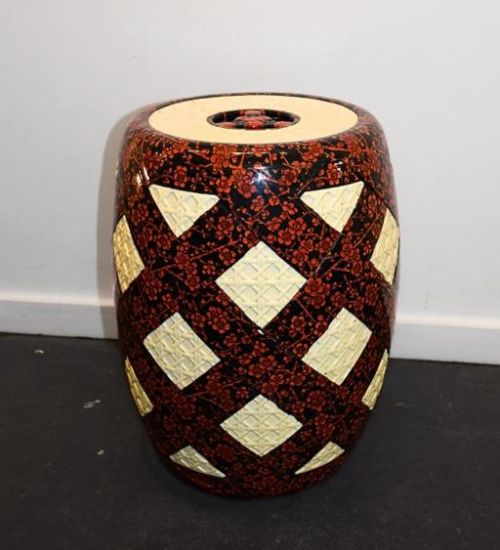
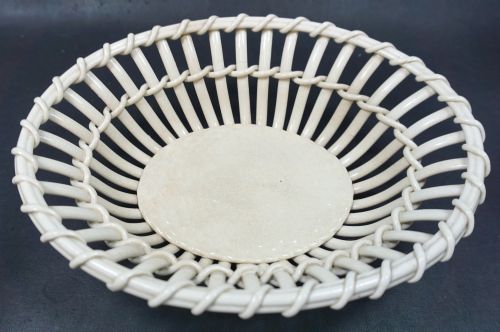
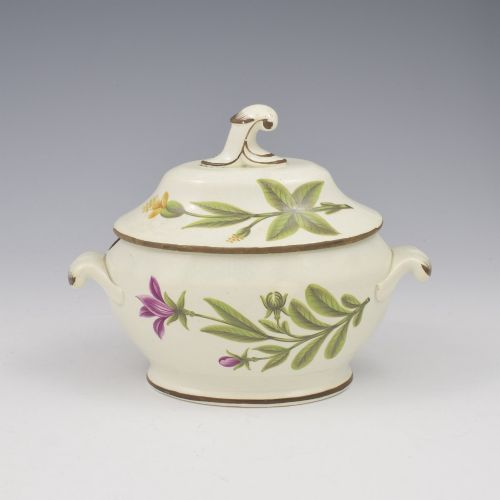
When you search for antique creamware ceramic, you encounter utilitarian and decorative earthenware developed in England during the eighteenth and nineteenth centuries. The selection includes tableware like dinner plates, teapots, and soup bowls alongside larger domestic items such as jugs, garden seats, and jelly moulds.
Most items you meet on this page hail from the Georgian and Regency periods, with later nineteenth-century pieces also appearing. Forms range from simple cream-glazed chargers to transfer-printed jugs and moulded baskets.
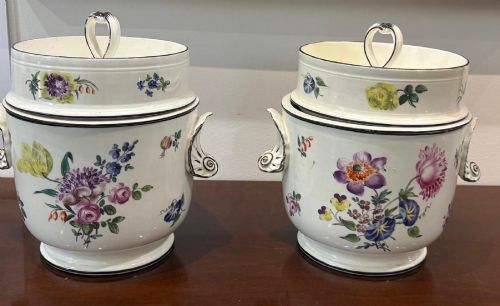
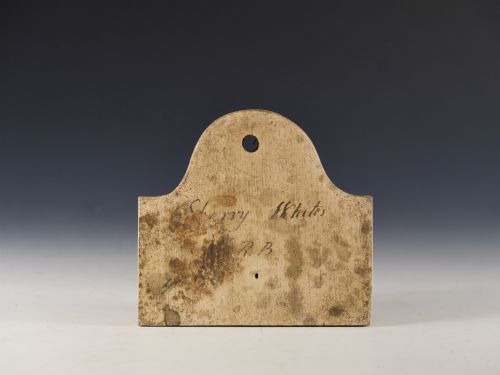
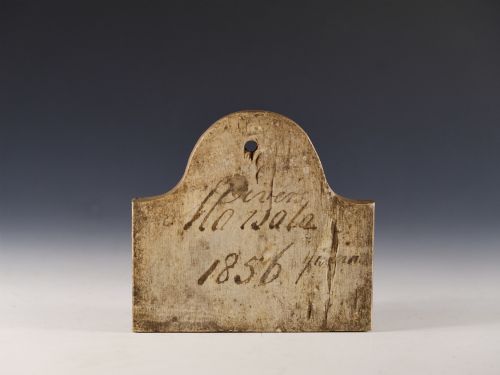
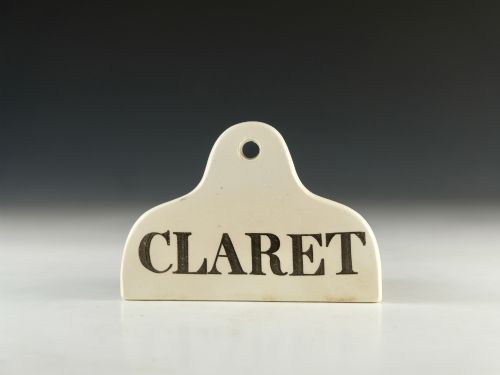
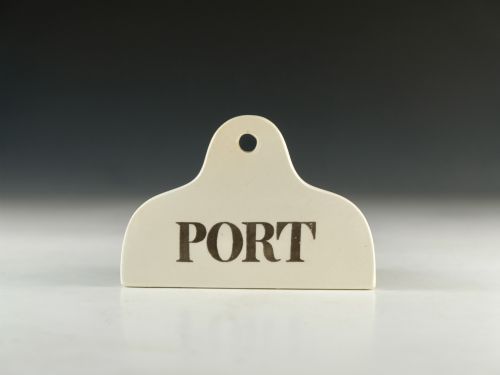
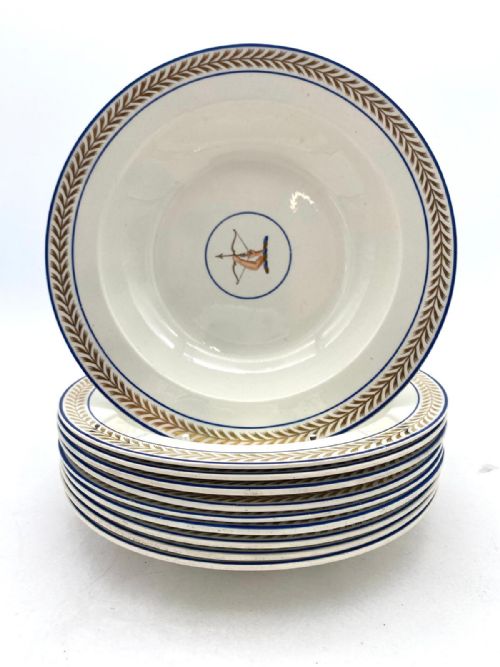
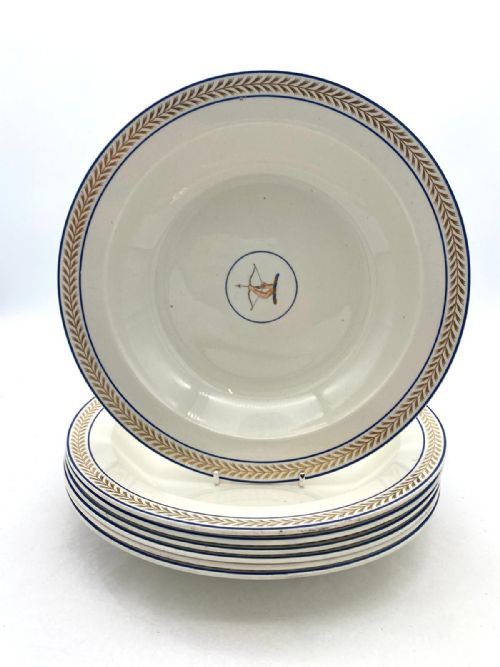
Makers and potteries from Staffordshire, Leeds, and Liverpool produced these wares for everyday dining and special service. Buyers find everything from armorial dinner plates to nursery mugs and wine cellar accessories.
How they were made
Potters shaped refined earthenware bodies and coated them with lead glazes to achieve the characteristic warm, pale yellow or ivory hue. Artisans applied hand-painted enamel designs or black transfer prints to the fired surface.
Many utilitarian items, such as lion jelly moulds and decorative baskets, relied on intricate clay moulding techniques. Factories like Wedgwood, Leeds Pottery, and Minton utilised specialised kilns to vitrify the ceramic body while preserving the delicate glaze.
Listings feature earthenware materials including creamware, pearlware, and lead-glazed ceramic from the Georgian, Regency, and Victorian periods.
What varies in quality
Quality in these ceramics rests on the crispness of the moulded relief and the delicacy of the cream glaze. Finer pieces display sharp transfer printing and precise hand-painted enamel work without smudging.
Wedgwood·Minton·Ralph Wood·Leeds Pottery·Enoch Wood and Sons·Davenport·Herculaneum
The Antique Creamware Ceramic Glossary
- Creamware
- A refined earthenware with a pale yellowish lead glaze developed in England during the eighteenth century. It revolutionised dining tables with its lighter weight and cleaner appearance than traditional salt-glazed stoneware.
- Pearlware
- An earthenware body with a bluish-tinted glaze created to rival true porcelain. Potters often combined this glaze with underglaze blue painting or polychrome enamels.
- Transfer print
- A decorative technique where an engraved metal plate transfers a design onto paper and then onto the ceramic surface. This method allowed intricate patterns like botanical scenes or armorial crests to be applied rapidly.
- Armorial
- A ceramic design featuring a family coat of arms or crest. Wealthy patrons commissioned these services specifically for grand dining occasions.
- Earthenware
- Porous pottery fired at lower temperatures and rendered waterproof through glazing. Creamware and pearlware are both specific types of refined earthenware.
Antique Creamware Ceramic: Frequently Asked Questions
Can I use antique creamware for dining?
Most antique creamware ceramic pieces serve well for dry foods or gentle display rather than heavy daily use. Historic glazes may contain lead, and old earthenware bodies absorb liquids over time.
Reserve dinner plates and bowls for special occasions or cabinet display. Gentle handling preserves both the glaze and any delicate enamel painting.
How do I tell creamware from pearlware?
Examine the pooled areas of the glaze in handles or foot rims to spot the difference. Creamware shows a warm, buttery, yellowish hue, whereas pearlware has a distinct bluish tint.
Pearlware was specifically formulated to look whiter by adding cobalt oxide to the glaze recipe. This subtle colour shift helps date pieces accurately.
Where were these ceramics made?
English potteries in Staffordshire, Yorkshire, and Liverpool produced the vast majority of these wares. Regional centres like Leeds and Swansea also developed distinct local bodies and glaze formulas.
Workers in these towns perfected the earthenware mixtures that conquered domestic and export markets. Local clay sources and specialised kiln designs shaped the output of each factory.