




Antique Pickle Dish
An antique pickle dish brings small relishes and condiments to the table with historic charm.
Antique Pickle Dish
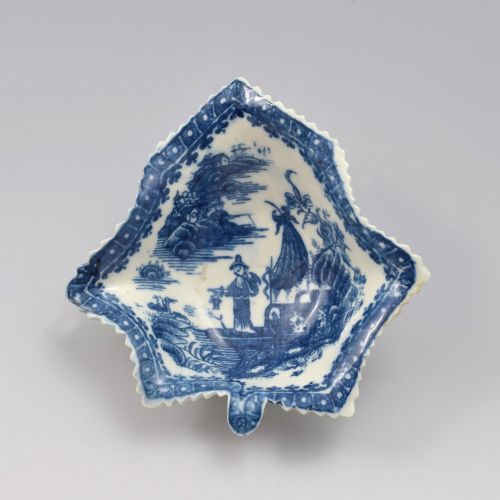
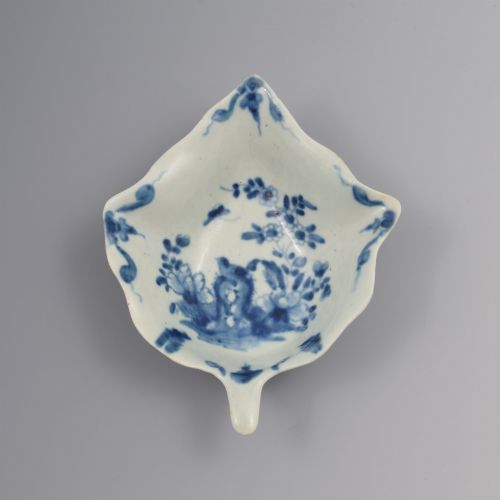
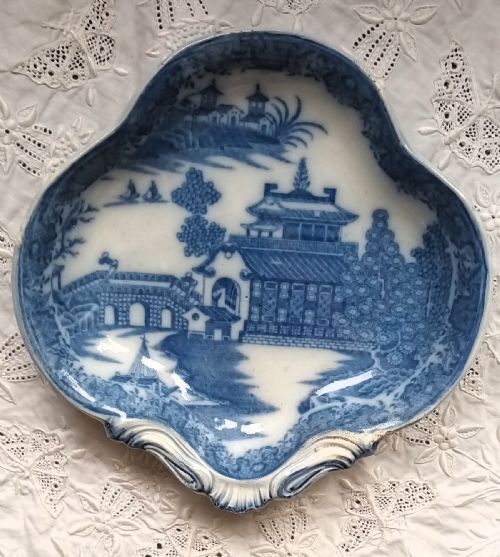
An antique pickle dish is a small serving vessel designed for table condiments, most often taking moulded leaf or shell forms during the eighteenth century. You will frequently find soft-paste porcelain examples featuring delicate blue and white transfer patterns alongside later glass and silver plated items.
Makers produced these functional tableware items in various shapes including trefoil, heart, and scallop designs to complement larger dining services. The selection ranges from early English porcelain factories to later Victorian and Edwardian glass and metal creations.
How they were made
Early examples utilise soft-paste porcelain formed in moulds to achieve realistic leaf and shell contours, then painted by hand or decorated with transfer printing. Potters also employed ironstone and earthenware bodies for later utilitarian tableware.
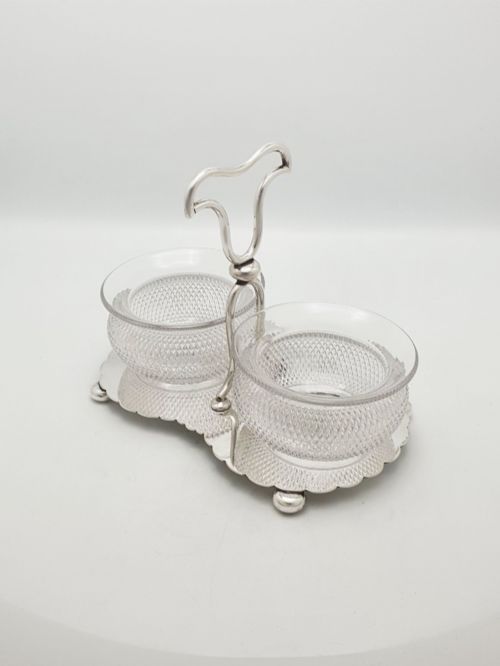
Later pieces combine moulded glass or cranberry glass liners with silver plated frames, condiment stands, and wirework baskets. Manufacturers applied silver gilt or enamel details to enhance the decorative appeal of nineteenth and twentieth-century table settings.
Listings feature porcelain pieces from eighteenth-century English factories alongside Victorian cranberry glass and Edwardian silver plated condiment stands.
What varies in quality
Quality depends upon the crispness of the moulding and the precision of the hand-painted or transfer-printed decoration on porcelain pieces. Early eighteenth-century specimens show finer detail in their leaf veining and pattern transfer compared to mass-produced later wares.
The sophistication of the metalwork and the clarity of the glass determine the standing of later silver plated and cranberry glass items. Original glass liners and matching stands elevate the desirability of composite condiment sets.
Caughley·Dr Wall Worcester·Liverpool Pennington·German WMF
The Antique Pickle Dish Glossary
- Soft-paste porcelain
- An artificial ceramic body fired at lower temperatures than true porcelain, common in eighteenth-century English factories. It produces a slightly softer glaze texture.
- Transfer printing
- A decoration technique where an engraved metal plate transfers a design onto paper and then onto the ceramic surface before glazing. This allowed for intricate repeating patterns like Chinoiserie scenes.
- Cranberry glass
- A rich red-pink transparent glass coloured with gold chloride, popular during the Victorian period for tableware and preserve dishes. It catches light distinctively on the dining table.
- Condiment stand
- A fitted metal frame designed to hold multiple small dishes or bowls for table sauces and relishes. These often include dedicated handles and carrying elements.
Antique Pickle Dish: Frequently Asked Questions
What were antique pickle dishes used for?
These small vessels held pickles, relishes, and preserves to accompany formal dining courses. Diners used them alongside larger serving dishes to offer various condiments at the table.
Over time, their forms evolved from dedicated pickle leaves into broader preserve dishes and hors d'oeuvre containers as dining habits changed.
How do I date an early porcelain pickle dish?
Dating relies on identifying the factory mark, paste characteristics, and painting style typical of eighteenth-century production. Early soft-paste pieces often exhibit characteristic glaze pooling and hand-painted blue transfer motifs.
Comparing the moulded leaf or shell shape to documented factory patterns helps narrow down the decade of manufacture.
Can I use an antique pickle dish today?
Many sturdy earthenware and glass pieces remain robust enough for careful modern table use. Soft-paste porcelain and fragile antique glass items require gentle hand washing and are better suited for display.
Silver plated stands and frames should be cleaned with non-abrasive polishes to protect the metal surface.
What is the difference between a pickle dish and a sweetmeat stand?
Pickle dishes were shaped specifically for savoury relishes, frequently adopting naturalistic leaf or shell motifs. Sweetmeat stands held sugary confections and dried fruits, often raised on pedestals.
Both served decorative and functional roles on the dining table during the eighteenth and nineteenth centuries.