
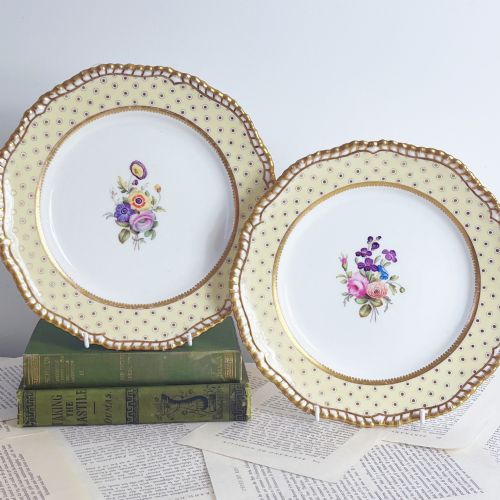
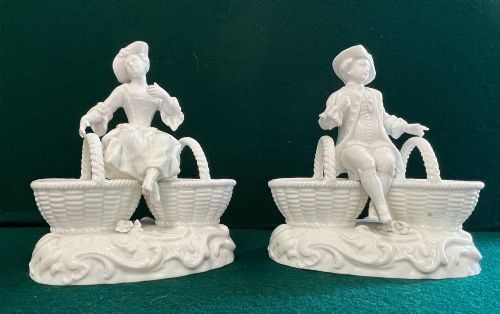

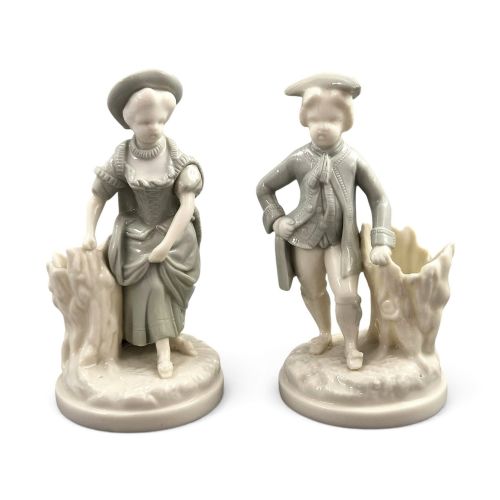
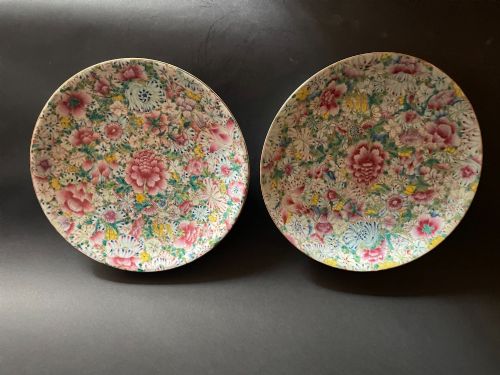

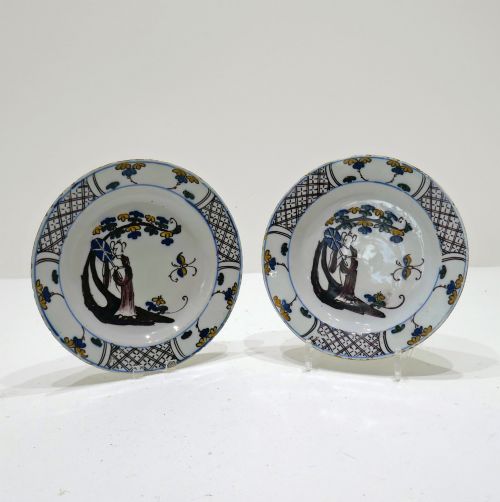
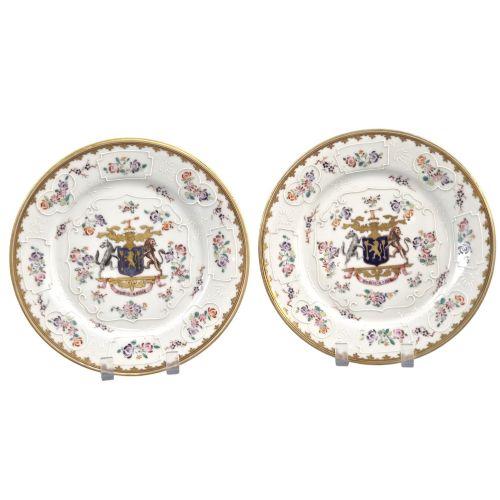
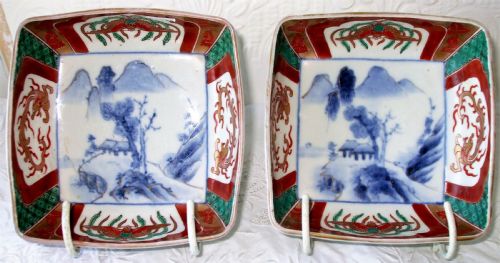

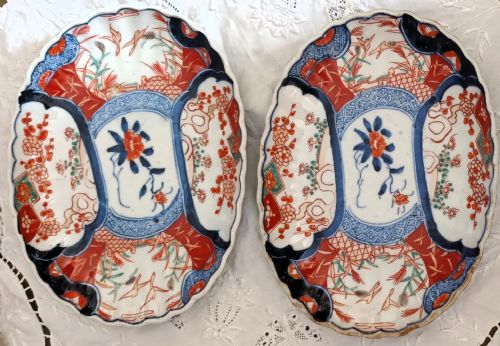
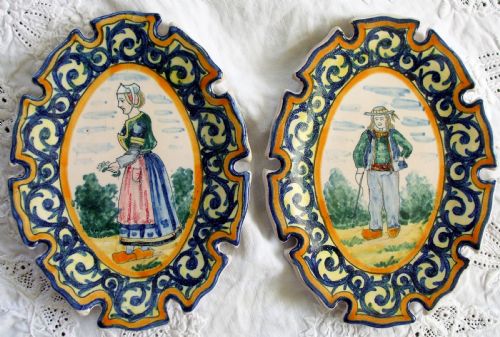
Pair Ceramic Dishes
These pair ceramic dishes span centuries of firing skill, offering matching decorative power for a table or cabinet.
Pair Ceramic Dishes
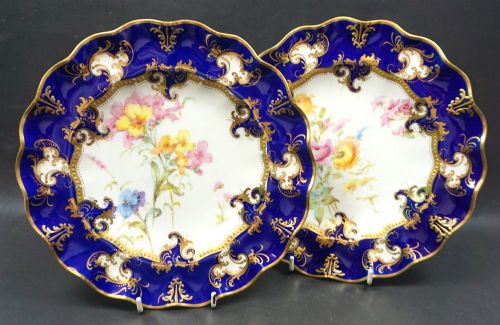
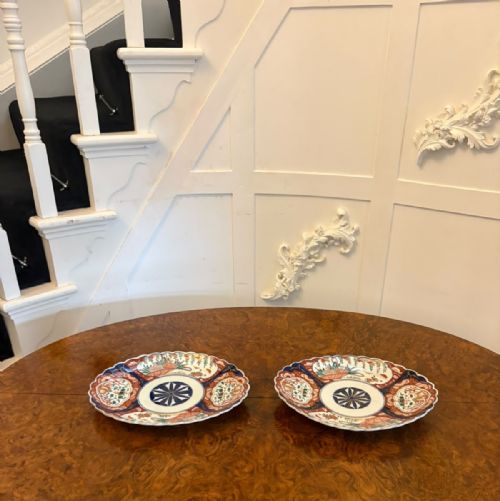
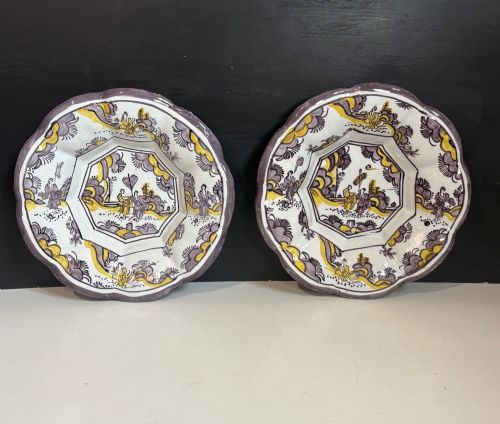
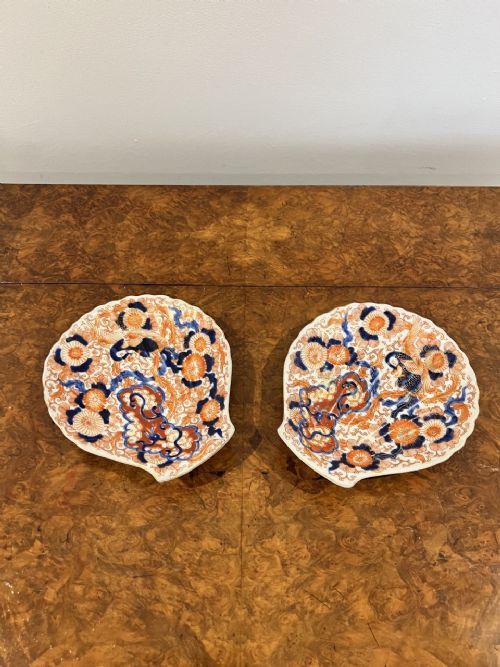
The most common examples on this page are Japanese Imari plates from the Meiji period, alongside 18th-century English delftware and 19th-century bone china dessert services. These items generally arrive in matching sets of two, having survived together since their original manufacture.
Forms range from flat dinner plates and scalloped shell dishes to deep bowls, platters and tureens. Each pair demonstrates the specific decorative traditions of its origin, whether European armorial designs or Asian hand-painted motifs.
How they were made
Potters shaped these objects from refined clay bodies, earthenware or hard-paste porcelain before applying tin, lead or feldspathic glazes. The pieces were fired in kilns to vitrify the material and set the base surface.
Decoration relied on hand-painting using cobalt blue underglaze, polychrome enamel pigments and applied gold leaf or gilding. Certain wares received multiple kiln firings to fuse complex metal leaf and enamel details over the glaze.
Several Meiji chargers depict the Seven Lucky Gods, ensuring your dining room comes adequately supervised by Japanese deities.
What varies in quality
Excellence in these ceramics rests upon the crispness of the painted detail and the balance of the matching pair. Finer examples show precise brushwork, controlled glaze thickness and exact symmetry between both items.
The sophistication of the palette and the ambition of the form define the higher tier of production. Superior pieces utilise richer gilding, deeper cobalt tones and more intricate moulded shapes such as fluted edges or shell contours.
Spode·Meissen·Royal Worcester·Royal Crown Derby·Edmé Samson and Cie·Copeland and Garrett·Barr Flight and Barr
The Pair Ceramic Dishes Glossary
- Imari
- A style of Japanese export porcelain featuring underglaze blue and iron red, often enriched with gold. This aesthetic heavily influenced European pottery manufacturers during the 18th and 19th centuries.
- Delft
- Tin-glazed earthenware produced in England and the Netherlands, typically decorated with blue pigment on an opaque white background. The technique creates a slightly soft surface texture.
- Felspar porcelain
- A specific body composition developed by English factories in the early 19th century using feldspar to increase translucency and durability. It allowed for brighter enamel adherence.
- Faience
- European tin-glazed earthenware produced outside of England, commonly found in French and continental kilns. The glaze provides an opaque white canvas for painted scenes.
- Cabinet plate
- A decorative ceramic plate intended for display in a cabinet or on a wall rather than for dining use. These pieces often feature elaborate hand-painted scenes or rich gilding.
Pair Ceramic Dishes: Frequently Asked Questions
Were these dishes made for daily use?
Many items, such as the dessert plates and meat platters, were produced for dining tables and serving food. Others, including cabinet plates and pin trays, served purely decorative or domestic organisational roles.
Over generations, surviving examples shifted from active service to display status. Their age and delicate enamels now recommend careful handling rather than heavy dining use.
How can I tell Japanese Imari from European copies?
Examine the paste body beneath the glaze, the weight of the ceramic, and the iron-red pigment tones. Japanese export pieces from the Meiji period often display specific potting characteristics and distinct brushwork.
European factories frequently imitated these Japanese designs, resulting in differences in clay composition and blue pigment saturation. Closer inspection of the foot ring usually reveals the origin.
What does a near pair mean?
A near pair describes two objects that match closely in size, pattern and period but were not necessarily fired in the exact same batch. They present harmoniously together as a pair.
Slight variations in hand-painted motifs or glaze shades typically distinguish them from a matched factory pair. This occurs frequently with antique ceramics accumulated over time.