




Victorian Porcelain Plates
Victorian porcelain plates bring the colour and hand-painted detail of the nineteenth century straight to the table or cabinet.
Victorian Porcelain Plates
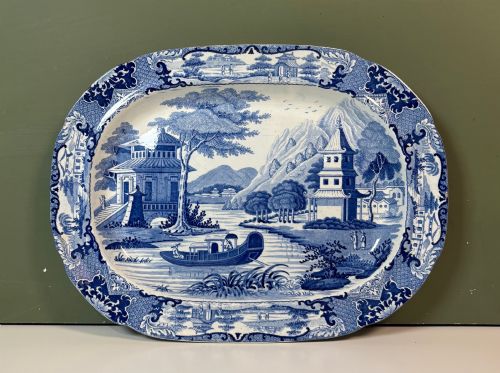
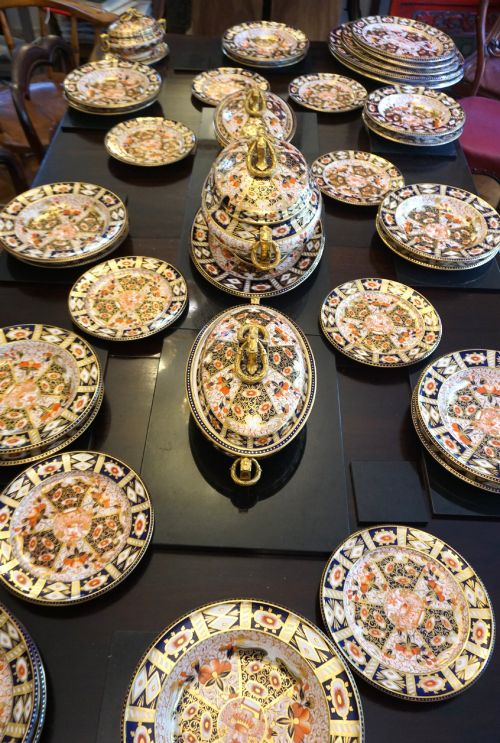
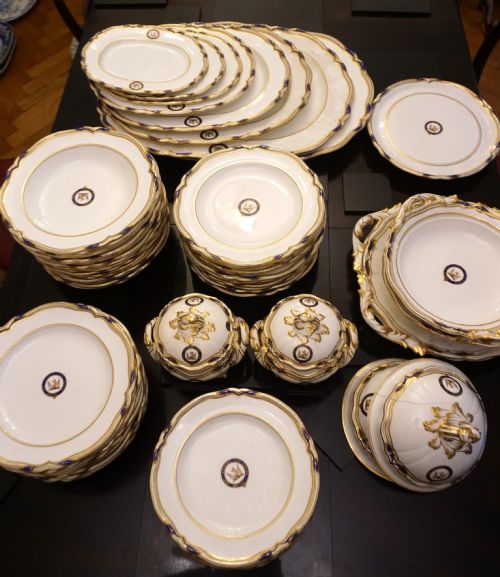
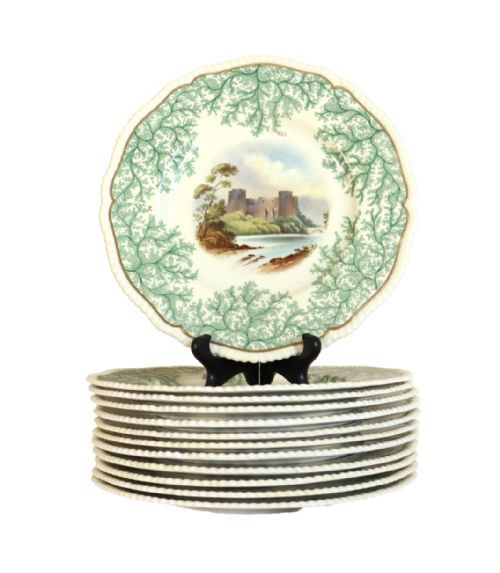
When you search for victorian porcelain plates, you encounter items designed for formal dining, dessert services, and display cabinets during the nineteenth century. The selection spans straightforward transfer-printed tableware alongside richly painted cabinet pieces intended purely for visual appreciation rather than regular meals.
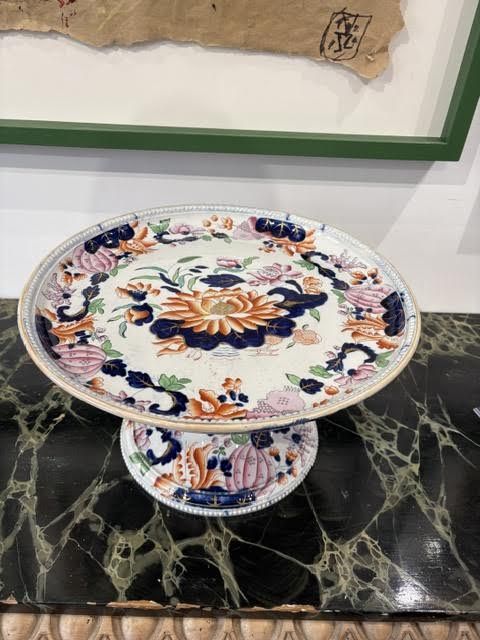
The objects here appear primarily as decorative plates, dessert plates, and large chargers, alongside related forms like biscuit barrels and serving dishes. Many pieces date from the central decades of the nineteenth century through to the Edwardian transition, reflecting domestic tastes of the period.

How they were made
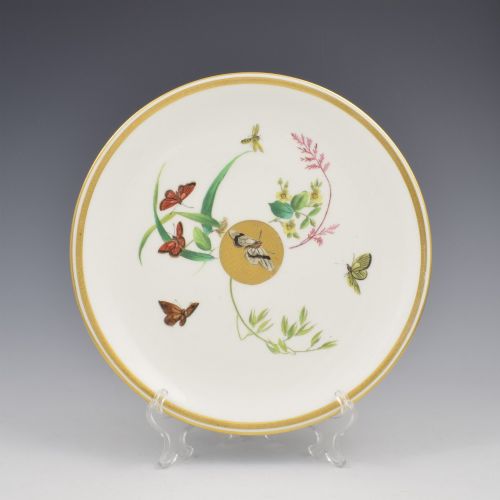
Potters utilised porcelain, bone china, and earthenware bodies, shaping them into plates and dishes before applying transparent glazes. Decoration relied heavily on hand-painted pigments, enamel work, and transfer printing to build up botanical, landscape, and figurative scenes.
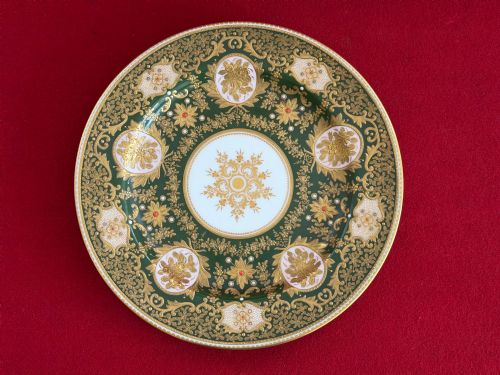
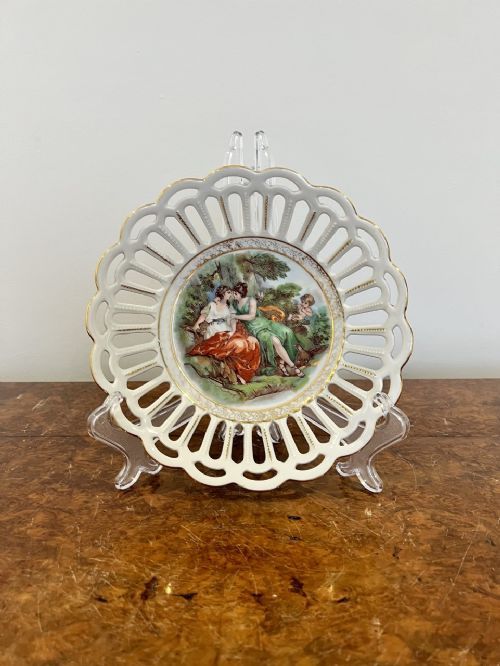
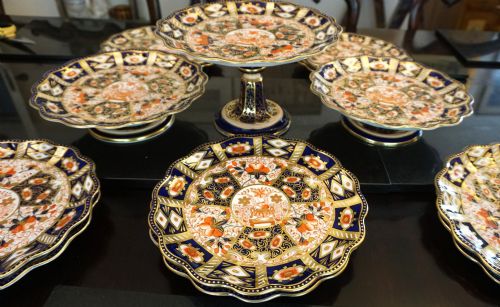
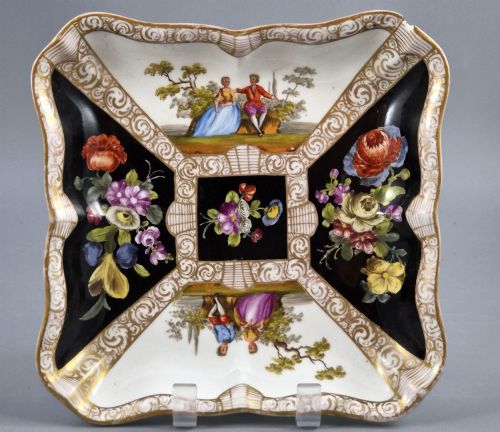
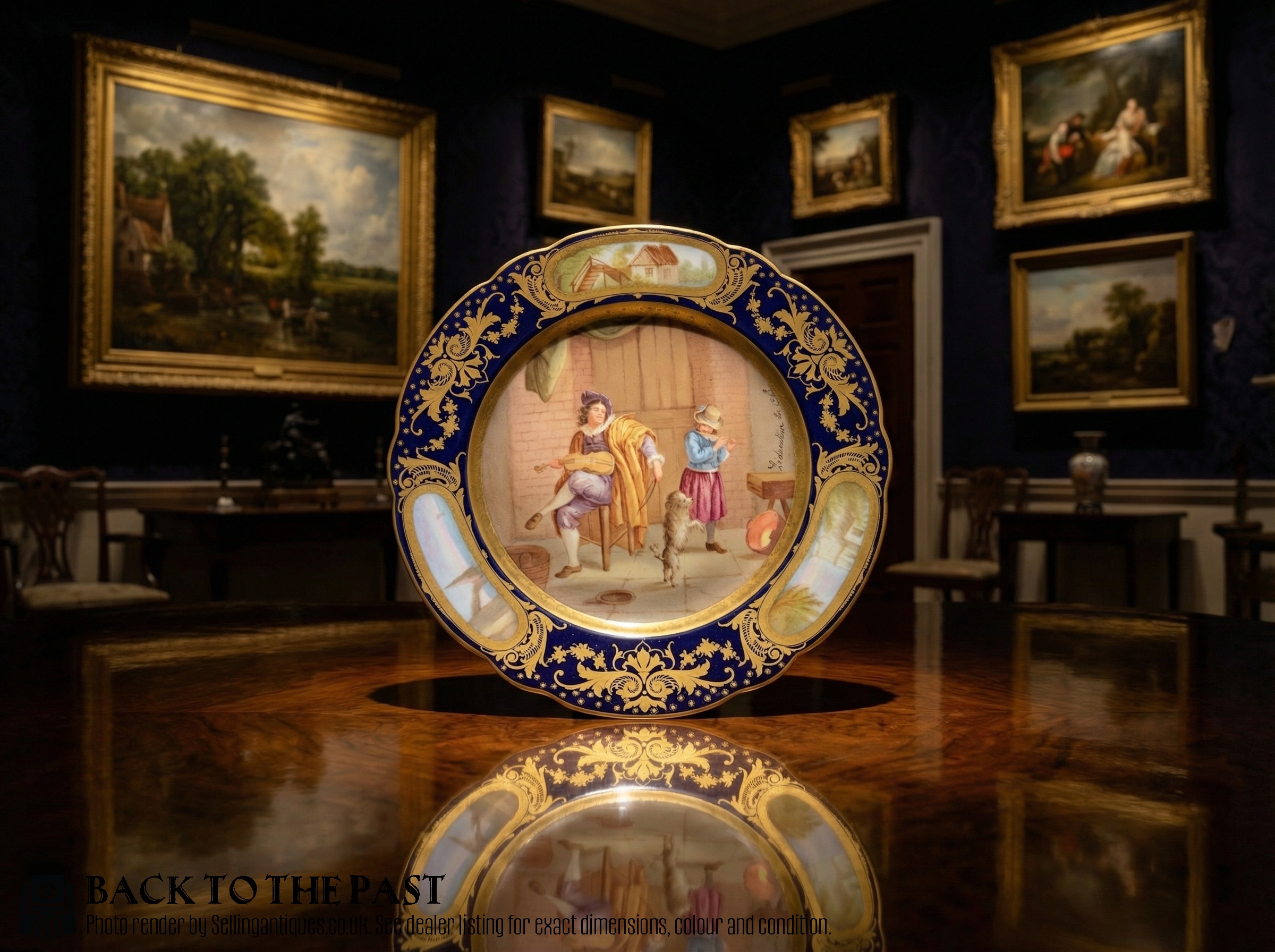
Finishing touches frequently incorporated gold leaf and gilt detailing around rims and borders, sometimes complemented by pierced or reticulated edge work. Kiln firing fixed these enamel colours and gilding onto the ceramic surface, creating durable household goods.
Victorian Porcelain Plates Retail Price Guide 2026
Typical asking prices for victorian porcelain plates among the pieces listed under this phrase on Sellingantiques today, from the lower quarter to the upper quarter. They describe what is for sale here now, not the wider market.
One unexpected walking stick conceals a Sevres porcelain plate inside, proving Victorians loved hiding fine ceramic art in walking gear.
What varies in quality
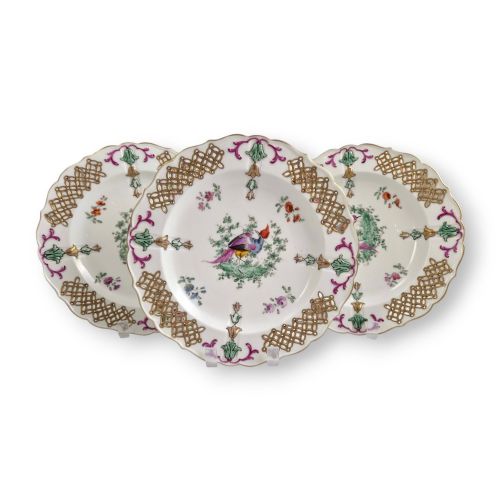
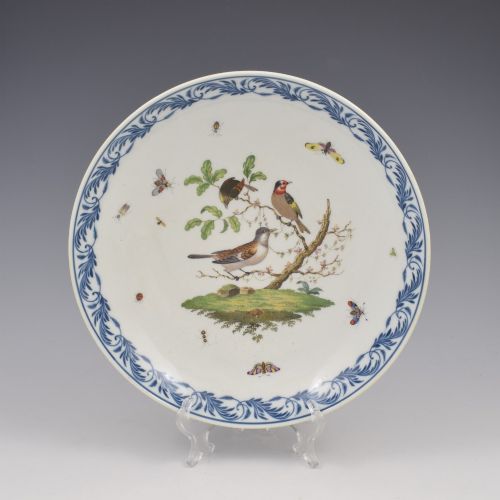
Quality rests upon the crispness of the porcelain body and the precision of the hand-painted brushwork applied by named artists or factory studios. Superior examples display detailed ornithological, floral, or portrait scenes that retain vibrant enamel colours without smudging.
The application of gold leaf and gilt work also dictates the tier of the piece, with heavier, burnished gold indicating high-status factory output. Furthermore, moulded edge treatments such as rococo scrolls or pierced lattice sections show cleaner definition on finer tableware.
Spode·Royal Crown Derby·Meissen·Sevres·Royal Bonn·Minton·Wedgwood·Royal Doulton·Coalport·Aynsley·Walker and Hall·Doulton Burslem·John Ridgway·James Rouse Jnr·Pucher Deroche·Carlton Ware·Masons·Carrington
The Victorian Porcelain Plates Glossary
- Cabinet plate
- A decorative dish made for display rather than dining. These pieces often feature elaborate painted scenes or gilt borders.
- Charger
- A large ornamental plate utilised as a centrepiece or serving base. They frequently display detailed topographical or historical paintings.
- Gilt
- A thin layer of gold applied to the ceramic surface. It highlights rims, handles, and painted motifs.
- Imari
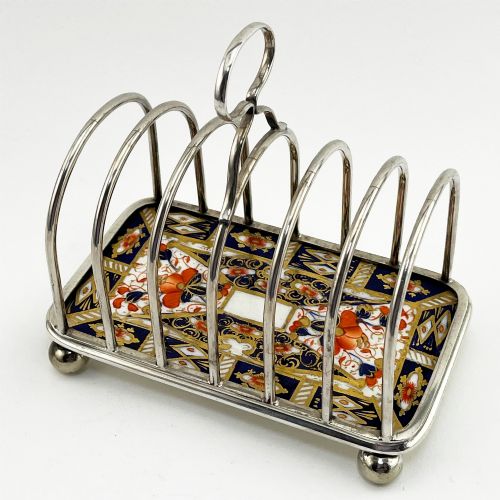
- A decorative style characterised by rich blue, iron red, and gold designs. It originates from Japanese export ware but heavily influences nineteenth-century European ceramics.
- Reticulated
- Having an openwork or pierced pattern forming a net-like design. Makers cut these decorative borders into the clay before firing.
Victorian Porcelain Plates: Frequently Asked Questions
What are victorian porcelain plates used for?
These items served various roles in nineteenth-century dining, from practical dessert service at formal meals to ornamental display in glass-fronted cabinets. Many functioned as part of larger matching dinner sets or specialised dessert services.
Today, collectors use them to dress dining tables for special occasions or mount them on walls and display stands. Their varied forms accommodate both functional dining and purely decorative placement.
How do I care for antique plates?
Hand washing in warm water with mild soap protects the delicate glazes and hand-painted enamel designs from fading or scratching. Dishwashers and harsh abrasive sponges damage the fragile ceramic body and wear away the gold gilt.
Storing them in stable environments away from extreme temperature shifts prevents crazing in the glaze. Using padded plate dividers when stacking minimises edge chipping.
Can I eat off antique plates?
Using nineteenth-century tableware for daily meals remains possible if the glaze is intact and free from heavy wear. However, older ceramic glazes and enamel paints sometimes contain trace metals that counsel against frequent acidic food contact.
Most buyers choose to reserve these items for light dry foods, dessert courses, or pure display. Inspecting the surface for cracks ensures the piece remains structurally sound for handling.
How do I identify the period?
Makers' marks stamped, impressed, or painted on the reverse provide the most reliable indicator of origin and date. Shape, weight, and the style of decoration also align pieces with specific nineteenth-century artistic movements like the Aesthetic Period or Rococo Revival.
Comparing pattern numbers and registered design marks against factory archives narrows down the decade of manufacture. Stylistic clues such as hand-painted floral motifs help distinguish Victorian output from later twentieth-century reproductions.