
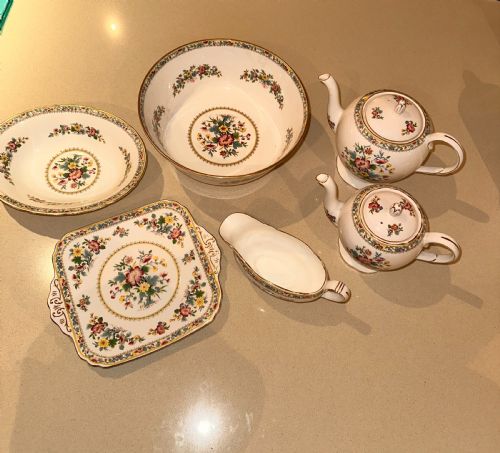


Gilded Porcelain Tableware
Gilded porcelain tableware combines lustrous gold leaf with ceramic craftsmanship, offering dining tables an enduring touch of historical elegance.
Gilded Porcelain Tableware
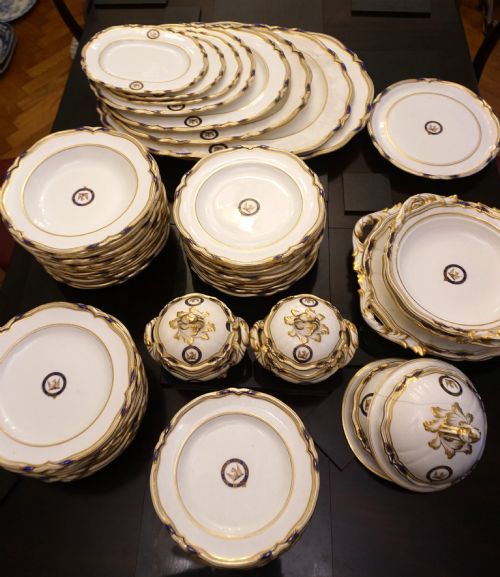
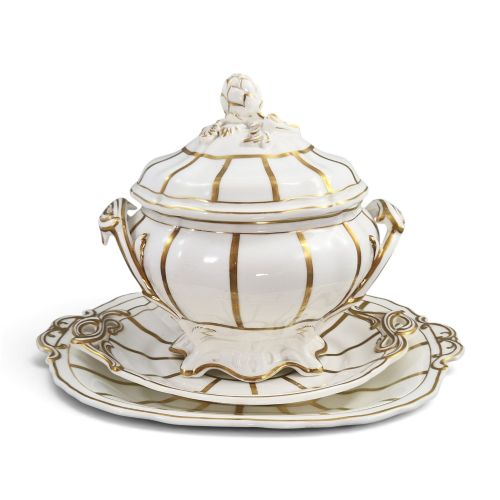
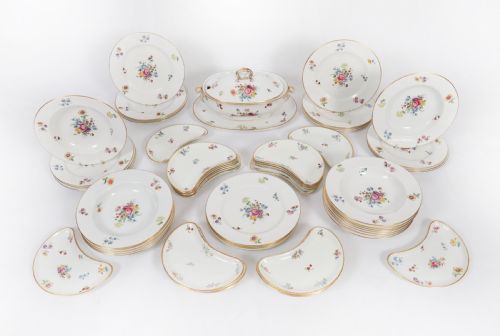
Gilded porcelain tableware encompasses functional and decorative dining pieces, including dessert plates, serving dishes, tureens, and complete dinner services. Buyers encounter items ranging from Georgian and Regency productions to Victorian and Edwardian services.
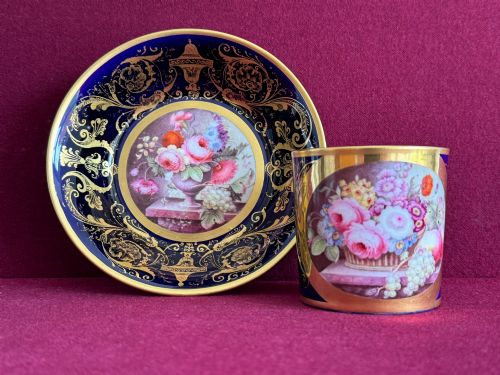
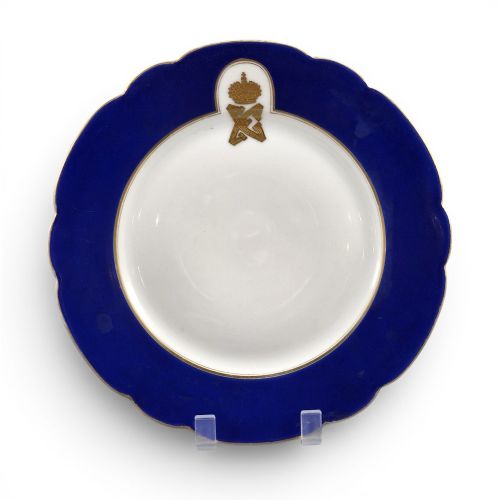
The selections span English factories like Spode, Coalport, and Minton alongside continental European works such as Meissen and Imperial Russian manufactories. Domestic tea and coffee items, including chocolate cups and saucers, appear alongside large multi-piece dining sets.
Forms often adhere to traditional dining rituals, providing specialised vessels for soups, sauces, and desserts. These pieces display diverse stylistic influences, from Rococo Revival curves to classical Imperial designs.
Materials and Techniques
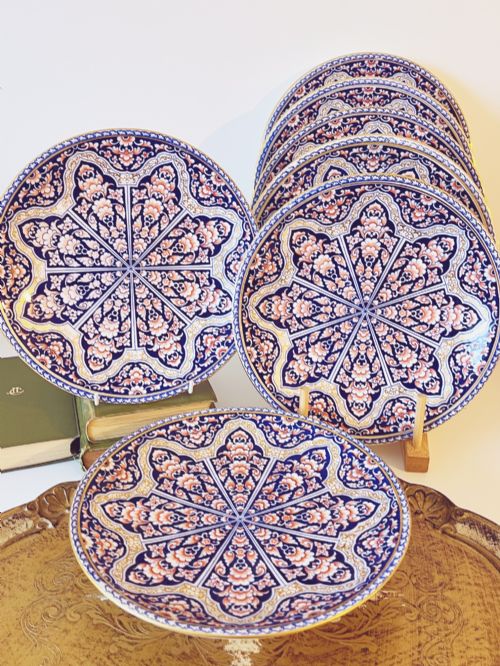
Makers utilised fine porcelain, bone china, ironstone, and ceramic bodies as the structural foundation for their gilded output. These clay mixtures provided a durable, smooth white surface suitable for subsequent decoration.
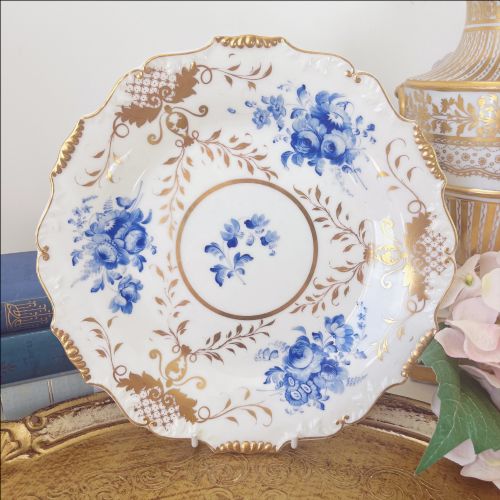
Artisans applied hand-painted enamels and intricate gold leaf or gilt embellishments to the fired ceramic bodies. Additional firing fixed the metallic lustre and coloured pigments firmly to the glaze.
Some nineteenth-century dining tables required specialised spoon warmers to ensure guests did not encounter a chilling utensil.
Factors of Distinction
The refinement of the hand-painted details and the precision of the gilding set superior services apart from standard production. Artisans who executed complex botanical motifs, armorial crests, or figural scenes demonstrated a higher level of skill.
The reputation of the manufactory, such as Worcester, Derby, or Meissen, heavily influences the standing of individual items. Complete, matching services retain greater cohesion than assembled part-sets gathered over time.
Minton·H and R Daniel·Spode·Royal Crown Derby·Davenport·John Ridgway·Coalport·Chamberlain Worcester·Kornilov Brothers·Flight Barr and Barr·Wedgwood·Meissen
The Gilded Porcelain Tableware Glossary
- Gilding
- The application of gold leaf or powdered gold onto the surface of ceramic wares. This technique highlights rims, handles, and painted scenes.
- Bone china
- A type of porcelain incorporating bone ash into the ceramic paste. It yields a strong, slightly translucent body popular among English factories.
- Tureen
- A deep covered bowl utilised for serving soups, sauces, or gravies at the dining table. They often rest on matching stands and include handles.
- Coffee can
- A small, straight-sided cup designed for drinking strong black coffee during the eighteenth and nineteenth centuries. They commonly pair with a matching saucer.
Gilded Porcelain Tableware: Frequently Asked Questions
How were antique tureens used?
Tureens held soups, sauces, or gravies and sat centrally on the dining table during formal meals. Their fitted lids kept the contents warm until serving.
Servants used ladles to transfer the contents from the tureen into individual soup plates or sauce boats for the diners.
Can I use these services daily?
Most antique gilded tableware requires careful handling and hand washing rather than daily rough use. The historic metallic gilding and hand-painted enamels can wear away in modern dishwashers.
Displaying them or reserving them for special occasions preserves the delicate ceramic bodies and gold embellishments for the future.
How do I identify the maker?
Makers often marked their porcelain with painted or impressed symbols, pattern numbers, or factory names on the underside of the base. Comparing these marks with historical reference guides confirms the origin.
Stylistic clues like specific handle shapes, porcelain paste compositions, and signature painting styles also point toward particular factories.
What is a dessert service?
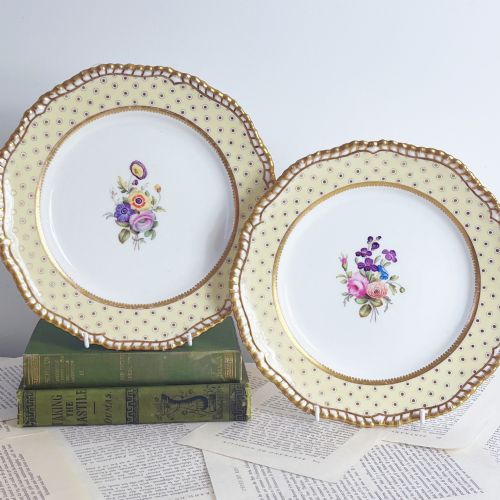
A dessert service is a matching set of plates, comports, and serving dishes intended for the final course of a formal meal. They presented fruits, sweetmeats, and pastries to the guests.
These sets often showcased the finest artistic work of the pottery, featuring elaborate botanical studies or hand-painted landscapes.