
Antique Tableware Service
An antique tableware service brings a matched or comprehensive set of period plates, jugs, and cutlery to the dining room for daily use or display.
Antique Tableware Service
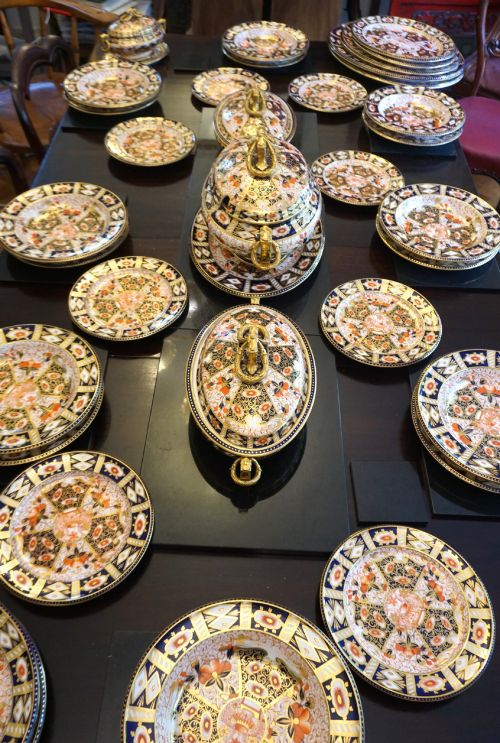
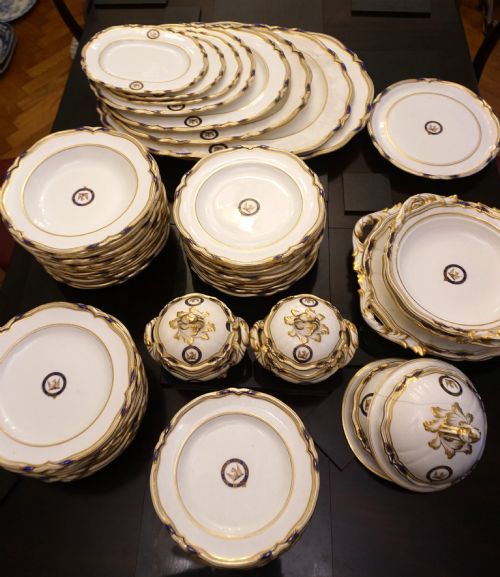
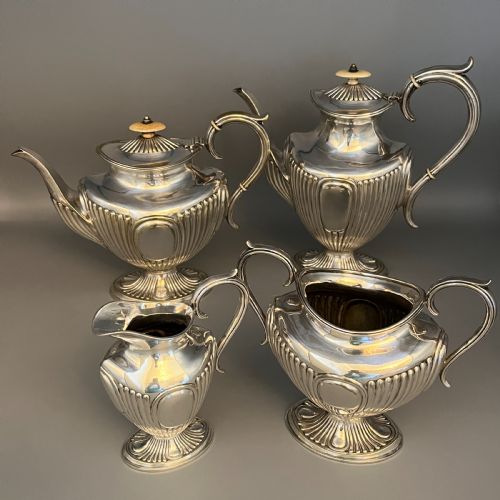
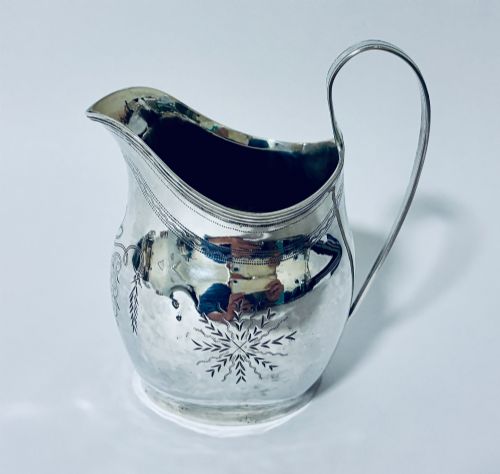
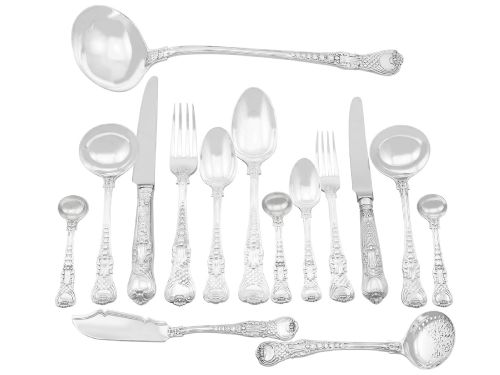
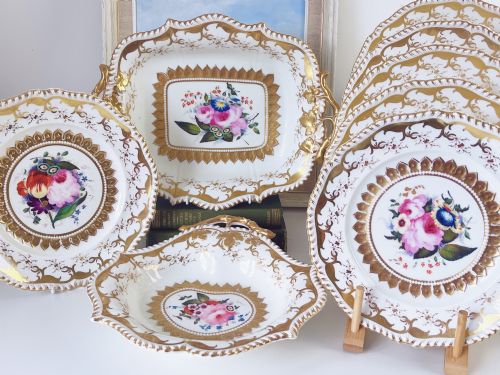
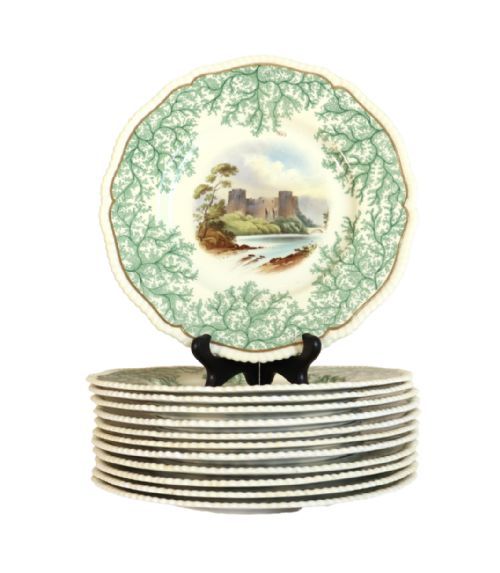
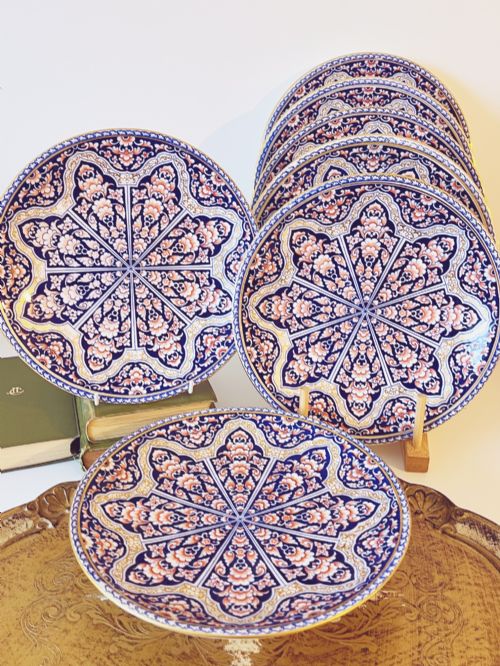
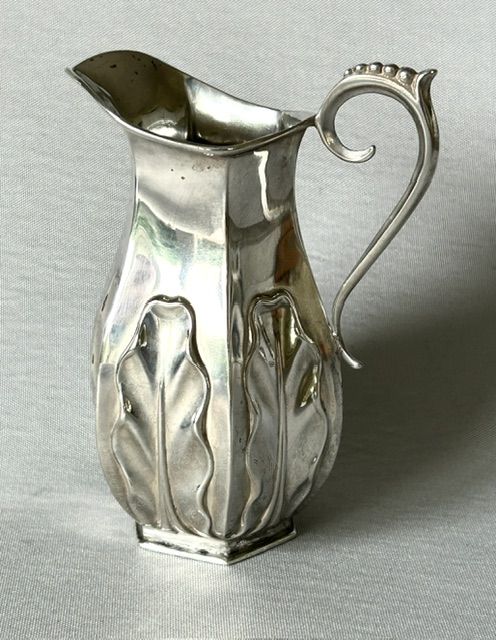
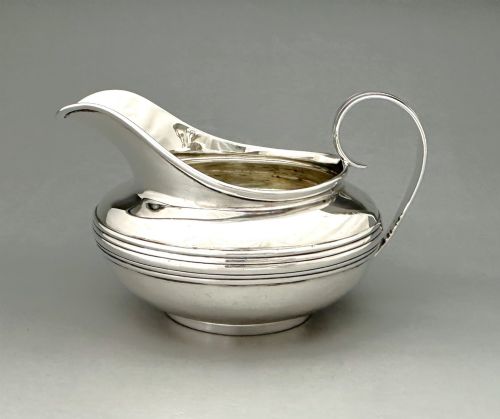
An antique tableware service comprises extensive dinner sets, dessert services, and tea or coffee sets spanning the Georgian, Victorian, and Edwardian eras. These collections range from large earthenware and porcelain dining arrangements with hand-painted motifs to compact silver cream jugs, sugar bowls, and cutlery sets.
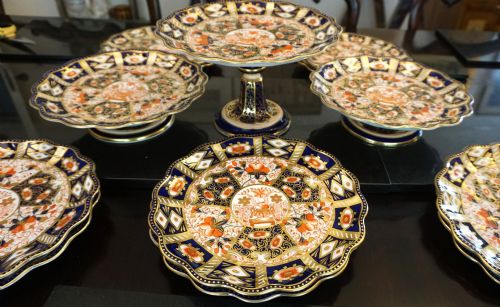
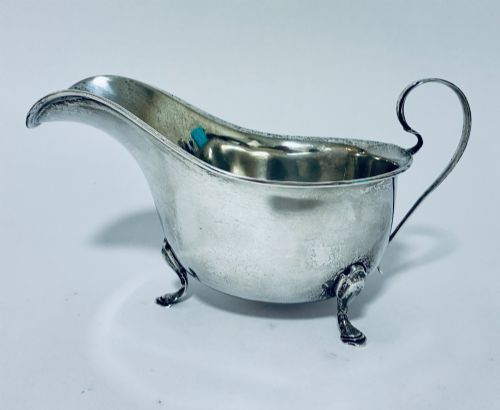
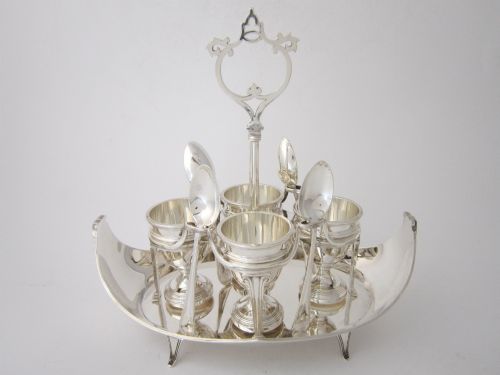
Buyers frequently encounter large ceramic dinner services alongside smaller porcelain dessert services, silver tea sets, and egg cruets. The forms include plates, comports, ewers, and canteens intended for dining tables from the eighteenth, nineteenth, and early twentieth centuries.
Materials and methods
Ceramic services utilise porcelain, earthenware, and majolica bodies finished with hand-painted decoration, glaze, or transfer printing. Silver and silver plate provide the medium for hollowware, cream jugs, and flatware canteens, often incorporating agate handles or gold leaf accents.
Potteries and silversmiths shaped these items using traditional moulding, throwing, and stamping techniques alongside impressed registration marks and silversmithing hallmarks.
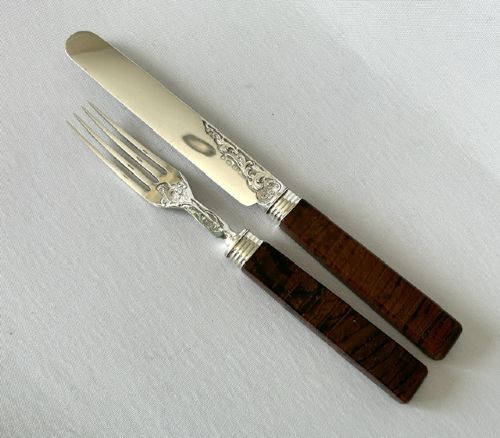
A knife and fork handle made from banded agate ensures that cutting fruit at dessert looks like an archaeological expedition.
Factors of distinction
The standard of a tableware service depends upon the crispness of hand-painted floral motifs, the integrity of glaze and gilding, and the completeness of large dinner or dessert sets. Maker attribution and well-preserved hallmarks or registration stamps elevate the standing of individual pieces.
Subtlety in modelling and balance in hollowware, such as cream jugs and teapots, separate standard production items from finer studio or factory output.
Davenport·Spode·Wedgwood·Royal Crown Derby·Coalport·Georg Jensen·Christofle·Walker and Hall
The Antique Tableware Service Glossary
- Dessert service
- A matching set of plates and comports used for serving the final course of a meal. These often feature hand-painted botanical or scenic motifs.
- Ewer
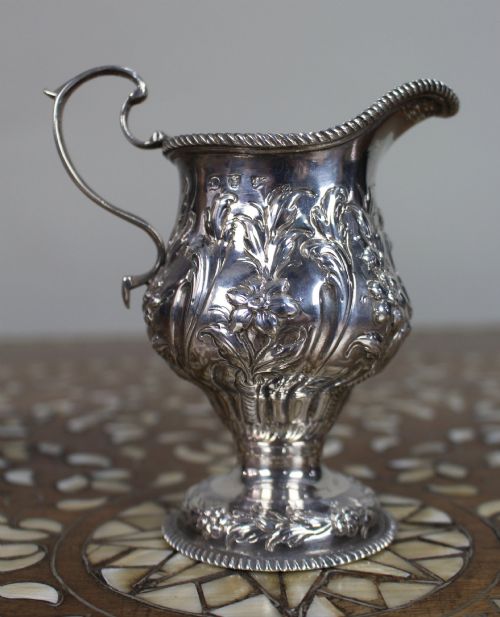
- A large jug with a wide spout and handle, used historically for pouring water or cream. Footed versions appear in eighteenth-century silver.
- Sucrier
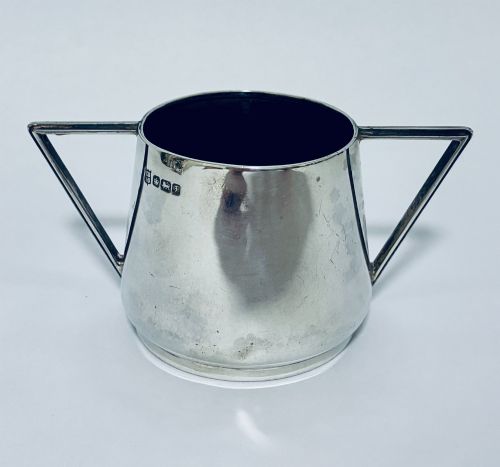
- A small vessel designed specifically for holding sugar, frequently paired with tea sets. They appear in porcelain and silver across the nineteenth century.
- Cruet
- A small stand holding condiment containers or egg cups with spoons. Edwardian silver-plated versions often accommodate individual eggs and salt.
- Canteen
- A fitted box or case containing a complete set of cutlery for multiple persons. These hold sterling silver forks, knives, and spoons.
Antique Tableware Service: Frequently Asked Questions
How do I clean antique silver tableware?
Use a soft cloth and a specialised silver polish designed to remove tarnish without scratching the metal surface.
Avoid abrasive pads or harsh chemical dips that strip away the original finish and historical patina.
Can I use an antique porcelain dinner service for meals?
Many nineteenth-century porcelain and earthenware services remain durable enough for careful everyday dining.
Hand washing is essential to protect hand-painted decoration, gold leaf, and delicate glazes from modern dishwashers.
How do I date a silver tea set?
Look for hallmarks stamped onto the metal, which include city marks, standard marks, and date letters.
Matching these symbols against official assay office records provides the exact year of manufacture.