




Chinoiserie Porcelain Dish
These porcelain dishes decorated with Chinese-inspired motifs offer a glimpse into European interpretations of Eastern design across the eighteenth and nineteenth centuries.
Chinoiserie Porcelain Dish
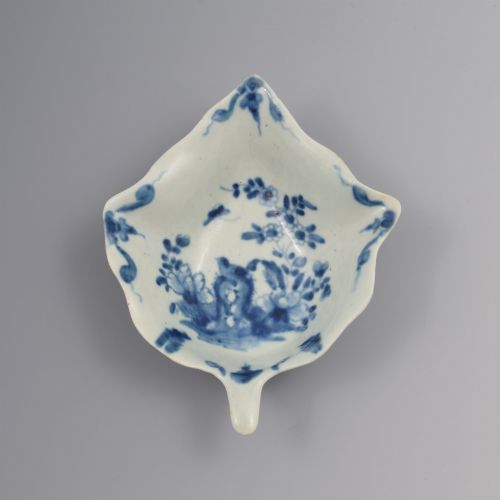
A chinoiserie porcelain dish represents the intersection of European ceramic manufacturing and fascination with East Asian motifs, spanning periods from the eighteenth century through to the Victorian era. Buyers searching this phrase encounter forms ranging from pickle dishes and scallop shell trays to large chargers and tureens.
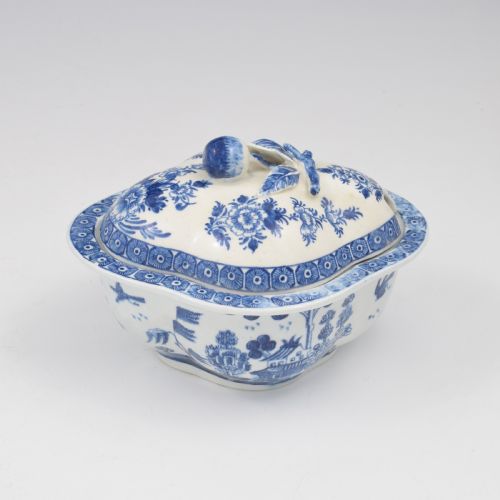
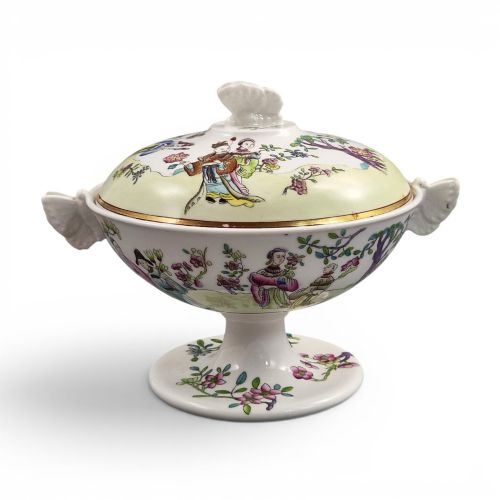
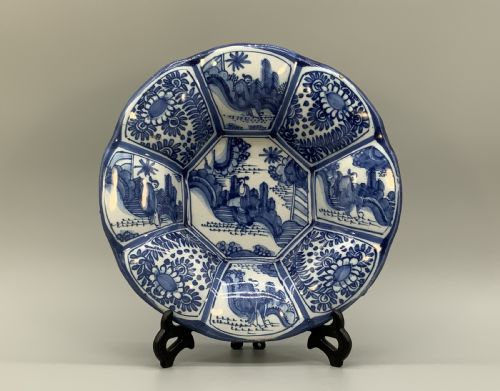
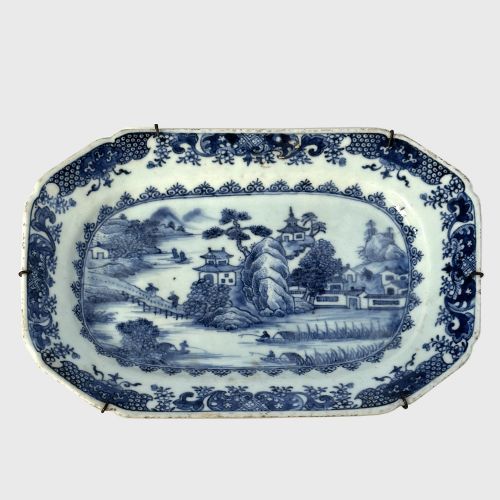
The pieces emerge from various origins, including English factories such as Worcester, Bow, and Mason's, alongside Chinese export wares and Dutch Delft production. Platters and decorative plates dominate the selection, often carrying patterns depicting pagodas, exotic birds, and floral arrangements.
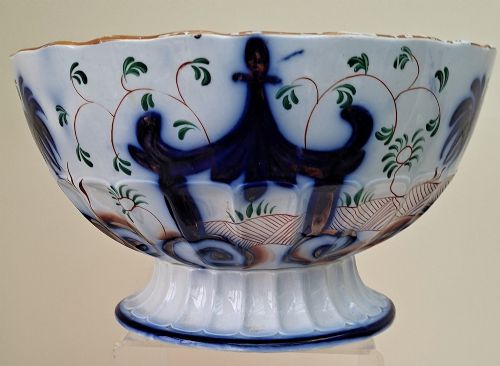
Examples stretch from soft-paste porcelain of the eighteen-century Georgian period to later ironstone and earthenware variants of the nineteenth century. Each item demonstrates how diverse potteries adapted orientalist aesthetics to domestic dining and display.
How they were made
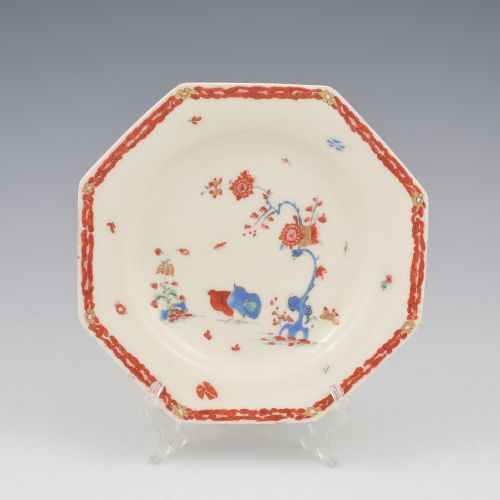
Potters utilised soft-paste porcelain, ironstone, and earthenware as bases, shaping them into octagonal plates, lobed dishes, and footed bowls. Cobalt blue underglaze painting and overglaze enamel decoration defined the surface work, sometimes supplemented by gold leaf or gilt highlights.
Factories applied transfer printing or hand-painted brushwork to render intricate scenes of figures, dragons, and landscapes. Glazes varied from clear protective coats to lustrous green finishes, sealing the ceramic bodies after firing in kilns.
Several pieces feature two quails perched among rocks, bringing a feathered debate to the dinner table since 1755.
What varies in quality
Quality rests upon the crispness of the painted or printed design and the fidelity of the porcelain body. Early soft-paste pieces with hand-painted Kakiemon or Chinese export patterns demonstrate refined brushwork compared to mass-produced transfer prints.
The depth of the glaze and the preservation of overglaze enamels and gilding dictate the visual impact of a charger or tureen. Potteries with strong traditions of porcelain formulation yield finer translucency and stability in shapes like scallop shells and sauce tureens.
Spode·Worcester·Bow·Coalport·Mason's·Meissen·Swansea·Minton·Wedgwood
The Chinoiserie Porcelain Dish Glossary
- Chinoiserie
- European decorative style reflecting Chinese artistic influences, popular across eighteenth and nineteenth century ceramics. It appears on plates and tureens through motifs of pagodas and exotic figures.
- Soft-paste porcelain
- Early European ceramic composition made from glass paste and white clay substitutes. It yields a warmer tone and softer body than true hard-paste porcelain.
- Ironstone
- Heavy, durable earthenware patented in the nineteenth century by Mason's. It resists chipping and serves as a robust base for colourful enamelled patterns.
- Kakiemon
- Japanese enamel style featuring asymmetrical floral and bird arrangements adopted by European kilns. Bow porcelain pieces frequently employ this aesthetic.
- Charger
- Large decorative plate designed for display or ceremonial table use. These pieces often feature central landscapes and wide patterned borders.
Chinoiserie Porcelain Dish: Frequently Asked Questions
How do I identify a true eighteenth-century piece?
Examine the base for unglazed areas known as footrims, which often show the texture of soft-paste porcelain or early body mixtures. Hand-painted brushwork with slight irregularities points away from later transfer printing.
Compare the motifs against documented patterns from factories such as Bow or Worcester. Weight and translucency under strong light also help distinguish early ceramic formulas from later ironstone.
What is the difference between ironstone and porcelain?
Ironstone is a dense, opaque earthenware developed to withstand heavy daily use while mimicking the appearance of porcelain. Porcelain contains ingredients like kaolin that fire into a more delicate, sometimes translucent body.
Platters and tureens made from ironstone feel significantly heavier in the hand. Porcelain pieces from earlier centuries display greater fragility and softer glaze textures.
Can I use these antique dishes for serving food?
Most antique porcelain and ironstone dishes accommodate light use, but fragile glazes and historical value suggest caution. Older soft-paste bodies and delicate enamels risk damage from modern dishwashers and cutlery.
Displaying chargers on walls or using platters for dry presentation preserves the surface decoration. Hand washing with mild soap suits pieces intended for occasional dining.
How should I display a large charger?
Large chargers require secure wall hangers designed for heavy ceramics or stable plate stands with adequate depth. Positioning them away from direct sunlight protects enamel colours and gilt highlights from fading.
Pairing chargers with smaller companion plates highlights the contrast in patterns. Ensuring proper wall anchorage prevents accidental slips given the weight of ironstone and porcelain bodies.