





Antique Handled Porcelain Plates
Antique handled porcelain plates are decorative serving pieces defined by integral grips and fine ceramic bodies, prized for their historical craftsmanship and utility.
Antique Handled Porcelain Plates
Antique handled porcelain plates encompass various forms designed for presentation and dining across multiple periods.
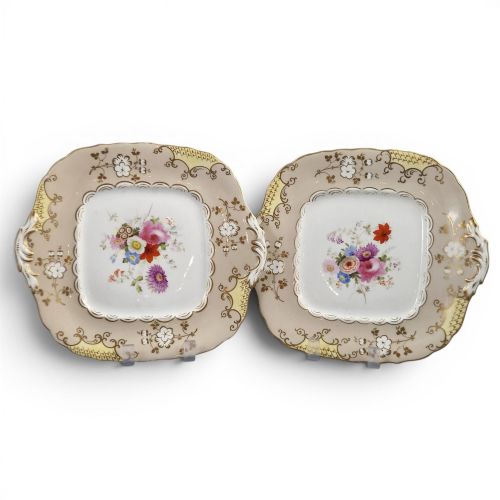
Buyers encounter examples ranging from 18th-century pieces to Edwardian items, often featuring painted or transfer-printed floral details.
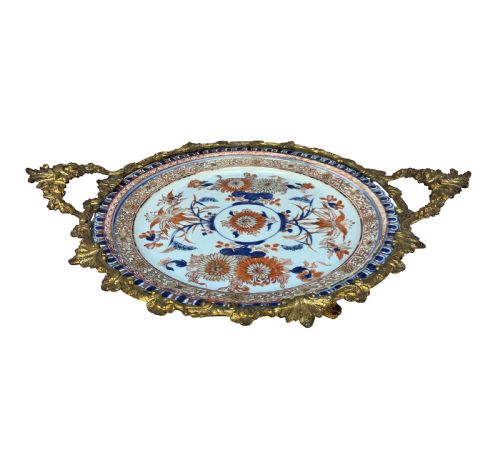
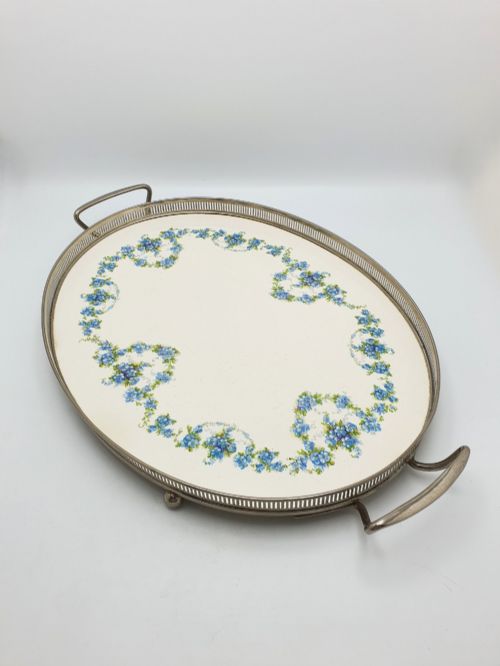
The selection includes serving platters, dessert dishes, and serving trays fitted with handles or mounts in bronze and gilt metals.
Materials and construction
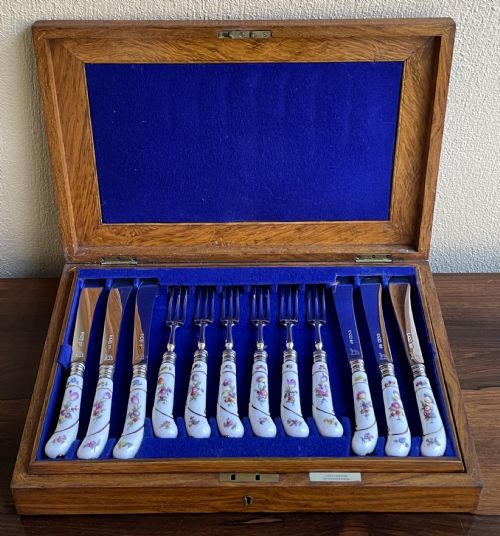
The physical basis of these items relies on fired ceramic bodies, frequently decorated with hand-painted enamels and gold leaf highlights.
Metal mounts in ormolu, silver plate, and gold plate are often integrated into the design to form structural handles or decorative rims.
Manufacturing techniques combine traditional ceramic firing with precision metalwork typical of European and Asian workshops.
Antique Handled Porcelain Plates Retail Price Guide 2026
Typical asking prices for handled porcelain plates among the pieces listed under this phrase on Sellingantiques today, from the lower quarter to the upper quarter. They describe what is for sale here now, not the wider market.
Listings include items spanning the 18th century through the Edwardian period, utilising materials such as porcelain, enamel, gold leaf, and ormolu.
Assessing quality and execution
Quality separates mass-produced items from superior pieces through the precision of the hand-painted details and the crispness of the porcelain moulding.
The integration of metal mounts, such as ormolu or silver plate, indicates the level of craftsmanship applied to the finished object.
Herend·Coalport·John Ridgway·Carrington·Carlton Ware
The Antique Handled Porcelain Plates Glossary
- Imari
- A style of Japanese export porcelain featuring underglaze blue and iron red, frequently accented with gold.
- Ormolu
- Gilded bronze applied as a decorative mount or handle on ceramic objects, popular in French decorative arts.
- Sevres
- A historic French porcelain manufactory known for high-grade ceramic bodies and rich enamel decoration.
- Dessert service
- A matching suite of plates and dishes intended for the final course of a formal meal.
Antique Handled Porcelain Plates: Frequently Asked Questions
How were handled porcelain plates used historically?
These pieces served practical roles in formal dining settings for presenting fruit, sweets, and desserts to guests. The integrated handles allowed servants or hosts to pass heavy dishes safely around a table.
Over time, many transitioned into purely decorative display items showcased on sideboards or hung on walls within domestic interiors.
Can I use antique plates for daily dining?
Most antique porcelain plates feature delicate enamel painting and gold leaf that can wear down with frequent use and modern dishwashing. Gentle hand washing preserves the fragile ceramic and metallic surfaces.
Using them occasionally for special occasions is common, provided proper care is taken to avoid thermal shock or abrasive cleaning agents.
How do I identify the period of porcelain plates?
Dating relies on examining the characteristics of the ceramic paste, the style of the painted decoration, and any factory marks stamped or painted on the underside. Stylistic cues such as Neo-Rococo or Edwardian motifs align with specific decades of production.
Comparing known maker marks helps narrow the date of manufacture to specific periods like the Regency or Victorian eras.
What is the difference between porcelain and ceramic?
Porcelain is a specific type of ceramic made from white clay fired at very high temperatures, resulting in a vitrified, non-porous body that can be translucent. General ceramics encompass a broader range of earthenware and stoneware bodies that are thicker and opaque.
Handled plates made of true porcelain tend to ring when struck gently and show finer detail in moulded elements.