



Antique Coalport Dishes
Antique coalport dishes bring hand-painted porcelain and bone china into the home, offering a glimpse into British ceramic history through cabinet plates, tureens, and serving dishes.
Antique Coalport Dishes
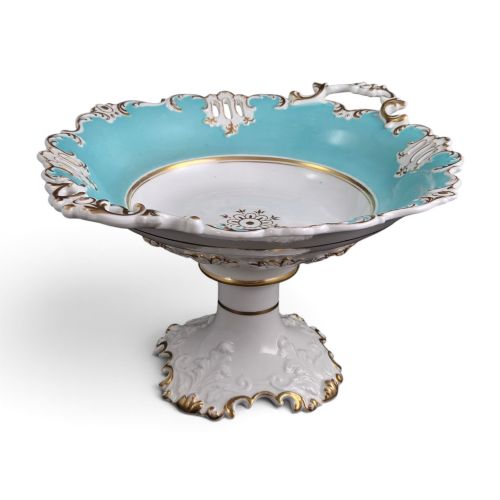
Antique coalport dishes encompass a variety of tableware and display items, ranging from cabinet plates and tazzas to soup tureens and complete dinner service elements. Buyers searching this phrase encounter pieces shaped during the Georgian, Regency, and Victorian periods, reflecting shifting interior tastes across the nineteenth and early twentieth centuries.
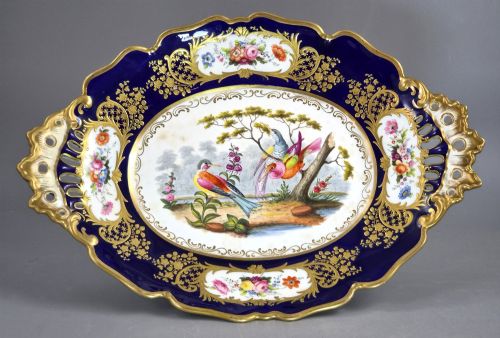
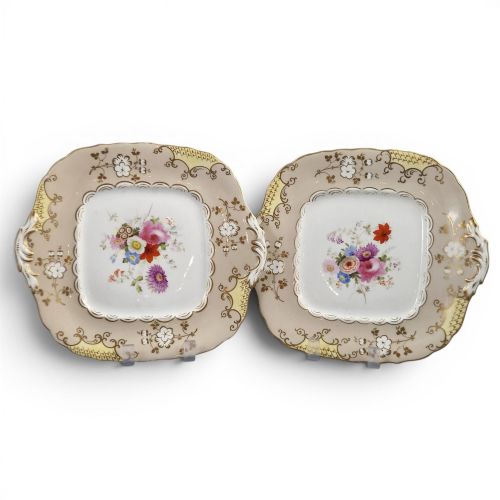
The selection on this page most frequently highlights porcelain and bone china forms, including dessert dishes and decorative plates. Examples span from botanical serving dishes of the eighteen-twenties to later landscape-painted plates from nineteen hundred and one.
Origins trace directly to English production, with certain items carrying specific attributions to artists like Tom Keeling or Thomas Dickson, as well as noble commissions such as the Order of the Garter plate for Windsor Castle.
What varies in quality
The standard of painting largely separates standard production from superior examples, particularly where artists executed detailed botanical studies, intricate birds, or specific topographical views like Kilchurn Castle. Commissioned armorial pieces, such as those made for specific historical figures, carry distinct artistic provenance that elevates their standing.
The application of gilding and enamel work also defines the grade of a piece, with raised gold leaf and heavy gilding indicating greater workshop investment. Preservation of the original hand-painted surfaces and the crispness of moulded edges, such as gadrooned borders, further distinguish finer items.
Antique Coalport Dishes Retail Price Guide 2026
Typical asking prices for coalport dishes among the pieces listed under this phrase on Sellingantiques today, from the lower quarter to the upper quarter. They describe what is for sale here now, not the wider market.
Listings feature porcelain and bone china across periods spanning the Georgian, Regency, and Victorian eras.
Coalport·Coalbrookdale·Tom Keeling·Thomas Dickson
The Antique Coalport Dishes Glossary
- Bone china
- A type of porcelain containing bone ash, which yields a strong, milky-white body capable of fine forming. This material formed the basis for many nineteenth-century tableware items.
- Tazza
- A low-bowled ornamental cup or plate set upon a foot or pedestal, used historically for serving fruit or sweets. These elevated pieces often served a decorative function in Victorian dining rooms.
- Gilding
- The application of gold leaf or gold dust to the surface of ceramics for decorative enrichment. It appears frequently along the rims and borders of service plates.
- Soup tureen
- A large, deep vessel with a lid, designed for serving soup at the dining table. They frequently formed part of larger dinner services alongside matching serving dishes.
- Enamel
- A glass-like substance fused to the ceramic surface through firing to impart vibrant colours. Enamel decoration allowed makers to achieve rich hues on floral and avian motifs.
Antique Coalport Dishes: Frequently Asked Questions
How do I date an antique coalport dish?
Dating relies on stylistic clues, including the shift from Georgian botanical motifs and Regency shapes to heavy Victorian Rococo Revival forms. Physical traits such as paste composition, gilding style, and any recorded attributions or archival names provide further chronological markers.
Changes in factory marks, where present, also assist in narrowing down the decade of production. Comparing the decorative technique to dated examples helps establish a reliable timeframe.
Were these dishes used for dining or display?
Many items, such as dessert services, dinner plates, and soup tureens, served practical functions during formal meals. Other pieces, particularly cabinet plates and tazzas, were intended primarily for visual display in drawing rooms.
Owners often rotated functional tableware into decorative settings once dining fashions changed. The presence of hand-painted landscapes or armorial crests frequently dictated a more ornamental role.
How should I care for antique porcelain?
Hand washing in lukewarm water with a mild, non-abrasive detergent is essential for preserving fragile ceramic bodies and delicate gilding. Dishwashers and harsh scrubbers risk permanent damage to the hand-painted enamels and gold leaf.
Storage requires stable environments away from extreme temperature fluctuations that could stress the glaze. Using padded plate dividers prevents scratching when stacking cabinet or dessert dishes.
What is the difference between porcelain and bone china?
Porcelain is a hard ceramic fired at high temperatures from specific clay minerals, resulting in a dense, vitreous body. Bone china incorporates animal bone ash into the mixture, which lowers the firing temperature slightly while producing a whiter, more translucent finish.
Both materials accommodated the detailed hand-painted designs seen on nineteenth-century English tableware. Bone china became a preferred medium for many British potteries aiming for a refined appearance.