





Decorative Porcelain Plates
These decorative porcelain plates bring centuries of skilled painting and rich glazes straight to your home.
Decorative Porcelain Plates
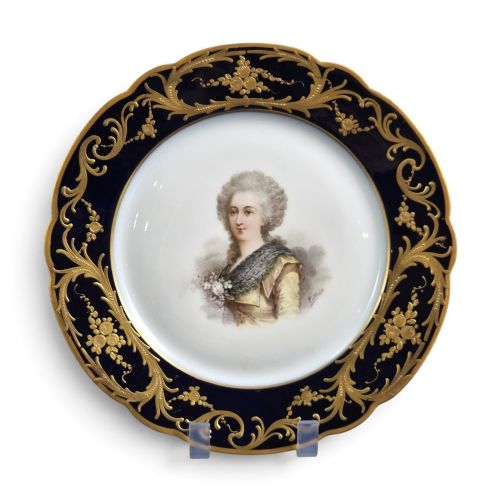
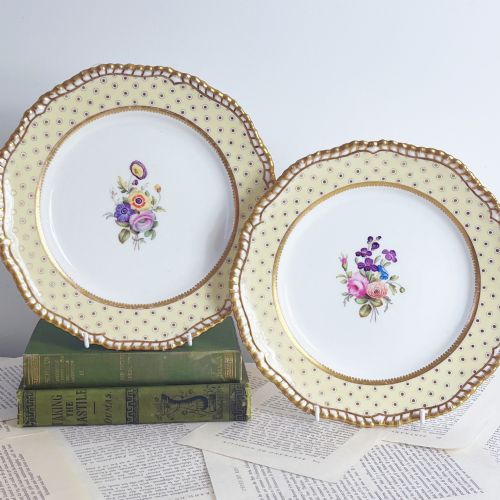
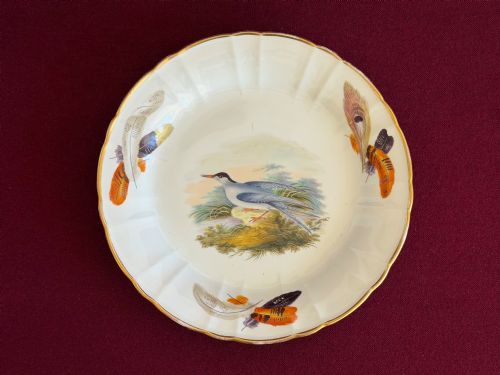
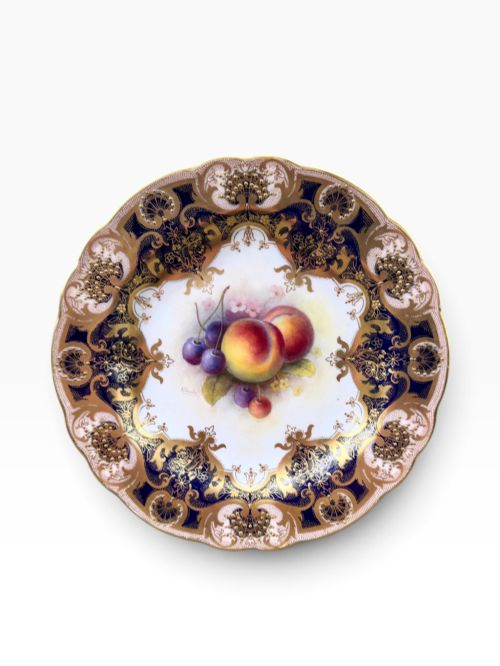
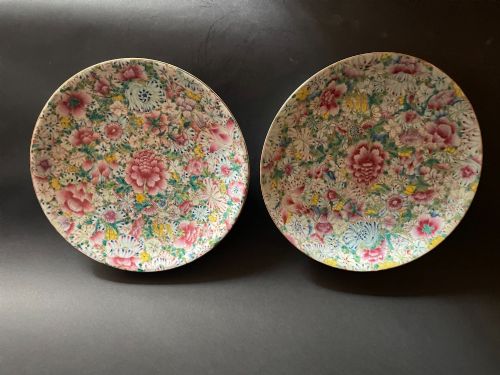
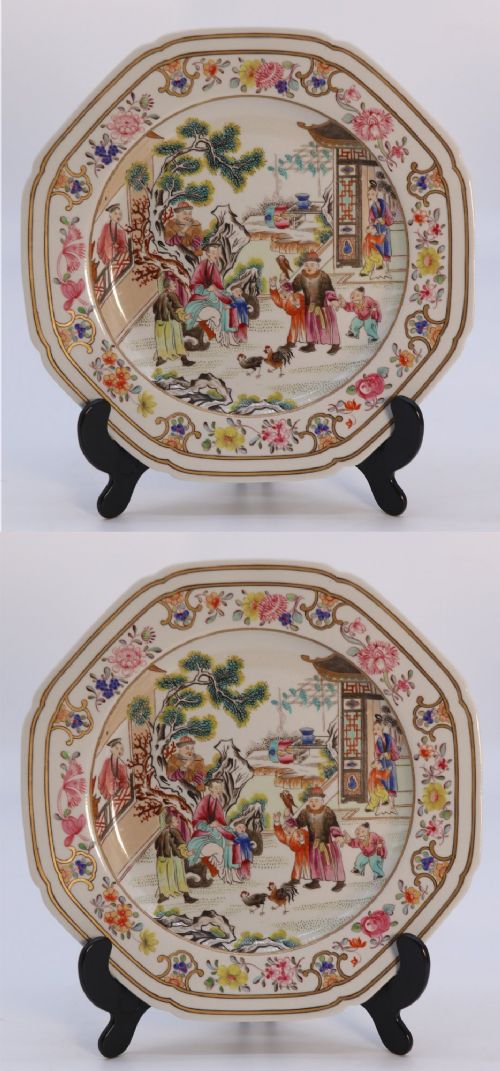
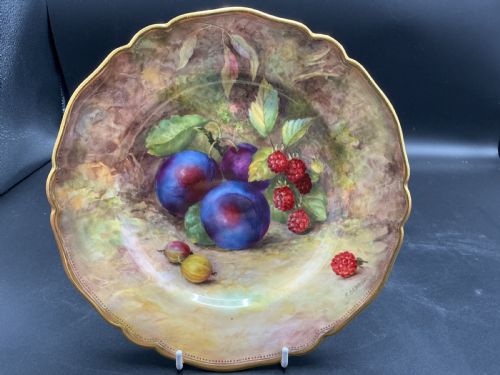
Decorative porcelain plates include cabinet pieces, chargers, and dessert services made to display rather than for daily dining. You will frequently encounter examples from the nineteenth and twentieth centuries alongside earlier traditions.
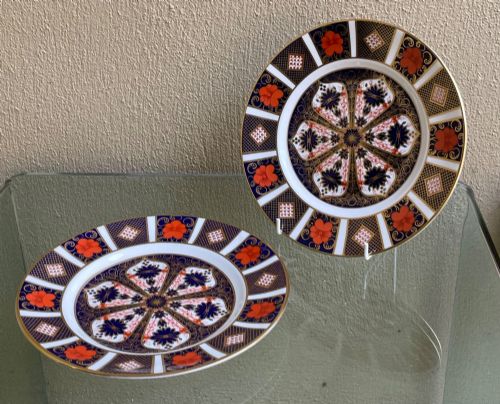
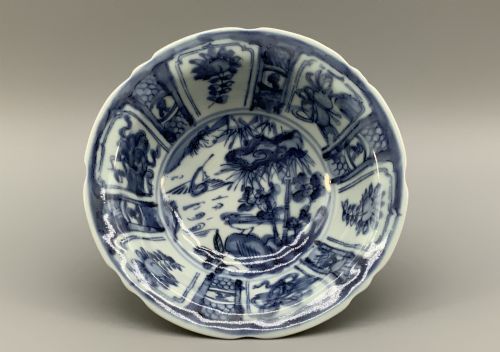
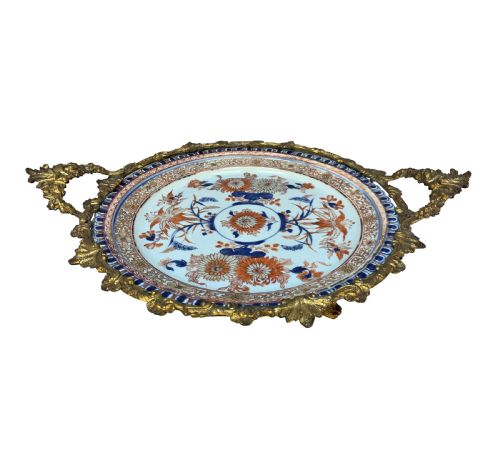
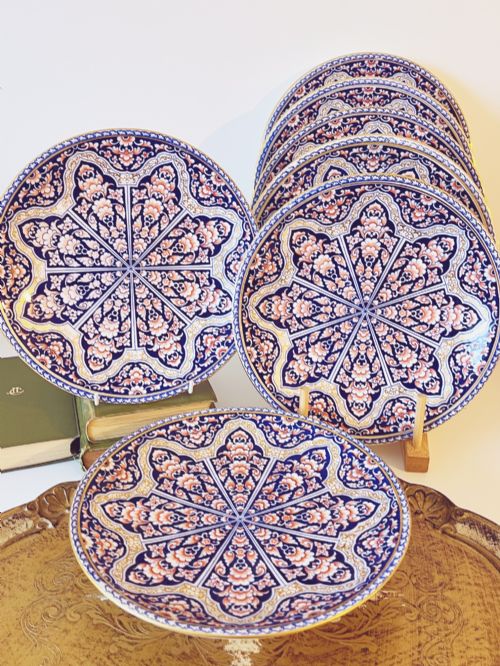
The forms range from large Imari chargers and lobed bowls to square plates and fruit services painted by notable artists. These objects reflect both European factory output and Japanese export traditions from diverse periods.
Materials and Technique
Potters shaped fine porcelain, bone china, and stone china before applying detailed hand-painted designs in enamel and cobalt. Many pieces incorporate gold leaf, gilt, or gilding to highlight the borders and central motifs.
Makers utilised careful kiln firing to set intricate glazes and metallic mounts, such as ormolu, which frequently completed the presentation of large chargers and dishes.
The listings on this page span from the eighteenth century through the Art Deco period, featuring porcelain, bone china, and earthenware.
Assessing Quality
Quality rests in the precision of the hand-painted artistry, particularly on botanical and portrait subjects executed by named studio painters. The crispness of the porcelain body and the richness of the gilding set superior pieces apart.
The complexity of the form, whether lobed, shell-shaped, or octagonal, combined with well-preserved enamel colours determines the standing of an individual charger or cabinet plate.
Royal Crown Derby·Royal Worcester·Royal Doulton·John Davenport·Spode
The Decorative Porcelain Plates Glossary
- Cabinet plate
- A decorative plate intended for display in a cabinet or on a wall rather than for practical table use. These pieces often feature elaborate painted scenes and gilt borders.
- Charger
- A large decorative plate or dish used historically for ceremonial display or service. They provide a broad surface for complex patterns such as Japanese Imari designs.
- Bone china
- A type of soft-paste porcelain containing bone ash, developed in England to create a durable, bright white ceramic body. It accepts painted enamels and gilding exceptionally well.
- Gilding
- The application of gold leaf or powdered gold to the surface of porcelain. It adds metallic lustre to rims and decorative motifs.
- Imari
- A style of Japanese porcelain featuring cobalt blue, iron red, and gold. European factories frequently copied these vibrant palettes during the eighteenth and nineteenth centuries.
Decorative Porcelain Plates: Frequently Asked Questions
What is a cabinet plate?
A cabinet plate is a highly decorated ceramic piece made specifically for display in a drawing room or cabinet rather than for serving food.
These items often showcase intricate hand-painted artwork, gilding, and specialised subjects like fruit or portraits.
How do I hang a decorative charger?
Decorative chargers require sturdy, padded wire hangers designed to distribute the weight evenly across the rim without scratching the porcelain.
Ensure the wall fastening is secure because larger charger plates carry significant weight.
Can I use these plates for dining?
Most antique decorative plates and dessert services are unsuited for modern dining due to delicate enamels, soft glazes, and fragile gold leaf.
Hand washing is essential for any piece used occasionally, though display remains the safest option for preservation.
How do I identify Imari patterns?
Imari patterns typically combine deep cobalt blue underglaze with iron red and gold overglaze details.
Originating in Japan, this distinctive palette was widely adopted by English and European potteries during the nineteenth century.