





Cobalt Blue Imari Dishes
Cobalt blue imari dishes bring together rich ironstone and porcelain traditions, offering deep pigments and intricate patterns that collectors display for their striking palette.
Cobalt Blue Imari Dishes
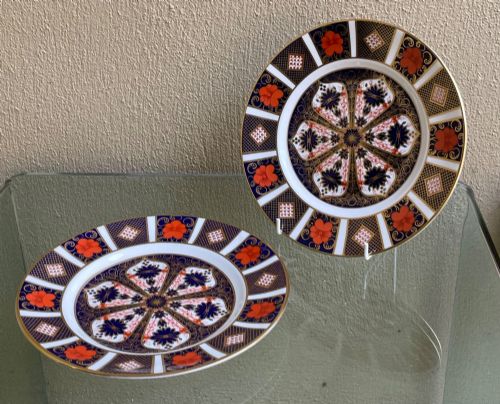
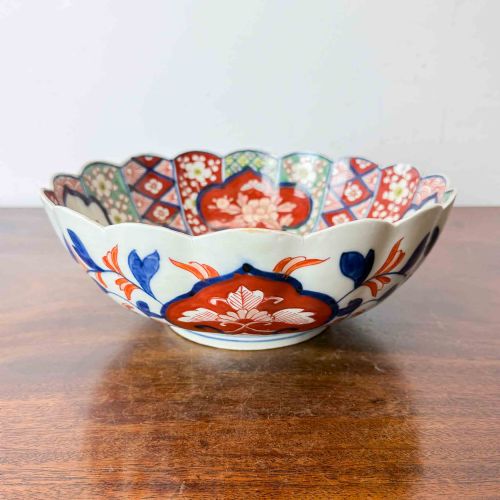
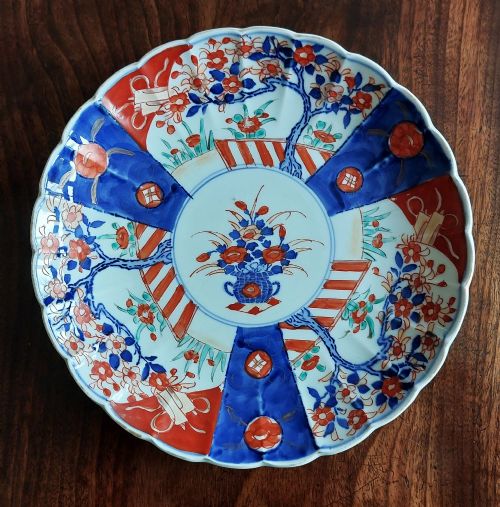
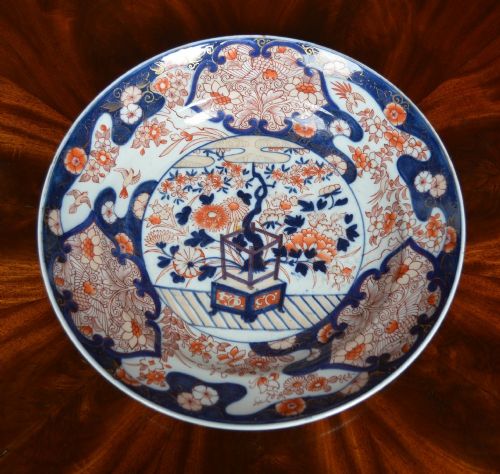
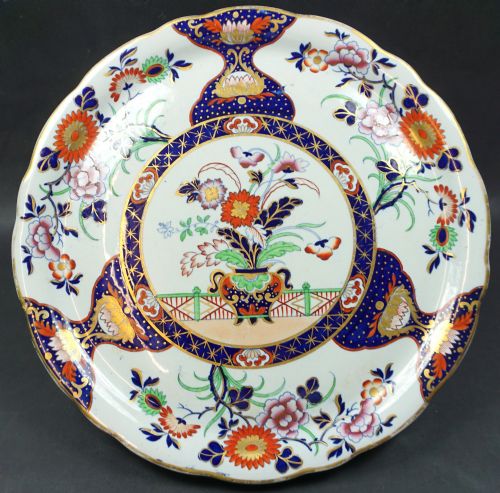
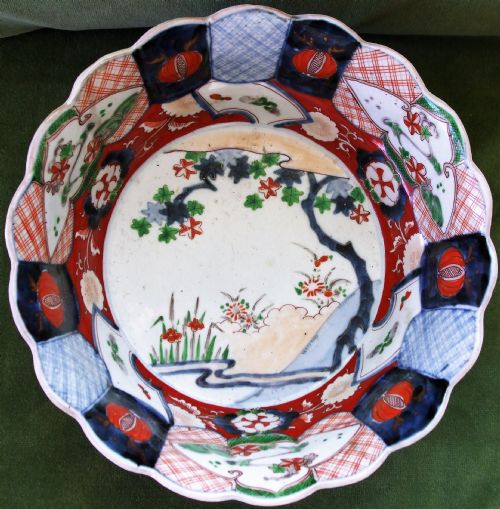
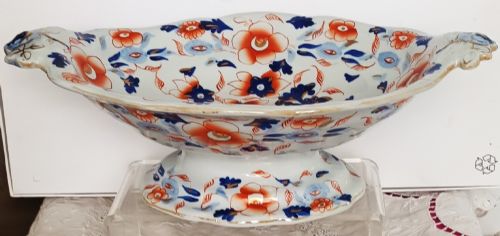
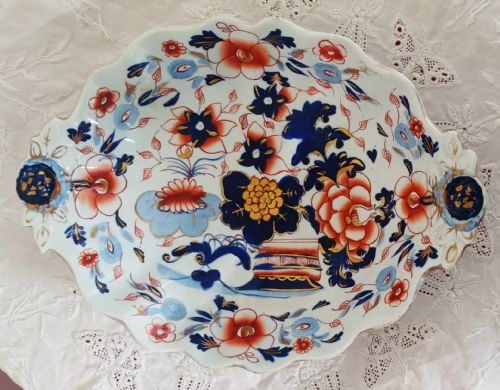
Cobalt blue imari dishes encompass a rich variety of decorative plates, bowls, and chargers originating from both Japanese traditions and English Staffordshire potteries. When searching for cobalt blue imari dishes, a buyer encounters everything from nineteenth-century Japanese Meiji period chargers to Georgian and Victorian English ironstone services.
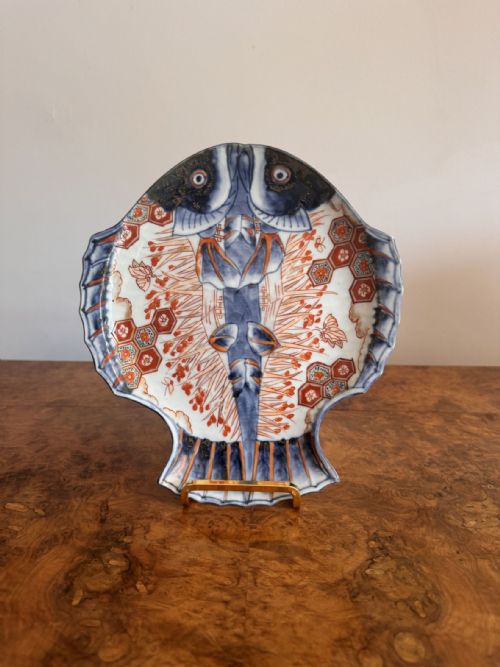
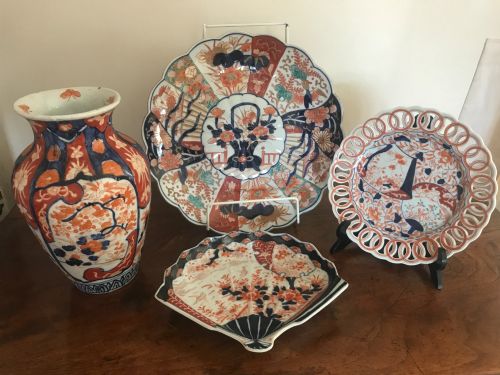
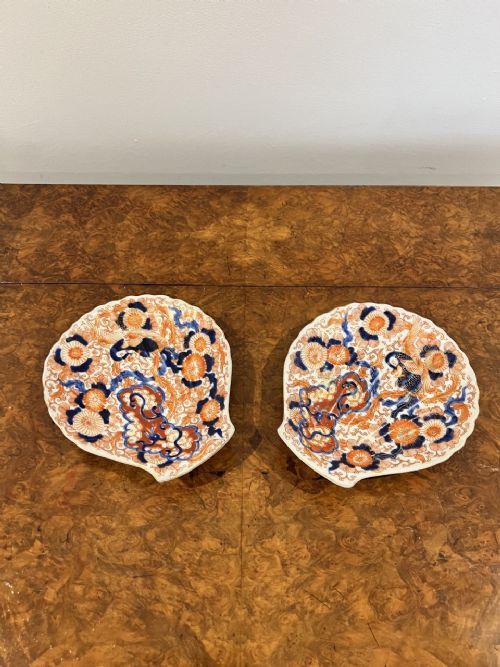
The selections span standard circular plates, scalloped edges, and unusual moulded forms including fish, shells, hexagons, and squares. Japanese examples dominate the listings through various nineteenth and twentieth-century interpretations, alongside English ironstone adaptions in the Japan pattern.
Originating across distinct eras from the early eighteenth century through the Victorian and Meiji periods, these pieces serve primarily as decorative display items rather than utilitarian tableware. Their distinctive palette relies on cobalt blue underglazes contrasted with iron red and supplementary gilding.
How they were made
Makers utilised porcelain and ironstone as the primary ceramic bodies, applying cobalt blue pigments beneath the glaze before secondary firing. Enamel colours and gold leaf were then added over the glaze in subsequent low-temperature firings to achieve the characteristic vibrant contrast.
Potters shaped these ceramics using both wheel-throwing and mould-pressing techniques, creating specialised forms such as scalloped rims, footed comports, and tureens. The integration of gilding and hand-coloured enamels required exceptional precision from artisans working in Japanese and English workshops.
Cobalt Blue Imari Dishes Retail Price Guide 2026
Typical asking prices for cobalt blue imari dishes among the pieces listed under this phrase on Sellingantiques today, from the lower quarter to the upper quarter. They describe what is for sale here now, not the wider market.
Listings feature porcelain, ironstone, and ceramic pieces spanning the nineteenth century alongside Victorian, Regency, and Meiji periods.
What varies in quality
Quality rests in the crispness of the cobalt blue underglaze transfer or hand-painting, and the precision with which the iron red and gold leaf sit within the design. Superior examples exhibit finely detailed exotic birds, floral motifs, and geometric borders without blurring or running in the kiln.
The physical form dictates distinction, with unusual shapes like fish, shells, and deep scalloped edges demanding greater skill from the potter than standard circular plates. Furthermore, the preservation of the delicate gilding and overglaze enamel highlights separates everyday domestic wares from exhibition-grade chargers.
Royal Crown Derby·Hicks & Meigh·John Davenport of Longport·Mason’s
The Cobalt Blue Imari Dishes Glossary
- Imari
- A style of ceramic decoration originating in Japan and later copied in Europe, characterised by a palette of cobalt blue, iron red, and gold. The name derives from the port from which these wares were shipped.
- Ironstone
- A heavy, durable type of earthenware patented in the nineteenth century by English potteries as a tough alternative to porcelain. It readily accepts transfer-printed and hand-coloured Chinoiserie designs.
- Comport
- A raised dish or bowl used on dining tables for serving fruit or sweetmeats. These pieces often feature footed bases and elaborate decorative moulding.
- Meiji Period
- The era in Japanese history spanning from 1868 to 1912, noted for a surge in export ceramics that reached Western markets. Pieces from this time frequently display meticulous hand-painted detail.
- Charger
- A large decorative plate intended for display on a wall or sideboard rather than for holding food at the table. They provide a broad canvas for complex cobalt and gilt patterns.
Cobalt Blue Imari Dishes: Frequently Asked Questions
What is an imari dish?
An imari dish is a ceramic plate, bowl, or charger decorated in a distinctive palette featuring cobalt blue, iron red, and supplementary gold leaf. The style originated in Japan and heavily influenced European potteries.
These pieces were produced for both domestic use and export markets, evolving through various nineteenth-century periods into highly collectible decorative items.
Were these dishes meant for daily use?
While earlier iterations served practical dining functions, many surviving chargers and scalloped plates were intended primarily for display. Their elaborate overglaze gilding made them susceptible to wear from cutlery.
Collectors today generally treat these items as decorative display pieces rather than functional tableware to preserve their surface decoration.
How should I display my imari plates?
Imari plates and chargers suit wall mounting using coated wire display hangers or placement on sturdy plate stands within cabinets. Their vibrant cobalt and red tones complement both traditional and modern interiors.
Keeping them away from direct sunlight protects the delicate enamel and gold leaf from fading over time.