


Vintage Royal Crown Derby
Vintage Royal Crown Derby brings enduring English craftsmanship into your home through decorative porcelain plates, miniature vases, and rich Imari patterns.
Vintage Royal Crown Derby
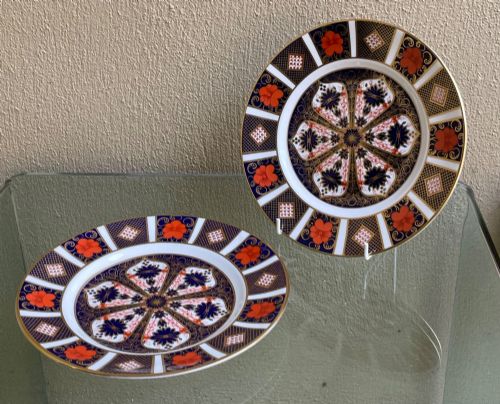
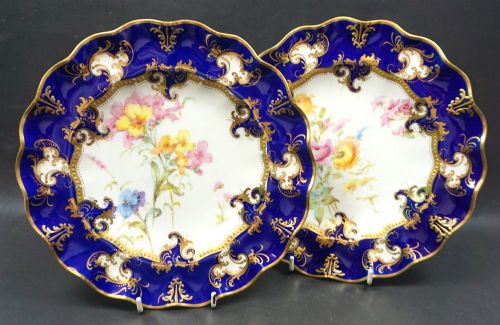
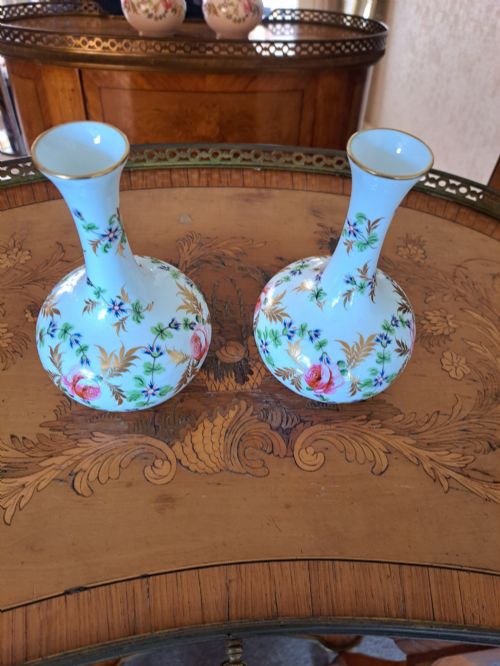
Vintage Royal Crown Derby encompasses fine ceramic tableware and decorative items spanning the Victorian, Edwardian, and mid-twentieth-century periods. When searching for vintage Royal Crown Derby, buyers typically encounter cabinet plates, decorative dishes, teacups, and miniature vases decorated in distinctive Imari patterns.
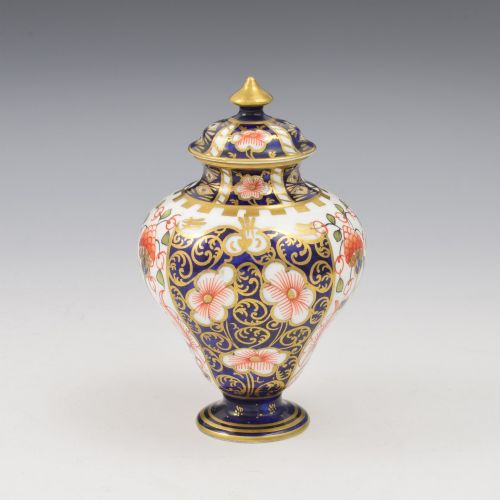
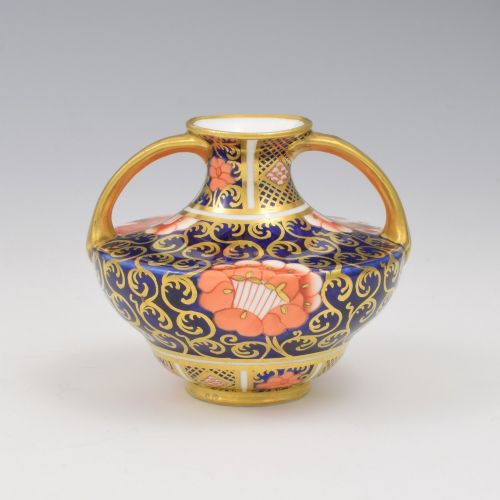
The selection ranges from cabinet plates and dessert services made for retailers to delicate biscuit barrels and miniature pieces like flat irons and twin-handled vases. Pieces date from the late nineteenth century through to the 1950s, representing sustained traditional English manufacturing.
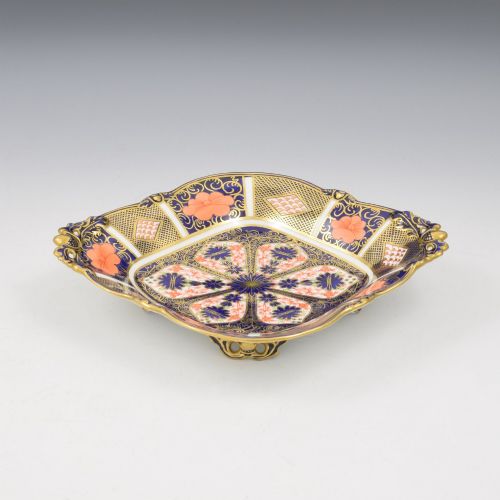
Forms vary from utilitarian dessert service components and serving trays to purely decorative cabinet plates and miniature lidded vases. Collectors frequently find specific numbered patterns such as pattern 1128 and pattern 6299 alongside hand-painted examples.
How they were made
These items are constructed from bone china and porcelain, providing a bright white ceramic body suitable for intricate decoration. Makers shaped the clay into functional and decorative forms including vases, plates, and biscuit barrels.
Decoration relies heavily on enamel colours applied alongside extensive gold leaf, gilding, and gold gilt highlights. Skilled artisans also hand-painted specific plates, combining ceramic pigments with precious metal accents to achieve the rich finish characteristic of the factory.
Vintage Royal Crown Derby Retail Price Guide 2026
Typical asking prices for vintage royal crown derby among the pieces listed under this phrase on Sellingantiques today, from the lower quarter to the upper quarter. They describe what is for sale here now, not the wider market.
A tiny porcelain flat iron complete with its own stand proves that even household laundry tools received the fine Imari treatment.
What varies in quality
Quality across these ceramics is distinguished by the complexity of the hand-painting and the application of gold leaf and gilding. Pieces featuring named artists or specific retailer commissions demonstrate higher individual artistry than standard production items.
The precision of the Imari style patterns and the delicacy of moulded forms, such as pierced serving dishes and miniature vases with covers, set the finer examples apart. Preservation of the enamel colours and the brightness of the ceramic body also define the upper tier of the range.
John Ford·F Garnett
The Vintage Royal Crown Derby Glossary
- Bone china
- A type of soft-paste porcelain incorporating bone ash, yielding a strong, translucent ceramic body used for fine tableware and decorative items.
- Imari style
- A decorative scheme inspired by Japanese export wares, typically featuring a palette of cobalt blue, iron red, and abundant gold gilding.
- Cabinet plate
- A decorative ceramic plate intended for display in a cabinet or on a wall rather than for practical dining use.
- Dessert service
- A matching set of ceramics comprising a comport and multiple plates designed for serving the final course of a formal meal.
- Gilding
- The application of gold leaf or gold paint to the surface of porcelain to highlight rims, handles, and intricate motifs.
Vintage Royal Crown Derby: Frequently Asked Questions
How do I identify Imari patterns?
Imari patterns on these ceramics are characterised by a distinctive combination of underglaze cobalt blue, rich iron red, and heavy gold leaf detailing. The designs draw inspiration from traditional Japanese export goods.
Look for intricate geometric and floral motifs that cover much of the ceramic surface. The presence of shiny gold gilding alongside these primary colours is a reliable indicator.
What are cabinet plates used for?
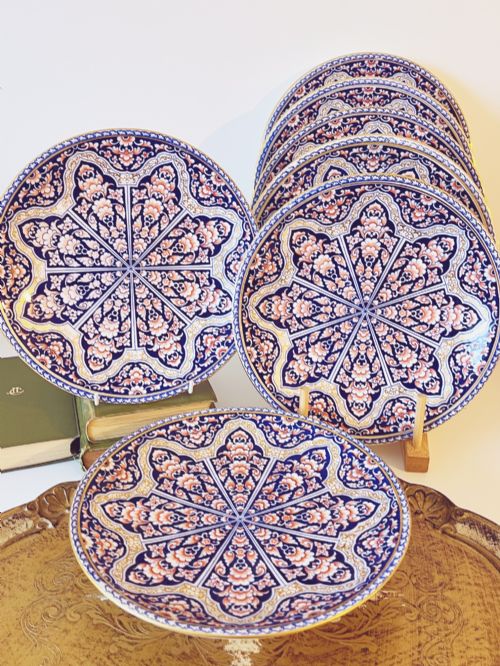
Cabinet plates are purely ornamental items designed for display in glass-fronted cabinets, on plate racks, or mounted on walls. Unlike everyday dining plates, they often feature more elaborate hand-painting and extensive gold gilt.
These pieces typically showcase the highest standard of artistry from the factory. Their surfaces are preserved by avoiding actual food use.
How do I date my porcelain?
Dating these ceramics involves examining the factory backstamps printed on the underside, which often incorporate specific date cyphers or numerical codes. Comparing pattern numbers like 1128 or 6299 can also help narrow down the production era.
Stylistic cues such as Edwardian or Victorian moulding provide a broader chronological frame. Consulting factory records assists in pinpointing the exact year of manufacture.
Are miniature pieces rare?
Miniature items such as tiny vases, flat irons, and small lidded vessels represent a specialised category of production. They demand high skill to manufacture accurately at a reduced scale.
While variety exists in the current selection, these smaller forms are collected for their charming detail. They showcase the same decorative techniques found on full-sized cabinet plates.