

Victorian Decorative Dish
These Victorian decorative dish options span porcelain, bronze and pottery, offering collectors remarkable variety for cabinet display.
Victorian Decorative Dish
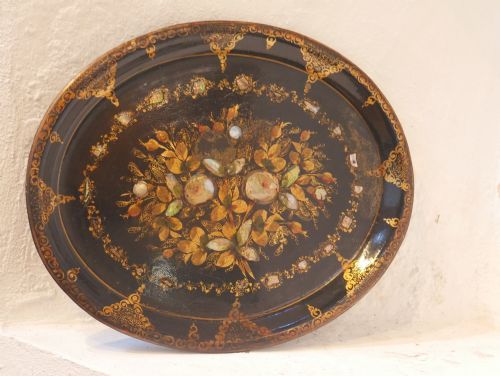
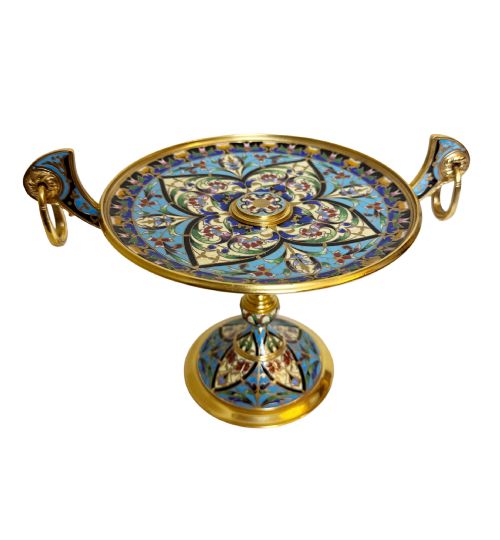
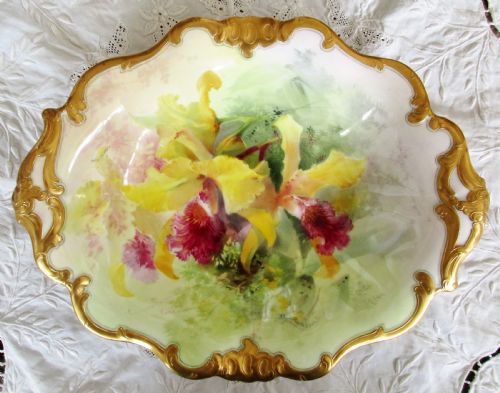
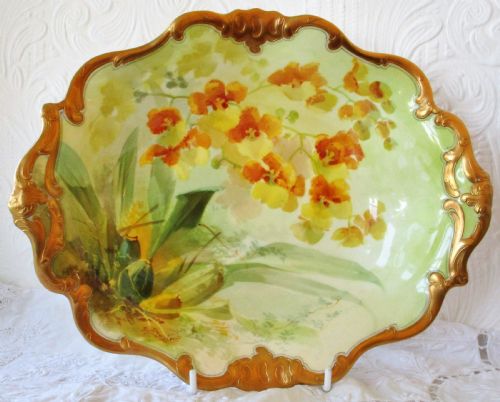
A Victorian decorative dish encompasses a wide spectrum of ceramic, metal and papier-mâché vessels produced primarily for display rather than heavy service. When searching for a Victorian decorative dish, buyers encounter everything from painted porcelain cabinet plates and majolica comports to brass cairo ware and champlevé enamel tazzas.
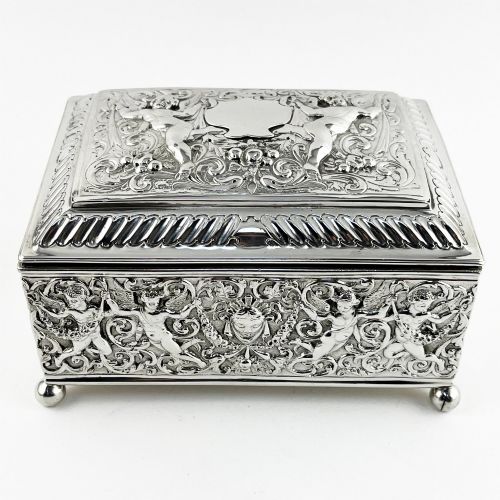
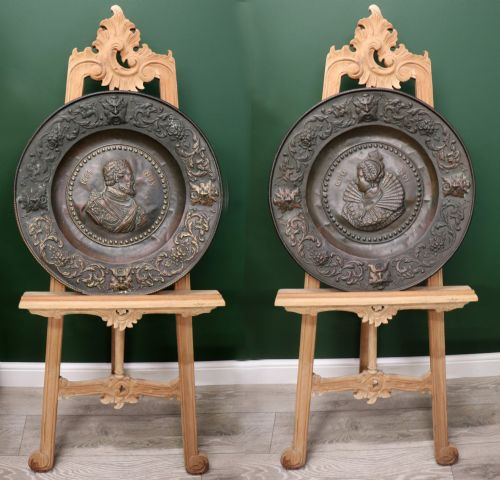
The materials reflect both domestic English manufacturing and international influences, including Japanese Imari plates, French porcelain and Anglo-Indian silver repoussé work. Papier-mâché card baskets and copper wall chargers also appear within the selection, demonstrating the broad scope of nineteenth-century decorative arts.
Most examples originate from the middle and late nineteenth century, spanning periods marked by revivalist tastes such as neoclassical and rococo revival styles alongside aesthetic movement designs. These pieces served to decorate drawing rooms, sideboards and cabinet displays in period homes.
Materials and construction methods
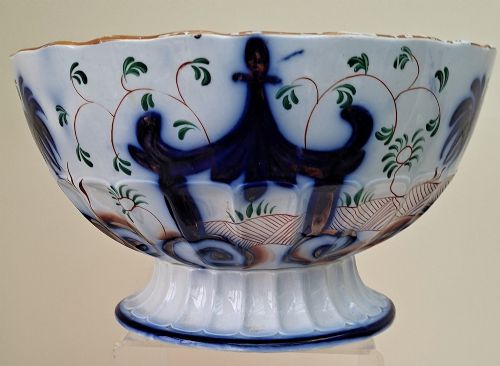
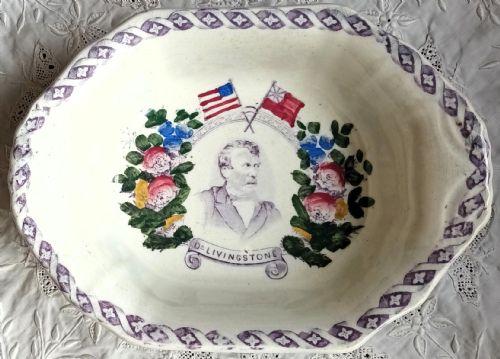
Ceramic pieces rely on porcelain, earthenware and pottery bodies finished with detailed glazes, hand-painted botanical or figurative scenes, and applied gold leaf or gilt highlights. Factories utilised specialised techniques for cabinet plates, transfer-printed pottery and hand-modelled majolica leaves.
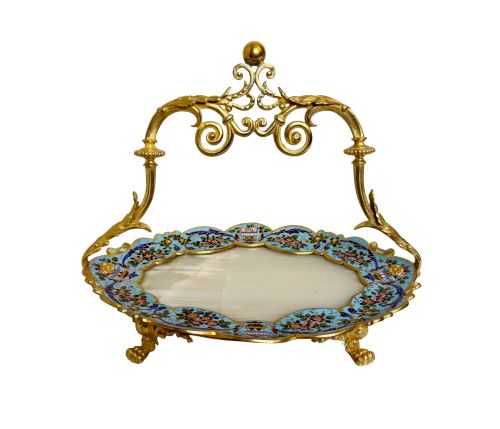
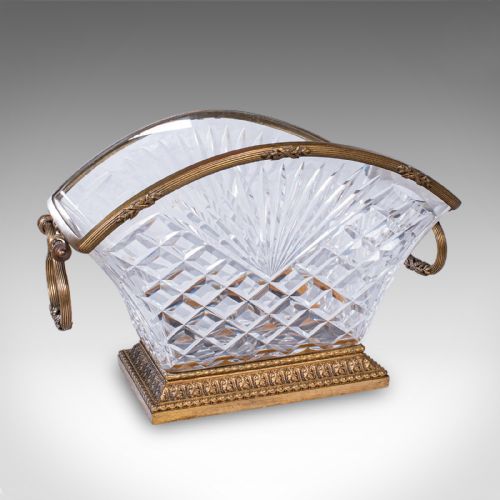
Metal vessels combine cast bronze, brass, copper and silver plating, frequently enhanced with champlevé enamel, silver inlay, or ormolu mounts. Makers also incorporated organic materials such as agate cabochons, cut glass and papier-mâché to construct trays, baskets and centrepieces.
Listings feature porcelain, earthenware, bronze, brass, silver and papier-mâché across nineteenth-century styles.
Judgements of quality and execution
Quality rests upon the crispness of the casting in metalwork, the precision of hand-painting on porcelain panels, and the depth of champlevé enamel or repoussé detail. Superior examples display refined brushwork by known artists, balanced proportions and harmonious integration of metal mounts with ceramic or stone bodies.
The integrity of the surface finish and the preservation of original gilding or silver inlay heavily influence the standing of a piece. Finer items maintain sharp relief, secure mounts and crisp transfer printing or enamel work without excessive wear to the decorative scheme.
Coalport·Royal Doulton·Copeland·Doulton Burslem·John Maddock
The Victorian Decorative Dish Glossary
- Champlevé
- Enamelling technique where troughs are dug into a metal surface and filled with vitreous enamel before firing. This method creates vibrant coloured patterns across bronze and brass vessels.
- Tazza
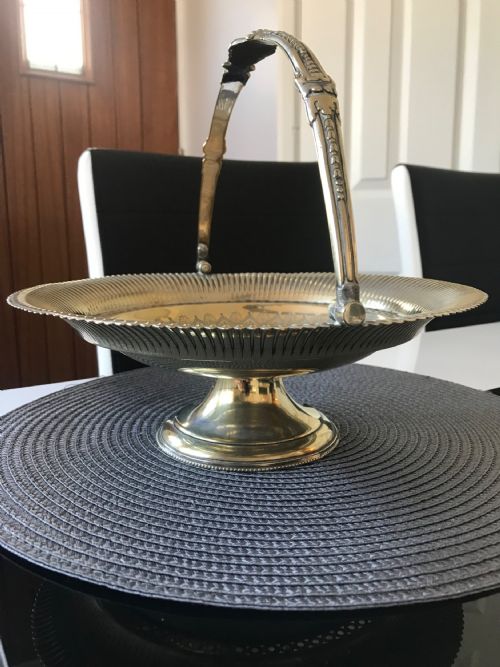
- A shallow bowl or plate mounted on a stem and foot, designed for display or serving small items. These elevated dishes often feature elaborate metal mounts or decorative handles.
- Cabinet Plate
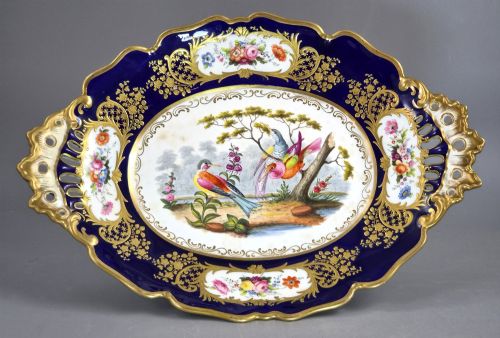
- A decorative ceramic plate intended for display in a cabinet rather than use at the dining table. They frequently showcase detailed hand-painted landscapes, birds or portraits.
- Majolica
- A type of earthenware decorated with opaque coloured glazes over a calcareous clay body. The style often mimics natural forms such as leaves and foliage.
- Ormolu
- Gilded bronze used extensively for decorative mounts, handles and frames on nineteenth-century porcelain and stone dishes. The technique imparts a rich golden sheen to cast metal elements.
Victorian Decorative Dish: Frequently Asked Questions
How were these dishes used originally?
These dishes occupied prominent positions in nineteenth-century drawing rooms, dining spaces and parlours. They functioned as centrepieces on tables, decorative accents on sideboards, or cabinet plates displayed behind glass.
Some held visiting cards, trinkets or seasonal fruit, while others existed solely to showcase the owner's refined taste and appreciation for fine craftsmanship.
How do I care for antique porcelain dishes?
Antique porcelain and pottery dishes require gentle handling and dry dusting with a soft, clean brush. Avoid submerging pieces with delicate gilding, enamel work or papier-mâché bases in water.
Keep them away from direct sunlight to preserve hand-painted enamel colours and prevent fading on transfer-printed or gilded surfaces.
How can I tell different Victorian styles apart?
Victorian decorative styles span several distinct revivals and international influences. Rococo revival pieces feature asymmetric scrollwork and naturalistic floral motifs, while neoclassical examples display geometric symmetry and classical bronze mounts.
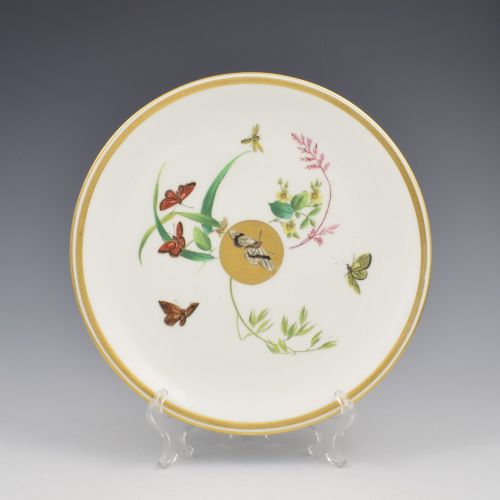
Later nineteenth-century designs often incorporate Japanese aesthetic movement motifs, featuring asymmetrical compositions, flora and fauna.