




Oval Porcelain Serving Dish
An oval porcelain serving dish brings handpainted beauty to the table, offering a durable surface for food that doubles as a striking decorative display.
Oval Porcelain Serving Dish
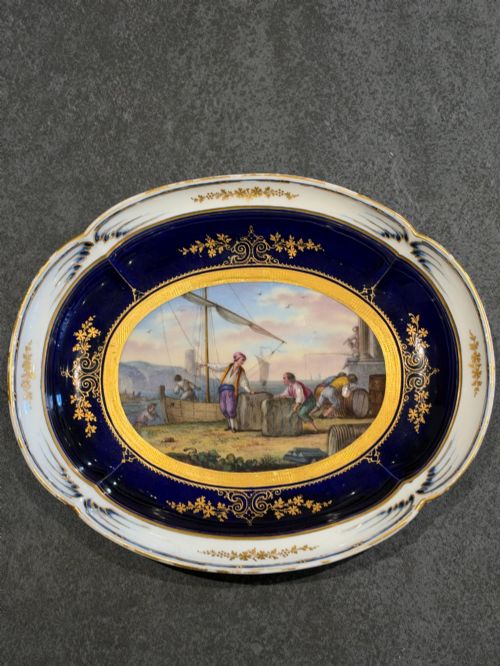
An oval porcelain serving dish is a refined vessel designed for presenting food, appearing across centuries of international manufacture. You will most frequently encounter nineteenth-century English and European pieces alongside eighteenth-century examples on this page.
The selections span distinct historical periods including the eighteenth century, the Victorian era, and the early twentieth century. Makers from England, continental Europe, and East Asia produced these platters and trays for both utilitarian dining and ornamental use.
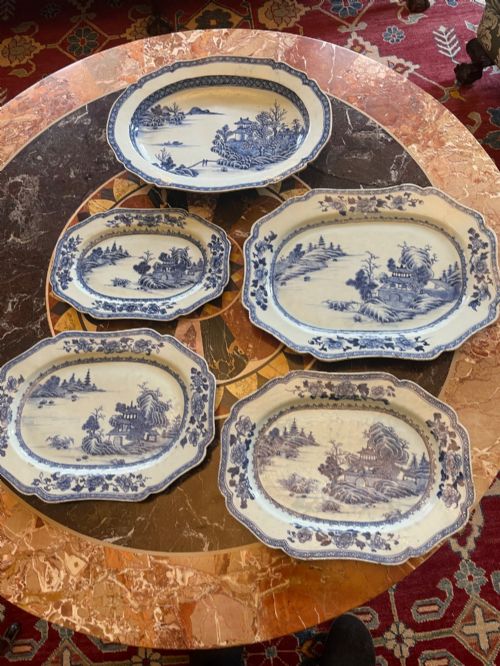
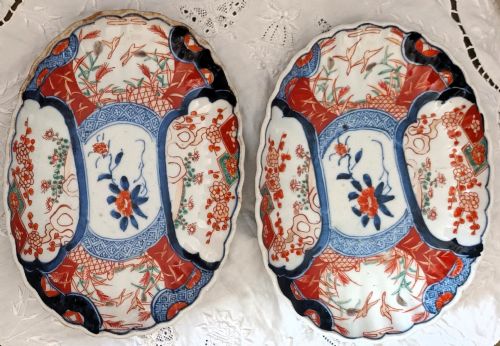
Forms range from simple serving plates to elaborate ribbon trays and large platters intended for fish, fruit, or dessert. Styles shift from Georgian restraint through Victorian rococo revival to Japanese Meiji and Chinese export designs.
What varies in quality
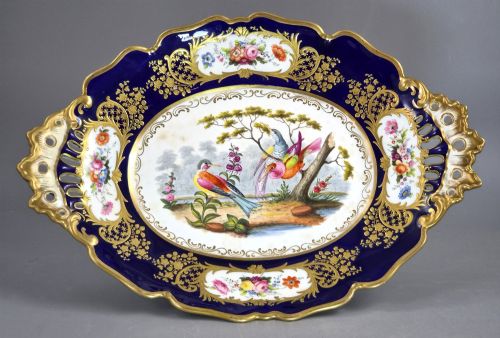
The distinction between standard and exceptional pieces lies in the execution and complexity of the handpainted decoration. Fine specimens display meticulous brushwork, particularly in detailed botanical studies, figurative scenes, or complex bird plumage.
The application of gilding and the purity of the porcelain body also determine the standing of a piece. Well-preserved enamel colours and crisp, unrubbed gold leaf separate superior examples from heavier production ware.
Oval Porcelain Serving Dish Retail Price Guide 2026
Typical asking prices for oval porcelain serving dish among the pieces listed under this phrase on Sellingantiques today, from the lower quarter to the upper quarter. They describe what is for sale here now, not the wider market.
Decoration methods on these pieces combine handpainted polychrome florals, fancy birds, and intricate cobalt blue underglaze designs.
Herend·H & R Daniel·Derby·Coalport·Samson Paris·Royal Worcester·Barr Flight and Barr·Royal Crown Derby·Meissen
The Oval Porcelain Serving Dish Glossary
- Porcelain
- A white, vitrified ceramic material made by firing clay such as kaolin at high temperatures. It is known for its strength, translucence, and smooth white surface.
- Gilding
- The application of gold leaf or powdered gold onto the surface of the ceramic. This technique was used extensively to accentuate rims, handles, and decorative borders.
- Enamel
- Opaque or translucent glass fused to the ceramic body through firing. It provides the vibrant colours seen in handpainted floral and figurative motifs.
- Hard-paste porcelain
- A durable ceramic composition containing kaolin and petuntse fired at high heat. It was developed in Europe to replicate the dense body of Chinese wares.
- Bone china
- A type of soft-paste porcelain containing bone ash, invented in England. It yields a warm, milky white body with high resistance to chipping.
Oval Porcelain Serving Dish: Frequently Asked Questions
Can I use an antique oval porcelain serving dish for food?
Many of these pieces were originally created for dining and serving food during the eighteenth and nineteenth centuries. Modern use is possible, though handwashing is essential to protect fragile handpainted enamels and gold gilt.
Older glazes may also show wear or susceptibility to staining from acidic foods over time. Careful handling preserves the historical surface of the dish.
How do I date an antique porcelain dish?
Dating relies on identifying maker marks, factory ciphers, and stylistic indicators such as regency or rococo revival motifs. Comparing the type of porcelain body and handpainted palette also helps narrow the period.
Many listings provide specific estimated decades based on these physical characteristics. Reference books on British and European porcelain factories offer further verification.
What is the difference between porcelain and bone china?
Porcelain is fired at higher temperatures using kaolin clay, resulting in a hard and dense vitrified body. Bone china incorporates bone ash into the mixture, which creates a slightly warmer tone and high translucency.
Both materials were utilised for serving dishes throughout the nineteenth century. Bone china became a particular specialty of English potteries.
How should I display a porcelain platter?
Platters can be mounted securely on plate hangers for wall display or supported safely on stable plate stands on flat surfaces. Positioning them away from direct sunlight protects vulnerable enamel colours from fading.
Ensure any display stand distributes the weight evenly across the base and rim. This prevents unnecessary stress on the historical ceramic body.