
Antique Porcelain Tray
An antique porcelain tray offers refined domestic utility and display, drawing collectors to pieces finished with hand-painted botanicals and rich gilding.
What an antique porcelain tray is
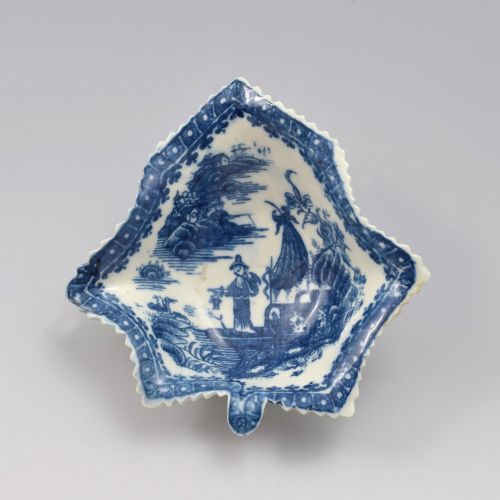
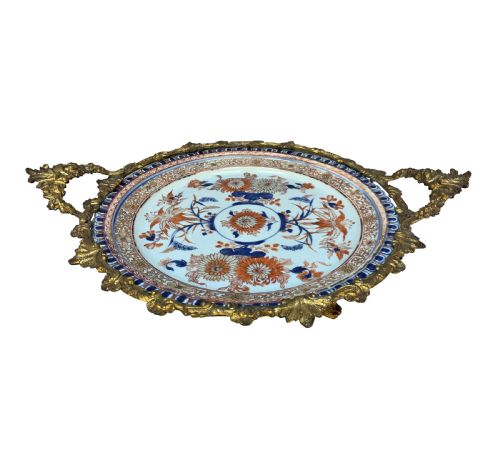
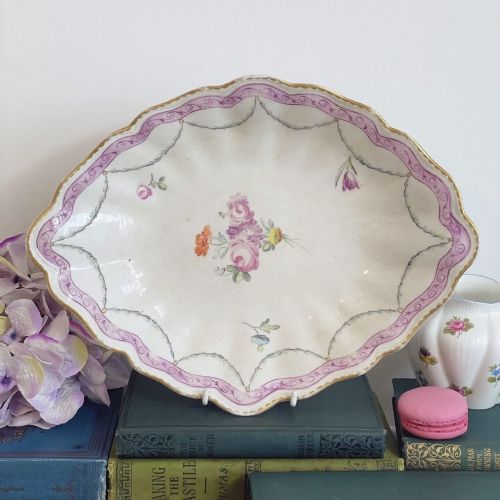
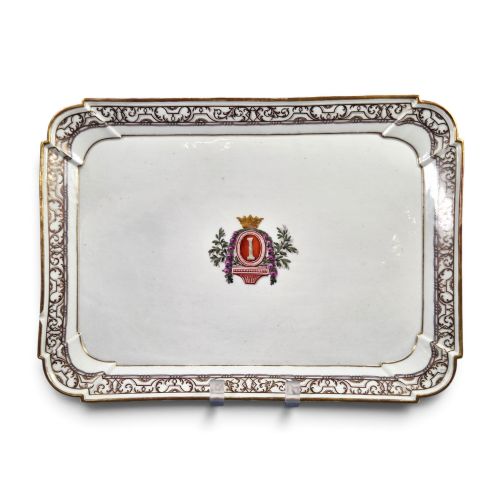
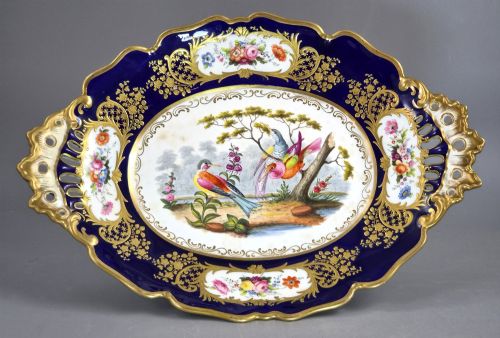
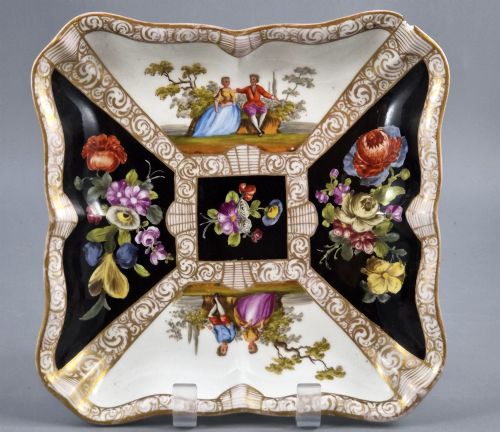
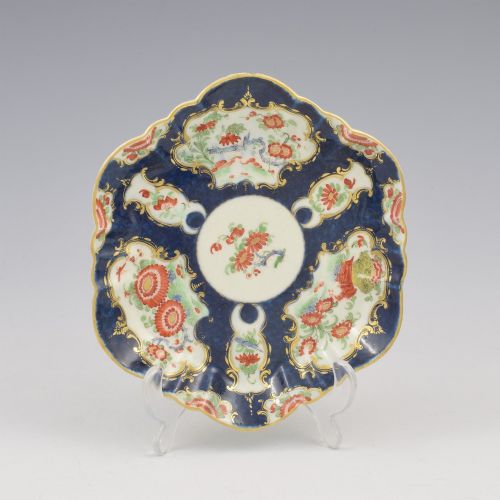
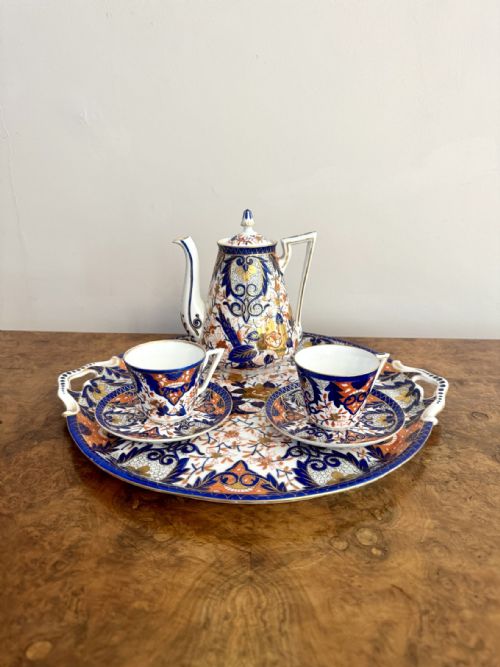
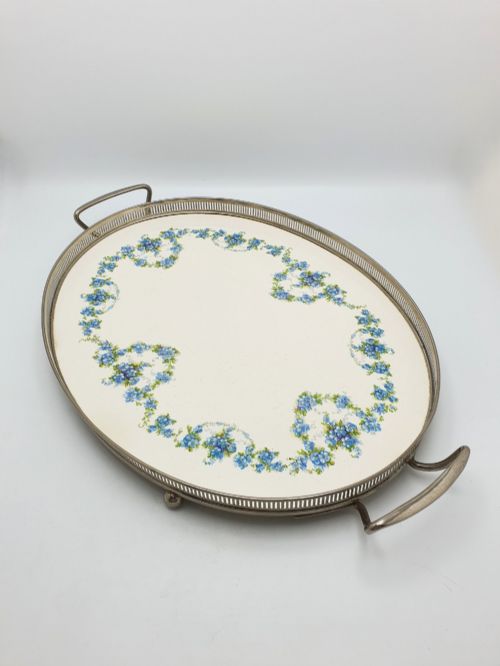
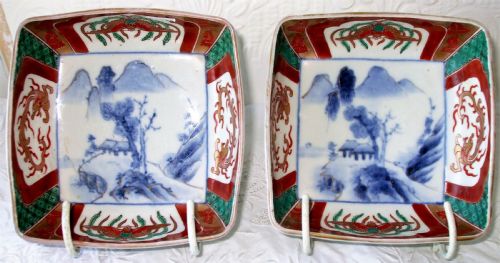
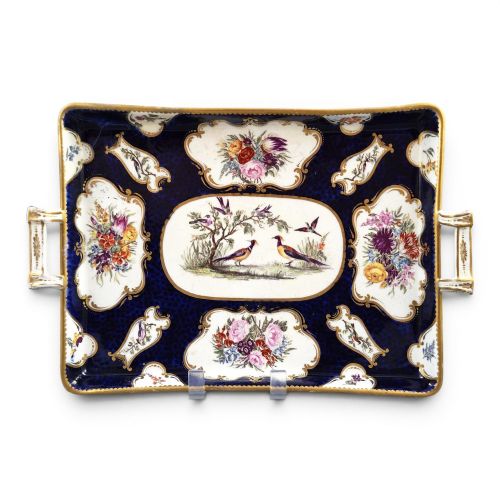
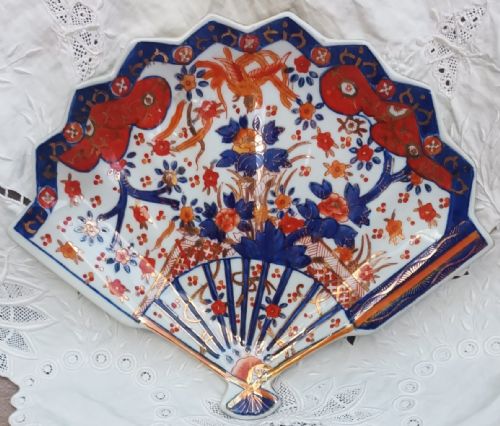
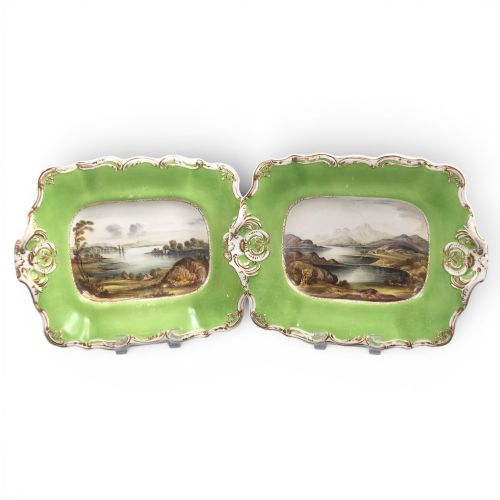
When you search for an antique porcelain tray, you are looking at items designed for serving, dining or cabinet display. The selection on this page ranges across serving dishes, decorative trays, and cabinet dishes.
The periods represented stretch from the Regency era through the Victorian and Edwardian periods, including pieces dated to the nineteenth century, eighteen-ninety, nineteen-ten, and around eighteen-thirty to eighteen-forty.
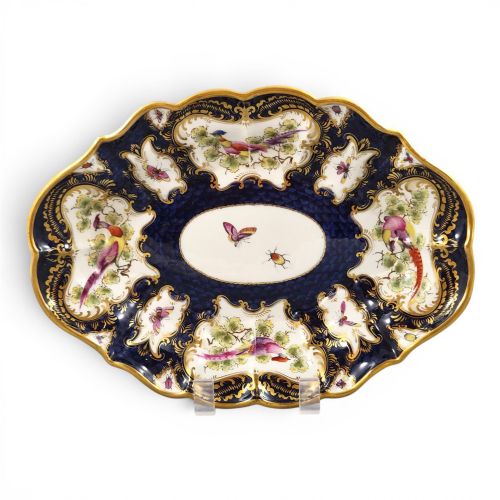
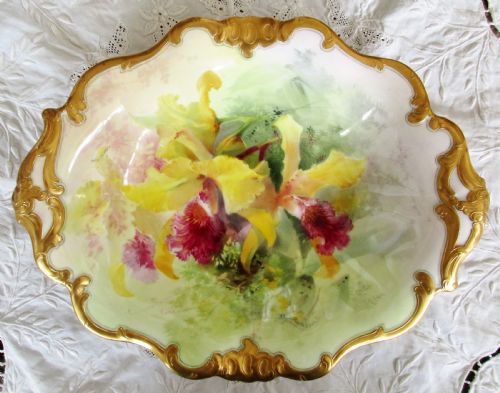
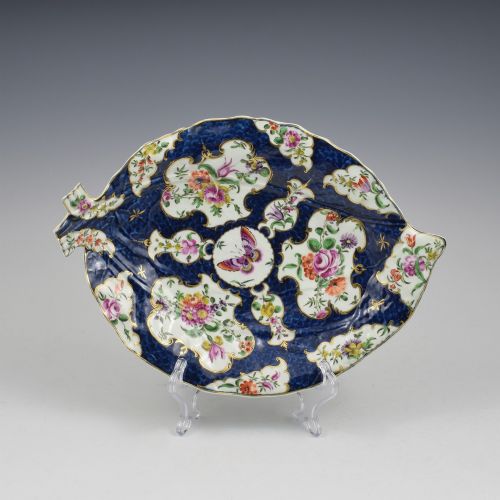
You are most likely to encounter serving dishes and decorative trays featuring hand-painted floral motifs, fruit studies, and botanical depictions alongside cobalt glaze and gold leaf highlights.
How they were made
These items rely on ceramic and porcelain bodies, shaped into rectangular, oval, and fluted forms. Makers applied enamel colours and gold leaf or gilding to enhance the surface decoration.
Techniques combined delicate ceramic forming with skilled hand-painting. Artisans rendered detailed subjects such as orchids and fruit, often finishing the edges with rich gilding.
Retail Price Guide 2026
Typical UK retail prices for porcelain tray, calculated from the Sellingantiques database of over a million retail prices indexed since 2003. This retail price guide relies exclusively on Sellingantiques data; no external sources or auction records are used, so the figures do not describe the wider market.
Listings feature items from the Regency, Victorian, and Edwardian periods, utilising porcelain, earthenware, enamel, and gold leaf.
What varies in quality
Quality rests in the execution of the hand-painted decoration and the precision of the gilding. Pieces painted by named artists demonstrate a higher degree of individual skill than standard production items.
The fineness of the porcelain body and the complexity of the moulding, such as fluted edges or rococo revival styling, distinguish superior examples from simpler utilitarian wares.
Doe and Rogers Worcester·Carlton Ware·KPM·Barr Flight and Barr·Royal Worcester·Royal Crown Derby·Royal Doulton·Sevres
The Antique Porcelain Tray Glossary
- Porcelain
- A fine, hard ceramic fired at high temperatures to achieve a dense, white body. It forms the primary substrate for these decorated trays and dishes.
- Gilding
- The application of gold leaf or gold paint to highlight rims, handles, and decorative borders. This technique elevates the visual richness of the ceramic surface.
- Cobalt Glaze
- A deep blue metallic oxide colouring applied under or over the glaze. It provides a striking contrast against white porcelain and gold accents.
- Cabinet Dish
- A decorative piece intended for display in a cabinet rather than for active dining service. These items often feature intricate artistry by named painters.
Frequently Asked Questions
How were antique porcelain trays used?
These items served various roles in the dining room and parlour, from presenting desserts and hors d'oeuvres to holding small items. Cabinet pieces were strictly ornamental, designed to be showcased on furniture.
Over time, many serving vessels transitioned into display objects as dining habits evolved and households sought to showcase fine ceramic artistry.
How do I care for an antique tray?
Clean these surfaces gently with a soft, dry cloth or lukewarm water without harsh detergents. Avoid soaking pieces with delicate enamel or gold leaf.
Display them away from direct sunlight and heavy foot traffic to protect the hand-painted decoration and gilded edges from wear.
How can I tell the period?
Dating relies on factory marks, painter signatures, and stylistic indicators such as regency forms or victorian floral motifs. Examining the paste and glaze characteristics also aids identification.
Comparing known factory ciphers helps narrow the decade of production for pieces created across the nineteenth and early twentieth centuries.
What is the difference between a serving dish and a cabinet dish?
Serving dishes were built for table use, featuring durable ceramic bodies and practical shapes for food presentation. Cabinet dishes focused purely on decorative display.
Cabinet examples frequently display elaborate painted scenes by master artists, whereas serving pieces balanced utility with ornamental design.